The Next Era of Gielinor: Everything We Know About the Ambitious ‘RS4’
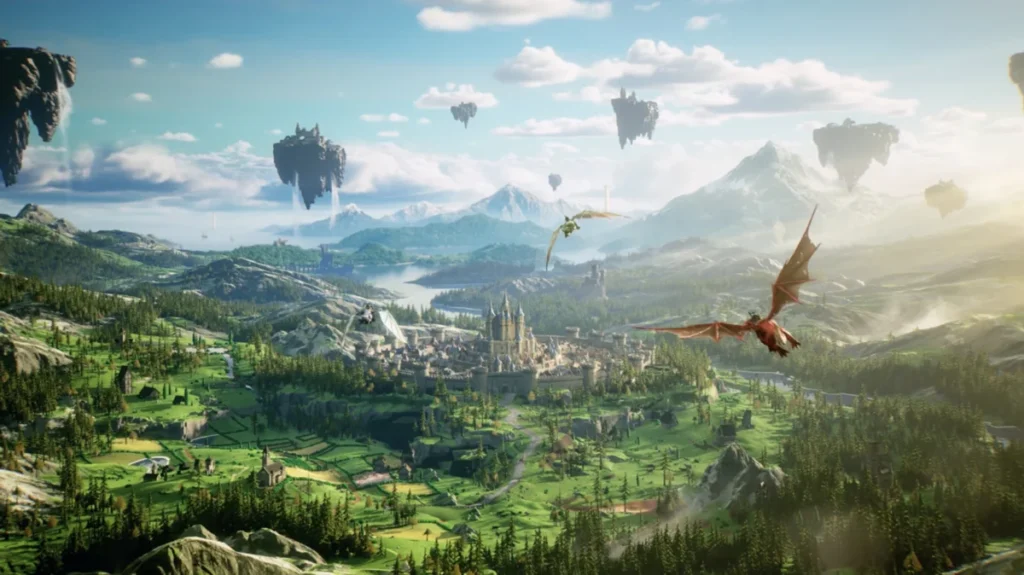
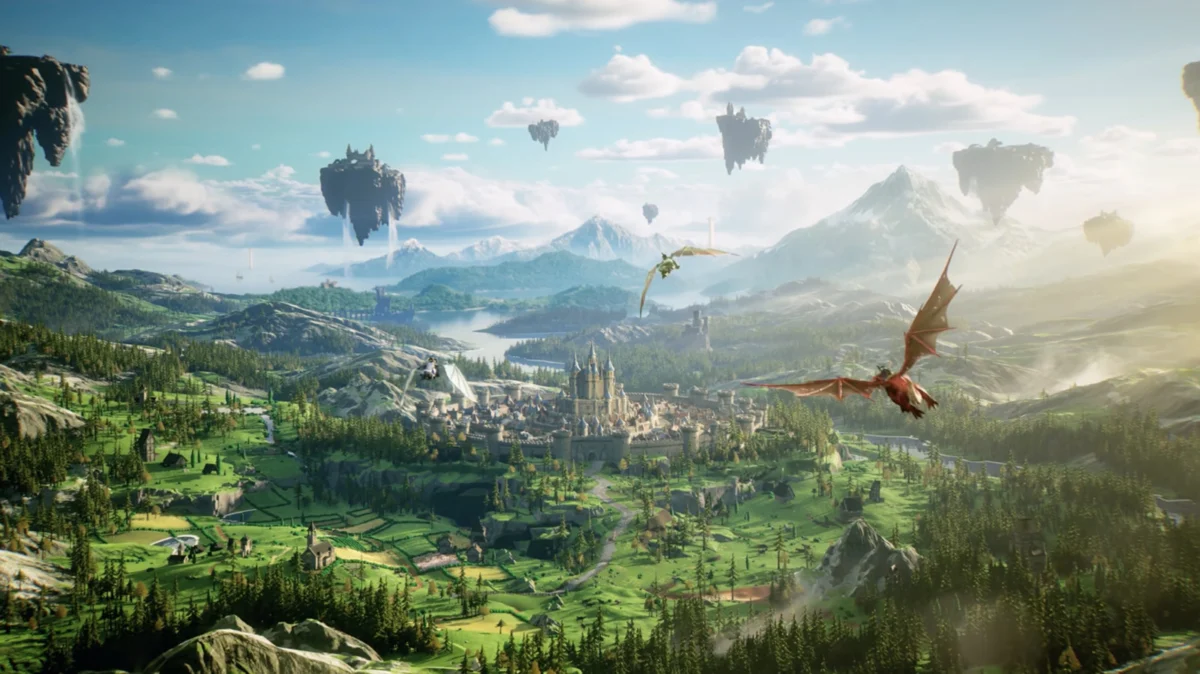
The landscape of Gielinor is set to expand in ways once thought impossible. During the highly anticipated annual RuneFest convention, Jagex, the powerhouse developer behind the iconic RuneScape franchise, officially pulled back the curtain on the next major iteration of its long-standing MMO universe. Tentatively titled RS4, this ambitious project marks a significant technological leap for the studio, moving the franchise into the modern era of game development via Unreal Engine.
While details remain sparse, the announcement has sent ripples through the gaming community, signaling a bold strategy for a company that has defined the MMORPG genre for over two decades.
Main Facts: A New Chapter in the World of Gielinor
At its core, RS4 represents a departure from the traditional engine constraints that have historically defined the RuneScape experience. By transitioning to Unreal Engine, Jagex is positioning the title to compete visually and mechanically with modern high-fidelity open-world games.
The reveal trailer, a minute-long teaser, offered fans a glimpse into a more dynamic and interactive environment. Among the most notable takeaways is the inclusion of mounted dragon combat—a feature that has been on the wishlist of the RuneScape community for years.
Jagex has been quick to manage expectations regarding the project’s scope. The company explicitly stated that RS4 is not a successor or a replacement for the existing pillars of the franchise: RuneScape (often referred to as RS3) and Old School RuneScape (OSRS). Instead, the developer intends for RS4 to occupy a unique space within the ecosystem, providing a fresh, standalone way to explore the lore, geography, and magic of Gielinor without requiring players to abandon their progress or communities in the other titles.
The Chronology: From Survival Expansion to Standalone Titan
To understand the gravity of RS4, one must look at the path that led to its inception. The project did not begin as a new MMO; its origins are rooted in the experimental development of RuneScape: Dragonwilds.
The Evolution of Ashenfall
Initially, Jagex conceptualized a massive expansion for the survival-oriented Dragonwilds titled Shadows of Ashenfall. The goal was to provide an open-world survival experience that leveraged the established history of the RuneScape universe. However, as the development team iterated on the project, the mechanics and the scale of the world began to exceed the boundaries of a simple expansion.
According to reports from industry outlets like Polygon, the project organically transformed. The team realized that the depth of the world-building, the quest structures, and the combat systems they were crafting were more closely aligned with the classic RuneScape MMO experience than the survival niche they had originally targeted. This pivot—moving from an expansion to a standalone entry—necessitated the birth of RS4.
Setting the Timeline
Narratively, RS4 is set firmly in the "Sixth Age," occurring years after the events depicted in Dragonwilds. This placement allows Jagex to leverage established lore while creating a blank slate for new players. The game will launch with the Ashenfall region, a locale first teased in Dragonwilds, serving as the foundational setting for the new journey.
Supporting Data: Why Unreal Engine Matters
The shift to Unreal Engine is perhaps the most significant technical decision Jagex has made in the last decade. For years, the RuneScape franchise has been limited by proprietary engines that, while highly optimized for browser-based play in the early 2000s, struggle to meet the demands of modern hardware and aesthetic expectations.
By adopting Unreal Engine, Jagex is essentially unlocking a suite of industry-standard tools for lighting, physics, and animation. This is critical for the promised dragon combat mechanics, which require sophisticated hitboxes and fluid movement that the older RuneScape engines were never designed to handle.
Furthermore, this move suggests that Jagex is aiming to capture a demographic of players who prioritize visual fidelity. By positioning RS4 as a high-end experience, the company is diversifying its portfolio:
- OSRS: Catering to the nostalgia-driven, mechanics-heavy, community-focused crowd.
- RS3: Offering a modernized, narrative-driven traditional MMO experience.
- RS4: Providing a cutting-edge, action-oriented, open-world fantasy experience.
Official Responses and Studio Vision
Jagex’s messaging has been one of extreme caution mixed with excitement. During RuneFest, representatives emphasized that RS4 is "a hugely ambitious project" and that it is "a few years away." This timeline is likely to dampen the immediate fervor, but it serves to protect the developers from the "crunch culture" that often plagues the gaming industry during massive title launches.
"We are designing RS4 to sit alongside our current titles as an additional way to experience the world of Gielinor," a spokesperson noted. This is a crucial distinction. In an industry where developers often shutter old servers to force migration to a new platform, Jagex is doubling down on its "multi-platform, multi-experience" strategy.
The studio is also expanding its reach beyond interactive software. The announcement of a RuneScape animated series—produced by Lyrical Animation in partnership with the popular content creator MoistCr1TiKaL—indicates a broader strategy to transform RuneScape from a game franchise into a transmedia IP. While the show is in its infancy, the fact that Jagex is pouring resources into a serialized narrative suggests that they believe the RuneScape lore is strong enough to sustain interest outside of gameplay.
Implications: The Future of the MMO Genre
The implications of RS4 are profound for both the studio and the broader MMO market.
Strengthening the Gielinor Ecosystem
For Jagex, the risk is fragmentation. By having three distinct ways to play in the same universe, they risk splitting their player base. However, the current health of OSRS and RS3 suggests that these populations have very different needs. RS4 will likely target the "action-MMO" crowd, filling a gap that many RuneScape players currently look to other titles like Final Fantasy XIV or Black Desert Online to fill.
The Bar for "Legacy" Studios
Jagex is proving that legacy studios can evolve. Many companies that started in the early 2000s have struggled to transition into the "Games as a Service" (GaaS) era while maintaining their original identity. By keeping the legacy titles alive and building a new, modern engine alongside them, Jagex is setting a blueprint for how to handle long-running IPs without alienating the "old guard."
The "A Few Years Away" Factor
The most significant hurdle will be the wait. In the fast-paced world of gaming, a "few years" is an eternity. Maintaining community hype without concrete gameplay footage or beta tests will be a challenge. The animated series serves as a vital bridge; by keeping the RuneScape brand in the public consciousness through television, Jagex ensures that the IP remains relevant even during the long development cycles required for RS4.
Conclusion: A High-Stakes Bet on Fantasy
The announcement of RS4 is more than just a game reveal; it is a declaration of intent. Jagex is signaling that it is no longer content to be a developer of "browser games" or "legacy MMOs." They are aiming for the top tier of the industry, utilizing the power of Unreal Engine to bring the Sixth Age of Gielinor to life with a level of detail never before seen in the franchise.
As we look toward next year, when Jagex has promised to reveal more details, the community will be watching closely. Will the mechanics hold up to the promise of the trailer? Will the transition into the Sixth Age feel like a natural evolution of the world we have known for two decades?
While we wait, the developers have left us with enough to dream on. The dragons are coming, the world is expanding, and for the first time in a long time, the future of RuneScape feels like it is moving at the speed of modern innovation. Whether RS4 becomes the definitive fantasy experience of the decade remains to be seen, but the ambition behind the project is undeniably, and undeniably, grand.