The Rise of European Digital Sovereignty: Inside the Formation of Open Productivity Software GmbH
In a decisive move to challenge the hegemony of American tech giants in the enterprise software space, a powerhouse consortium of European open-source leaders has launched Open Productivity Software GmbH. This new Berlin-based entity aims to streamline the delivery, support, and integration of openDesk, a comprehensive suite of office and collaboration tools designed to provide a robust, privacy-focused alternative to Microsoft 365 and Google Workspace.
The formation of this company represents more than just a business merger; it is a strategic effort to provide critical infrastructure operators, government agencies, and private enterprises with a "sovereign" digital workspace. By centralizing the marketing and support efforts for openDesk, these founding members are attempting to bridge the gap between niche open-source excellence and the scalability required by modern global enterprises.
The Founding Architects
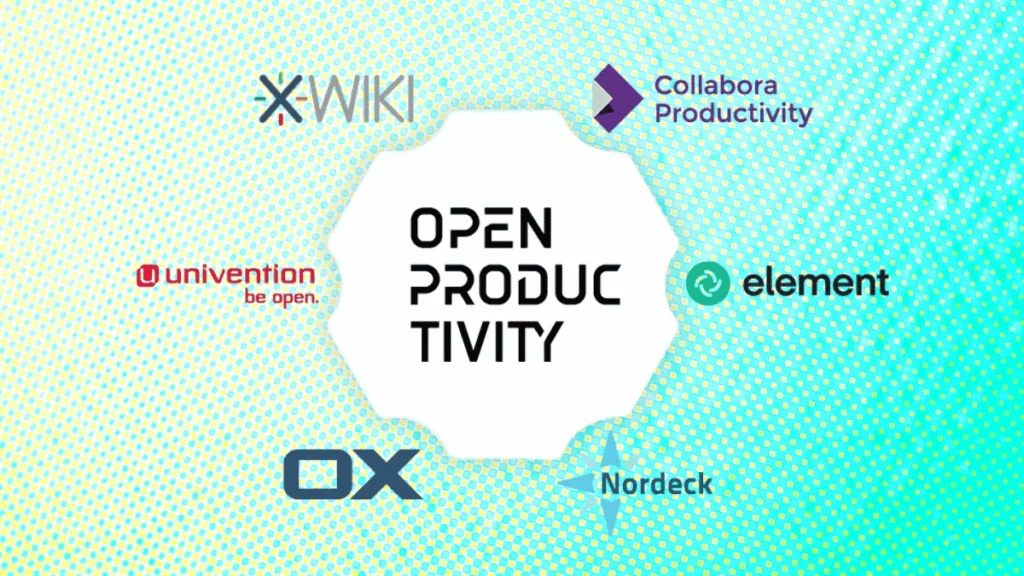
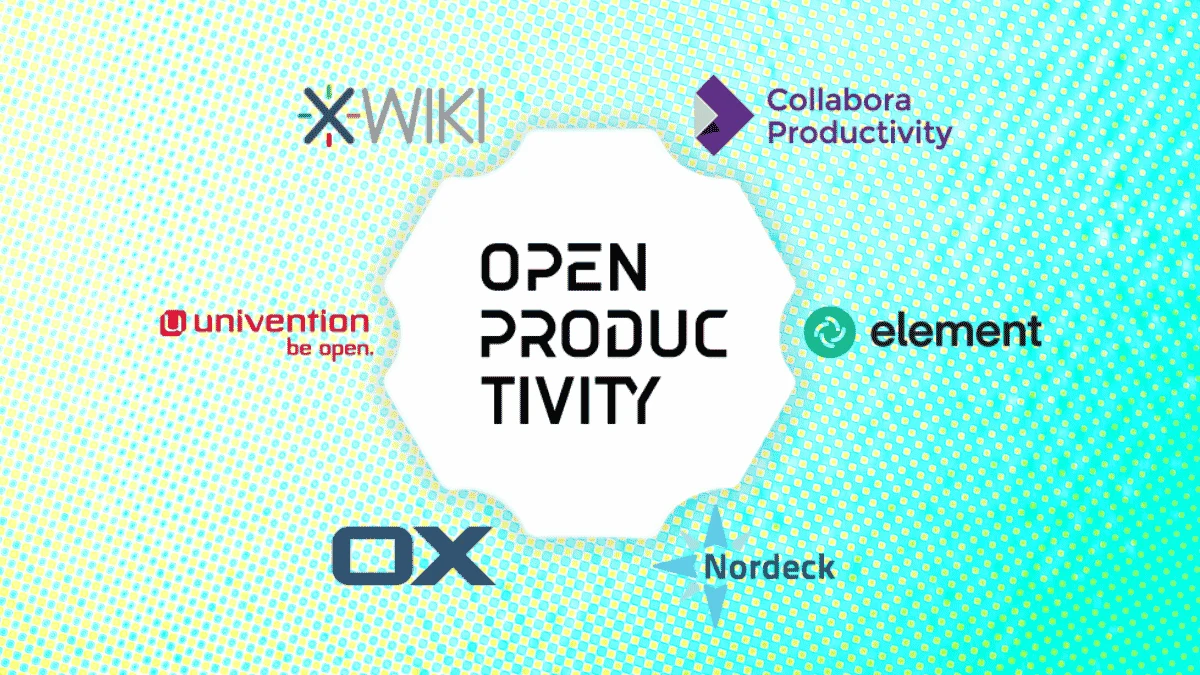
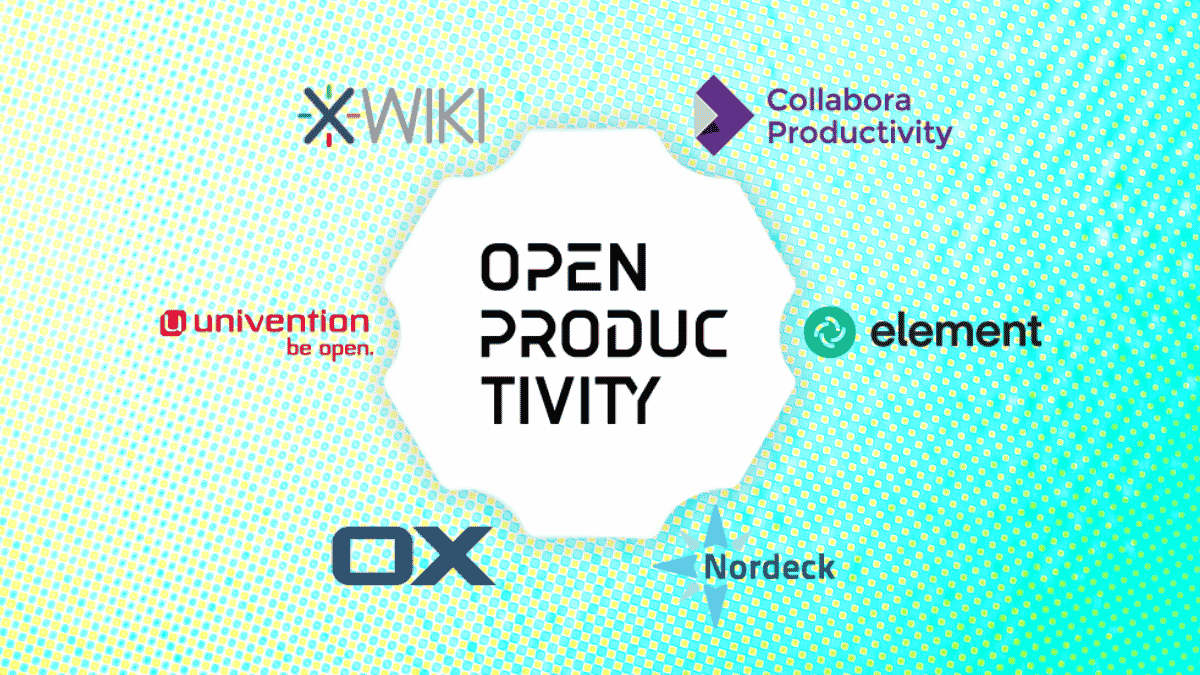
The consortium behind Open Productivity Software GmbH reads like a "who’s who" of the European open-source landscape. Collabora Productivity, Element, Nordeck, Open-Xchange, Univention, and XWiki have formally aligned their interests to ensure that the openDesk ecosystem can compete on a global stage.
Leading the charge are two industry veterans appointed as managing directors: Dr. Gerald Pfeifer and Peter Ganten.
Dr. Pfeifer brings years of high-level leadership experience from SUSE, one of the most successful Linux enterprises in history. His expertise in navigating the complexities of enterprise-grade open-source adoption is expected to be a cornerstone of the new company’s strategy. Joining him is Peter Ganten, the CEO of Univention, whose work in identity management and enterprise infrastructure is well-regarded in the European tech community. Together, they are tasked with scaling the reach of openDesk beyond its current foothold in German public administration.
Chronology: From ZenDiS to Global Ambition
To understand the significance of Open Productivity Software GmbH, one must look at the recent history of the openDesk project, which was spearheaded by the Center for Digital Sovereignty (ZenDiS).
- The Genesis: ZenDiS was established by the German government to reduce dependence on proprietary software providers in the public sector. The objective was to create a modular, open-source suite that could replace the functionality of suites like Microsoft 365.
- The Development Phase: Over the past few years, the project coalesced around the openDesk brand, integrating various specialized tools into a cohesive user experience.
- The Partner Program: Realizing that public sector deployment was only the first step, ZenDiS launched a private-sector partner program last month. This initiative was designed to invite systems integrators and distributors to help bring the suite to commercial clients.
- The Current Milestone: The launch of Open Productivity Software GmbH acts as the commercial engine for this vision. By creating a dedicated firm, the founding vendors have moved from a loose collaboration to a formal business structure, capable of signing contracts, managing liability, and providing a "single throat to choke" for enterprise clients—a necessity for large-scale IT procurement.
What is Inside the openDesk Ecosystem?
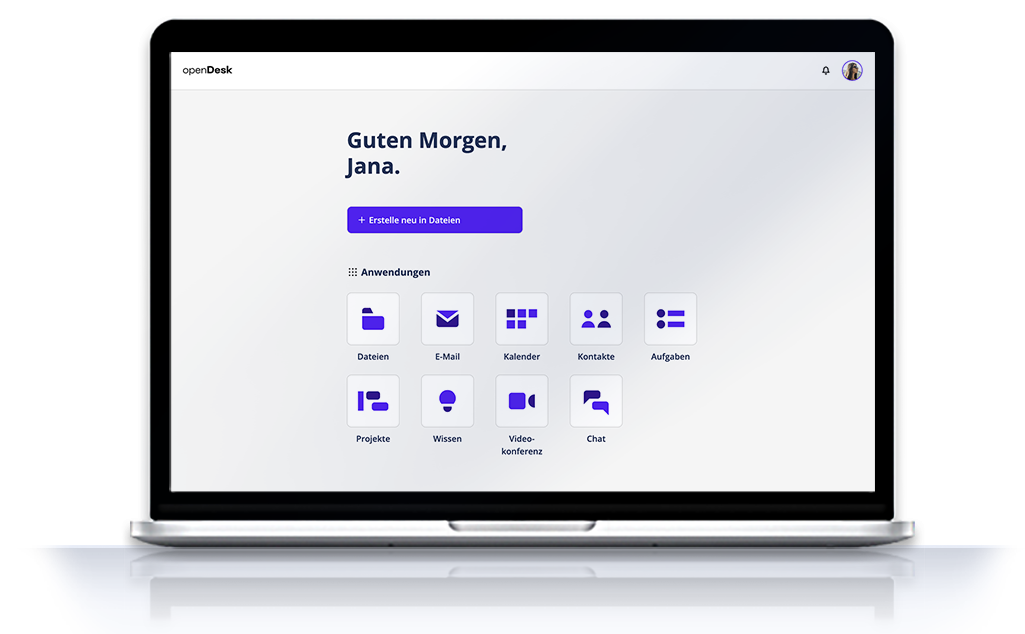
The strength of openDesk lies in its "best-of-breed" architecture. Rather than building a monolithic application, the project integrates mature, high-performance open-source tools, each handling a specific productivity function.
The suite includes:

- Collabora Online: A powerful office suite based on LibreOffice technology, allowing for real-time document editing in a web browser.
- Element: Providing secure, decentralized communication via the Matrix protocol, replacing platforms like Slack or Microsoft Teams.
- Nordeck: Offering specialized tools for document management and workflow automation.
- Open-Xchange: Handling email and calendaring infrastructure, long a staple of professional communication.
- Univention: Serving as the backbone for identity management and user administration.
- XWiki: A flexible platform for knowledge management and collaborative documentation.
Additionally, the ecosystem integrates Nextcloud for file storage and sharing, and OpenProject for comprehensive project planning and management. By tethering these services together, the suite offers a familiar user experience while maintaining the modularity and data ownership that proprietary SaaS solutions lack.
The Strategic Imperative: Challenging the Big Two
The explicit goal of Open Productivity Software GmbH is to provide a viable alternative to Microsoft 365 and Google Workspace. For decades, these two providers have held a duopoly over the enterprise productivity market. While they offer convenience, they also present significant risks regarding data sovereignty, vendor lock-in, and unpredictable pricing models.
The "sovereignty" argument is gaining traction in Europe. Enterprises are increasingly concerned about where their data is hosted, who has access to it, and the legal implications of the CLOUD Act. openDesk offers a solution where the customer retains control. Whether hosted on-premises or via a trusted private cloud, the user is never beholden to the data-mining practices of multinational advertising giants.
The Partner Model: A One-Stop Shop
A major hurdle for open-source adoption in the enterprise has historically been the lack of unified support. If a business needs help, they don’t want to call six different vendors to troubleshoot an issue between their email and their project management software.
The new partner model solves this by ensuring that customers deal with a single, dedicated point of contact. This contact is responsible for:
- Consulting: Assessing current IT infrastructure and mapping the migration path to openDesk.
- Migration: Moving data from legacy proprietary systems to the openDesk environment.
- Operations: Providing ongoing maintenance, security updates, and day-to-day troubleshooting.
Three launch partners have already committed to this model:
- Adfinis: A Swiss-based open-source specialist known for its robust managed services.
- msg group: An industry-leading consultancy with deep expertise in supporting critical infrastructure operators.
- Smile: A French powerhouse in open-source integration, bringing significant scale to the project.
Official Responses and Industry Outlook
During the launch, Pamela Krosta-Hartl, Managing Director of ZenDiS, expressed strong support for the move. She highlighted that the creation of the company is a natural evolution for the project. "We welcome the initiative of several openDesk vendors to support openDesk’s path into the enterprise market through Open Productivity," she stated. "Open Productivity enables the distributors and systems integrators that ZenDiS is now addressing with its new partner program."
This endorsement from ZenDiS is vital. It signals that the government-backed initiative and the private-sector commercial venture are working in lockstep, ensuring that the software remains compliant with the standards required by public administration while being flexible enough for private corporations.

Implications: The Future of European IT
The success of Open Productivity Software GmbH will be a litmus test for the "European Way" of doing software. If the company can successfully demonstrate that a modular, open-source suite can perform as reliably as a monolithic proprietary product, it could trigger a mass migration of European enterprises toward sovereign alternatives.
However, challenges remain. User adoption is the highest hurdle; employees accustomed to the UI/UX of Microsoft Office may be resistant to change, regardless of the privacy benefits. Furthermore, the ability to maintain feature parity with the rapid release cycles of Google and Microsoft will require significant ongoing investment and developer coordination.
Nevertheless, the founding of this company marks a turning point. It is no longer just about developers building cool tools; it is about mature, professional organizations building a sustainable, commercial ecosystem. As data privacy regulations (such as GDPR and the upcoming Data Act) continue to tighten, the value proposition offered by openDesk—control, transparency, and independence—will likely become an increasingly attractive asset for businesses operating in the global market.
By centralizing the commercial strategy, Open Productivity Software GmbH is effectively turning a collection of disparate tools into a unified product, ready to take on the giants. Whether they can achieve widespread adoption remains to be seen, but the foundation for a sovereign European office suite has never been more solid.