FOSS Weekly Dispatch: Navigating the Shifting Landscapes of Open Source
The open-source ecosystem is currently experiencing a period of intense turbulence and rapid evolution. From the hardware-level integration of Linux on emerging mobile processors to the contentious pivot of enterprise-grade container management tools, the community finds itself at a crossroads. This week’s dispatch covers the critical developments shaping the future of Linux, the challenges of AI integration, and the evolving dynamics between independent developers and corporate interests.
1. Hardware Advancements: The Snapdragon X2 Developer Preview
The quest for true, high-performance Linux on ARM-based hardware has taken a significant leap forward. Qualcomm has officially released an early developer preview of Linux support for the Snapdragon X2 processor, utilizing Debian 13 as the designated reference environment.
Chronology of Development
- Initial ARM Efforts: For years, the Linux community has struggled with fragmented driver support for Qualcomm’s mobile-centric silicon.
- The X2 Initiative: With the X2 preview, Qualcomm is signaling a departure from the "black box" approach, providing the necessary kernel patches and firmware support to ensure that developers can begin porting and testing desktop environments on the new chipset.
- Debian 13 Standard: By choosing Debian 13 as the reference, Qualcomm ensures that the platform is tested against a stable, community-driven base, which is likely to encourage wider adoption among distro maintainers.
Technical Implications
This shift is critical for the laptop market. If the Snapdragon X2 achieves parity with standard x86_64 architectures in terms of driver stability and power management, it could break the long-standing duopoly of Intel and AMD in the Linux laptop space, offering users a high-efficiency alternative for mobile computing.
2. Desktop Environment Shifts: PeppermintOS and the Xorg/Wayland Divide
While many distributions are racing to transition to Wayland, PeppermintOS has made a calculated decision to buck the trend. The team has announced a transition from Xorg to XLibre for its upcoming Debian and Devuan-based ISOs.

Why XLibre?
The maintainers have explicitly stated that there are no plans to migrate to Wayland in the foreseeable future. This decision highlights a growing divide in the Linux community: while Wayland offers modern security and display protocols, it often lacks the robust, legacy compatibility that many long-term users—and specific niche distributions—require. By adopting XLibre, PeppermintOS aims to maintain a stable, predictable graphical stack that avoids the complexities of Wayland’s compositor requirements.
3. The AI Integration Tug-of-War: Mozilla, Mistral, and OpenKylin
The intersection of Artificial Intelligence and the desktop experience has become the new frontline for browser and OS developers.

The Mozilla-Mistral Partnership
In a move aimed at balancing the dominance of Big Tech in the browser market, Mozilla has partnered with the European AI laboratory Mistral to integrate "Mistral Small 4" into the Firefox Smart Window. This replaces the previously integrated OpenAI model. The strategic intent here is clear: Mozilla and Mistral are positioning themselves as an independent alternative to the Silicon Valley-centric AI model, emphasizing data privacy and European regulatory alignment as key selling points.
OpenKylin’s AI-First Desktop
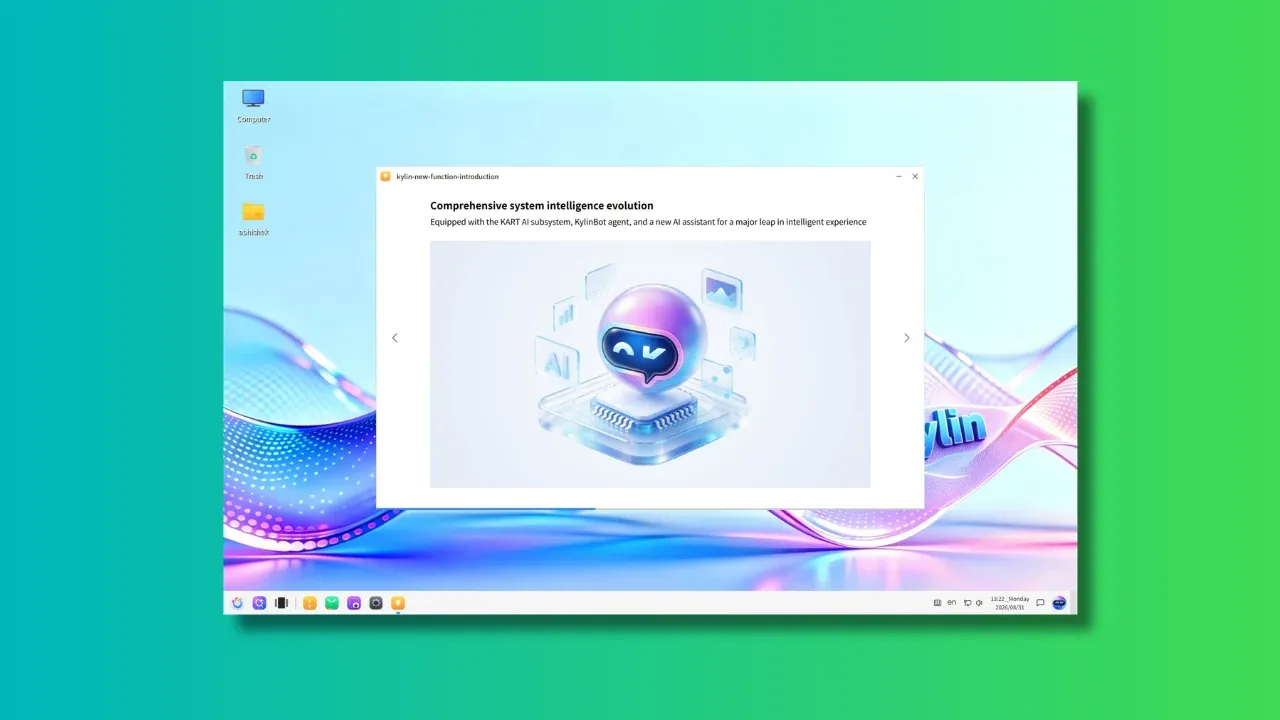
On the operating system level, OpenKylin 3.0 has launched with an "AI-first" philosophy. The system now includes built-in AI agents capable of modifying system settings and performing administrative tasks. This marks a radical shift in how users interact with their machines, moving from manual terminal commands to natural language system management.

4. Industry Pivots: The Portainer Community Edition Freeze
Not all news this week is additive. Portainer, the widely used container management platform, has introduced a significant change to its licensing model that has sent ripples through the DevOps community.
The Breakdown
- The Freeze: The Community Edition (CE) will be locked at version 2.x. While it will continue to receive security patches and minor backports, it will not receive new features.
- The Closed Source Shift: Portainer 3.0, which focuses heavily on Kubernetes, will be released as a closed-source product.
Implications for the Community
This move is a classic example of "open core" monetization. For individual developers and small-scale homelabs, the 2.x series remains a viable option. However, for organizations that rely on the latest container orchestration features, the move to 3.0 creates a forced decision: pay for the proprietary version or migrate to an entirely open-source alternative.

5. Security and Privacy: Signal and GrapheneOS
Privacy remains the bedrock of the FOSS movement, and this week saw two major updates regarding user identity and security.
Signal’s Numberless Registration
After years of community pressure, Signal is finally testing a registration system that does not require a phone number. This has been the most requested feature in the app’s history, as the reliance on phone numbers has historically served as a potential point of metadata leakage.

The GrapheneOS-Google Dispute
GrapheneOS has publicly confronted Google over the delayed release of Android 17 QPR1 security patches to non-Pixel OEMs. GrapheneOS argues that by holding back these critical updates until December, Google is intentionally creating a "security gap" for users of non-Pixel devices, effectively using security as a competitive moat.
6. The Human Cost of Open Source: The PS5 Linux Project
Perhaps the most sobering news of the week concerns the PS5 Linux project. Andy Nguyen, the project lead, has stepped down following a frustrating incident involving a hypervisor exploit.
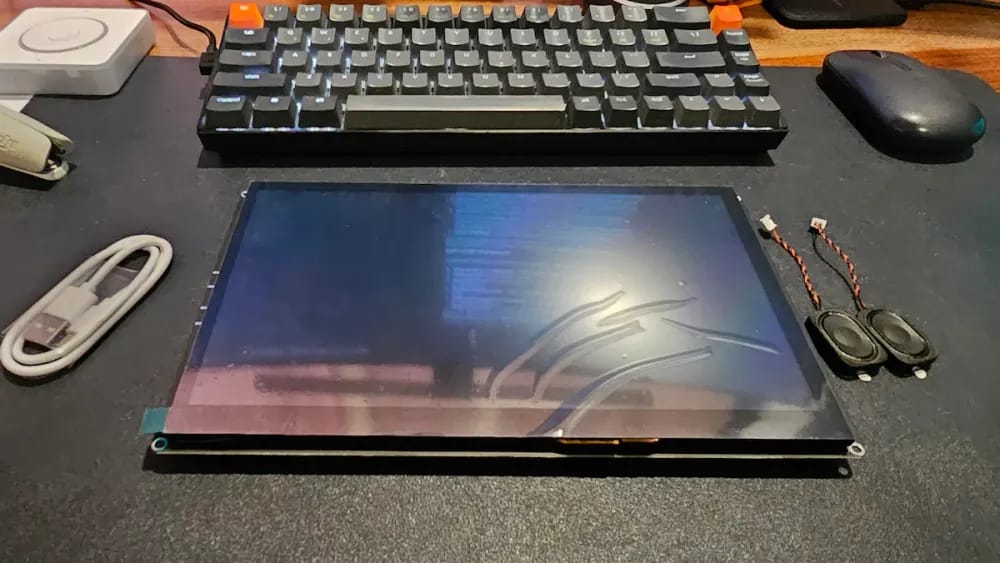
Nguyen had been sitting on a critical vulnerability, intending to use it to further the development of Linux on the PlayStation 5. However, the exploit was reported to Sony’s bug bounty program by an external party—reportedly aided by AI-driven automated bug discovery tools—before Nguyen was ready to disclose it responsibly. This incident highlights the growing tension between the "responsible disclosure" ethics of the open-source community and the "bounty-hunting" culture of automated vulnerability research.
7. Tutorials and Community Projects
While the news cycle remains intense, the community continues to produce tools and educational resources.

System Troubleshooting with Systemd
New users often find systemd intimidating. However, as noted in recent tutorials, it remains the most powerful diagnostic tool on a modern Linux system. Tools such as journalctl and systemd-analyze allow users to move from "guessing" to "investigating," providing clear logs that help identify the root causes of boot delays or service failures.
The Rise of "Tuxdle"
On the lighter side, the community has embraced Tuxdle, a daily word-puzzle game based on Linux terminology. It serves as a reminder that the FOSS community is as much about culture and shared identity as it is about kernel patches and container management.
8. Looking Ahead: The Existential Challenge
As stated by the It’s FOSS editorial team, the desktop Linux community is currently facing an existential threat from AI models that scrape and synthesize community-generated content without attribution or support for the original creators.
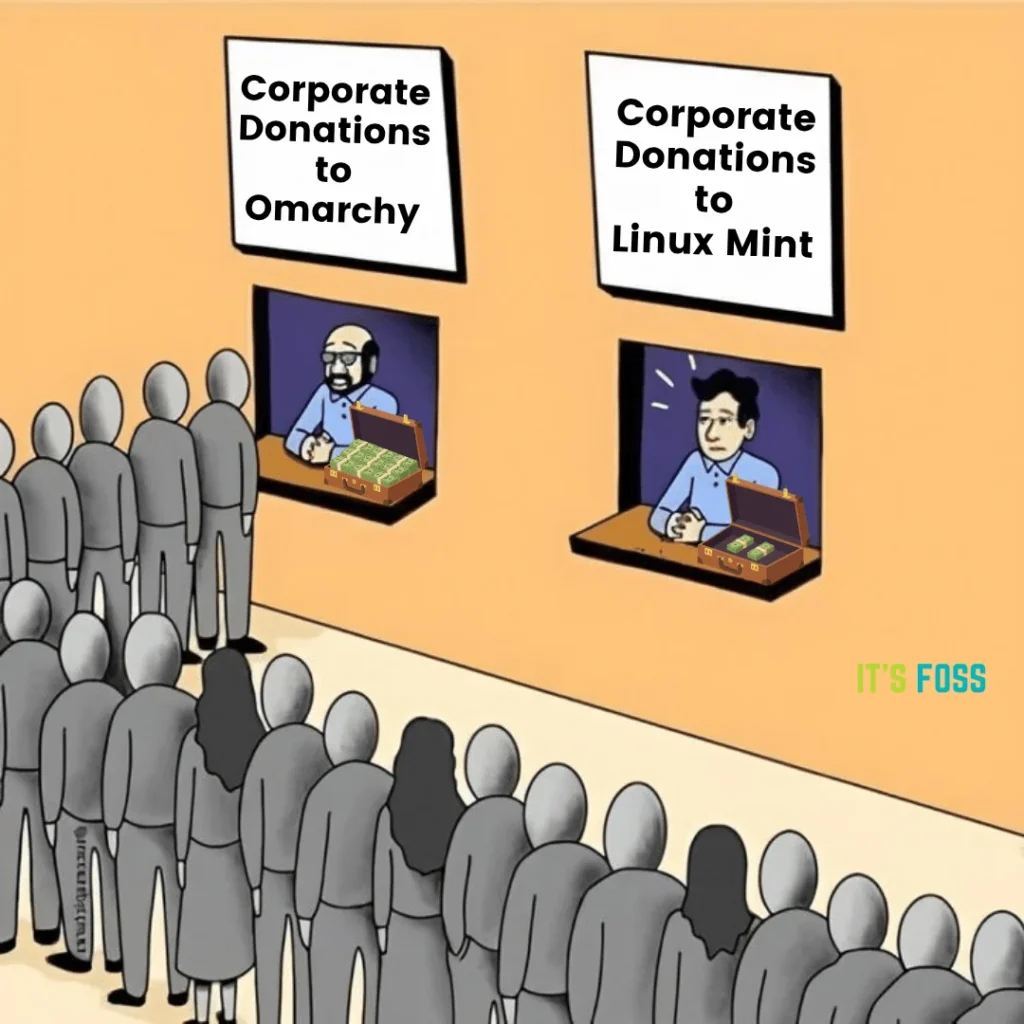
The industry at large continues to neglect the desktop Linux space, yet the community remains the driving force behind its survival. Whether through supporting independent projects like Linux Mint, or participating in the development of new drivers for hardware like the Snapdragon X2, the role of the individual user has never been more critical. As we navigate the coming months, the priority for the FOSS community must remain clear: maintain independence, foster transparency, and ensure that the tools of the future are built for the users, not just for the shareholders.