The CSS Frontier: A Deep Dive into the Latest Web Platform Evolution (What’s !important #18)
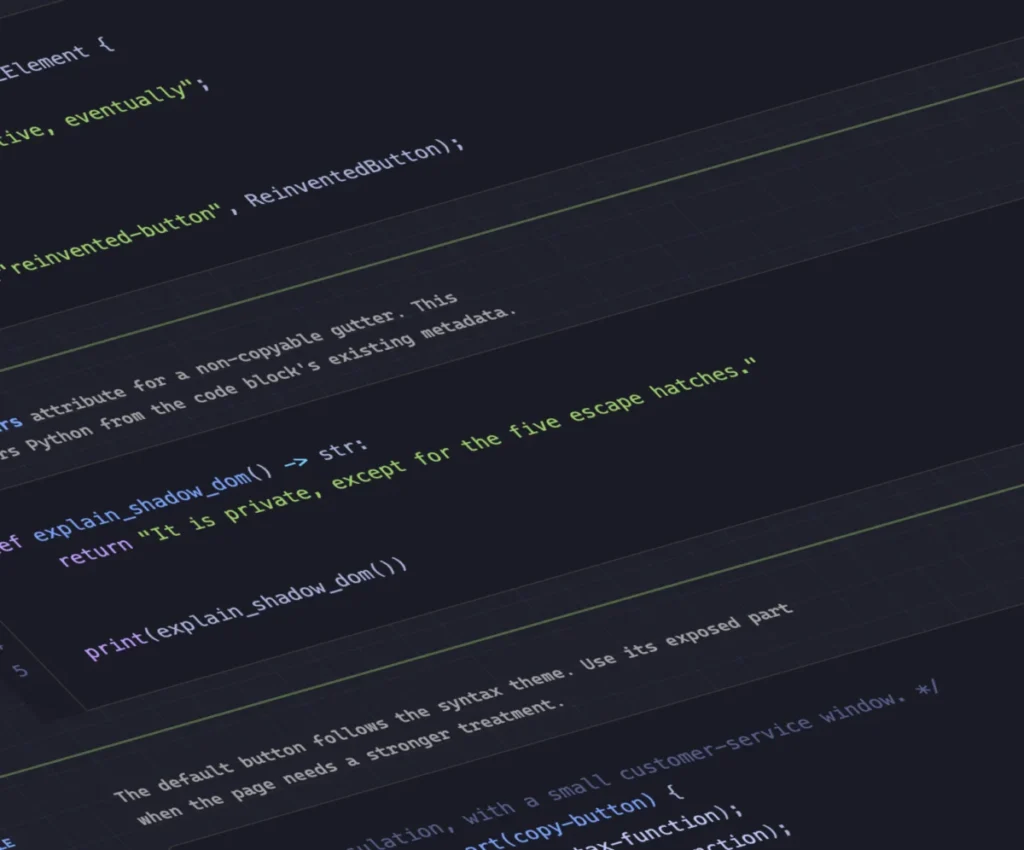
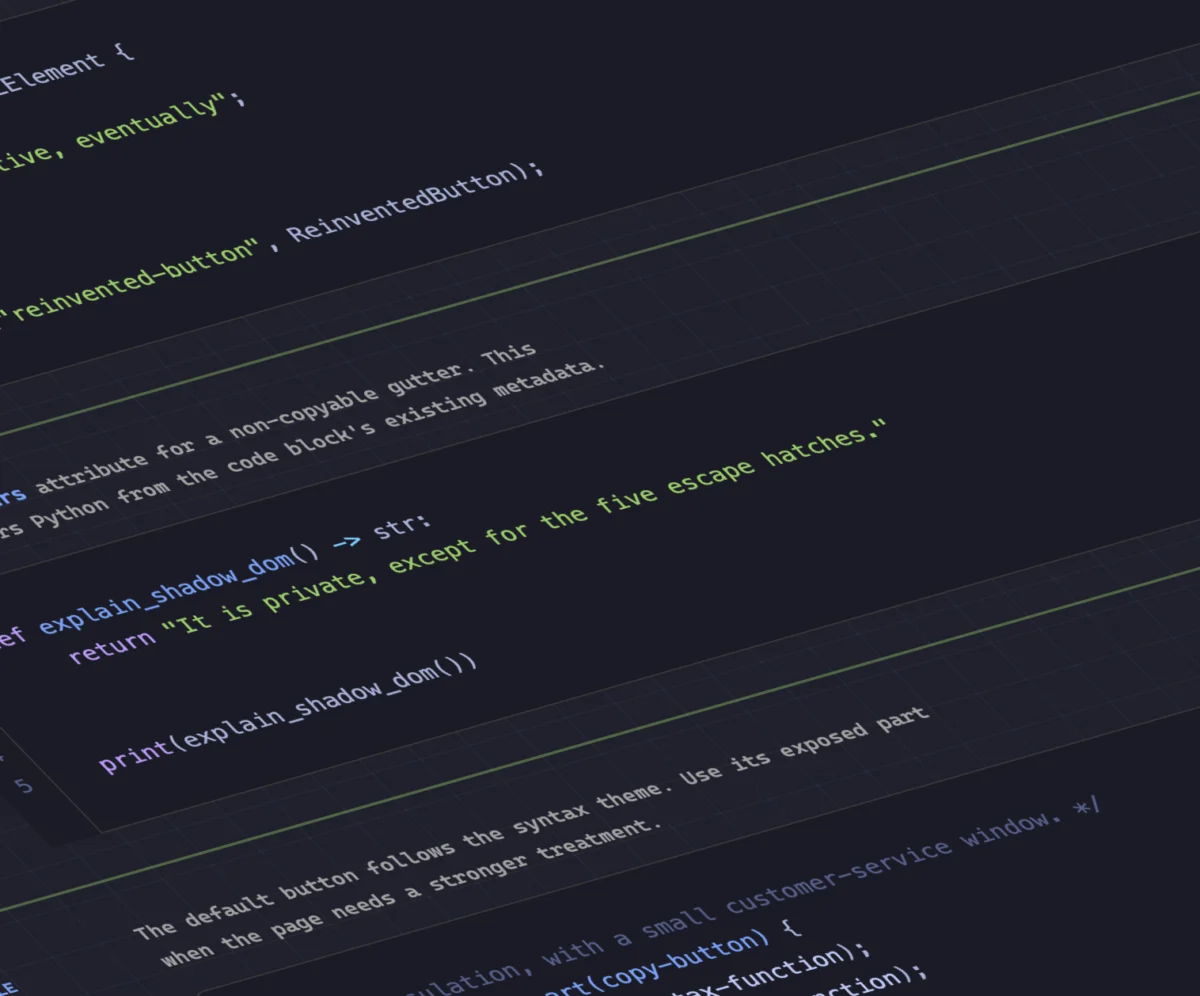
As the calendar turns toward the crisp days of autumn, the CSS ecosystem is experiencing a season of its own—one marked by rapid innovation, experimental API implementation, and a renewed focus on developer ergonomics. The eighteenth edition of What’s !important curates the most significant developments from the past fortnight, highlighting a landscape where the boundaries of what is possible with browser-native code are being pushed further than ever before.
From advanced tooltip management to the experimental "class prefix selector," this report outlines how modern CSS is evolving to meet the demands of complex, high-performance web applications.
Main Facts: The New Wave of CSS Ergonomics
The primary narrative defining this period is the move toward "intelligent" CSS. Developers are no longer satisfied with simple styling; they are seeking browser-native solutions for complex UX patterns that previously required heavy JavaScript overhead.
Key developments include:
- The "Interest Invoker" Paradigm: Moving away from manual
setTimeoutlogic for tooltips. - The
<geolocation>Element: A standardized approach to permission handling and location services. - Custom Highlight API: Shifting syntax highlighting from DOM-heavy spans to browser-native rendering.
- CSS Grid Introspection: Bridging the gap between layout structure and custom properties.
These updates signal a shift where browsers are increasingly acting as full-featured application platforms rather than mere document renderers.
Chronology of Developments
The past few weeks have seen a rapid succession of proposals, implementations, and deep-dive analyses from industry leaders.
Early August: The UX of Interaction
The cycle began with a focus on UI polish. Abhishek Jakhar opened the conversation by dissecting the "delayed-then-instant" tooltip pattern. The logic is elegant: a small delay prevents accidental triggers, but once a user has engaged, subsequent tooltips should appear instantly. Jakhar’s work provided the blueprint for this implementation, though it sparked a secondary debate regarding the size of hit-targets.
Mid-August: Native Integration and Performance
Following Jakhar, Chris Coyier pivoted the discussion toward the future of web standards, introducing "interest invokers." By utilizing the new interest-delay-start and interest-delay-end CSS properties, developers can offload tooltip lifecycle management to the browser engine. While currently limited to Chrome, this represents the standard for future progressive enhancement.
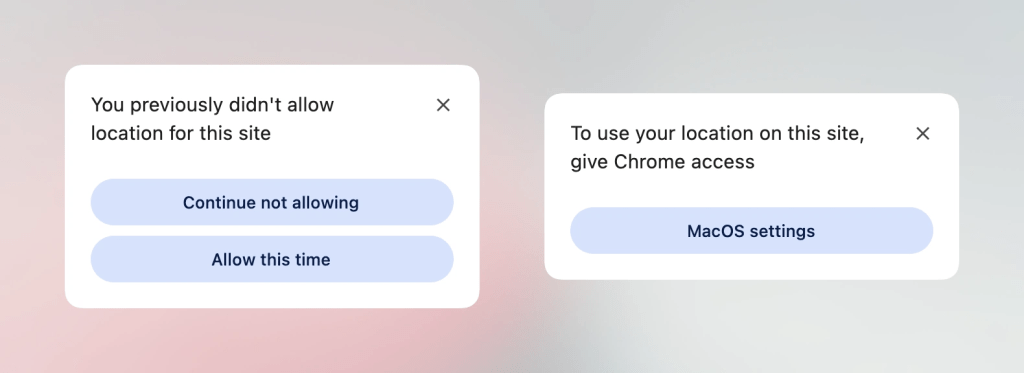
Simultaneously, the conversation shifted to the <geolocation> element. As explained by the team at Piccalilli, this element attempts to solve the "permission fatigue" associated with the Geolocation API. By standardizing the interaction, it offers a more predictable user experience, though it introduces specific styling restrictions that developers must account for when building custom UI shells.
Late August: Advanced Logic and Future Syntax
The latter half of the month saw a flurry of technical breakthroughs:
- August 18: Bramus articulated the case for "tri-state" dark mode toggles, challenging the industry-standard two-state approach.
- August 20: The introduction of the "class prefix selector" (
.something-*) by Bramus, which aims to simplify CSS targeting without the performance overhead of attribute selectors. - August 27: The unveiling of
@supports named-feature(), a powerful new way to query browser support for granular, previously "undetectable" features.
Supporting Data: Why These Changes Matter
The move toward these native features is not merely aesthetic; it is a response to the "JavaScript bloat" that has plagued web performance for the last decade.
The Cost of Old Methods
Historically, developers relied on attribute selectors like [class^="something-"] to perform bulk styling. These selectors are notoriously heavy for browser engines to parse, especially on large, complex DOM trees. The proposed class prefix selector is designed to be parsed with significantly higher efficiency, potentially reducing the "Recalculate Style" time in the browser’s critical rendering path.
The Power of ::highlight()
The MicroLighter project by Dave Rupert serves as a benchmark for the power of the Custom Highlight API. Traditional syntax highlighters often wrap every keyword in a <span>, causing the DOM size to explode. By using ::highlight(), MicroLighter applies styling to text ranges without modifying the underlying DOM structure, leading to faster render times and significantly lower memory usage.
Official Responses and Industry Perspectives
The community reaction to these updates has been largely positive, though balanced with the standard caution regarding cross-browser compatibility.
On Dark Mode: The State Debate
Lea Verou and Bramus have engaged in a healthy technical discourse regarding dark mode UX. Verou argues for a simple two-state toggle, while Bramus makes a compelling case for a tri-state model (Light, Dark, and System Default). Industry consensus appears to be leaning toward the "auto-until-overridden" approach, which respects system preferences while allowing for persistent user manual intervention.
On Tooltips: Interest Invokers
There is broad agreement that the current mouseenter/mouseleave paradigm is flawed. The official response from the CSS community is that interest invokers are the "holy grail" for accessibility, as they force developers to move away from custom JS-driven event listeners toward a native, declarative state machine.
Implications for Web Development
The implications of these changes are profound, touching upon three major areas:
1. The Death of Boilerplate
As browsers adopt more high-level features—like flex-wrap: balance—the need for "helper" JavaScript libraries will diminish. This will lead to leaner codebases and faster time-to-interactive (TTI) metrics for end users.
2. The Rise of Progressive Enhancement
The current release cycle—marked by Chrome-first implementations—reaffirms the importance of progressive enhancement. Developers are encouraged to use these new features as "enhancements" rather than foundations. The work done on the Geolocation API proves that we can wrap modern, experimental elements in legacy code, ensuring that applications remain functional on older browsers while providing a premium experience on modern ones.
3. Grid Introspection
Perhaps the most "under-the-hood" exciting development is Temani Afif’s demonstration of passing CSS grid information into custom properties. By exposing grid coordinates (x/y indexes) to variables, we are entering an era where layout information can be used to drive logic. Imagine a grid where an item’s position automatically triggers a specific hover effect or animation based on its index—this is no longer hypothetical; it is now a standard practice.
Conclusion: Looking Ahead
The rapid fire of updates in August 2026 confirms that the web platform is not stagnant. We are moving toward a future where the browser does more of the "heavy lifting," from syntax highlighting to complex layout calculations and permission management.
For the modern developer, the takeaway is clear: stay curious and stay modular. As we head into the autumn, these new tools—from flex-wrap: balance to the named-feature() function—offer a chance to prune legacy workarounds and replace them with native, performant solutions.
The web is evolving. Whether it is the subtle elegance of a perfectly delayed tooltip or the high-performance rendering of a syntax-highlighted block, the tools at our disposal have never been more powerful. It is time to experiment, integrate, and build a better, faster web for everyone.