Itch.io’s Evolution: A Deep Dive into the Latest Platform Overhaul
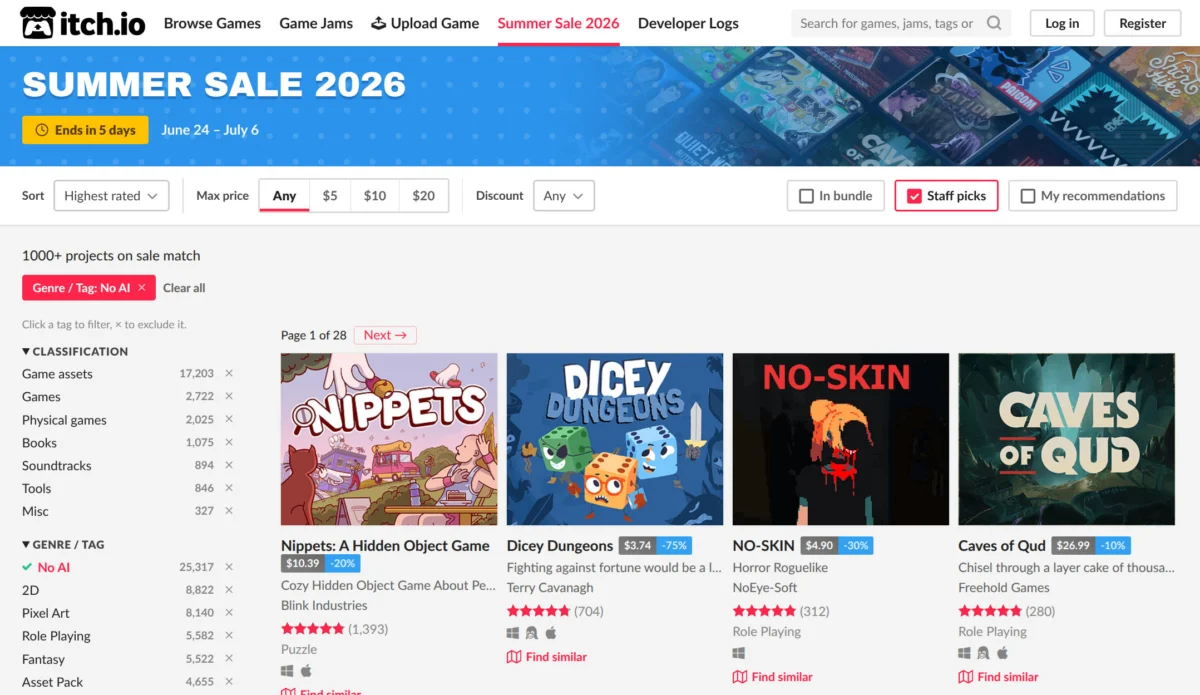
The digital landscape for independent game development is constantly shifting, and itch.io—long considered the heartbeat of the indie gaming scene—has recently deployed a series of significant updates designed to streamline developer workflows and enhance the user experience for millions of players. From the introduction of a sophisticated "Sale Explorer" to a total reconstruction of its decade-old bundle hosting system, the platform continues to iterate on its core mission: empowering creators while simplifying discovery for players.
In a comprehensive changelog released this month, the itch.io team detailed several high-impact features that promise to change how games are bought, sold, and organized. While some of these updates have been circulating in developer forums for several weeks, they are now fully integrated into the platform’s live infrastructure.
The Core Updates: A Chronological Overview
The recent deployment cycle at itch.io represents one of the most substantial technical overhauls for the platform in recent memory. To understand the trajectory of these changes, it is helpful to look at the timeline of their implementation:
- Early Development Phase: The itch.io team began by addressing long-standing technical debt regarding their Patreon API integration and the aging architecture of their bundle-hosting system.
- The Beta and Testing Period: Throughout the early summer, developers were invited to preview the new jam theme editor and the Patreon V2 API integration via the "Developer Updates" board, allowing for feedback loops that refined the final rollout.
- The Launch Phase: Coinciding with the highly anticipated Summer Sale, the platform unveiled the Sale Explorer. This tool was designed specifically to manage the influx of over 30,000 discounted projects, ensuring that the sheer volume of content didn’t overwhelm the user experience.
- Current Status: As of July, all systems are fully functional, with the team shifting their focus toward monitoring user feedback and iterating on the newly launched interface elements.
Detailed Analysis: Key Features and Functionality
The Sale Explorer: Navigating a Sea of Content
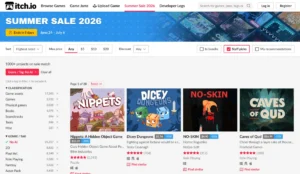
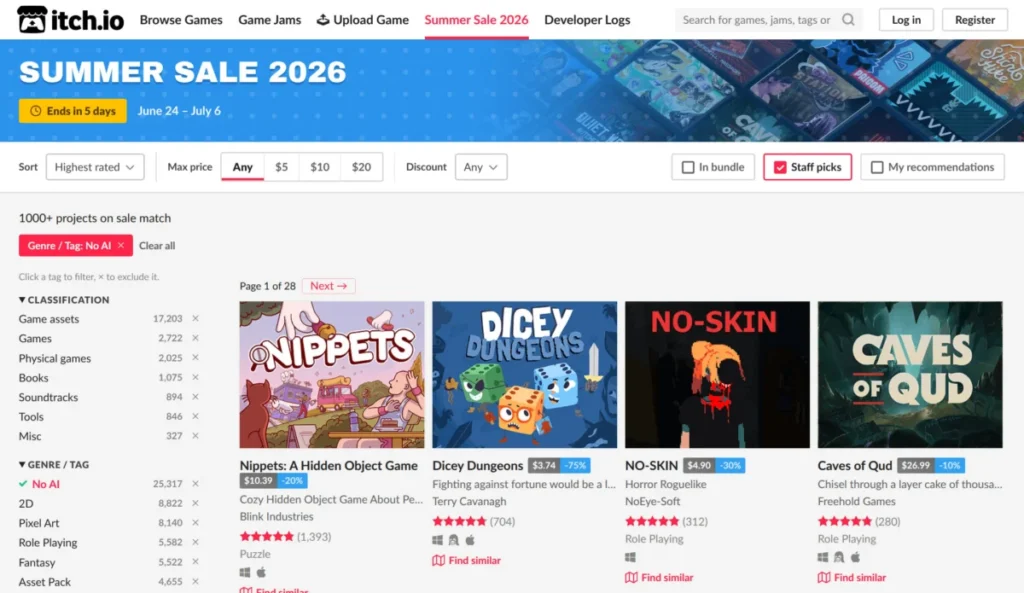
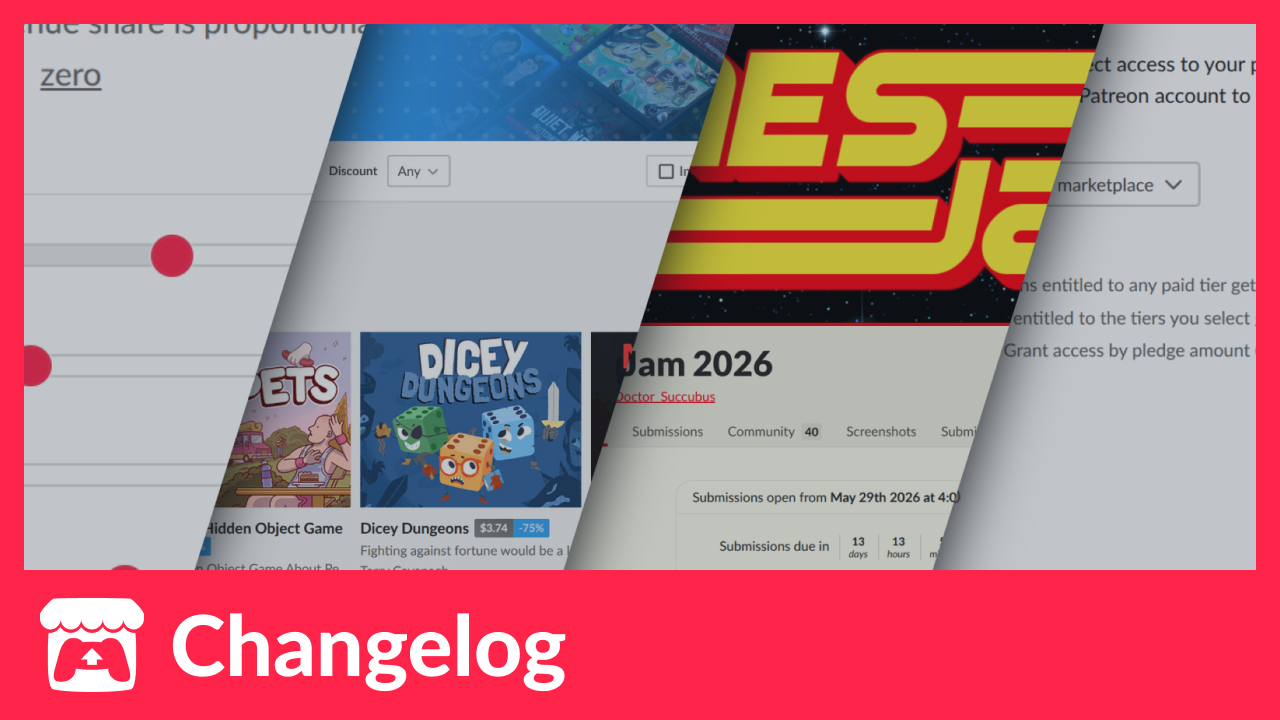
With over 30,000 projects currently participating in the seasonal sale, the challenge for itch.io was not just providing content, but providing curation. The newly launched Sale Explorer replaces the traditional, linear list of discounted items with a dynamic, filter-heavy browsing experience.
The tool allows users to drill down by genre, tags, and price points, effectively turning a chaotic digital storefront into a refined catalog. For developers, this means their projects are less likely to be buried in the "infinite scroll" of the main sales page. By surfacing games based on specific criteria, the Sale Explorer creates a more equitable visibility model for smaller, niche titles that might otherwise be eclipsed by major indie hits.
Rebuilding the Bundle Hosting Infrastructure
For over ten years, itch.io has been the gold standard for charity bundles and community-driven game collections. However, the legacy system had become increasingly difficult to manage as bundles grew in scale and complexity. The recent overhaul addresses the technical bottlenecks that previously hindered large collaborative projects.
The new system simplifies the invitation and management process for bundle contributors. By decoupling the hosting logic from the older, rigid database structures, the team has enabled a more fluid experience for organizers. This is particularly vital for the "bundle culture" that has become a staple of the indie scene, where coordination between hundreds of developers is often required.
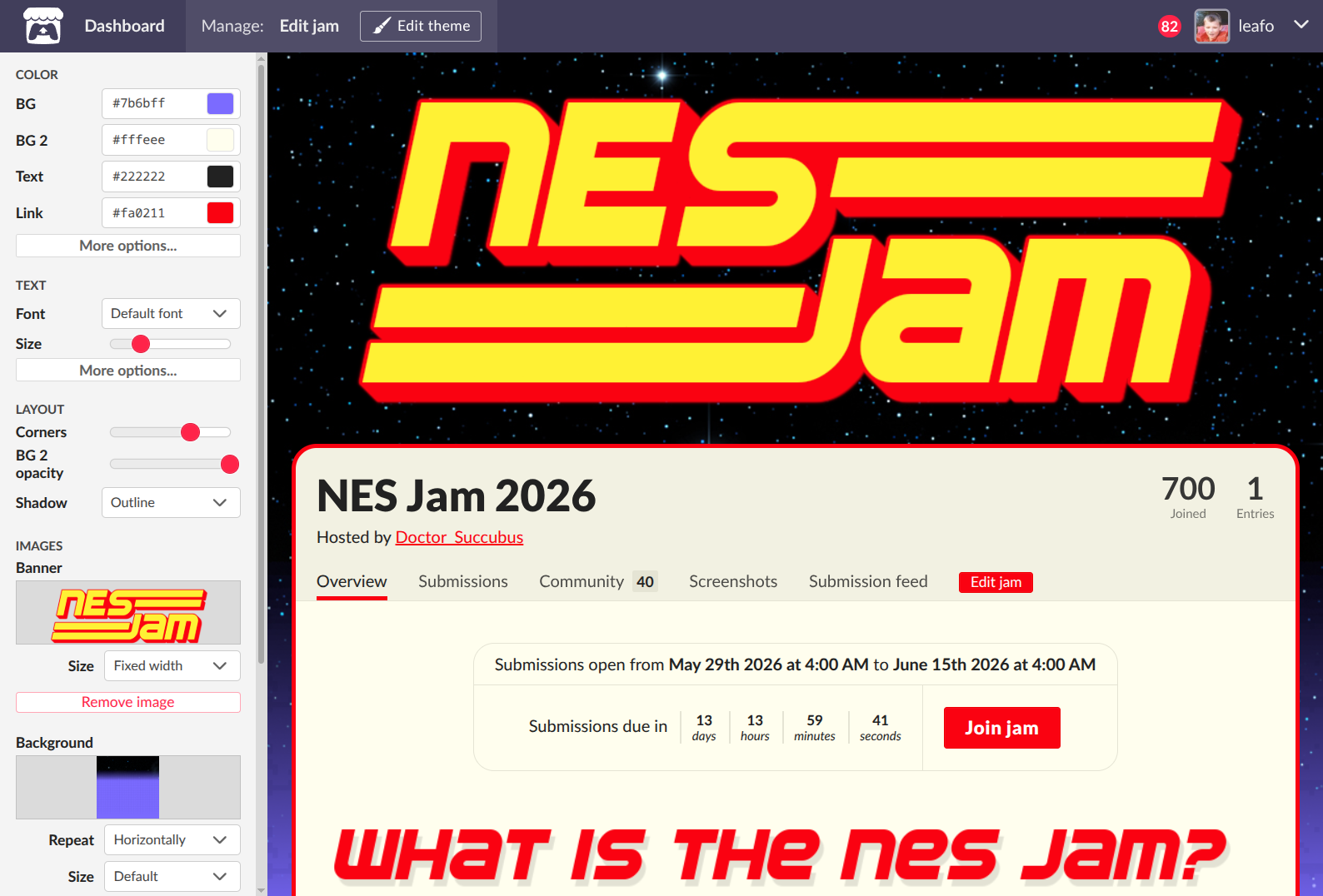
Modernizing the Jam Theme Editor
Game jams are a foundational element of the itch.io community. The platform’s previous theme editor for these events was becoming outdated, often requiring complex custom CSS workarounds to achieve modern aesthetics.
The new jam theme editor migrates these events to the same unified theme editor UI used across the broader site. This transition provides jam hosts with intuitive, drag-and-drop customization options while simultaneously preserving the ability for advanced users to inject custom CSS. By lowering the barrier to entry for aesthetic customization, itch.io is encouraging more developers to host high-quality, visually distinct game jams.
The Patreon Integration: Solving the V2 API Hurdle
Perhaps the most technically significant update is the migration to Patreon’s V2 API. Previously, itch.io’s Patreon integration relied on simple pledge amounts, which created significant friction for international creators and patrons dealing with fluctuating currency exchange rates.
The new, tier-based system solves these inconsistencies. By focusing on membership tiers rather than raw monetary values, the platform ensures that access to exclusive content is granted accurately, regardless of the user’s location or currency. This update provides creators with three distinct ways to grant access to projects, fostering a more reliable relationship between developers and their supporters.
Supporting Data and User Reception
The reception from the community has been largely positive, reflecting the importance of these tools to the daily lives of indie developers. User feedback on the platform’s forums has highlighted specific pain points that these updates have successfully addressed.
"The Sale Explorer makes browsing a sale with thousands of games actually manageable," noted one long-time user on the platform’s forums. "Being able to exclude specific genres and utilize the ‘find similar’ recommendations is a game-changer."
However, the update has also surfaced new requests. Some users have expressed a desire for more granular control over AI-generated content filters, suggesting that while the current search tools are robust, the community is eager for even finer-tuned discovery algorithms. The itch.io team has been active in these threads, acknowledging the feedback and signaling that further refinements are already in the pipeline.
Official Responses and Strategic Implications
The team behind itch.io, led by founder Leaf Corcoran, has maintained a transparent approach to these changes. In response to community requests for even more advanced features—such as revenue splitting per project—the team has expressed a willingness to tackle these complex problems in future updates.
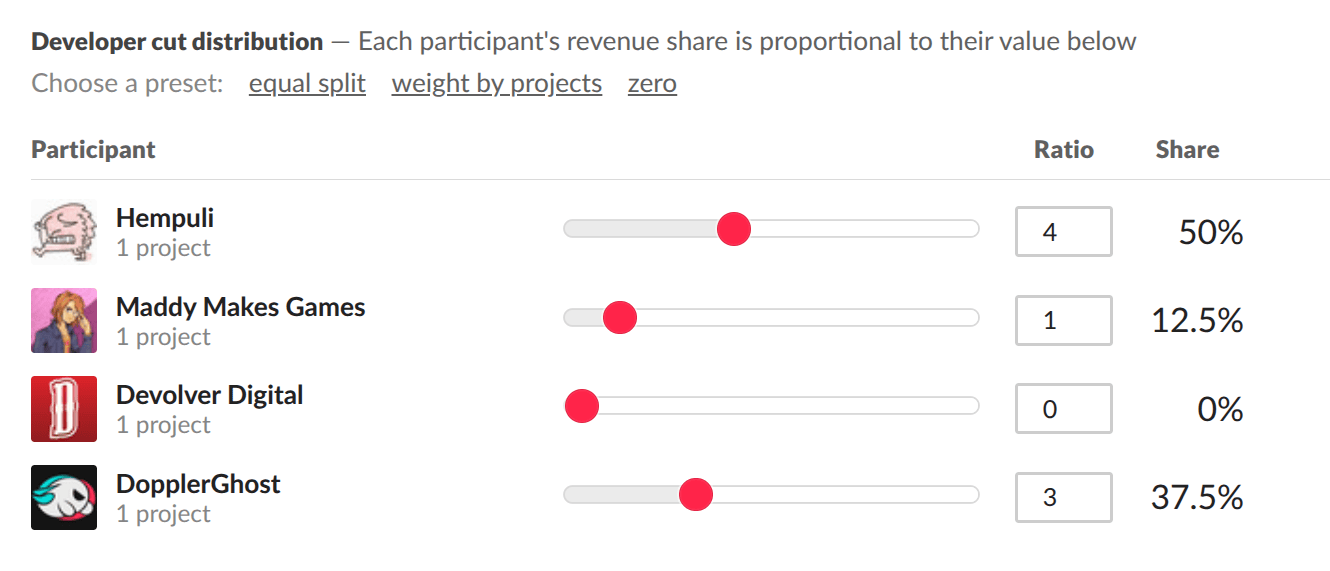
The implication of these changes is clear: itch.io is doubling down on its identity as a developer-first platform. By investing in tools that help creators manage their own sales, bundles, and crowdfunding, the platform is reinforcing the autonomy of the individual developer.
The move to the V2 Patreon API, in particular, signals a broader commitment to professionalizing the indie ecosystem. As the platform matures, it is moving away from a "bare-bones" hosting service toward a comprehensive suite of business tools. This transition is crucial for independent creators who rely on itch.io not just for distribution, but as their primary storefront and community hub.
Looking Ahead: The Future of the Platform
As itch.io continues to integrate these features, the focus will likely shift toward cross-pollination. The team has indicated that the enhancements developed for the Sale Explorer will likely be ported to the standard browse pages in the coming months. This will potentially transform the way users discover new content on the platform year-round, not just during seasonal events.
Moreover, the modular nature of the new jam theme editor suggests that the platform is moving toward a more standardized UI/UX framework. This will make it easier for the team to deploy new features across the entire site without breaking legacy pages or requiring significant redesigns for existing content.
For the independent gaming community, these updates represent more than just minor patches. They are a reflection of a platform that is listening to its user base and adapting to the realities of a modern, global market. By reducing the administrative burden on developers, itch.io is allowing them to focus on what they do best: creating, iterating, and building the future of gaming.
As the platform moves forward, the community will be watching closely to see how the team addresses remaining challenges, such as content moderation and advanced revenue management. But for now, the message from the itch.io team is one of continued growth, stability, and a steadfast dedication to the indie ethos. Whether you are a developer looking to launch your first game or a player searching for the next hidden gem, these updates ensure that itch.io remains the most vital corner of the internet for independent creative expression.