The Tabletop Renaissance: Navigating the Indie RPG Explosion
For decades, the tabletop role-playing game (TTRPG) landscape was dominated by a singular monolith, an industry titan that dictated the mechanics, cultural expectations, and accessibility of the hobby. However, the last decade has seen a seismic shift. We are currently living through a vibrant "indie renaissance," characterized by a proliferation of innovative game design, diverse narrative styles, and a democratization of publishing.
While this abundance is a boon for the hobby, it presents a daunting hurdle for newcomers: choice paralysis. With thousands of titles available on platforms like itch.io, identifying the right system for your table can feel like searching for a needle in a digital haystack. To help navigate this evolving landscape, we’ve curated a selection of standout indie titles that represent the best of current TTRPG design.
The Evolution of the Tabletop Space: A Brief Chronology
The history of TTRPGs can be viewed in three distinct phases.
The Foundational Era (1974–2000): The hobby began with wargaming roots, emphasizing tactical combat, attrition, and dungeon crawling. Rules were often dense, and the "Dungeon Master" acted as the sole arbiter of an increasingly complex set of technical laws.
The Consolidation Era (2000–2014): As the internet began to connect disparate gaming groups, the hobby became more centralized. The "d20" system became the standard language of play, creating a familiar ecosystem but one that arguably stifled mechanical experimentation.
The Renaissance Era (2015–Present): Driven by crowdfunding platforms, digital distribution, and a shift in player demographics, the current era prioritizes "rules-light" philosophy and narrative-first mechanics. Developers are now moving away from the "simulationist" model of play toward systems designed to emulate specific genres, moods, and stories. This shift has allowed for the rise of games like Lancer, Blades in the Dark, and Mörk Borg.
Mechanical Breakthroughs: Four Essential Titles
To understand why this renaissance matters, one must look at how modern designers are rethinking the relationship between the player, the dice, and the narrative.
Lancer: The Mechs and Mud Revolution
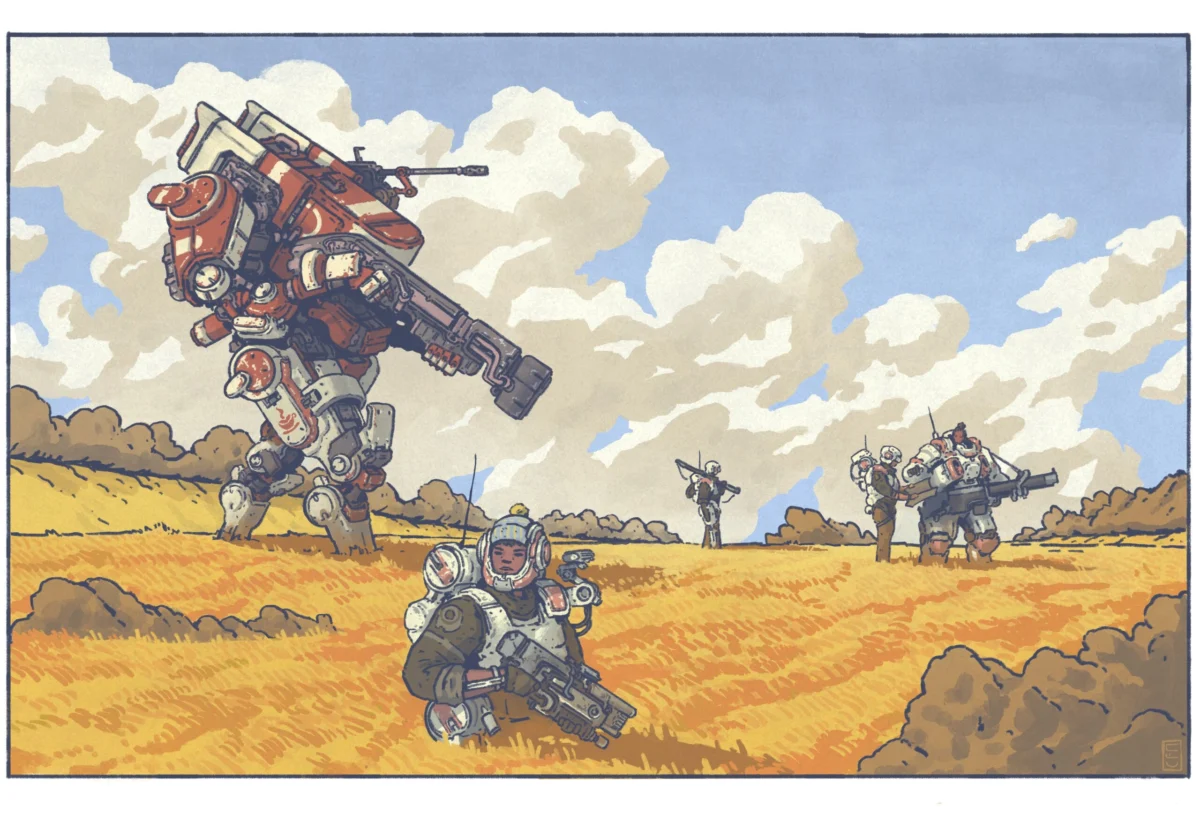
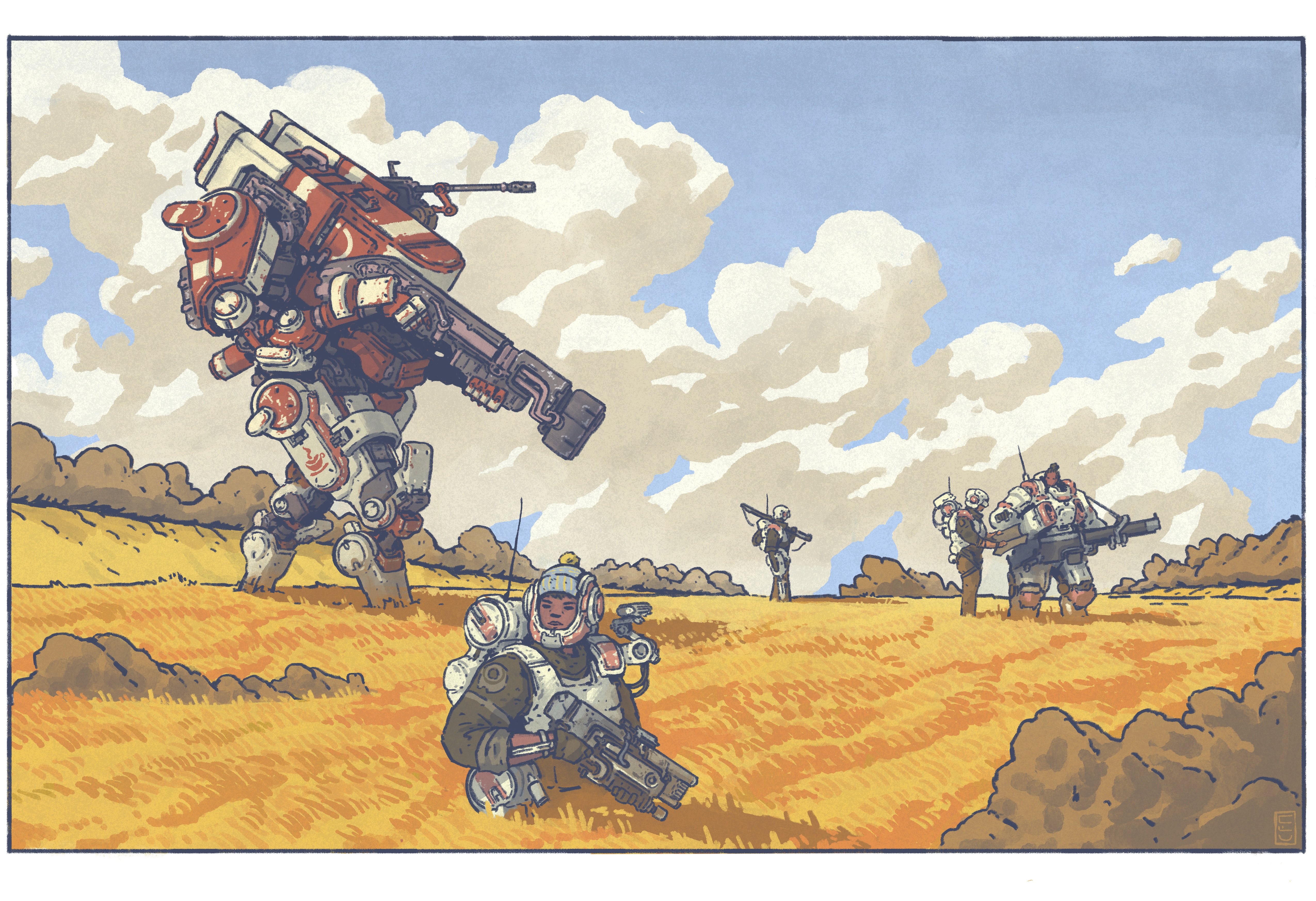
Lancer (Massif Press) represents the pinnacle of modern tactical design. Set in a distant, post-capitalist future, the game masterfully bifurcates the player experience. Narrative interactions—the "mud"—are handled through a sleek, fiction-first system that encourages roleplay without bogged-down mechanics. Conversely, the combat—the "mechs"—is a deep, crunch-heavy tactical experience that rewards system mastery.
This duality ensures that sessions maintain a consistent rhythm. Furthermore, the developers have pioneered a "live-service" approach to TTRPGs. With an integrated online character builder (COMP/CON), a steady stream of expansion modules, and a newly released introductory adventure, Lancer is arguably the best-supported tactical game on the market today. It proves that a game can be mechanically dense without being inaccessible.
Blades in the Dark: The Industrial Fantasy Masterpiece
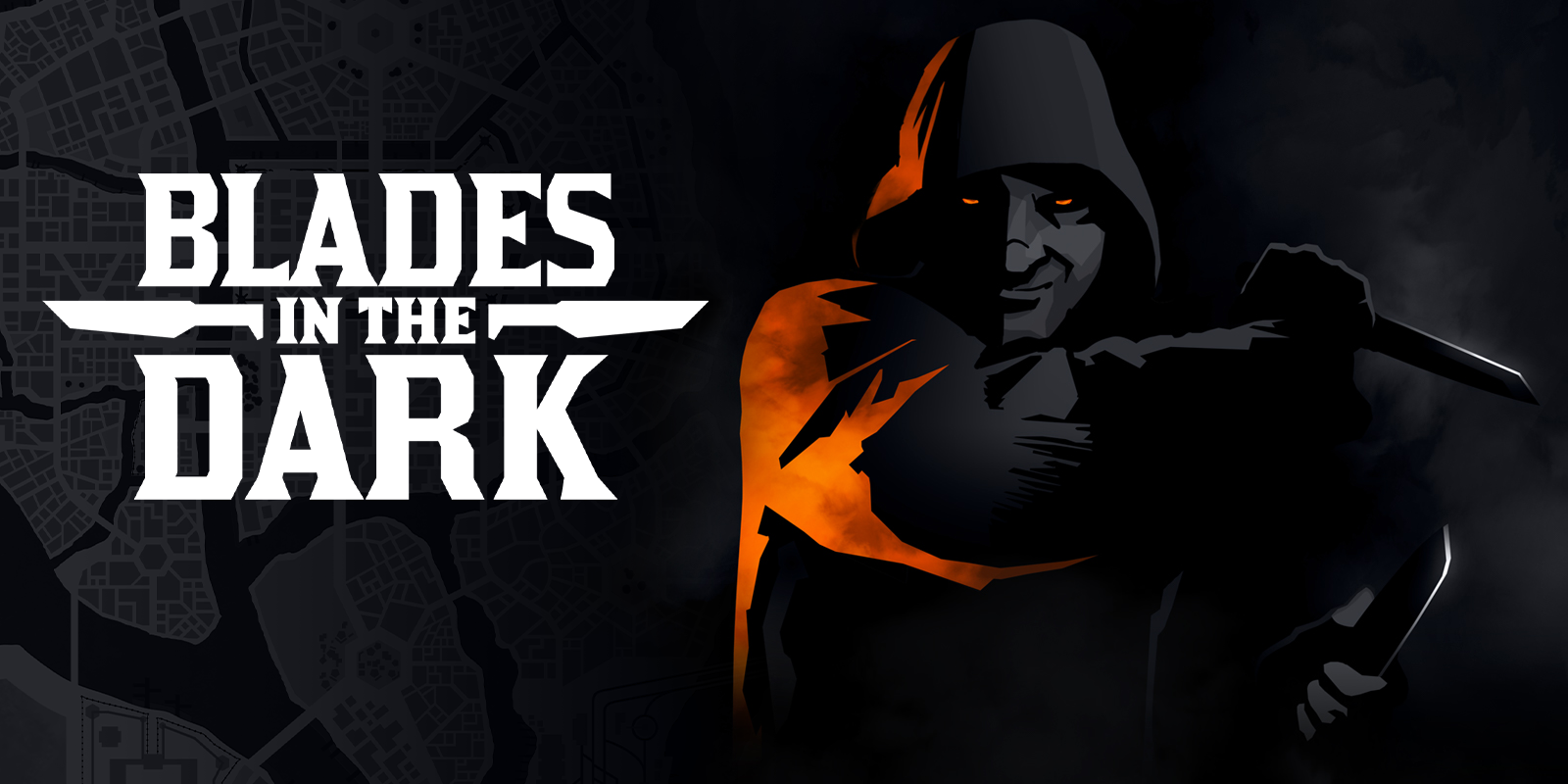
John Harper’s Blades in the Dark serves as a masterclass in "rules-marriage"—the concept that a game’s mechanics should perfectly mirror its setting. Set in the soot-stained, ghost-ridden city of Doskvol, the game focuses on crews of scoundrels attempting to pull off daring heists.
The genius of Blades lies in its "Position and Effect" system and the "Flashback" mechanic. Instead of agonizing over planning at the table—which often kills the momentum of a session—players start the action immediately. If a complication arises, they can "flashback" to a previous moment to reveal how they prepared for that exact scenario. This keeps the game moving at a cinematic pace, ensuring that the party is constantly "skating by on the skin of their teeth."
Tunnel Goons: The Beauty of Minimalism
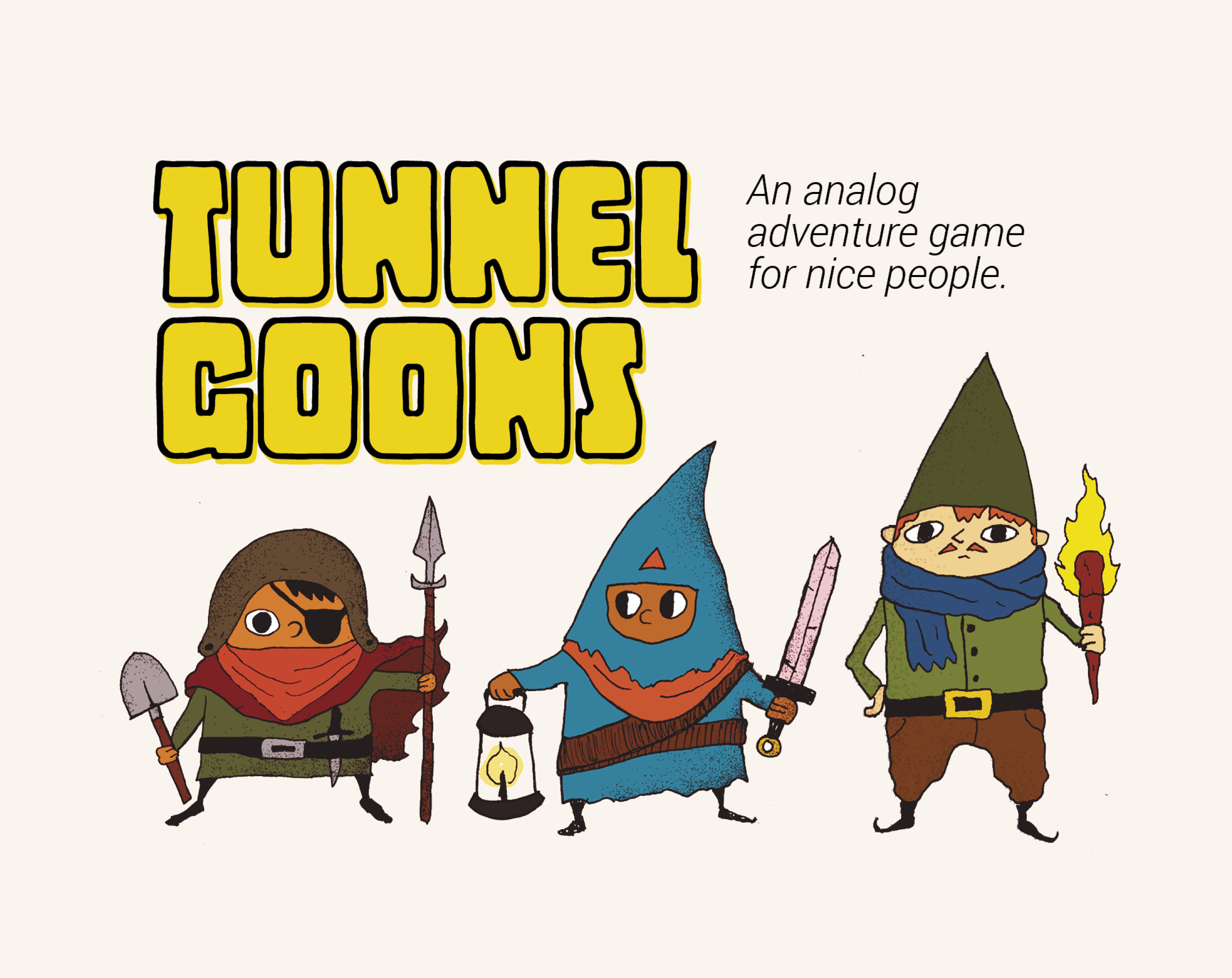
Not every RPG needs to be a 400-page tome. Tunnel Goons by Nate Treme is a testament to the power of brevity. Billing itself as an "analog adventure game for nice people," it offers a rules-light framework that fits on a mere two pages.
Tunnel Goons utilizes a simple 2d6 system with a single modifier, stripping away the friction of traditional systems. By reducing the mechanical burden, Treme places the onus of creativity back onto the GM and the players. It is an ideal entry point for those who want to focus on collaborative storytelling rather than complex arithmetic. It proves that the "Renaissance" isn’t just about adding features; it is about refining the core experience to its most potent form.
Mörk Borg: Design as an Experience
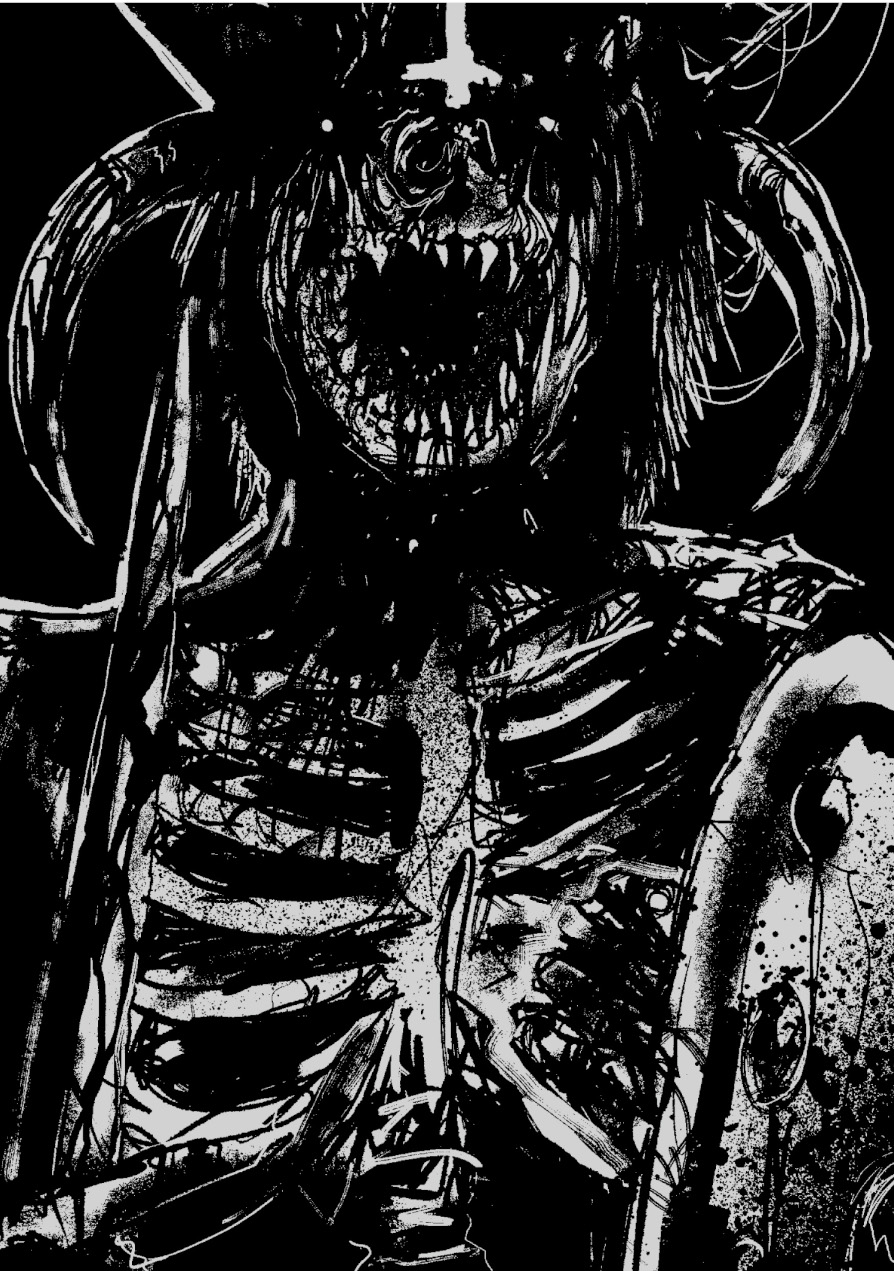
If Tunnel Goons is the minimalist standard, Mörk Borg (Pelle Nilsson and Johan Nohr) is the maximalist masterpiece. A "black metal" OSR (Old School Revival) game, Mörk Borg is set in a decaying world of gods and monsters where player survival is the exception, not the rule.
The true innovation of Mörk Borg is its graphic design. The book is an art piece, featuring a high-contrast aesthetic of neon yellow and pitch-black, with unique, chaotic page layouts that enhance the game’s themes of impending doom. While it offers a "Barebones" free version for accessibility, the physical product has set a new industry benchmark for what a TTRPG book should look like. It challenges the notion that game manuals must be dry, utilitarian documents.
Supporting Data: The Impact of Indie Growth
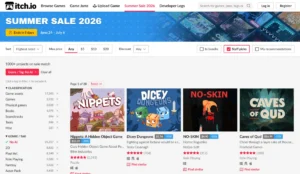
The success of these titles is supported by data from the itch.io ecosystem, which has become the primary incubator for indie TTRPG development. Unlike traditional publishing, where high overhead costs limit the scope of experimental projects, digital distribution has lowered the barrier to entry to near zero.
According to platform trends, titles that offer "quick-start" guides or free, stripped-down versions (like the Mörk Borg Barebones edition) see significantly higher conversion rates to full-game purchases. Furthermore, the community-led nature of these games—evidenced by the active comment sections on platforms like itch.io—shows that players are no longer passive consumers. They are active collaborators, frequently suggesting their own "hacks" or expansions to existing systems, such as the frequent requests for new systems like Heroes of Adventure to be integrated into broader discussions.
Official Perspectives and Community Feedback
The sentiment within the TTRPG community is overwhelmingly positive regarding this shift toward variety. Developers have emphasized that the "renaissance" is not about replacing the industry titans, but about expanding the definition of what a TTRPG can be.
"We make really grungy horror and post-apocalyptic tabletop RPGs," notes one indie developer in the itch.io community. "The beauty of this space is that there is a niche for everyone. Whether you want a high-crunch tactical combat game or a two-page minimalist storytelling exercise, you don’t have to wait for a major corporation to greenlight it."
Players have echoed this, often pointing out that the availability of free or low-cost systems has increased the frequency of their play sessions. By removing the financial and time-heavy barriers to entry, more people are taking on the role of GM, which in turn fosters a larger, more inclusive community.
Implications for the Future of the Hobby
The implications of this renaissance are profound. We are witnessing a decentralization of the TTRPG industry. The future of the hobby will likely be defined by:
- Genre Specialization: Instead of one "all-purpose" system, players will increasingly maintain "libraries" of games tailored to specific moods or story beats.
- Visual Literacy: The success of Mörk Borg ensures that future TTRPGs will place a greater emphasis on graphic design and visual identity as a core component of the user experience.
- Digital-Physical Integration: Tools like Lancer’s COMP/CON demonstrate that the future of the hobby is hybrid. Digital trackers and generators are no longer optional "extras"—they are essential infrastructure for modern gameplay.
As we look toward the future, the "paralysis of choice" is a small price to pay for the creative freedom currently afforded to players. The tabletop renaissance is not just a trend; it is a fundamental shift in how we tell stories together. Whether you are a veteran looking for a new challenge or a newcomer curious about the hype, there has never been a better time to sit down, roll the dice, and see where the journey takes you.