Tiny Worlds, Massive Creativity: A Retrospective on Ludum Dare 56
The world of independent game development is often defined by its constraints. Nowhere is this more apparent than in the storied history of Ludum Dare, the legendary game jam that periodically forces developers to strip away the excess and focus on the core "fun" of a game within a punishing 48- or 72-hour window. On October 7th, 2024, the curtain closed on Ludum Dare 56, an event that challenged participants to interpret the theme "Tiny Creatures."
With over 800 submissions tagged on itch.io, the event once again proved that when developers are forced to innovate under pressure, the results are rarely derivative. This article serves as an expanded retrospective and a curated deep dive into the highlights of the jam, exploring the technical ingenuity and narrative creativity showcased by the community.

The Chronology of the Jam: From Theme Reveal to Release
Ludum Dare 56 followed the traditional high-intensity format that has become a staple of the industry. The clock began ticking the moment the theme "Tiny Creatures" was unveiled, setting off a scramble among solo developers and small teams to conceptualize, program, design, and polish a functional game.
The first 24 hours are historically defined by rapid prototyping. Developers filter through hundreds of ideas, discarding the overly ambitious in favor of mechanics that can realistically be implemented in two days. By the 48-hour mark, the "Compo" entrants (those working entirely solo) submit their finished products, while "Jam" participants (teams) often utilize the extra 24 hours to add layers of audio, UI polish, or expanded scope.

By the time the jam concluded on October 7th, the itch.io platform was flooded with a diverse array of entries. This post represents the second wave of official recommendations from the itch.io editorial team, following an initial round of highlights that showcased the sheer breadth of the "Tiny Creatures" theme.
Supporting Data: The Scope of Innovation
The sheer volume of submissions—over 800 games—offers a fascinating data set for researchers and industry observers. Analysis of the submissions reveals that "Tiny Creatures" was interpreted through various lenses: biological, mythological, mechanical, and even political.

The technical diversity was equally impressive. While many developers opted for established engines like Unity or Godot, a significant portion of the participants utilized browser-based frameworks or retro-styled assets, emphasizing that visual fidelity is secondary to the "feel" of a game. Platforms supported included Windows, macOS, Linux, and, increasingly, robust web-browser versions that allow for instant access to the gameplay loop.
Curated Highlights: The Standout Projects
Creature Packets: A PS1-Styled Culinary Adventure
Creature Packets stands out for its stylistic commitment. By leaning into a PlayStation 1 aesthetic, the developers evoke a sense of nostalgic unease. The gameplay loop involves the microwave-assisted resurrection of tiny entities from packets, followed by a blending mechanic that encourages experimentation with "substances." It is a dark, humorous take on the theme that utilizes the constraints of the jam to build a cohesive, bizarre world.
Build The Sun: A Celestial God Game
Build The Sun represents the "exploration and settlement" sub-genre of the jam. Players start with a simple flame and must nurture it, turning a small, barren world into a thriving celestial body. The pixel-art aesthetic is not merely a stylistic choice but a functional one, allowing for clear, readable growth as the fire evolves into the Sun. It is a masterclass in pacing, turning a microscopic start into a cosmic conclusion.
Maginot: Incremental Colony Building
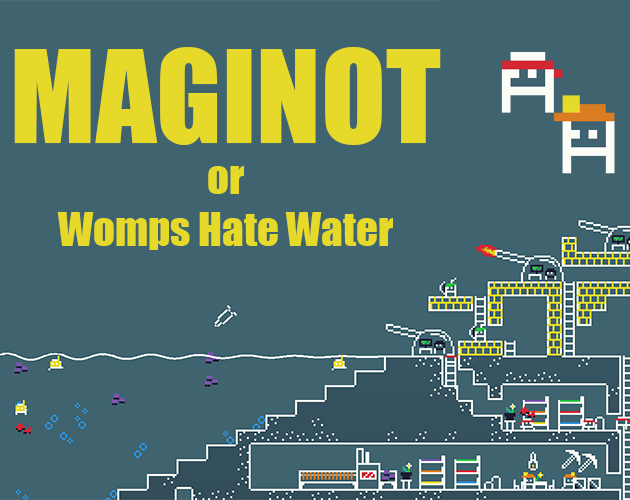
Named after the famous defensive line, Maginot is an incremental game about survival and expansion. The player digs deep into the earth to secure minerals and build a colony, all while managing a population of "Womps." The objective—to battle and eventually "obliterate the sea"—adds a layer of absurdity that keeps the incremental loop engaging. Its browser-based accessibility ensures that players can return to their colony at any time to check on their progress.
Vox Regis: Voice-Controlled Medieval Strategy
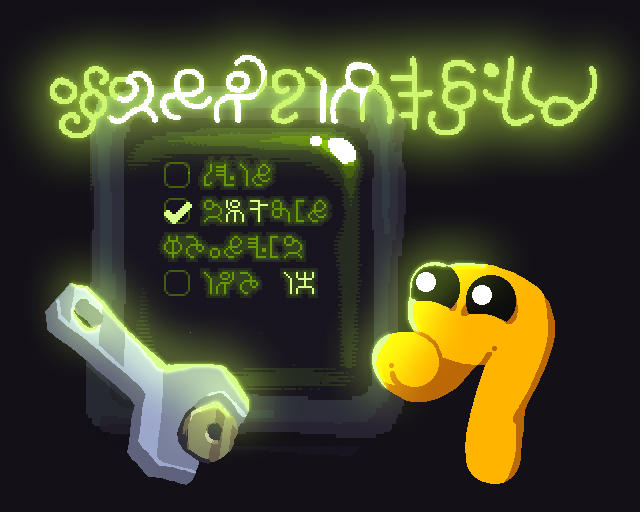
Perhaps the most technically ambitious entry, Vox Regis allows players to act as a medieval monarch tasked with maintaining control by manipulating rebellious factions. The unique hook here is the voice-controlled interface; players must use their own voices to lay blame and sow discord. It is a compelling example of how Ludum Dare pushes developers to experiment with unconventional input methods that might never see the light of day in a commercial production.
Tiny Colony: Slingshot Physics in Space
Tiny Colony utilizes the concept of gravity to create a physics-based puzzle experience. Players are tasked with populating planets using an "interplanetary slingshot system." The difficulty lies in navigating the harsh environment of space while using gravity wells to catapult creatures to their destinations. It is a highly "pick-up-and-play" experience that showcases the importance of responsive game feel.

FOREST CLEARING: Moral Dilemmas in Miniature
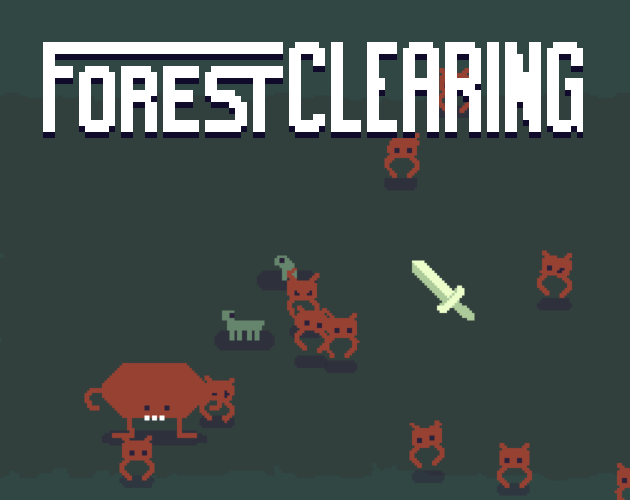
FOREST CLEARING offers a darker narrative twist. The player must choose between protecting the tiny creatures of the forest or harvesting them for meat to buy upgrades. This cycle of "protect or exploit" forces the player to consider their impact on the game world, adding a layer of strategic depth to what could have been a standard hack-and-slash game.
Please Find Them: The Exterminator’s Perspective
Please Find Them takes a hidden-object approach to the theme. As an exterminator tasked with locating creatures that have shrunk within human homes, the game excels at environmental storytelling. The player must observe domestic spaces with a keen eye, finding the "tiny" in the mundane.
Fear of the Ungnome & Mini Beasts
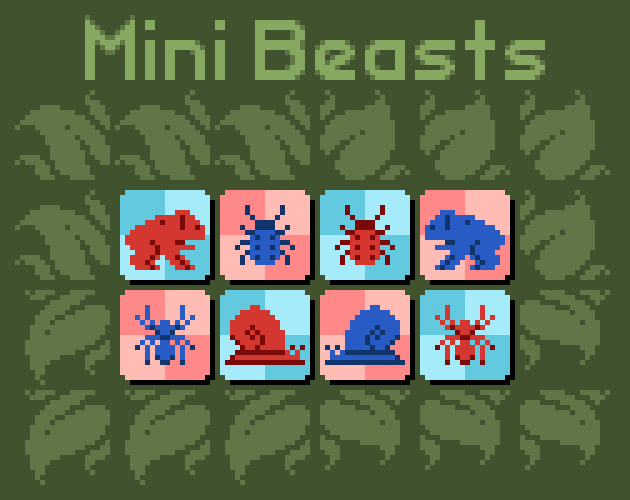
Fear of the Ungnome provides a first-person, procedurally generated puzzle experience that emphasizes exploration, while Mini Beasts focuses on the classic puzzle-game staple of color-matching. Both games demonstrate that even with a limited timeframe, polish in puzzle design can lead to highly addictive gameplay.
Official Responses and Community Impact
The community response to Ludum Dare 56 has been overwhelmingly positive. On the itch.io forums and social media channels, developers have praised the "Tiny Creatures" theme for its flexibility. "It was the perfect prompt," remarked one developer. "It allowed for everything from cozy creature-collectors to brutal survival games, and everything in between."

The organizers have noted that the event continues to grow in its ability to foster networking. Many participants formed lasting bonds during the 72-hour crunch, with several developers confirming that they plan to turn their jam entries into full, commercial releases. This, the organizers argue, is the true legacy of Ludum Dare: it is not just about the game created in 48 hours, but about the spark of an idea that can carry a developer through a full production cycle.
Implications for the Future of Indie Gaming
The success of Ludum Dare 56 carries significant implications for the broader gaming landscape. Firstly, it reaffirms the importance of game jams as a primary incubator for new talent. By lowering the barrier to entry and providing a clear, actionable goal, the jam allows developers to prove their concepts without the pressure of investor funding or long-term development roadmaps.

Secondly, the rise of browser-playable games in this year’s jam suggests a shift in how indie games are consumed. The convenience of "click-and-play" is becoming increasingly important for discovery. As the market for independent games becomes more crowded, the ability to engage a player within the first thirty seconds of a browser session is a critical advantage.
Finally, the focus on "tiny" experiences suggests a trend toward shorter, more focused games. In an industry often dominated by "live service" titles and massive, 100-hour RPGs, these bite-sized, thematic experiments provide a necessary counter-narrative. They remind both developers and players that a game does not need to be massive in scope to be profound in its impact.
As we look ahead to future iterations of Ludum Dare, the success of the 56th edition stands as a testament to the resilience and ingenuity of the independent community. Whether it is through the innovative use of voice-control in Vox Regis or the haunting PS1 aesthetic of Creature Packets, the developers have once again proven that the most compelling stories are often the ones found in the smallest of places.