Bioinspired Nanotherapy: A New Frontier in the Battle Against Drug-Resistant Candida
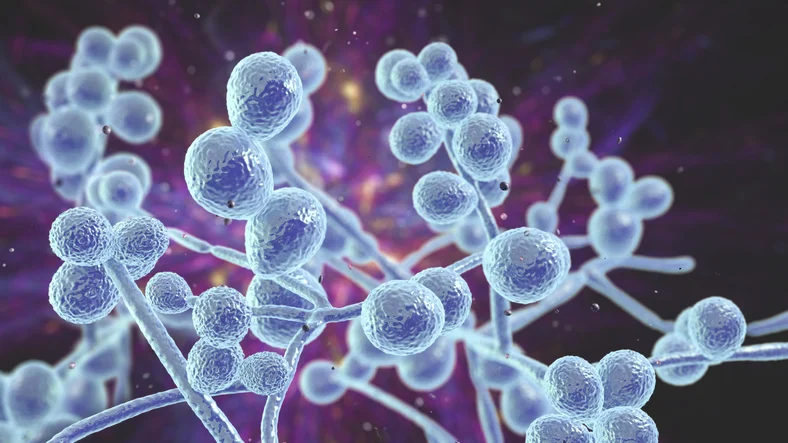
In a breakthrough that could fundamentally alter the landscape of infectious disease treatment, researchers from the University of California, San Diego (UCSD) and the University of Missouri have engineered a sophisticated class of “bioinspired” nanoparticles designed to hunt and neutralize Candida albicans. This opportunistic fungus, notorious for causing debilitating oral and vaginal infections as well as life-threatening systemic bloodstream infections, has long been a primary target for pharmaceutical intervention. However, as global rates of antifungal resistance climb, the efficacy of traditional therapeutics is waning.
The new study, published in the journal Cell Biomaterials under the title "Cell membrane-derived nanotherapeutic for combating Candida albicans infections," details a dual-action mechanism that not only disrupts the structural integrity of fungal cells but also mobilizes the host’s own immune system to clear the infection.
Main Facts: The Mechanism of Action
The researchers have developed what they describe as "macrophage-derived nanodiscs." These particles are approximately 10 to 20 nanometers in size—a scale roughly 1,000 times smaller than a standard human macrophage. Despite their diminutive stature, these nanodiscs pack a significant physiological punch.
The fabrication process involves isolating the outer membranes of human macrophages and fragmenting them into precise, microscopic pieces. These membrane fragments are then fused onto synthetic, biodegradable polymer cores. The resulting structures retain the sophisticated protein receptors found on the surface of macrophages—the body’s "first responder" immune cells.
By mimicking the biological surface of a macrophage, these nanodiscs possess an innate ability to recognize Candida albicans. When the particles encounter the fungus, they fuse directly with the fungal cell membrane. This fusion destabilizes the fungal cell, creating microscopic pores that cause the cell’s internal contents to leak out, ultimately leading to cell death. Because this mechanism is physical rather than molecular, it circumvents the traditional pathways that fungi typically evolve to bypass drug efficacy.
Chronology: From Concept to Clinical Potential
The development of this technology represents the culmination of years of research into biomimetic materials and nanoparticle engineering.
- Initial Concept Phase: Researchers sought a way to harness the natural pathogen-recognition capabilities of the human immune system without the complications of using live, whole-cell macrophages, which are difficult to culture and maintain at scale.
- Engineering and Fabrication: The team pioneered the method of "membrane coating," wherein the functional components of the macrophage surface are harvested and stabilized on biodegradable discs.
- In Vitro Validation: Early lab tests confirmed that the nanodiscs could selectively target Candida cells without damaging healthy human tissue, establishing the safety profile of the treatment.
- Preclinical Trials: The research progressed to mouse models suffering from severe systemic Candida infections. These studies provided the definitive evidence of the therapy’s potency.
- Publication and Peer Review: The findings were subjected to rigorous scrutiny and recently published in Cell Biomaterials, marking the transition of the technology from a lab-bench curiosity to a validated therapeutic candidate.
Supporting Data: Efficacy in Preclinical Models
The performance of these nanodiscs in vivo has been described by the researchers as highly promising. In trials involving mice with systemic fungal infections, the administration of the macrophage-derived nanoparticles led to a significant reduction in fungal burden across critical organs, including the heart, kidneys, lungs, and spleen.
Perhaps most significantly, the treated mice exhibited markedly improved survival rates compared to control groups receiving standard treatments. The data indicated that the nanodiscs were not only effective as a reactive treatment but also demonstrated efficacy when administered as a prophylactic measure, suggesting the potential for preventing infections in high-risk patients, such as those undergoing chemotherapy or organ transplants.
Furthermore, the nanodiscs demonstrated an ability to penetrate and disrupt fungal biofilms. Biofilms are complex, protective communities of fungi that act as a shield, rendering standard antifungal drugs virtually useless. By inhibiting the formation of these biofilms and reversing the immune suppression that Candida often triggers, the nanodiscs effectively strip the fungus of its primary defense mechanisms.

Official Responses and Scientific Context
The research team has emphasized that the "bioinspired" nature of these particles is the key to their success. In the published paper, the authors state: "This bioinspired nanodisc not only disrupts fungal membranes directly but also enhances host immune clearance, achieving potent antifungal activity."
Leading experts in the field of nanotechnology and infectious disease have noted that this approach addresses a critical weakness in modern medicine. Traditional antifungal medications often target specific enzymes or metabolic pathways within the fungus. As the fungus mutates—a process accelerated by the overuse of these drugs—it develops resistance, rendering the medication obsolete.
"By shifting the strategy from targeting a specific molecular ‘lock’ to physically compromising the fungal ‘fortress’ itself, we are moving the goalposts," the researchers noted. Because the nanodiscs operate through physical membrane disruption, the evolutionary hurdle for the fungus to develop resistance is significantly higher. It would require the fungus to fundamentally alter its entire cell membrane structure to survive, a feat that is biologically costly and unlikely to occur in the short term.
Implications for Global Health
The rise of drug-resistant fungal infections is often referred to as a "silent pandemic." According to the Centers for Disease Control and Prevention (CDC) and other global health bodies, the threat posed by fungi such as Candida auris and Candida albicans is intensifying, yet the pipeline for new antifungal drugs is notoriously thin.
Tackling the Resistance Crisis
The implications of this research are far-reaching. If successful in human trials, these nanodiscs could provide a universal scaffold for treating a wide array of fungal infections. Unlike existing drugs that are often limited to specific strains, the macrophage-mimicking nature of these particles could be adapted to target various pathogens by simply adjusting the receptor proteins incorporated into the nanodisc membrane.
Broadening the Therapeutic Scope
While the current study focuses on Candida, the researchers have already signaled their intent to expand the scope of their work. Future iterations of the study will test the potency of the nanodiscs against a broader range of pathogenic fungal species. This "platform technology" approach—where the delivery vehicle is the same but the targeting signal can be customized—could revolutionize how we treat opportunistic infections in immunocompromised populations.
Safety and Biodegradability
A notable advantage of this therapy is the use of biodegradable polymers. The body is able to safely break down and clear the nanodiscs after they have completed their mission, minimizing the risk of systemic toxicity—a common concern with many potent antimicrobial agents. This aligns with the modern trend in precision medicine, where the goal is to maximize the localized impact on the pathogen while minimizing the "collateral damage" to the patient’s healthy cells.
Conclusion: A New Path Forward
As the scientific community continues to grapple with the complexities of antimicrobial resistance, the work coming out of UCSD and the University of Missouri provides a glimmer of hope. By effectively "repurposing" the body’s own immune hardware into a weaponized, nanoscopic delivery system, scientists are creating tools that are as clever as they are effective.
The transition from mouse models to clinical trials remains the next significant hurdle. However, the data published in Cell Biomaterials provides a robust foundation. If these nanodiscs can replicate their performance in human clinical trials, they may well become a cornerstone of modern antifungal therapy, offering a powerful, resilient, and highly targeted solution to one of medicine’s most persistent and dangerous challenges. The era of bioinspired nanotechnology is not merely approaching—it is here, and it is reshaping our ability to defend the human body against its smallest, yet most stubborn, adversaries.