The Microscopic Marvels: A Deep Dive into Ludum Dare 56’s "Tiny Creatures"
The digital landscape of independent game development is defined by its ability to pivot, innovate, and thrive under constraints. Perhaps no event captures this spirit of creative agility quite like Ludum Dare, the bi-annual game jam that challenges developers to conceive, design, and publish a functional game from scratch in a mere 48 to 72 hours. From October 4th to October 7th, the global development community converged once again for Ludum Dare 56, tasked with the evocative and deceptively simple theme: "Tiny Creatures."
The results, as showcased on platforms like itch.io, have been nothing short of extraordinary. The theme sparked a wave of creativity that transcended genres, leading to everything from complex deck-building roguelikes to poignant, hand-drawn narrative experiences.
The Chronology of a Jam: October 4–7, 2024
Ludum Dare 56 followed the traditional high-pressure format that has made it a staple of the indie scene for over two decades.
- Friday, October 4th: The event kicked off with the official announcement of the "Tiny Creatures" theme. Within minutes, the itch.io forums and social media channels were flooded with brainstorming sessions, concept art, and engine choices as thousands of developers scrambled to define how "tiny" would manifest in their respective virtual worlds.
- Saturday, October 5th: As the mid-point approached, the "crunch" began in earnest. This is the period where initial grand designs are often scaled back in favor of core loops. It is here that the most successful entries—those that focused on a single, polished mechanic—began to take shape.
- Sunday, October 6th: The final push. Developers transitioned from feature implementation to bug fixing, sound design, and the vital process of playtesting.
- Monday, October 7th: As the deadline hit, the submission floodgates opened. The itch.io portal became a hub of activity, with hundreds of developers uploading their browser-based and downloadable builds, marking the beginning of the "rating period" where the community evaluates the contributions of their peers.
Spotlight on Innovation: Standout Entries
The theme "Tiny Creatures" allowed for an incredible diversity of interpretation. While some developers focused on the physical scale of the protagonists, others leaned into the biological or social implications of being small.
The Strategic Frontier
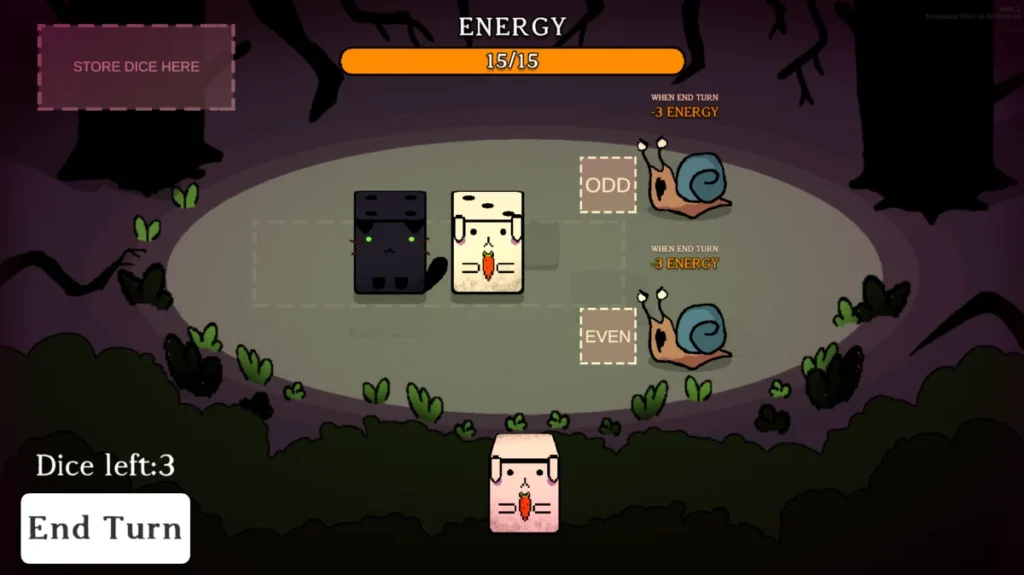
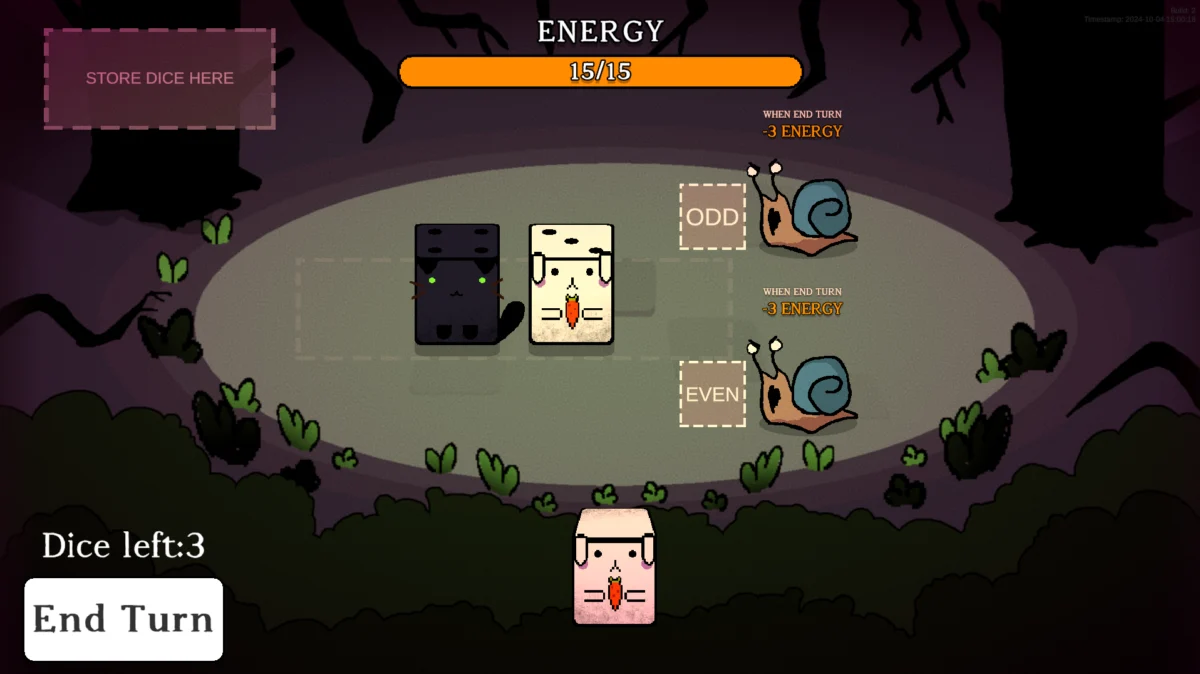
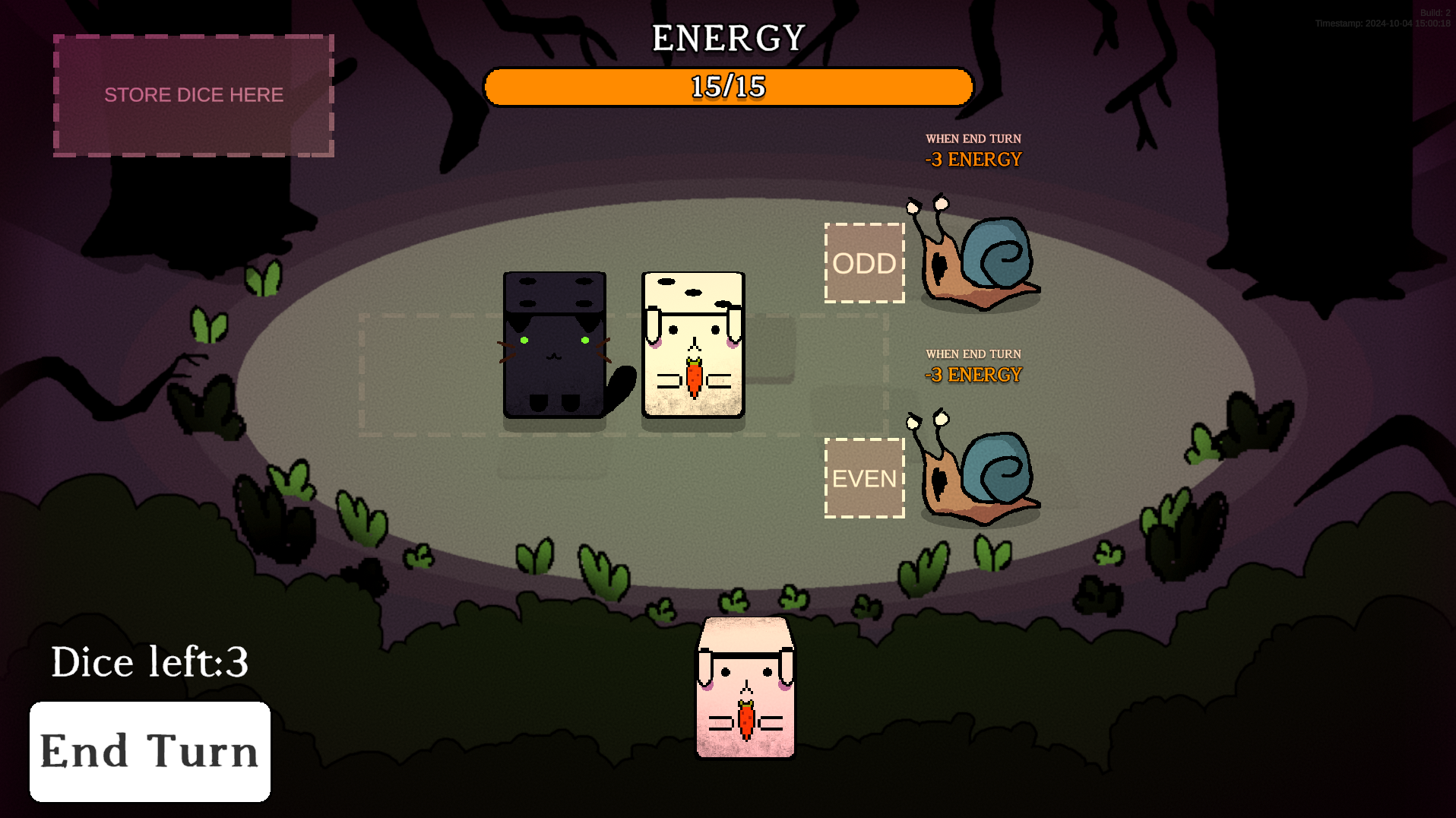
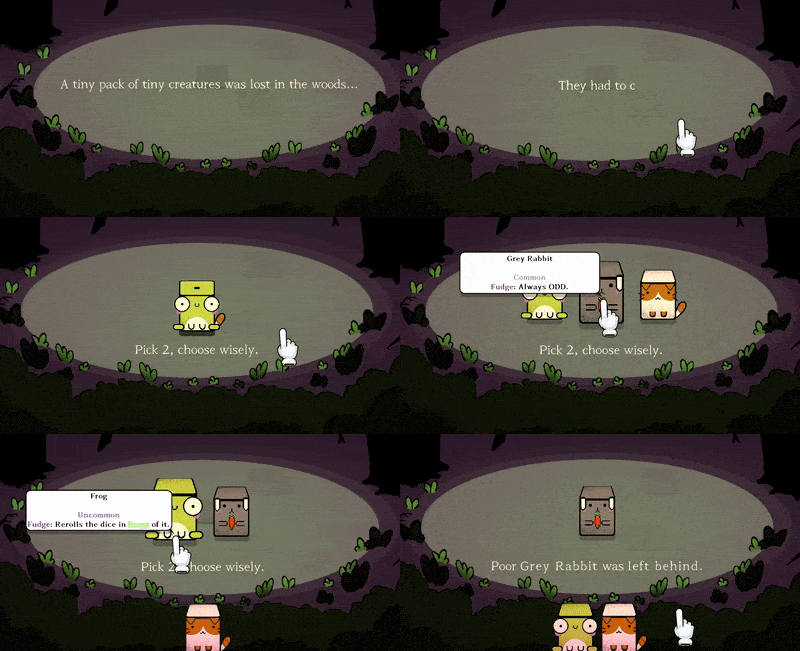
- TINY PACK: This title exemplifies the potential of a well-executed jam project. By blending deck-building mechanics with turn-based strategy and roguelike progression, TINY PACK forces players to manage a woodland critter collective using dice-based abilities. Its pixel-art aesthetic serves as a testament to how cohesive art direction can elevate a game in a short timeframe.
- Combo Critters: Taking a more aggressive approach to the theme, Combo Critters focuses on card-battling mechanics. It challenges players to build effective teams, emphasizing synergy and tactical planning to defeat opponents in a highly competitive, fast-paced environment.
Puzzle and Platforming Excellence
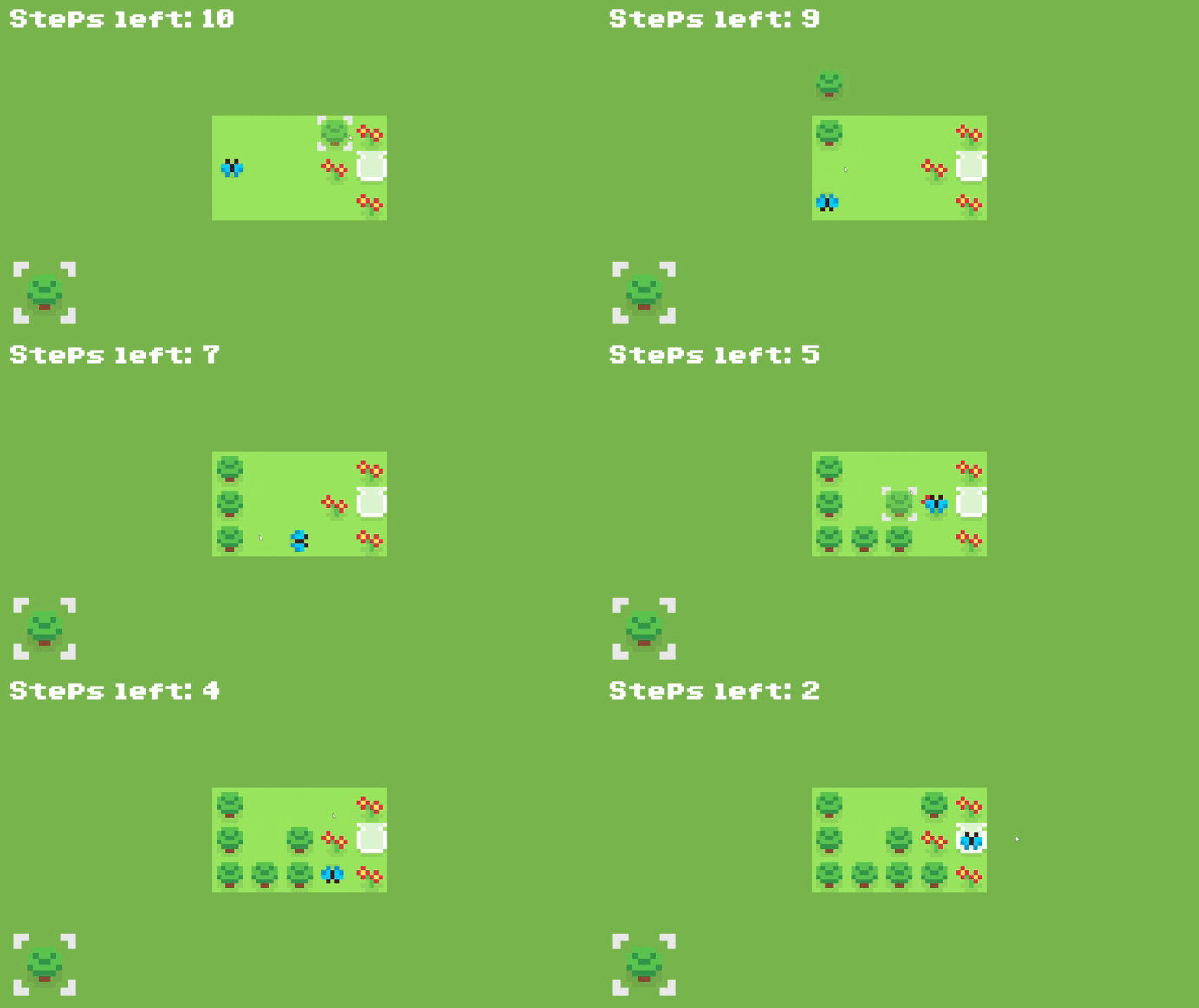
- Butterjar: Often, the most memorable jam games are those that respect the player’s time. Butterjar is a prime example, offering a focused 10-minute experience that tasks players with guiding a butterfly into a containment jar. It is a masterclass in puzzle design that relies on simple, intuitive movement.
- Candyween: A festive entry that capitalized on the proximity to Halloween. Featuring isometric pixel art, this puzzle-platformer puts players in the shoes of a cat assisting a witch. It manages to integrate a sense of scale—navigating around "monsters" like dogs—that fits the theme perfectly.
Narrative and Atmospheric Experiments
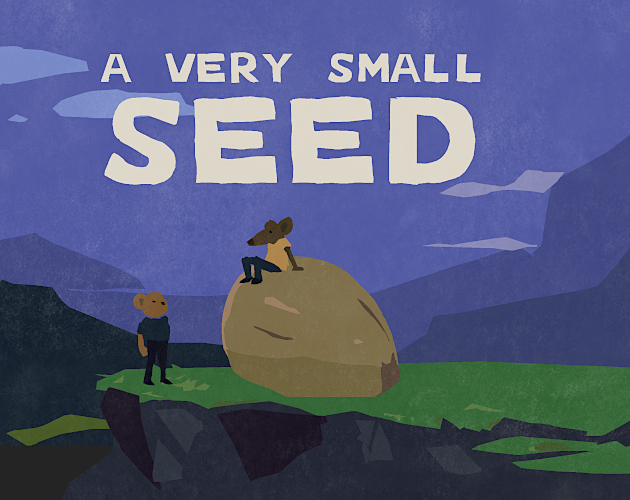
- A very small seed: This hand-drawn adventure is a poignant exploration of scale. By focusing on two tiny creatures on a journey to return a seed, the game emphasizes the emotional weight of a small quest, proving that size does not correlate to the impact of a narrative.
- Would You Still Love Me?: Perhaps the most subversive entry, this narrative-driven game explores a surreal domestic scenario: the transformation of a partner into a tiny creature. It challenges the player to engage with the theme through an emotional, rather than mechanical, lens.
Supporting Data: The Impact of Ludum Dare
Ludum Dare is more than a creative exercise; it is a vital engine for the independent gaming ecosystem. According to aggregated data from itch.io, Ludum Dare events consistently result in:
- Rapid Prototyping: Over 70% of participating developers use the event to test mechanics that eventually make their way into commercial releases.
- Community Building: The post-jam rating period serves as a critical feedback loop, allowing developers to receive constructive criticism from players who are often fellow creators.
- Technological Diversity: The submissions for LD56 highlighted a shift toward browser-based gaming (HTML5/WebAssembly), allowing for frictionless access that dramatically increases the "play-rate" of jam submissions.
Official Perspectives: The Value of the "Tiny" Constraint
In interviews conducted across the community, organizers and participants frequently cite the "Tiny Creatures" theme as one of the most successful in recent years. "Constraints breed creativity," noted one prominent community member. "When you are forced to define a ‘creature’ that is inherently tiny, you are forced to consider the environment from a perspective of disadvantage. You have to make the world feel massive, which changes how you handle camera placement, level design, and movement speed."
This sentiment is echoed by developers who found that the theme encouraged "bottom-up" design. Rather than building a world and populating it, developers built the creature first, allowing the environment to evolve around the limitations of the character’s size.
Implications: The Future of Jam-Driven Development
The success of Ludum Dare 56 signals a broader trend in the industry: the rise of the "micro-game." As major studios struggle with the bloated development cycles of AAA titles, the indie community is proving that deep, engaging, and emotionally resonant experiences can be delivered in a matter of hours.

1. The Rise of the "Genre-Mash"
The proliferation of titles like TINY PACK (which combines dice mechanics with roguelike strategy) suggests that the future of indie development lies in the hybridization of established genres. The time constraint of a game jam is the perfect crucible for these experiments, as developers cannot afford to be precious about tradition.
2. The Browser as a Primary Platform
With the vast majority of LD56 entries being playable directly in a web browser, we are seeing a shift away from the "download-and-install" friction that has historically hampered indie visibility. This accessibility is essential for the long-term health of the game jam circuit.
3. Emotional Resonance over Fidelity
Perhaps the most significant takeaway from this event is the public’s appetite for narrative-driven, small-scale experiences. Would You Still Love Me? and A very small seed performed exceptionally well in the polls, suggesting that players are increasingly looking for games that explore complex human (or creature-based) relationships, even when the scope of the game is intentionally limited.
Conclusion: How to Get Involved
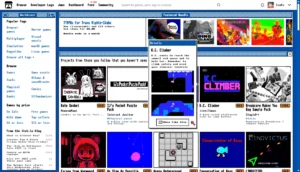
The "Tiny Creatures" tag on itch.io remains a living archive of this event. For those who missed the live window, the games are still available to play, rate, and critique. The community encourages everyone—from seasoned developers to curious onlookers—to dive into these entries.
The Ludum Dare platform remains one of the most significant pillars of the independent development community. By fostering an environment where ideas are cheap and execution is celebrated, it ensures that the "tiny creatures" of the gaming world continue to have a massive impact on the industry at large.
As we look toward Ludum Dare 57, the question remains: what constraints will define the next wave of innovation? For now, we invite you to explore the submissions, support the developers, and perhaps, for the next event, consider opening your IDE and creating a world of your own.
To explore the full catalog of submissions, visit the Ludum Dare 56 tag on itch.io. Have you played any of these titles? Share your thoughts in the comments section below.