California’s "MyFirstEV" Program: A New Era for Zero-Emission Adoption
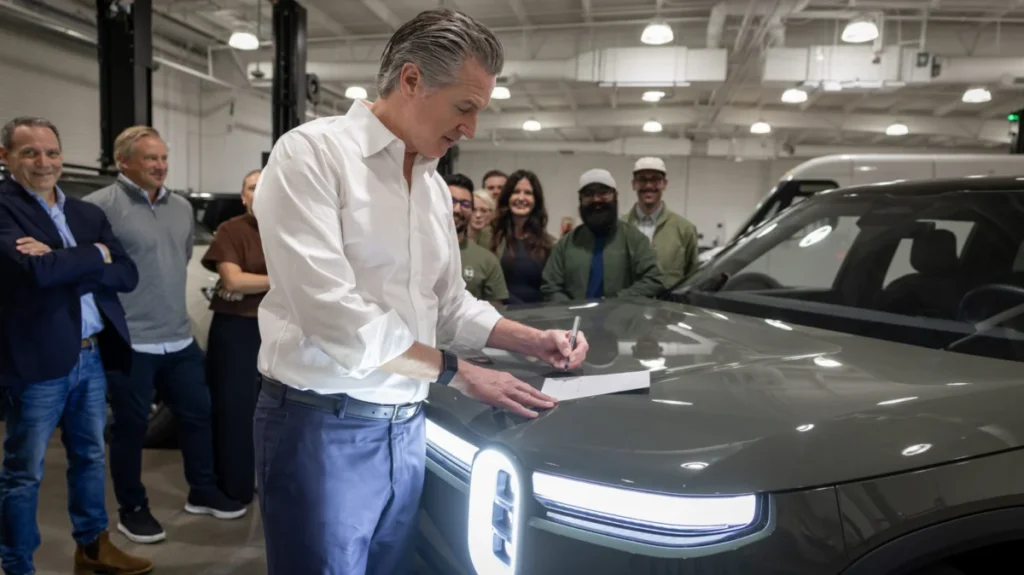
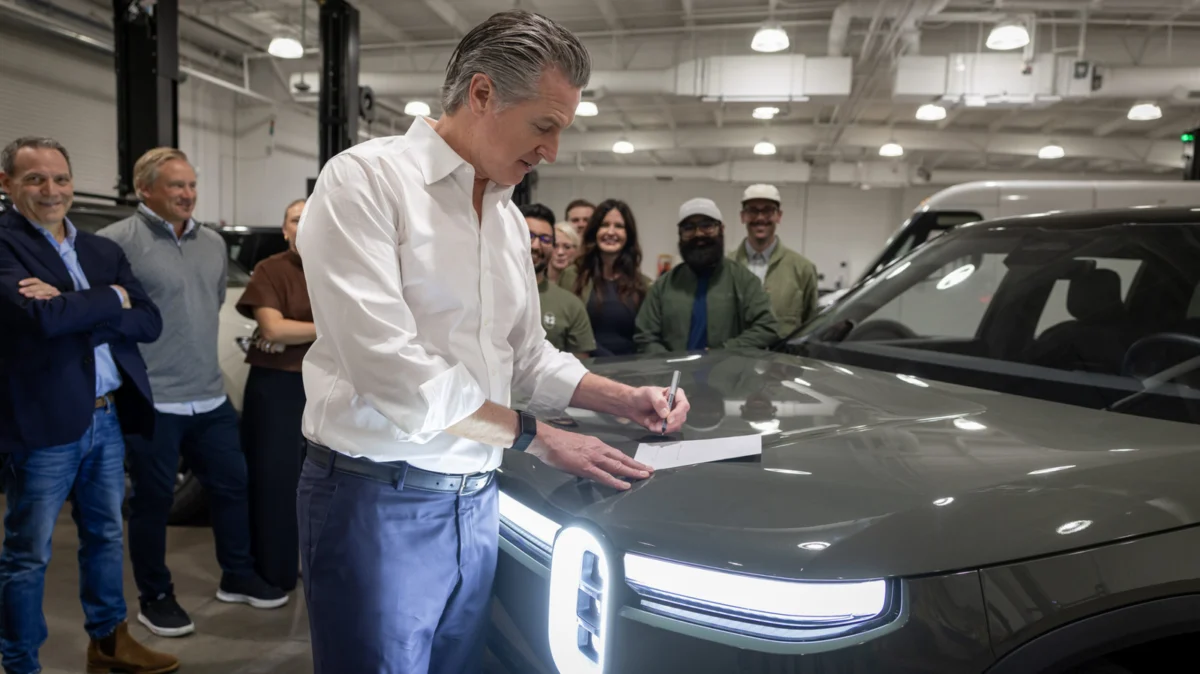
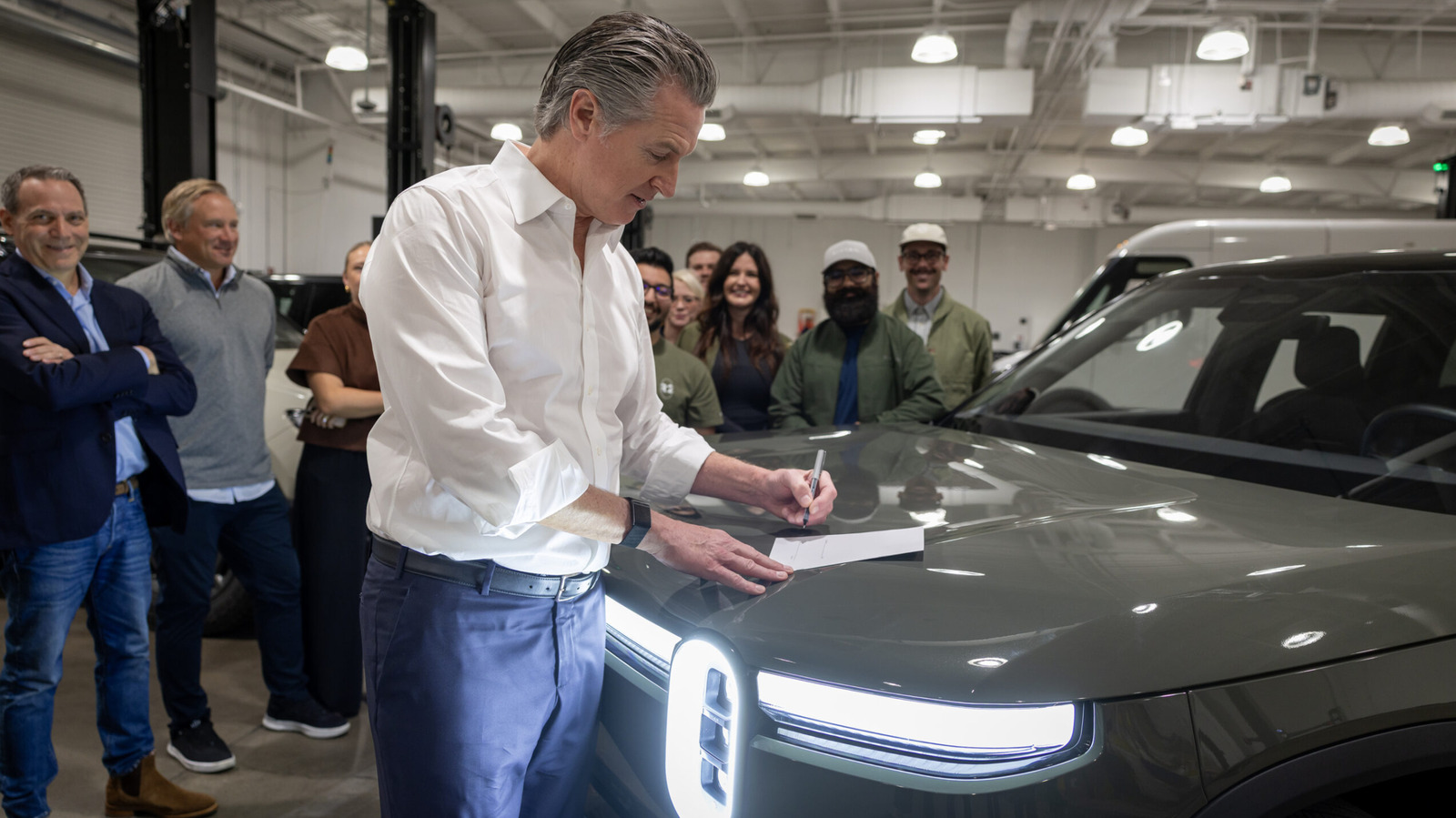
As the landscape for federal electric vehicle (EV) incentives undergoes a period of significant uncertainty following the rollback of national tax credits, California is doubling down on its commitment to a zero-emission future. Governor Gavin Newsom has officially announced the "MyFirstEV" program, an ambitious legislative initiative designed to maintain the state’s momentum in the transition to clean transportation. By providing instant, point-of-sale rebates to first-time buyers, California is aiming to lower the barrier to entry for thousands of residents while simultaneously bolstering the state’s broader green economy.
The Core Mechanics of MyFirstEV
The MyFirstEV program represents a strategic pivot in how state-level incentives are structured. Recognizing that complex tax credit filing processes can be a deterrent for average consumers, the program offers an "instant rebate" model.
Under this initiative, qualifying first-time EV buyers can receive up to $3,500 off the purchase price of a new battery electric vehicle (BEV). For those entering the market through the pre-owned sector, the program provides a $1,750 rebate for vehicles priced under $25,000.
Eligibility and Constraints
To ensure the funds are distributed effectively and reach those most in need of financial assistance, the program includes specific eligibility criteria:
- Vehicle Type: Only pure zero-emission battery electric vehicles (BEVs) qualify. Plug-in hybrids and traditional hybrids are excluded from the incentive.
- Price Caps: To qualify for the full $3,500 rebate on a new vehicle, the manufacturer’s suggested retail price (MSRP) must be below $50,000. Used vehicles must be priced under $25,000 to trigger the $1,750 rebate.
- Buyer Status: As the name suggests, the program is strictly limited to individuals who have never previously owned an electric vehicle, incentivizing new market entrants rather than rewarding existing EV owners for additional purchases.
The beauty of this system, according to state officials, is its immediacy. Unlike federal tax credits that required consumers to wait until the following tax year to see a financial benefit, MyFirstEV discounts are applied directly at the dealership. This creates an immediate reduction in the purchase price, effectively lowering monthly payments and making the transition to electric mobility more accessible to middle-income families.
A Chronology of the Transition
The emergence of MyFirstEV is not a spontaneous policy development; it is the culmination of a multi-year effort to insulate California from federal shifts in climate policy.
The Federal Backdrop
The transition to electric mobility suffered a blow last year when the federal government moved to dismantle the prevailing EV tax rebate structures. This move created a vacuum, leaving many states—particularly those with aggressive climate goals like California—to scramble for solutions to keep consumer demand for clean vehicles high.
The Legislative Path
Following the federal pivot, Governor Newsom’s administration accelerated plans for a robust, state-led subsidy program. By mid-2026, the framework for the $600 million investment package was finalized. The MyFirstEV initiative was carved out as a cornerstone of this package, with $270 million dedicated specifically to the rebate program. This fund represents a unique public-private partnership, with 50% of the capital sourced from the 2026-2027 state budget and the remaining 50% contributed by participating automakers who have a vested interest in maintaining market growth in the state.
Supporting Data: The $600 Million Investment
The $3,500 rebate is merely one component of a massive $600 million infusion into the state’s clean transportation infrastructure. The state government has articulated a multi-pronged approach to ensure that the increased adoption of EVs is supported by adequate infrastructure and industrial growth:
- Community Air Protection ($150 million): Targeted funding aimed at reducing localized pollution in historically marginalized and high-traffic corridors.
- Clean Truck and Bus Voucher Incentive Project ($135.5 million): A massive effort to modernize the state’s commercial transport fleet by providing vouchers for zero-emission trucks and buses.
- Heavy-Duty Engine Replacement ($130 million): A fund specifically earmarked for the retirement of polluting diesel-powered heavy-duty engines, replacing them with cleaner, more efficient technology.
- Rural Infrastructure Expansion: A significant portion of the remaining budget has been pledged to expand charging infrastructure in rural and underserved areas, ensuring that the "range anxiety" that plagues potential buyers in remote regions is mitigated.
Market Implications: What Can You Drive?
The pricing constraints of the MyFirstEV program are strategically aligned with the current market for mid-range and budget-friendly EVs. By setting the ceiling at $50,000, the program encourages manufacturers to maintain competitive pricing in the entry-level and mid-level segments.
Popular vehicles that fall comfortably within the eligibility window include the Nissan Leaf, which continues to be a staple for budget-conscious buyers. Tesla’s Model 3 and Model Y also remain prime candidates for the incentive, provided their configurations stay under the MSRP threshold. The Hyundai Ioniq 5 and the Ford Mustang Mach-E are also expected to see increased movement as dealers leverage the $3,500 discount to close sales.
Even for high-end brands like Rivian, the program creates a "pull" effect. While current models may exceed the $50,000 cap, the upcoming R2—with a projected base price of $45,000—is positioned perfectly to benefit from the program once it hits the market next year. This demonstrates the foresight of the legislation: it is designed not just for today’s market, but for the incoming wave of affordable EV models scheduled for release in 2027 and beyond.
Official Responses and Strategic Outlook
Governor Newsom’s administration has framed the program as a "fight back" against global competition. In recent statements, the Governor explicitly cited the rise of China’s dominant position in the global EV market as a catalyst for California’s renewed focus. By subsidizing the consumer side of the equation, California hopes to ensure that domestic and Western manufacturers remain competitive, keeping the state at the forefront of the global clean-energy transition.
"California is not going to cede the future of transportation," said a spokesperson for the Governor’s office. "By putting money directly into the hands of first-time buyers, we are creating a permanent shift in consumer behavior. We aren’t just selling cars; we are building a state-wide ecosystem where zero-emission travel is the standard, not the exception."
Critics, however, have raised questions about the long-term sustainability of relying on automaker contributions to fund the program. There is a concern that if the program proves too successful, the $270 million fund could be depleted faster than anticipated. However, the state has countered that the current economic model is designed to be scalable, with the potential for legislative adjustments to increase funding should demand exceed projections.
Conclusion: A Template for the Future
The MyFirstEV program is a litmus test for state-led climate action. In an era where federal mandates are subject to the whims of shifting political winds, California is asserting its autonomy. By focusing on the "first-time buyer," the state is effectively grooming a new generation of EV drivers who are less likely to return to internal combustion engines once they have experienced the benefits of electric mobility.
As the program rolls out later this summer, all eyes will be on California’s dealerships. The success of this initiative will likely serve as a blueprint for other states looking to foster clean-energy adoption without relying on federal largesse. For the average Californian resident, the message is clear: the path to an electric vehicle has never been more financially viable, and the state is ready to help pay for the transition.