Democratizing Immersion: How DIY Ingenuity is Revolutionizing Full-Body VR Tracking
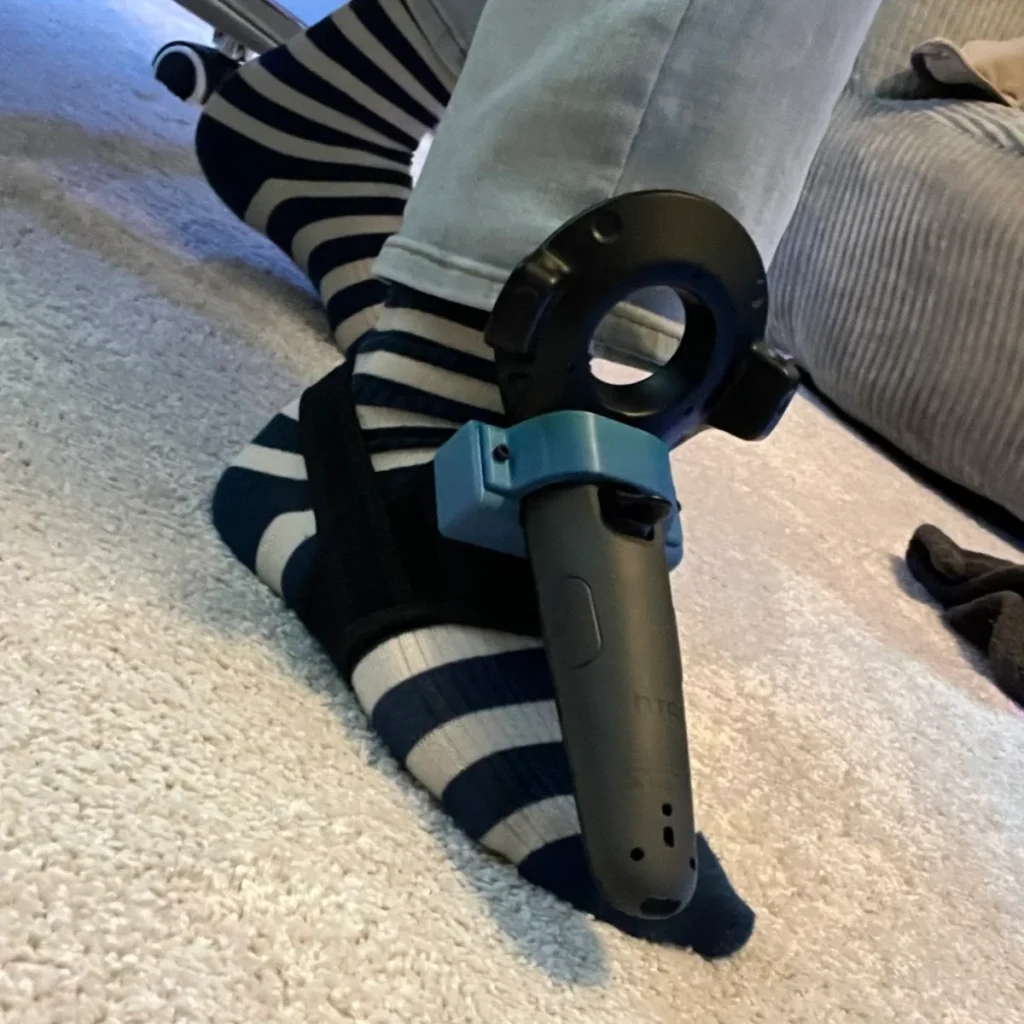
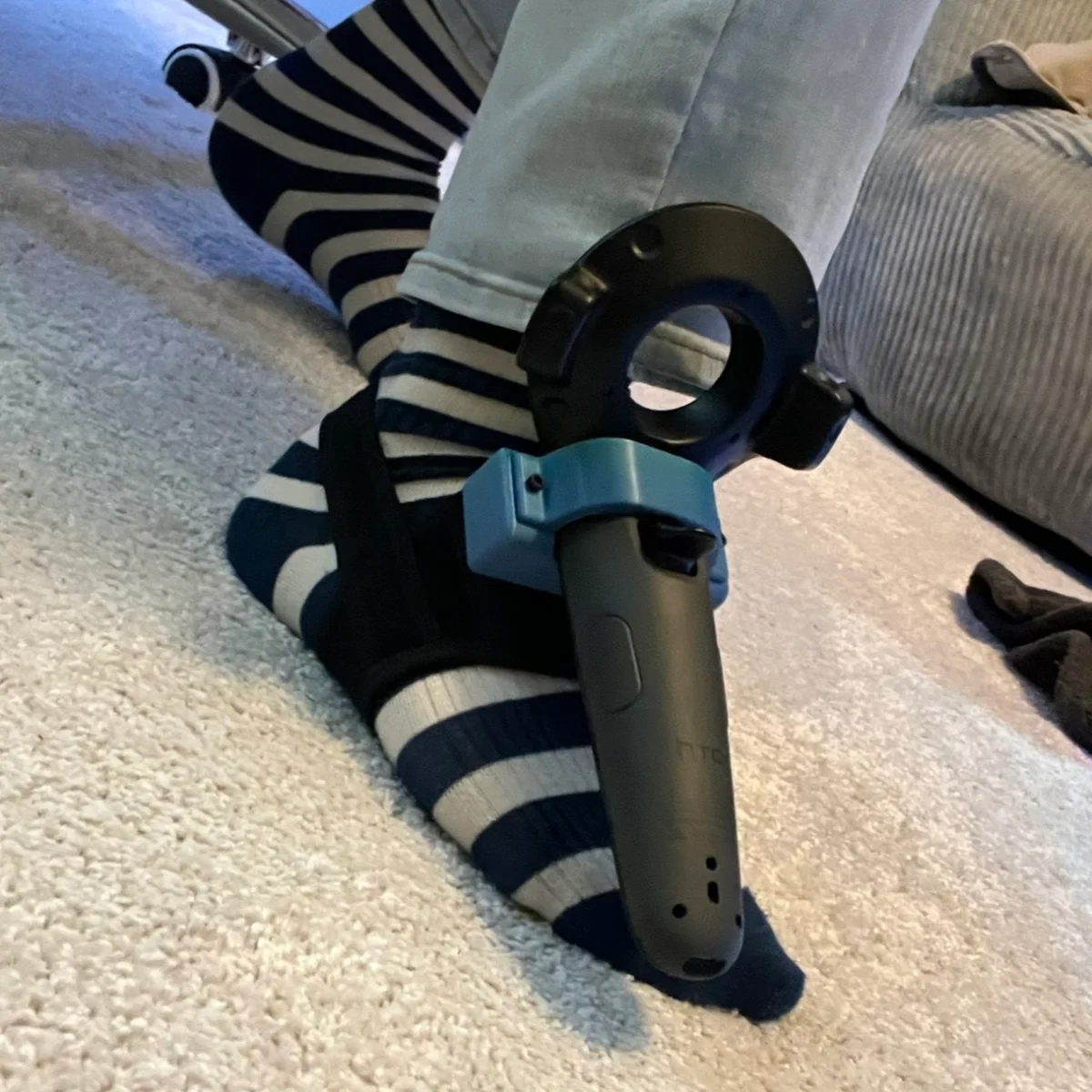
London, UK – The immersive world of virtual reality (VR) has long promised unparalleled experiences, but often at a significant financial barrier. Full-body tracking, a feature that brings a user’s entire physical presence into the digital realm, has traditionally been one of the most expensive components of a high-fidelity VR setup. However, a groundbreaking do-it-yourself (DIY) project, spearheaded by an innovator known as Jaki, is poised to democratize this crucial aspect of VR immersion. The "Vive Tracker Lite" initiative, coupled with the ingenious "$5 Viva Dongle," repurposes older HTC Vive controllers into fully functional, lighthouse-based body trackers without requiring any hardware modifications, making advanced VR experiences accessible to a much broader audience.
This innovative solution leverages readily available, often second-hand, Vive controllers and open-source firmware to transform them into cost-effective alternatives to dedicated VR tracking hardware. By eliminating the need for expensive proprietary trackers and offering a DIY dongle for wireless communication, Jaki’s project drastically lowers the entry barrier for enthusiasts looking to explore full-body presence in applications like VRChat or modded games. This development marks a significant step towards fostering a more inclusive and experimental VR community, proving that cutting-edge immersion doesn’t always require a premium price tag.
The Evolution of Immersive Tracking: A Chronology of Innovation
To fully appreciate the significance of Jaki’s "Vive Tracker Lite," it’s essential to understand the journey of VR tracking technology and the challenges it has presented to both developers and consumers.
Early Forays into VR Tracking: The concept of tracking a user’s movements in a virtual space dates back decades, with early systems often relying on magnetic fields or complex optical arrays. These initial attempts were frequently cumbersome, expensive, and limited in accuracy and range. The goal was always to achieve a seamless, natural interaction between the physical and virtual worlds, allowing users to move and manipulate objects intuitively.
The Advent of Lighthouse Technology: A pivotal moment arrived with the introduction of Valve’s Lighthouse tracking system, which debuted commercially with the HTC Vive headset in 2016. Lighthouse operates on an "outside-in" principle, where external base stations (lighthouses) emit laser sweeps across a play area. Sensors on the VR headset and controllers detect these laser sweeps, triangulating their position with remarkable precision. This system offered unprecedented accuracy, low latency, and a robust tracking volume, quickly becoming the gold standard for high-end VR experiences. The HTC Vive controllers, iconic for their wand-like design and robust build, were among the first consumer devices to showcase the power of Lighthouse tracking.
The Rise of Dedicated Full-Body Tracking: While the HTC Vive provided excellent head and hand tracking, true full-body immersion required more. Enter the official Vive Trackers. Released in 2017, these dedicated puck-shaped devices were designed to be attached to various body parts (feet, waist, etc.), extending the Lighthouse system’s tracking capabilities to the entire user. They were "hacker-friendly" and quickly adopted by enthusiasts, particularly in social VR platforms like VRChat, where expressing oneself through avatar movement became a core appeal. However, the cost of these official trackers, typically around $99-$129 per unit, meant that a full setup (requiring at least three trackers for basic body tracking, often five or more for comprehensive tracking) could easily add several hundred dollars to an already expensive VR system. This financial barrier effectively limited full-body tracking to a niche within the enthusiast community.
Jaki’s Timely Intervention: It is against this backdrop of evolving technology and persistent cost barriers that Jaki’s "Vive Tracker Lite" project emerges as a timely and ingenious solution. Recognizing that older HTC Vive controllers, while no longer cutting-edge for hand input, contained all the necessary hardware components for Lighthouse tracking, Jaki conceived a method to repurpose them. This project doesn’t just offer an alternative; it provides a pathway to advanced VR features by leveraging existing, often undervalued hardware, thereby democratizing access to full-body tracking in a way previously unimaginable for the average consumer. This initiative represents a significant grassroots contribution to the VR ecosystem, bridging the gap between high-end features and budget-conscious enthusiasts.
Unpacking the Innovation: Supporting Data and Technical Ingenuity
Jaki’s project is a testament to clever engineering and a deep understanding of existing hardware. It involves two primary components: the "Vive Tracker Lite" itself, which is the repurposed controller, and the "$5 Viva Dongle," a DIY wireless receiver. Both are designed with accessibility and cost-effectiveness at their core.
The Vive Tracker Lite: Repurposing Excellence
At the heart of the "Vive Tracker Lite" is the ingenious re-utilization of older HTC Vive controllers. These controllers, though superseded by newer input devices, are robust pieces of hardware that were designed to work seamlessly with the Lighthouse tracking system. They contain:
- Photodiodes: Numerous photosensitive sensors strategically placed on their surface, crucial for detecting the laser sweeps emitted by Lighthouse base stations.
- Inertial Measurement Units (IMUs): Accelerometers and gyroscopes that provide high-frequency rotational and translational data, complementing the Lighthouse’s absolute positioning for smooth, low-latency tracking.
- Wireless Communication Module: An integrated radio module for communicating with the host PC via a dongle.
- Internal Battery and Charging Circuitry: Allowing for untethered operation.
Jaki’s innovation lies in developing custom firmware that essentially "flashes" these controllers, transforming their operational logic. Instead of interpreting user input from buttons and trackpads, the firmware reconfigures the controller to act solely as a dedicated tracking puck. This involves:
- Re-routing Sensor Data: The firmware focuses on collecting and transmitting data from the photodiodes and IMUs, optimized for position and orientation tracking.
- Disabling Input Redundancies: Unnecessary input processing for buttons, triggers, and trackpads is either disabled or repurposed, streamlining the controller’s function for tracking only.
- Standardized Output: The firmware is designed to output data in a format that can be recognized and utilized by VR applications expecting Vive Tracker input, ensuring compatibility with a wide range of software.
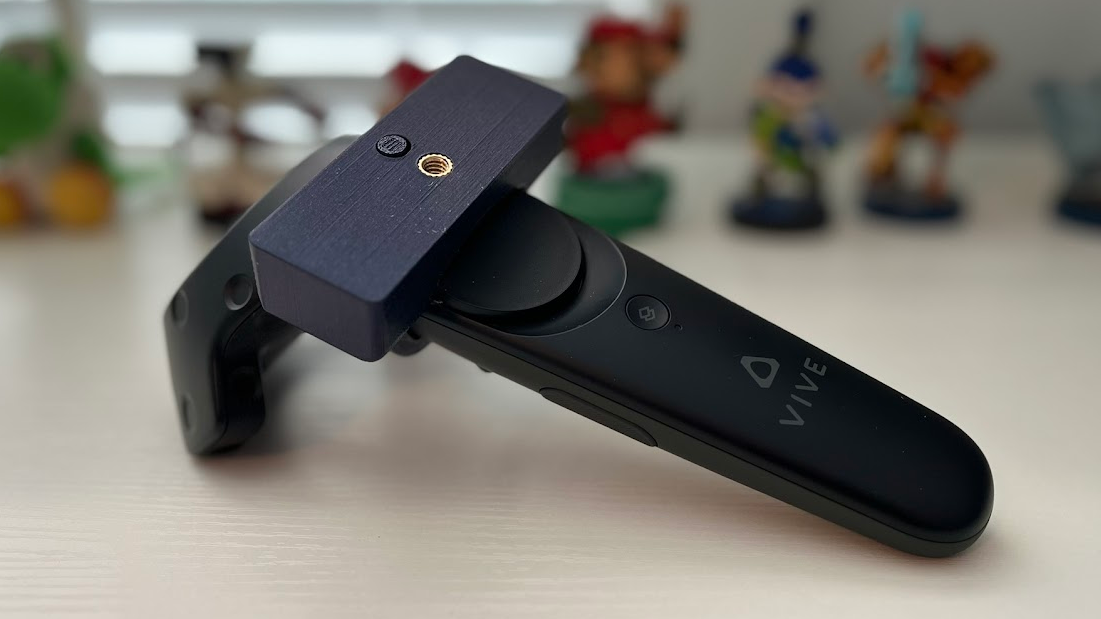
Crucially, this transformation requires no physical hardware modifications to the Vive controllers themselves. This is a game-changer, as it means users don’t need soldering skills or specialized tools to perform the conversion. The only physical addition needed is a 3D-printed fixture or mount, which allows the repurposed controller to be comfortably strapped to a user’s waist, feet, or other body parts. These 3D-printed designs are typically open-source, easily downloadable, and can be printed at home or through online services for a minimal cost.
The $5 Viva Dongle: Affordable Wireless Connectivity
A critical component of any wireless tracking system is the receiver that communicates with the host PC. Official Vive Trackers typically come with their own proprietary dongles, which are often expensive and can be challenging to acquire individually. Jaki addresses this with the "Viva Dongle," a remarkably cost-effective DIY alternative.
The Viva Dongle is built around a Pro Micro NRF52840 microcontroller. This powerful yet affordable chip combines a microcontroller with a Bluetooth Low Energy (BLE) radio, making it ideal for low-power wireless communication. The dongle’s function is to:
- Receive Data: Listen for the wireless signals transmitted by the modified Vive controllers (now acting as trackers).
- Process and Forward: Decode the tracking data and transmit it to the host PC via USB.
- Emulate Official Dongle: The firmware for the Viva Dongle is designed to mimic the behavior of official Vive Tracker dongles, ensuring seamless integration with SteamVR and other VR software.
The total cost of components for the Viva Dongle can be as low as $5, a stark contrast to the significantly higher price of official dongles. This further reinforces the project’s commitment to accessibility and budget-friendliness.
Accessibility Through Intuitive Software:
Jaki’s dedication to making this project accessible extends beyond hardware. Recognizing that firmware flashing can be daunting for novices, the project includes a user-friendly Python program with a full graphical user interface (GUI). This software simplifies the process of:
- Detecting Controllers: Automatically identifying connected Vive controllers.
- Flashing Firmware: Guiding users through the steps to upload the custom "Vive Tracker Lite" firmware to their controllers.
- Configuring the Viva Dongle: Similarly, assisting in flashing the necessary firmware onto the Pro Micro NRF52840 for the dongle.
This thoughtful inclusion of an easy-to-use software interface significantly lowers the technical barrier, inviting even those with minimal technical expertise to participate in the DIY full-body tracking revolution.
Cost-Benefit Analysis: A Paradigm Shift
The economic advantages of Jaki’s solution are profound. Consider the typical cost breakdown:
- Official Vive Trackers: A set of three trackers (for basic waist and feet tracking) would cost approximately $300-$390. If each tracker requires a dedicated official dongle, that’s an additional cost, or users rely on the limited number of dongles included with some headsets.
- Vive Tracker Lite: Older HTC Vive controllers can often be acquired for as little as $20-$50 each on second-hand markets (eBay, local listings, etc.). A set of three would thus cost $60-$150. The Viva Dongle costs approximately $5 per unit for components, though one dongle can often manage multiple trackers. The 3D-printed mounts are negligible in cost.
This comparison reveals potential savings of hundreds of dollars, making full-body tracking a viable option for a demographic that was previously priced out. It transforms a premium feature into an achievable upgrade for casual users and dedicated enthusiasts alike, fostering greater experimentation and participation within the VR community.
Community Embrace and the Open-Source Ethos
While there hasn’t been an "official response" from major VR hardware manufacturers like HTC or Valve regarding Jaki’s project, this is largely characteristic of the open-source and DIY hardware communities. Such innovations typically gain traction through grassroots adoption and community endorsement rather than corporate recognition. The lack of an official statement does not diminish the project’s impact; rather, it underscores the power of independent developers and the vibrant ecosystem of VR enthusiasts.
Empowering the VRChat Community and Modders: The primary beneficiaries of projects like the Vive Tracker Lite are arguably the passionate communities built around social VR platforms like VRChat. In VRChat, self-expression through avatar movement and interaction is paramount. Full-body tracking allows users to embody their avatars more completely, enhancing social presence, dance, and role-playing experiences. For years, the high cost of official trackers limited this experience to a privileged few. Jaki’s project directly addresses this, enabling a much wider segment of the VRChat population to enjoy the benefits of full-body tracking, leading to richer and more dynamic virtual interactions.
Beyond VRChat, the project also appeals to the broader VR modding community. Many VR games support full-body tracking through mods or native integrations, and cheaper tracking solutions encourage more players to explore these enhanced gameplay experiences. This could, in turn, inspire mod developers to create even more intricate and engaging experiences that leverage full-body input.
Fostering an Innovation Culture: Jaki’s initiative embodies the core tenets of the open-source movement: sharing knowledge, empowering users, and collaborative problem-solving. By providing detailed guides, firmware, and software, Jaki encourages others not only to replicate the project but also to build upon it. This fosters a culture of innovation where users are not just consumers but active participants in shaping the future of VR technology. The project acts as a blueprint, inspiring other hardware hackers to identify similar opportunities for repurposing existing tech and creating affordable alternatives.
Implications for the Future of VR and DIY Hardware
The "Vive Tracker Lite" project carries significant implications for the future trajectory of virtual reality, the DIY hardware movement, and the broader tech industry.
Democratization of Advanced VR Features: The most immediate and profound implication is the democratization of full-body tracking. By dramatically lowering the cost barrier, Jaki’s project makes a previously premium feature accessible to a much larger audience. This could lead to a surge in full-body VR adoption, especially among enthusiasts and those in developing regions where disposable income for luxury tech items is limited. As more users gain access to this immersive capability, it could drive demand for VR experiences that fully utilize body tracking, pushing developers to innovate further in this space.
Promoting Sustainability and Reducing E-Waste: In an era of increasing environmental consciousness, the "Vive Tracker Lite" offers a compelling model for sustainable technology. By repurposing older, otherwise obsolete hardware, the project directly contributes to reducing electronic waste. Instead of discarding perfectly functional components, they are given a new lease on life, maximizing their utility and minimizing their environmental footprint. This approach aligns with a growing desire for circular economy principles in tech and could inspire other projects to find creative uses for retired gadgets.
Igniting Further Hardware Hacking and Innovation: The project serves as a powerful proof-of-concept for the potential of hardware hacking. While the current solution uses Vive controllers in their original form factor, Jaki’s work opens the door for more ambitious modifications. Enterprising hardware hackers might take the next step:
- Shrinking the Form Factor: Disassembling the Vive controllers to extract the essential tracking components and integrate them into smaller, lighter, and less obtrusive custom enclosures.
- Integrating New Inputs: Connecting the repurposed trackers to other sensors or input devices, creating hybrid solutions for unique VR interactions.
- Exploring Other Hardware: Applying similar principles to repurpose other types of VR controllers or even non-VR hardware that contains suitable sensors for tracking.
The call to action in the original article — "we’d love to see it" — underscores this potential for community-driven evolution and further ingenuity.
Impact on Game Design and VR Experiences: A wider user base with full-body tracking could encourage VR game developers and experience creators to integrate this feature more deeply into their designs. Instead of being an optional add-on for a niche audience, full-body interaction could become a more standard element, leading to richer, more expressive gameplay and more immersive virtual worlds. Imagine games where your real-world body language directly influences your avatar’s actions, leading to new forms of competitive play, social interaction, and creative expression.
Challenges and the Road Ahead: Despite its brilliance, the "Vive Tracker Lite" project is not without its challenges. The repurposed Vive controllers are still bulkier than dedicated trackers, which might be a comfort consideration for some users. Furthermore, as technology evolves, the availability of cheap, older Vive controllers might diminish over time. However, these challenges also present opportunities for further iteration and improvement within the DIY community.
Ultimately, Jaki’s "Vive Tracker Lite" and "Viva Dongle" projects stand as a powerful testament to the ingenuity of independent developers and the vibrant, collaborative spirit of the VR community. By offering an accessible and affordable pathway to full-body tracking, this initiative not only enhances current VR experiences but also lays the groundwork for a more inclusive, sustainable, and innovative future for virtual reality. It reminds us that sometimes, the most revolutionary advancements come not from corporate giants, but from clever individuals empowering others with open-source tools and a passion for pushing the boundaries of what’s possible.