Beyond the Horizon: A Deep Dive into the Linux-Native Colony Sim Space Haven
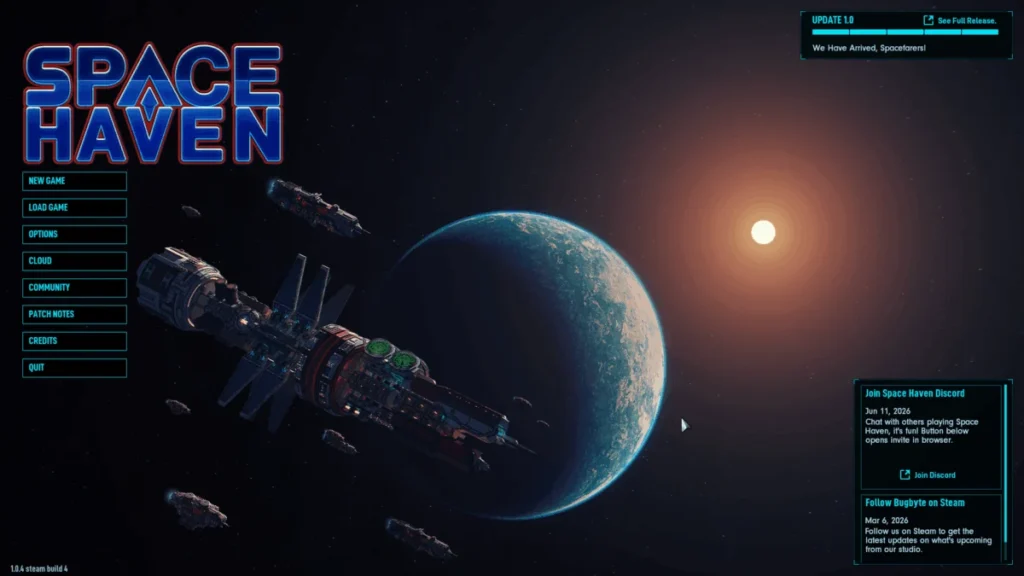
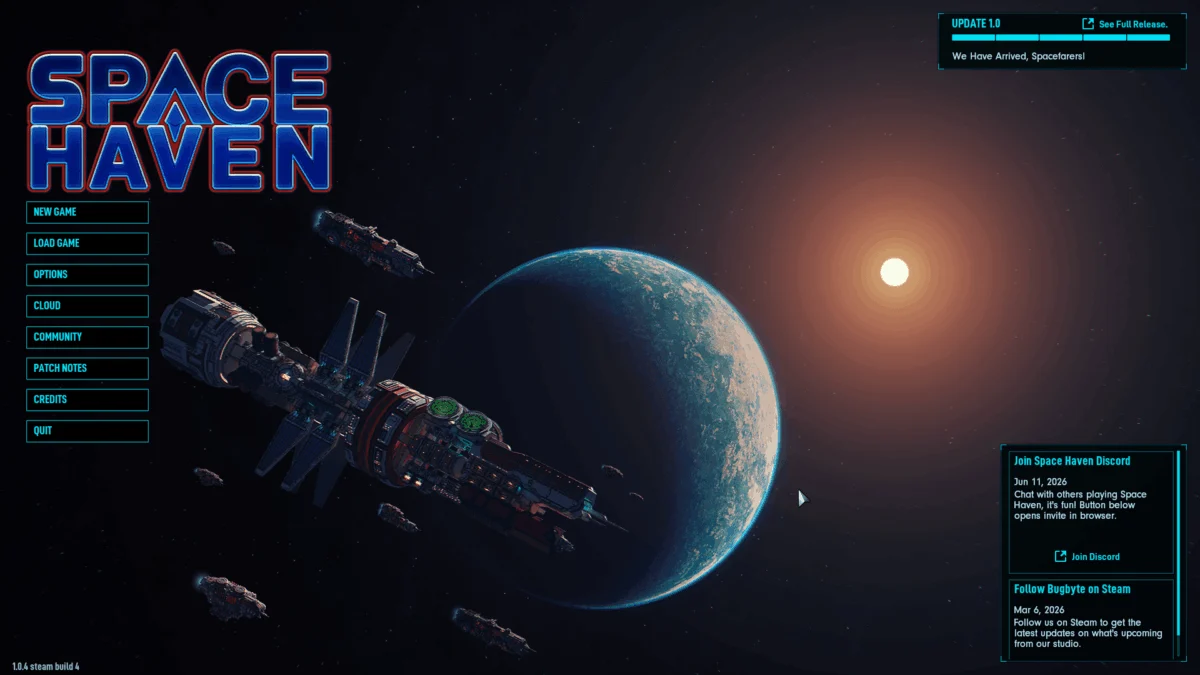
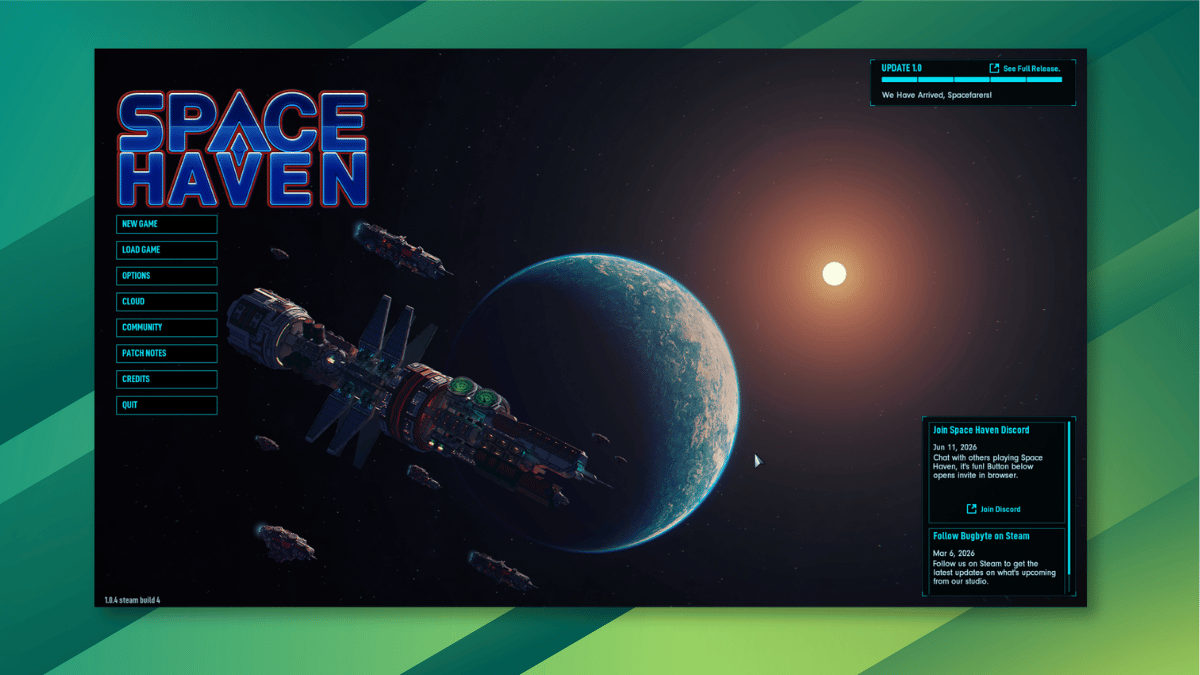
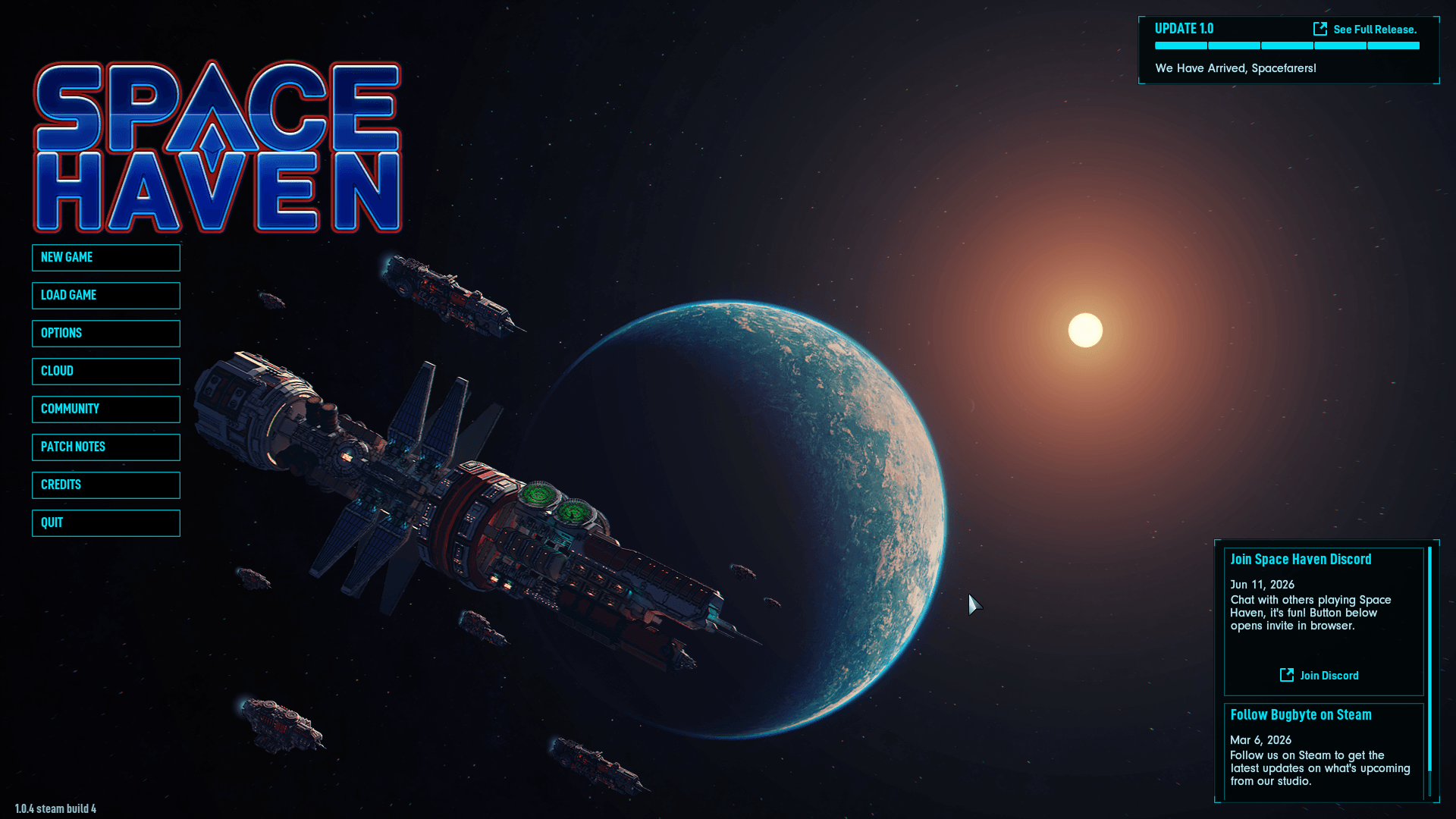
In an era where the gaming industry is increasingly reliant on complex compatibility layers, finding a title that respects the Linux ecosystem as a first-class citizen is a refreshing rarity. Recently, as my primary gaming rig remained inaccessible, I found myself turning to the Linux platform to scratch my gaming itch. What began as a casual search for indie titles during the Steam Summer Sale led me to Space Haven, a sprawling, ambitious space-themed colony simulation developed by the Turku-based indie studio, Bugbyte.
Space Haven is more than just a game; it is a complex engineering puzzle disguised as a survival experience. It offers a blend of base building, resource management, and tactical combat, all set against the cold, unforgiving backdrop of deep space. Having successfully transitioned from a 2019 Kickstarter campaign to a full release, the game has matured into a sophisticated title that demands both patience and foresight.
The Core Foundations: Survival in the Void
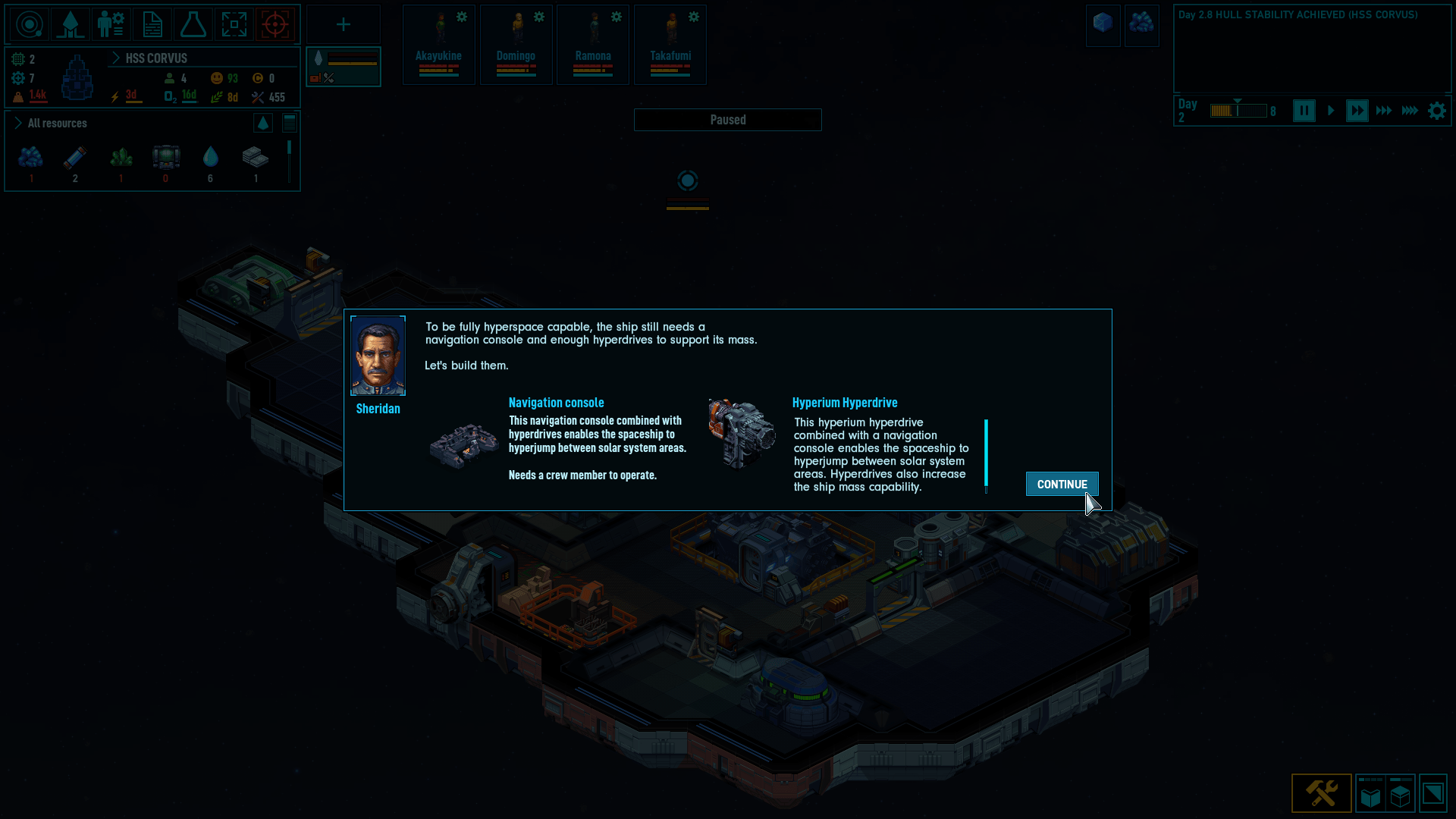
At its heart, Space Haven is a game of micromanagement. Players are tasked with building a functional spacecraft from scratch, but the challenge lies in the granular detail required to keep that ship—and its crew—operational. The game’s tutorial is comprehensive, though lengthy, providing a necessary introduction to the daunting array of systems you must master.
Once the tutorial concludes, the reality of the game sets in: you are responsible for every aspect of your crew’s existence. You cannot simply build a hull and expect success. Crew members have physical and psychological needs that must be addressed, ranging from the mundane, such as access to toilets and privacy, to the vital, such as food quality and comfortable sleeping arrangements. Neglect these needs, and you will quickly find your productivity plummeting as your crew succumbs to stress or illness.

Systems Engineering and Resource Management
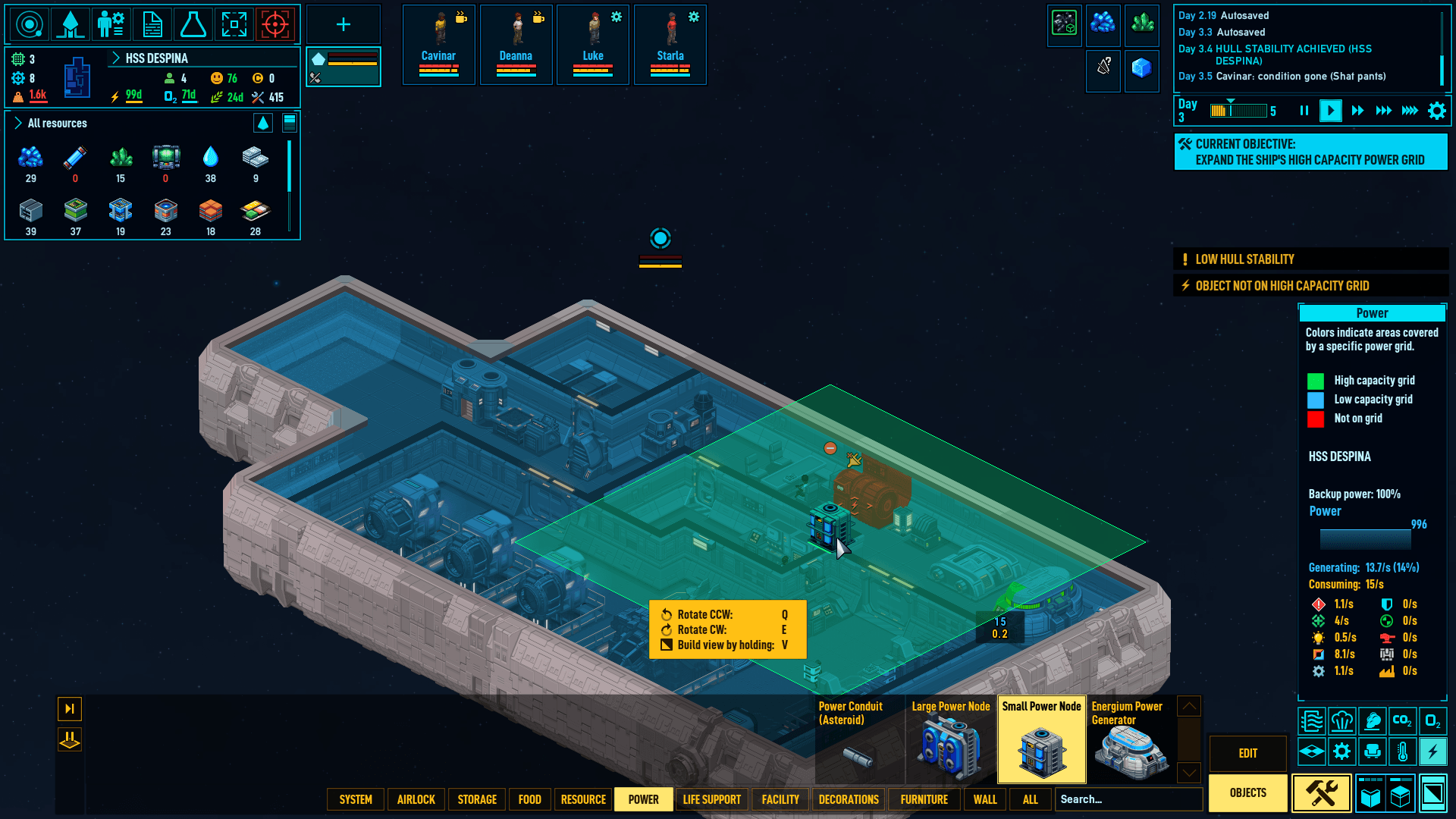
One of the most engaging aspects of Space Haven is the power grid. It is not enough to simply place a generator; you must physically route power nodes throughout the ship to ensure that critical infrastructure—oxygen generators, water purifiers, and light sources—remains active. If a power node fails or is poorly placed, life support systems may flicker out, leading to a cascade of failures that can doom your mission in minutes.
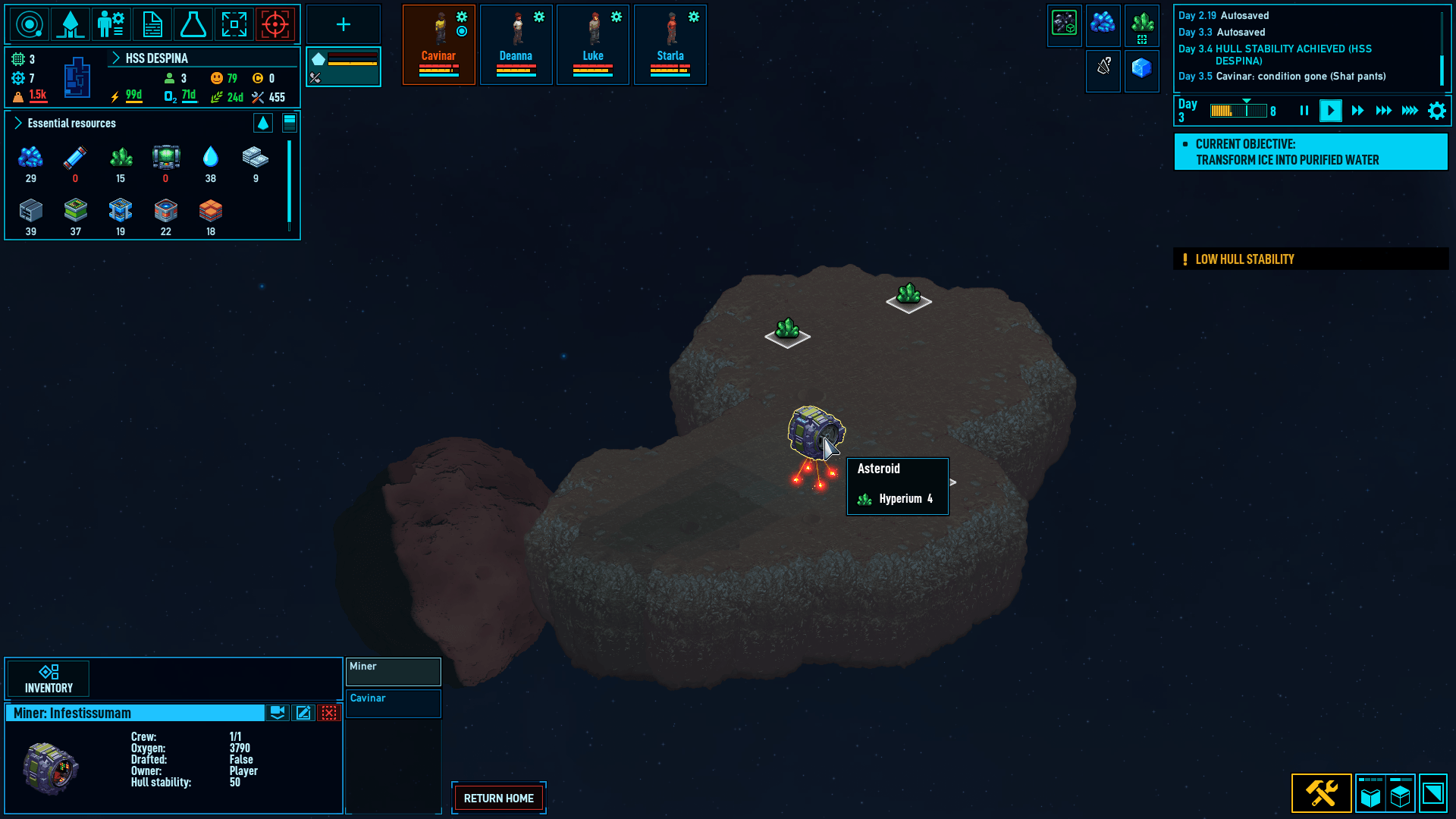
The economy of the game is equally demanding. To expand, you must engage in resource extraction. By utilizing pod hangars, you can deploy mining drones to harvest asteroids and derelict vessels. This process is highly automated, yet it requires careful logistical planning. You must balance the need for raw materials with the energy costs of running your hangars and the protective measures required to keep your mining operations safe from external threats.
Chronology of Development: From Kickstarter to Final Frontier
The journey of Space Haven began in 2019, when Bugbyte turned to the crowdfunding platform Kickstarter. The studio, based in the gaming-savvy region of Turku, Finland, presented a vision of a "RimWorld in space" that focused heavily on ship interior design and environmental physics.
The campaign was a resounding success, allowing the developers to refine their vision through an extensive period of Early Access. Unlike many projects that languish in development hell, Bugbyte maintained a steady cadence of updates, gradually introducing features such as combat mechanics, complex faction interactions, and advanced navigation systems. This period of open development was crucial, as it allowed the community to influence the balancing of the game’s resource economy—a factor that remains a highlight of the current build.
Supporting Data: Complexity vs. Accessibility
While Space Haven is a triumph of indie development, it is not without its friction points. Players familiar with titles like Oxygen Not Included will find themselves at home, but newcomers should be prepared for a steep learning curve.
Tactical Combat and Exploration
Combat in Space Haven is surprisingly deep. Players must manage turret placements to defend against incoming debris and enemy drones. When boarding derelict ships, the gameplay shifts into a tactical, squad-based mode. You must equip your crew with gear and issue precise orders to neutralize alien threats or hostile "clankers." The risk-reward dynamic here is potent: the resources found on these derelict ships are often the only way to progress, yet sending your crew into an unknown, potentially infested ship is a gamble that rarely ends without consequences.
The "Task Chaining" Issue
Despite its strengths, there is a technical hurdle that has been a point of contention within the community. As noted by many veteran players, the AI’s task management is occasionally inefficient. Crew members tend to treat tasks as isolated events rather than a chain of related actions. For instance, a colonist might lay a single wall block, wander off to address a trivial need, and then return to finish the wall. While this adds a layer of "realism" to the micromanagement, it can be frustrating when you are trying to complete time-sensitive repairs.
Official Responses and Developer Transparency
Bugbyte has been commendably transparent regarding the game’s development trajectory. In various community forums, developers have acknowledged the limitations of the current AI pathfinding and task-sequencing logic. They have indicated that while the core engine is stable, future patches are intended to address these "efficiency bottlenecks."
The studio’s commitment to the Linux platform is also noteworthy. By ensuring native support rather than relying on Proton or Wine, Bugbyte has secured a loyal fanbase within the Linux gaming community. This decision speaks volumes about their philosophy: providing a robust, performant experience regardless of the user’s chosen operating system.
Implications for the Colony Sim Genre
Space Haven serves as a case study for the modern colony simulation. It proves that there is a significant appetite for "hard" simulations—games that do not shy away from complex, interconnected systems.
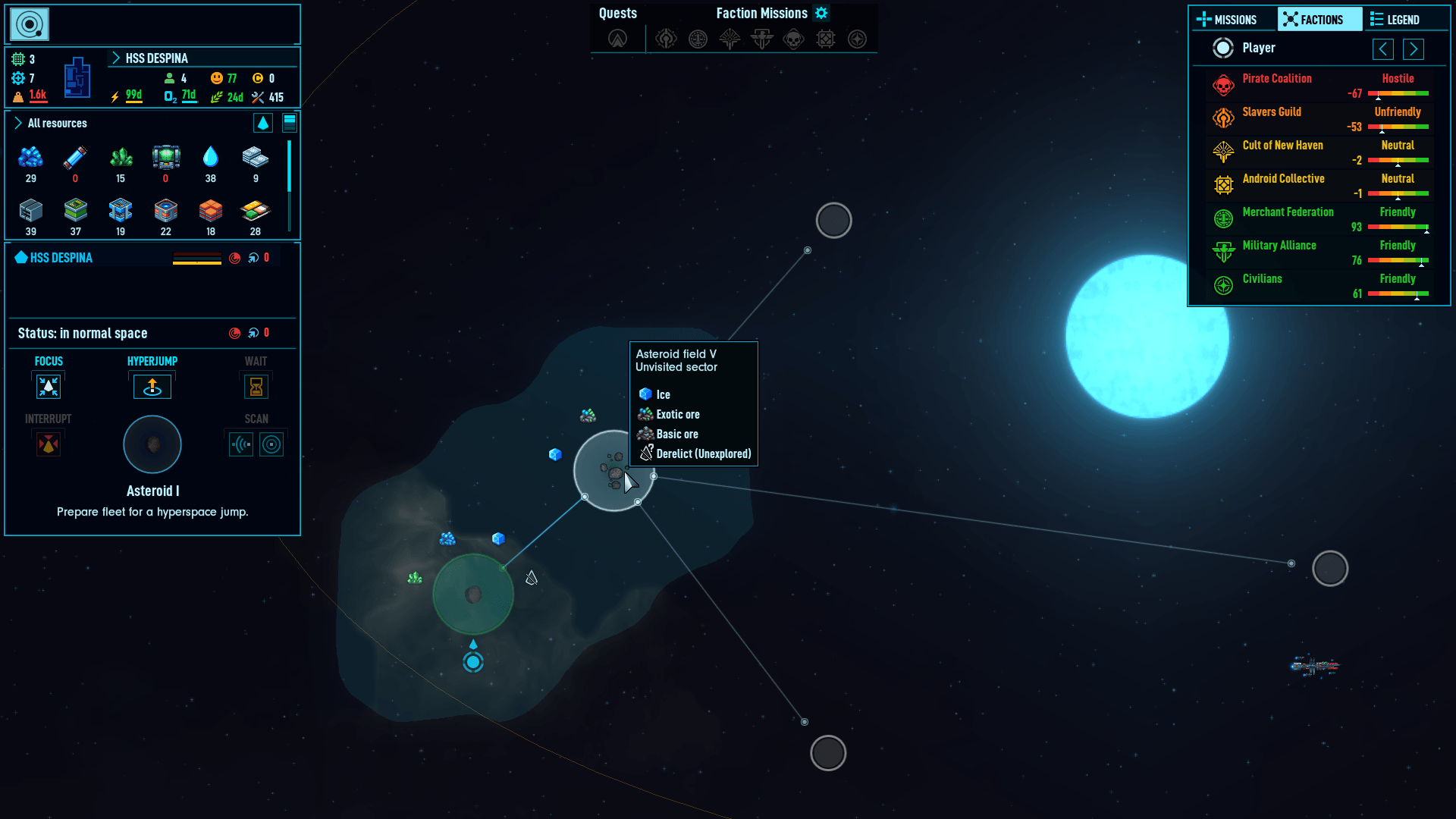
Pros and Cons at a Glance:
- The Positives:
- Native Linux Support: A rare, high-quality experience for the FOSS community.
- Immersion: The internal ship mechanics (oxygen, heat, power) create a genuine sense of tension.
- Strategic Depth: The transition from early-game survival to late-game faction diplomacy and prison management is seamless.
- The Negatives:
- UI/UX Frustrations: The inability to rotate the camera is a significant oversight in a game that relies on visual navigation.
- Repetitive Menus: The necessity of clicking through confirmation buttons for simple map loads is a minor, yet persistent, annoyance.
- AI Efficiency: As mentioned, task-chaining logic requires further optimization.
Conclusion: Is It Worth Your Time?
If you are a fan of intricate base-building and take pride in managing the minute details of a functioning society, Space Haven is an essential addition to your library. It is a game that rewards patience, punishes negligence, and offers an immense amount of content for its price point.
Whether you choose to purchase it on GOG for a DRM-free experience or on Steam to take advantage of the active modding community, you are supporting a developer that truly cares about cross-platform accessibility.
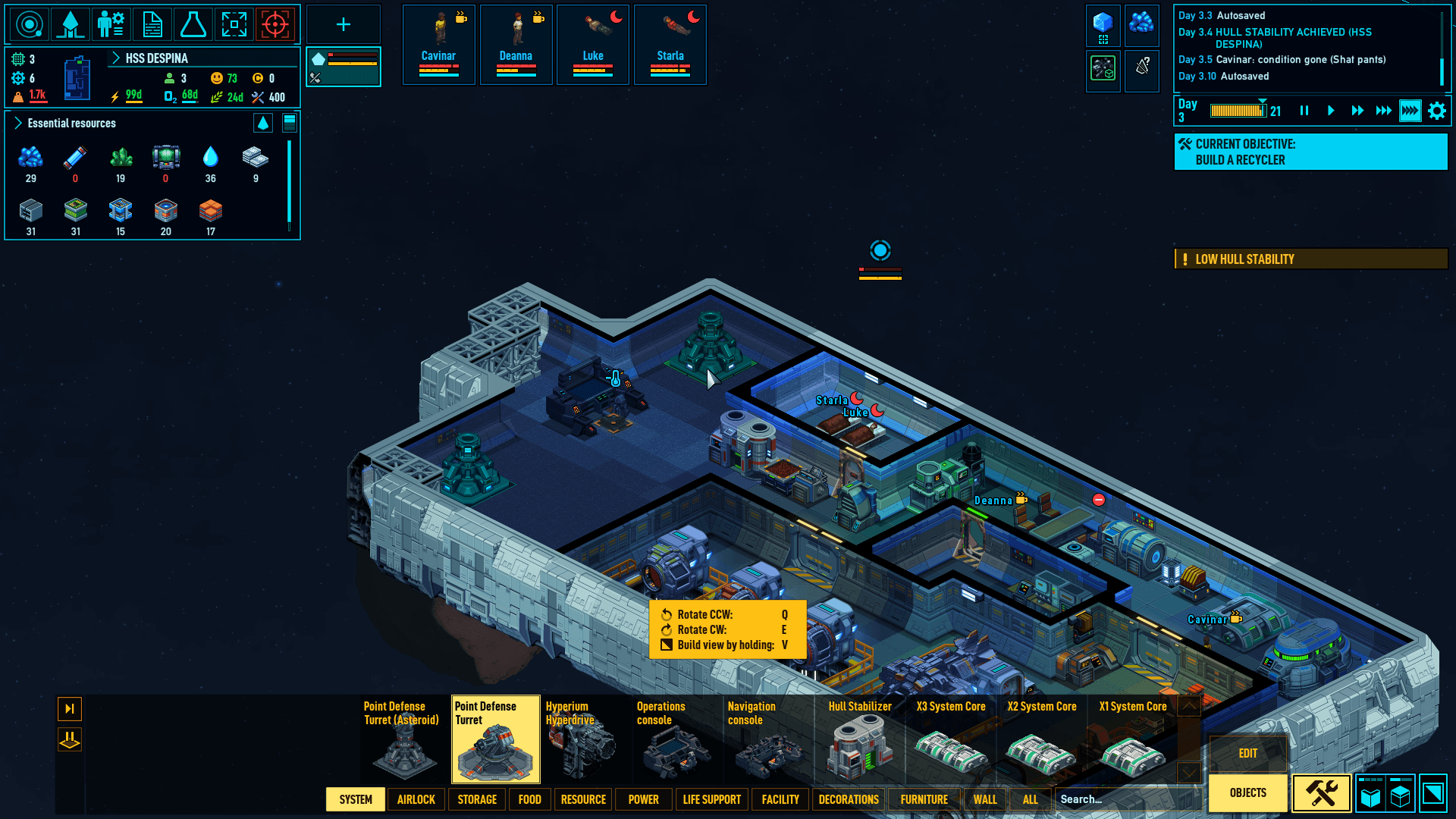
While there is definitely room for improvement—specifically regarding camera controls and AI task-batching—these are small blemishes on an otherwise stellar experience. As I continue my own playthrough, moving from simple asteroid mining to complex diplomatic encounters, I find myself constantly impressed by the scope of what Bugbyte has achieved. Space Haven is not just a game about building a ship; it is a game about building a home in the most inhospitable environment imaginable. And for those of us on Linux, it’s a shining example of how professional, high-quality development can thrive outside of the "big tech" ecosystem.