Garuda Linux Embraces the Nix Paradigm: A Deep Dive into the Evolution of "Garuda Nix"
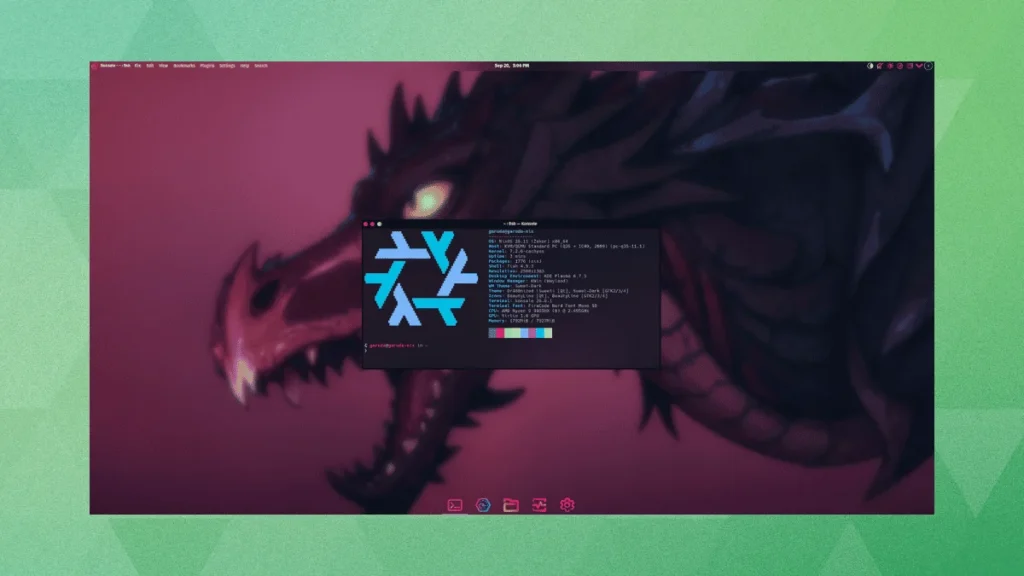
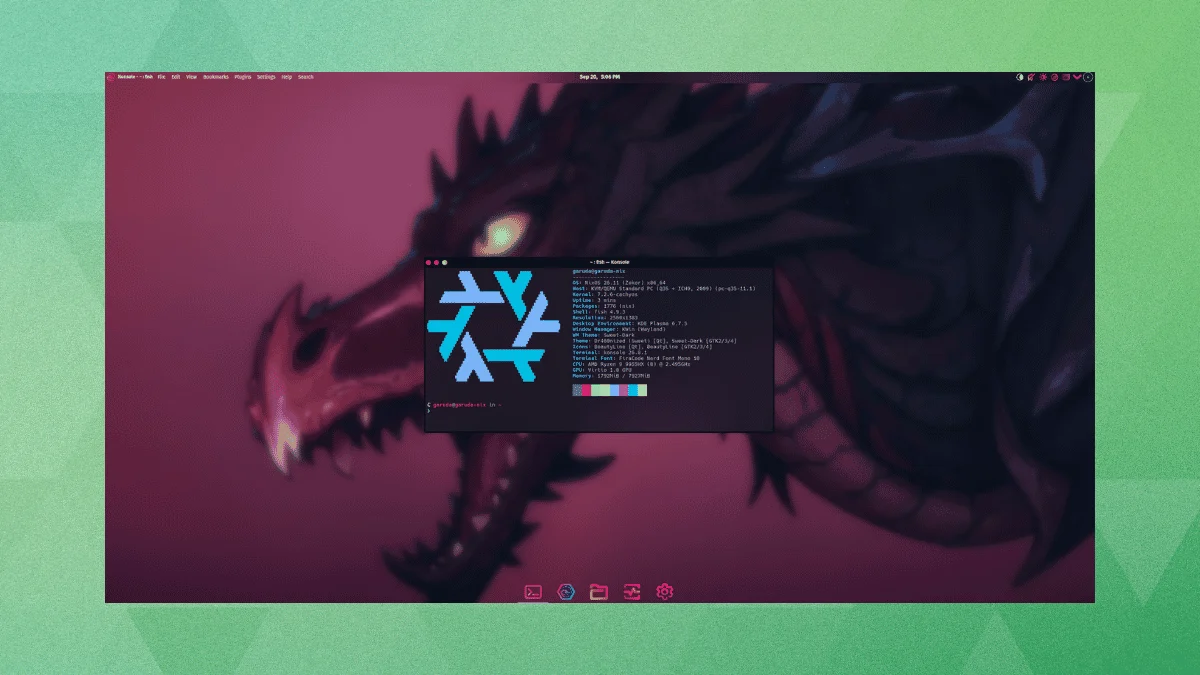
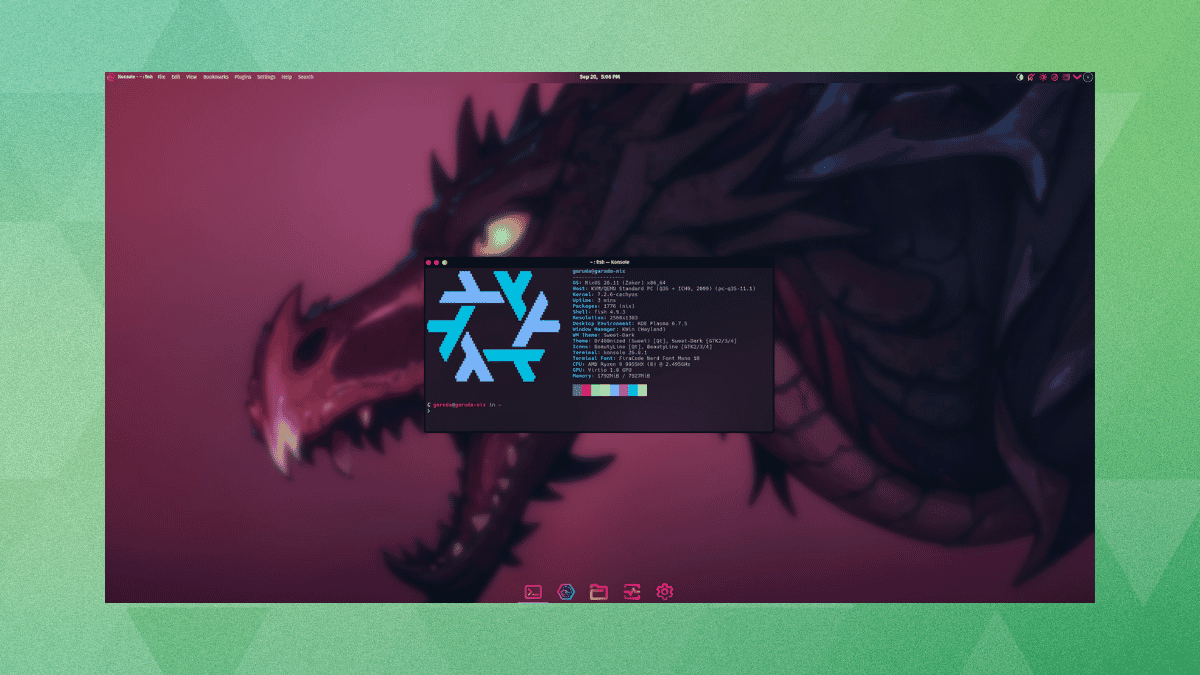
Garuda Linux, long celebrated for its bold aesthetic and high-performance, Arch-based foundation, is charting a bold new course. In a significant strategic pivot, the project maintainers have rebranded the "Garuda Nix Subsystem" to Garuda Nix, signaling a shift from a niche experimental tool to a full-fledged, bootable installation platform. This transition represents more than a mere cosmetic update; it is a fundamental expansion of the Garuda ecosystem, bridging the gap between the bleeding-edge convenience of Arch Linux and the immutable, reproducible power of the Nix ecosystem.
Main Facts: The Transition to Garuda Nix
At its core, Garuda Nix is an evolution of a previously secondary project designed to facilitate dual-booting NixOS alongside a standard Garuda installation. By leveraging BTRFS subvolumes, the project allowed users to maintain separate environments on the same drive without the traditional overhead of distinct physical partitions.
The new iteration transforms this capability into a standalone, bootable installer. Users can now deploy a dedicated ISO that features the familiar Calamares graphical installer or, for more advanced users, utilize a CLI-based tool—install-garuda-nix—for scripted, highly customized deployments. This move effectively positions Garuda as a gateway for the broader Linux community to adopt NixOS without sacrificing the user-friendly "out-of-the-box" experience that has become a trademark of the Garuda brand.
A Chronology of Development
The journey to this point has been iterative. Historically, the Garuda team focused on refining the Arch experience, optimizing kernel performance, and delivering unique desktop environment implementations like the "Dr460nized" edition. However, as the Linux community began to embrace immutable distributions and declarative system management, the Garuda maintainers recognized the potential of the Nix package manager.
- Phase I: Experimental Subsystem. Initially, Nix was integrated as a secondary subsystem, providing a way for power users to experiment with NixOS configurations while remaining within the comfort of their Garuda environment.
- Phase II: The Flake Era. With the maturation of Nix Flakes—the standard for reproducible Nix projects—the team began packaging their configurations, allowing for a more modular approach to system distribution.
- Phase III: The Rebrand and Independent Installer. Today, the transition to "Garuda Nix" marks the final step in this evolution. By releasing independent ISOs, the team has transitioned from providing a "tool for Garuda users" to providing a "distribution-agnostic entry point for NixOS."
Technical Underpinnings: What Garuda Nix Offers
The value proposition of Garuda Nix is twofold: it combines the ease of a guided installation with the robust, state-of-the-art management capabilities of NixOS.
The Installation Experience
For those opting for the graphical route, Calamares offers a streamlined process. Users can choose between two primary "flavors":
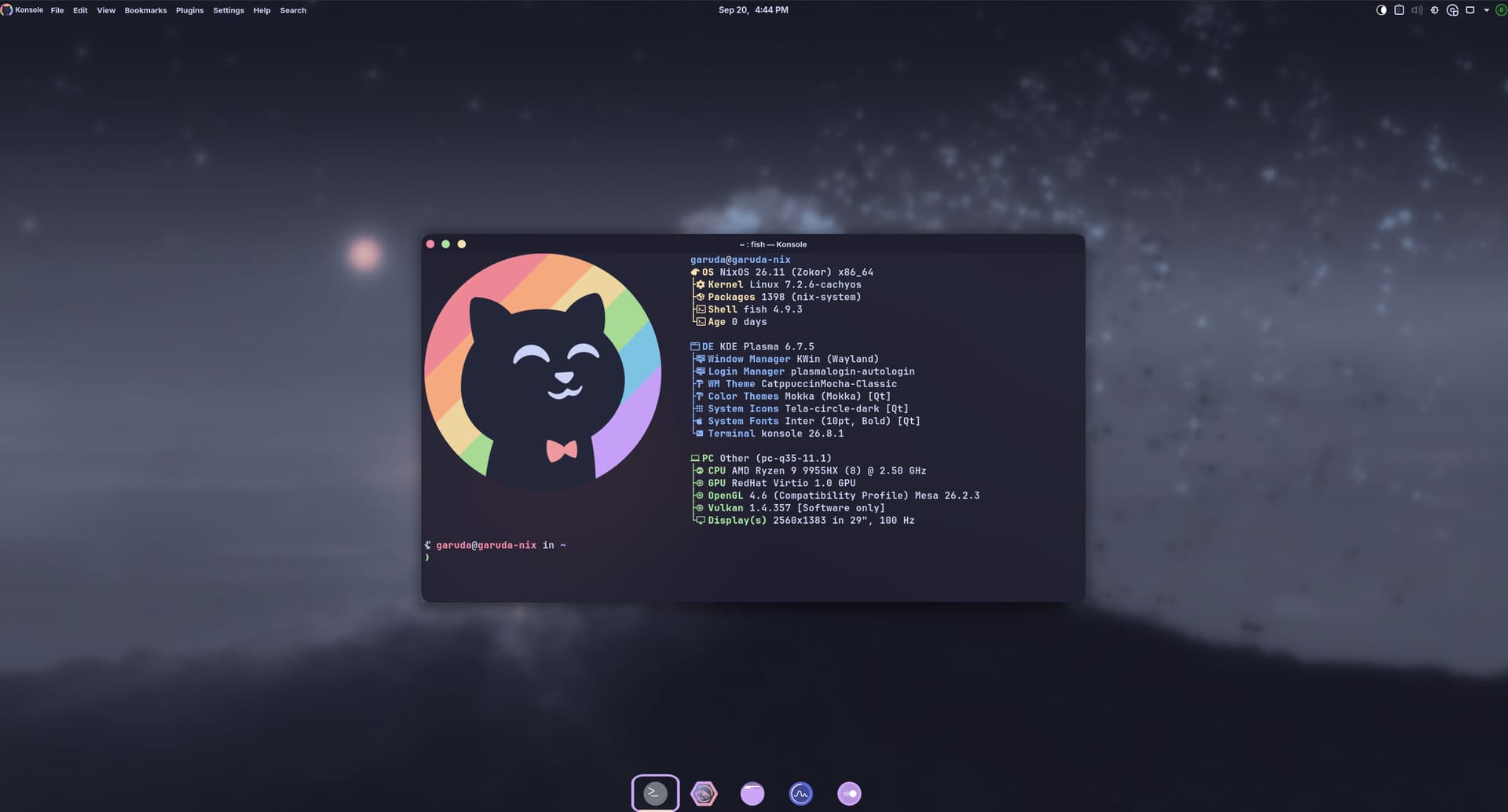
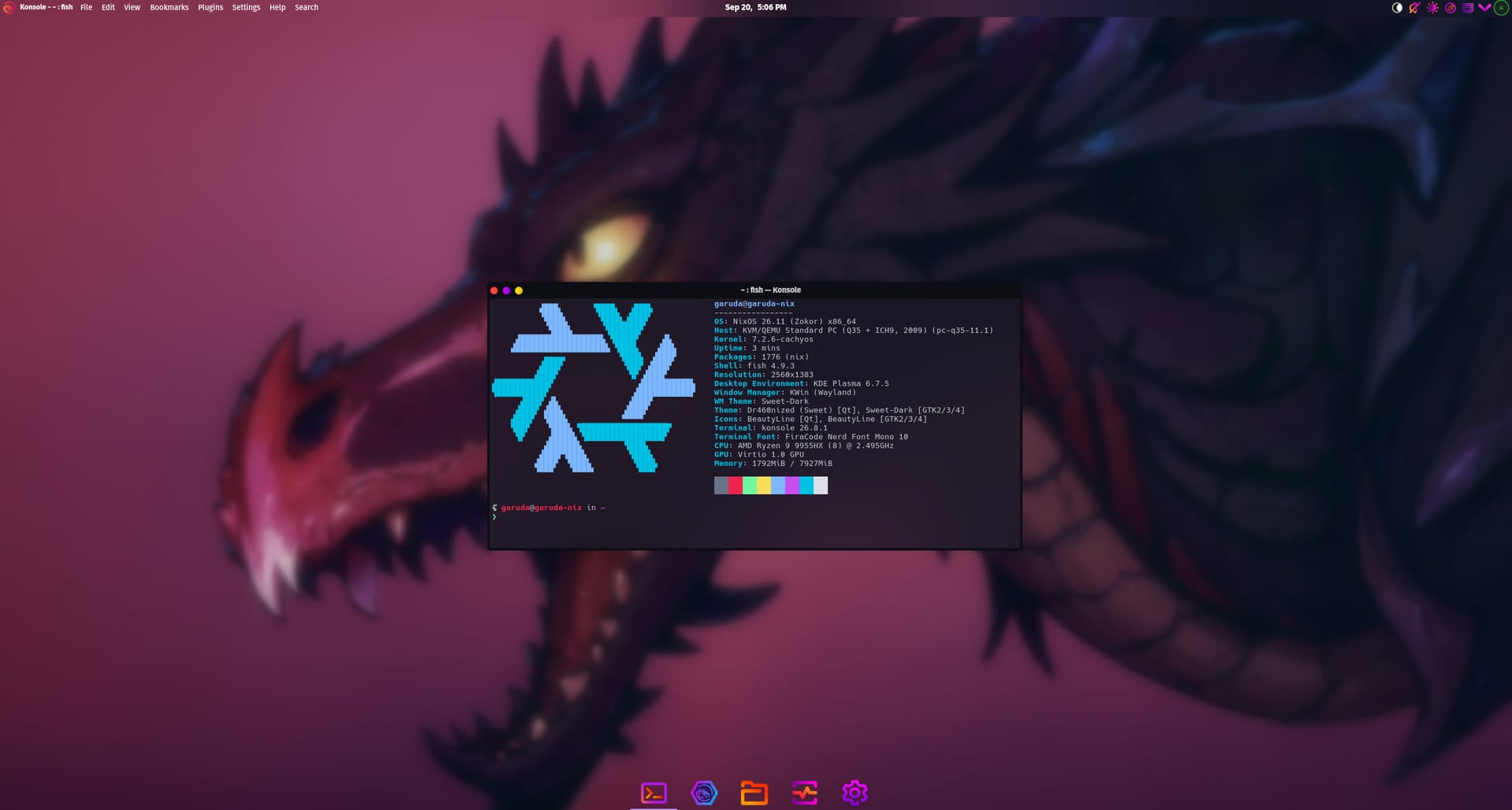
- Dr460nized: The signature Garuda aesthetic, featuring a highly customized KDE Plasma desktop with aggressive performance tuning.
- Mokka: A more refined, perhaps minimalist approach, catering to users who prefer a cleaner interface.
Beyond the aesthetics, the installer includes options for gaming optimizations and enhanced printing support, ensuring that even under the hood of an immutable system, the user experience remains feature-complete.
The CLI Power-User Tool
For those who prefer scripted environments, the install-garuda-nix tool is a revelation. It supports a variety of deployment targets, including desktops, laptops, servers, and even handheld devices. With support for eight different partition layouts—ranging from standard ext4 to complex encrypted BTRFS setups—it provides a level of flexibility rarely seen in pre-configured Nix installers.

The Draw of Impermanence
Perhaps the most significant technical feature of this release is the integration of Impermanence. When enabled, the root filesystem is effectively reset upon reboot. This ensures that the system state remains pristine, mitigating the "configuration drift" that often plagues long-term Linux users.
Critically, the system manages the persistence of essential data. Through the use of yescrypt hashing for user and root passwords, credentials remain intact across rollbacks. The system intelligently handles Wi-Fi credentials and specific user-configuration directories, while everything else—potentially malicious scripts or unwanted configuration changes—is wiped clean, providing a "factory reset" experience with every power cycle.
Supporting Data: Why the Shift Matters
The shift toward Nix is not arbitrary; it mirrors a broader industry trend toward reproducible infrastructure. According to recent surveys within the Linux community, the demand for "atomic" or "immutable" desktop distributions has risen by over 30% in the last two years. Users are increasingly wary of "breaking" their systems through package dependency conflicts—a problem that Nix inherently solves by keeping every library and dependency in a unique, read-only store.
By providing this within the Garuda ecosystem, the maintainers are effectively providing a "Safety Net." If a user breaks their system configuration, they are not forced to reinstall; they simply roll back to a previous "generation" of their system state, a process that takes mere seconds.
Official Stance and Community Perspectives
The Garuda Linux team has maintained that this is a natural progression of their mission to provide "the best of Linux." In discussions within the Garuda forums, the maintainers have emphasized that this is not a replacement for their Arch-based offerings, but rather a parallel track.
The lead maintainer, known by the handle dr460nf1r3, has consistently pushed for technological innovation, previously seen in the development of the FireDragon browser. This browser, a hardened fork of Librewolf, reflects the same philosophy as Garuda Nix: taking an existing, powerful base and refining it into a more secure, optimized, and user-friendly experience. The community response has been largely positive, with veteran users praising the move as a way to "graduate" from the potential instability of a rolling Arch base to the deterministic safety of Nix.
Implications for the Future of Linux
The release of Garuda Nix carries significant implications for the Linux ecosystem at large:
- Lowering the Barrier to Entry: NixOS has historically been viewed as having a steep learning curve. By wrapping it in the familiar, high-performance aesthetic of Garuda, the team is likely to attract a demographic of users who want the benefits of Nix but lack the time to build a custom system from scratch.
- Standardization: As more distributions adopt Nix-like features, we may see a move toward a more standardized way of managing system states. This could lead to better cross-distribution compatibility and more portable system configurations.
- The Rise of Declarative Computing: The move underscores the growing importance of "Infrastructure as Code" (IaC) principles in the desktop space. When a user can define their entire system—from wallpaper to kernel modules—in a single text file, the portability and reliability of that desktop experience skyrocket.
Getting Started
For those looking to dive in, the path is clear. The daily ISO builds are available through the official Garuda Linux repository. For current NixOS users, the barrier to entry is even lower: the entire Garuda Nix environment can be invoked via a single nix run command, pointing directly to the project’s flake.
However, a word of caution is warranted: NixOS is not a drop-in replacement for a traditional Linux distribution. Because configuration is handled entirely through text files—rather than a traditional GUI settings panel—users should be prepared for a learning curve. The reward, however, is a system that is virtually indestructible and perfectly reproducible.
Conclusion
Garuda Linux’s transition to include "Garuda Nix" as a first-class citizen is a bold, visionary move. By embracing the immutability and reproducibility of the Nix package manager, the Garuda team is ensuring that their users have access to the most modern tools available in the open-source world. Whether it is the peace of mind offered by file-system impermanence or the convenience of a reproducible system state, Garuda Nix provides a compelling case for why the future of Linux may very well be declarative.
As the project continues to evolve, it remains a beacon of how independent Linux distributions can foster innovation, taking the best ideas from the wider ecosystem and refining them into a package that is both powerful and accessible. Whether you are a long-time Garuda enthusiast or a curious Linux power user, the advent of Garuda Nix is a development that demands your attention.