Indie Game Spotlight: Rediscovering Classics, Deep Space Fishing, and Whimsical Frog Adventures

Happy Thursday, gaming enthusiasts! As the weekend approaches, the digital landscape of itch.io continues to flourish with a diverse array of creative endeavors. This week, we find ourselves at the intersection of nostalgia, existential narrative, and pure, hand-drawn charm. From the pixelated, monochromatic grit of a legendary demake to the serene, melancholic depths of interstellar exploration and the vibrant, joyful escapades of a tiny amphibian, these selections prove that the indie scene remains the beating heart of modern game design.
In this edition, we delve into LCD, Please, the surprising return of a border-control masterpiece; The Anglerfish Project, a narrative experiment that challenges the boundaries of genre; and Frog’s Adventure, the latest triumph from the prolific creative collective, Sokpop.
The Return of a Dystopian Icon: LCD, Please
Main Facts and Context
Ten years after it first redefined the "bureaucratic thriller" genre, Lucas Pope’s Papers, Please remains a touchstone of interactive storytelling. The original title challenged players to balance the survival of their family against the harsh, soul-crushing requirements of a border checkpoint in the fictional communist state of Arstotzka. It was a game about the banality of evil, the pressure of quotas, and the ethical dilemmas inherent in institutional compliance.
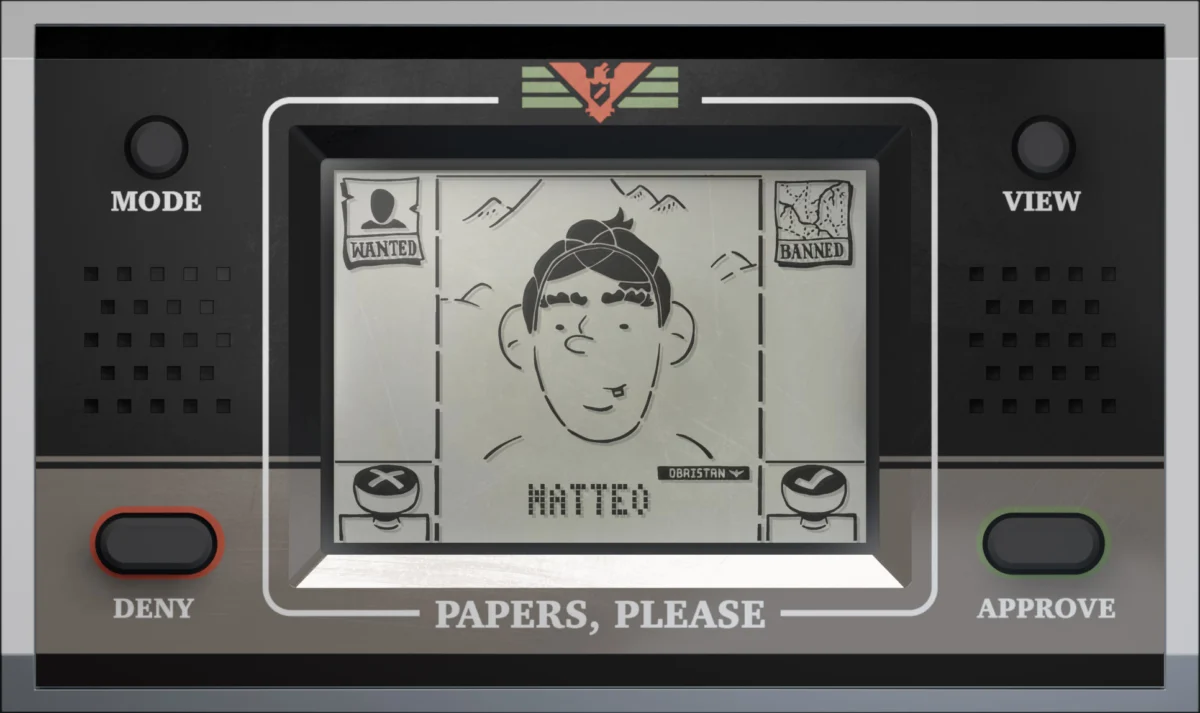
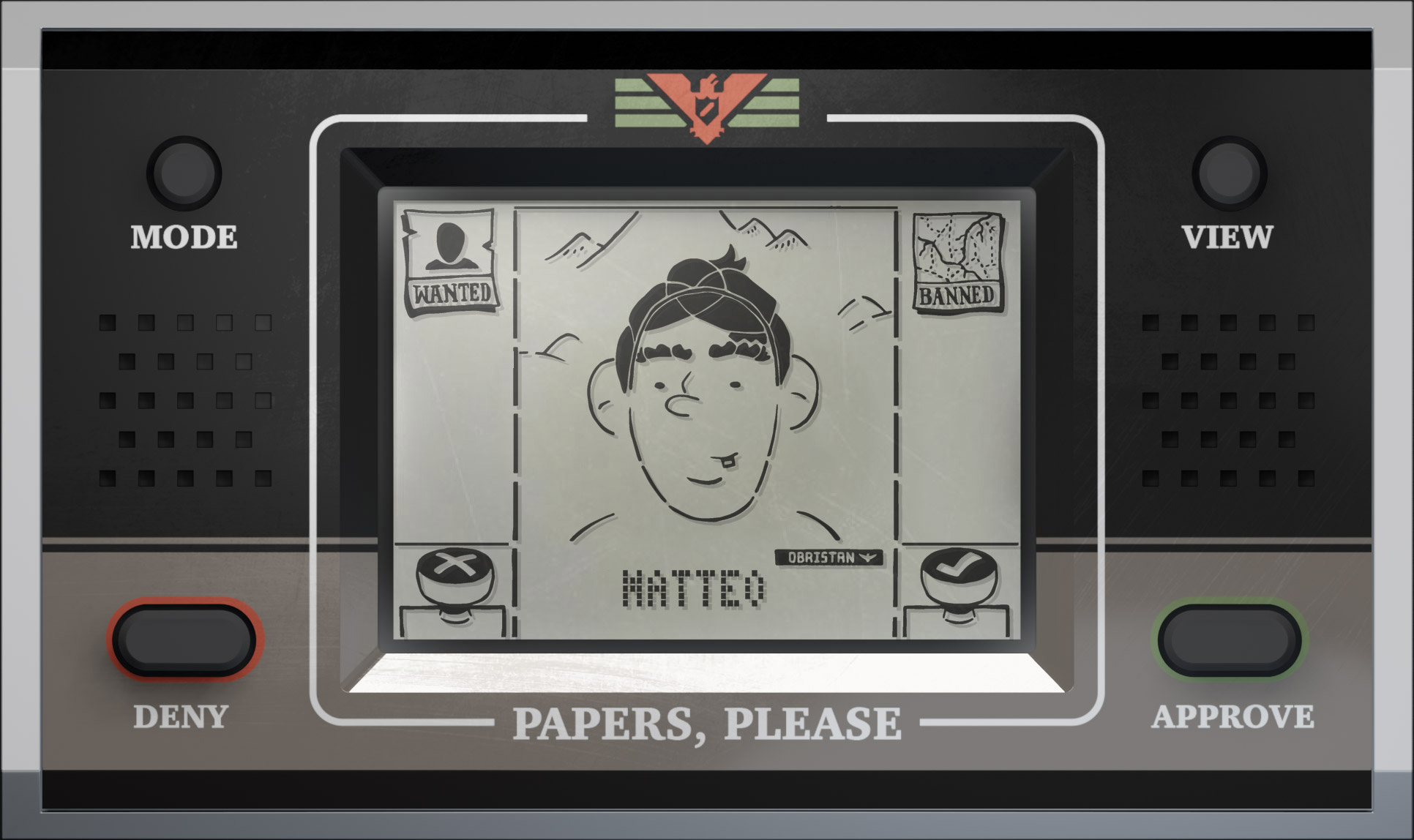
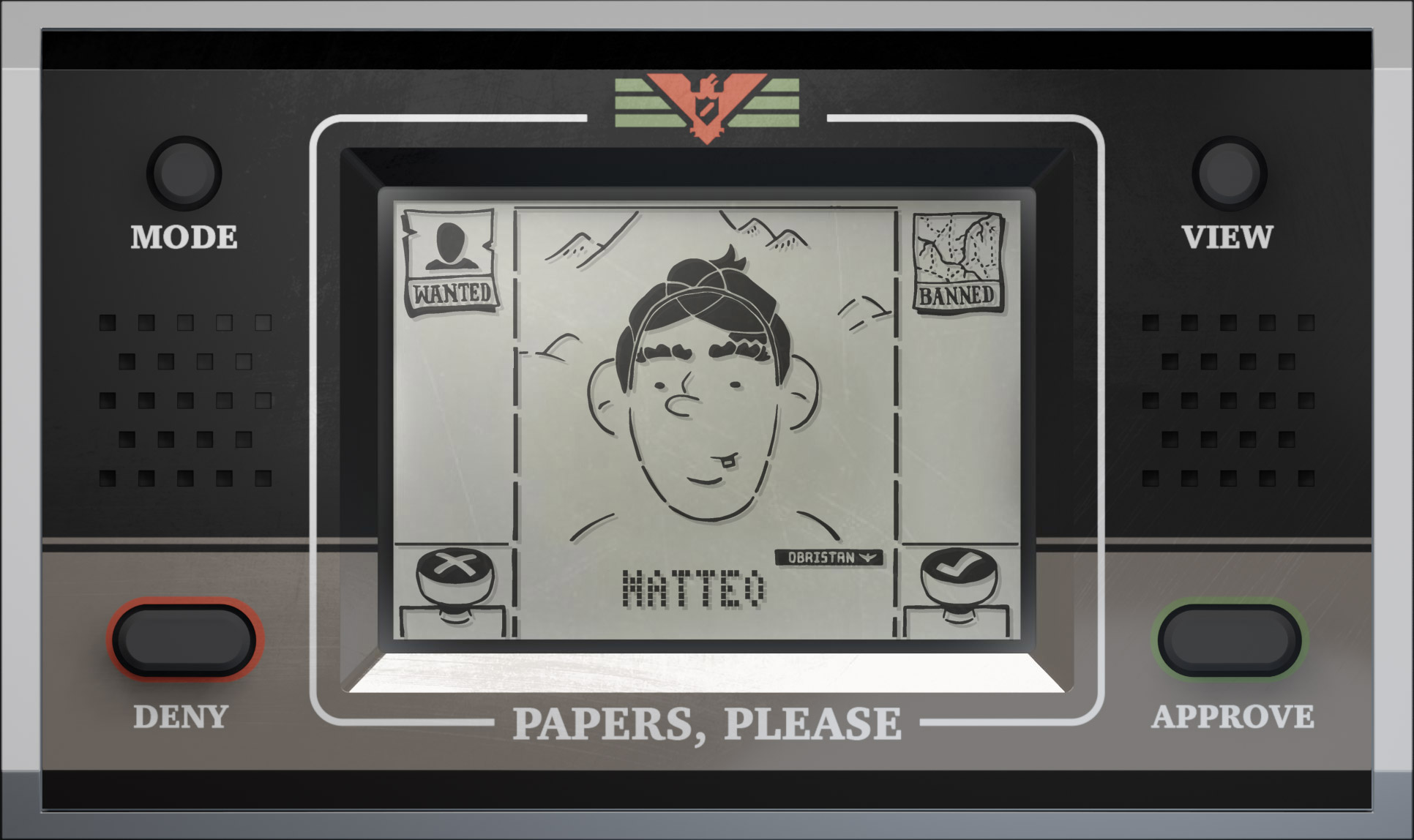
Now, in a move that serves both as a loving homage and a masterclass in minimalist design, Lucas Pope has released LCD, Please. This "demake" strips away the heavy, gritty atmosphere of the original, recontextualizing the core mechanics of document verification into the restrictive, low-fidelity form of a handheld liquid-crystal display (LCD) game.
Implications of the Demake
The shift from a complex PC simulation to a handheld-style experience is more than just a stylistic choice; it is an analytical statement. By distilling the gameplay down to its barest essentials—checking passports, matching data, and reacting to simple binary prompts—Pope highlights the genius of his original design.
For veterans of the 2013 title, LCD, Please offers a nostalgic trip down memory lane, reminding us of how much tension could be squeezed out of a few pixels and a ticking clock. For newcomers, it acts as a perfect, bite-sized introduction to the core loop that made the original a genre-defining success. It is a reminder that great game design isn’t about the fidelity of the graphics, but the strength of the underlying system.
The Anglerfish Project: When Space Meets the Deep Blue
Narrative Mechanics and Genre Blending
It is a rare feat for a developer to successfully blend the vast, cold emptiness of space with the tranquil, rhythmic patience of fishing. The Anglerfish Project, developed by Selkie Harbour, does just this, but with a thematic twist that elevates it beyond a simple mechanics-based mashup.
In this narrative-driven adventure, players do not hunt for biological aquatic life. Instead, the player operates a specialized, modified probe, casting it into the vast, dark abyss of space. The "catch" isn’t a fish, but rather fragments of communication—messages from distant corners of the universe that, when pieced together, form a cohesive, poignant narrative about isolation, connection, and the human condition.
Supporting Data and Emotional Impact
While the game’s runtime is relatively short, it possesses a profound density of emotion. The writing is the true star here; it is empathetic, observational, and deeply human. In an industry that often prioritizes high-octane combat or complex skill trees, The Anglerfish Project offers a quiet space for reflection. It is the kind of game that lingers in the mind long after the credits roll, leaving the player with a sense of wonder about the unseen entities existing within the vast digital expanse.
The technical execution of the "fishing" mechanic provides a meditative rhythm that encourages the player to slow down and listen to the story being told. It serves as a reminder that narrative games are most effective when their mechanics serve to reinforce the themes, rather than distract from them.
Frog’s Adventure: The Sokpop Phenomenon
The Sokpop Creative Machine
To follow the output of the game development collective Sokpop is to witness a perpetual motion machine of creativity. Dropping games on a monthly basis, the collective has built a reputation for high-concept, low-poly, and consistently charming experiences. Their latest release, Frog’s Adventure, continues this trend, proving that they are not only capable of high volume but also increasing their own standard of quality with every iteration.
Frog’s Adventure is a hand-drawn, third-person journey that places the player in the skin of an impossibly cute, sentient frog. From a visual standpoint, the game is a masterclass in character design. The aesthetic is warm, inviting, and inherently joyful, utilizing a soft color palette and expressive, fluid animations that breathe life into the titular protagonist.
Gameplay Philosophy
At its core, Frog’s Adventure is an "adventure game" in the classic sense: the player moves from point to point, interacting with a cast of quirky characters and shuttling items (the "doodads") to resolve environmental puzzles. While the gameplay loop is straightforward, the journey is intentionally designed to be the primary focus.
Sokpop understands something fundamental about the player experience: when the world is this well-realized and the character is this endearing, the act of traversal becomes a reward in itself. Whether you are simply hopping through a field or engaging in a conversation with a fellow creature, the game maintains a sense of playful, low-stakes discovery that is rare in modern titles. It is a testament to the fact that sometimes, the most sophisticated design choice is to create a space that the player simply wants to be in.
Industry Implications and Community Engagement
The diversity of these three titles—a high-stakes demake, a narrative-heavy space simulator, and a hand-drawn joy-fest—perfectly encapsulates the current state of independent game development.
Chronology of Trends
Over the last few years, we have seen a clear shift in the indie space. Developers are moving away from the "bigger is better" philosophy that dominated the early 2010s. Instead, we are seeing a resurgence in:
- Refinement: Revisiting older design philosophies and stripping them down to their core essence, as seen in LCD, Please.
- Genre Hybridization: Experimenting with unlikely combinations to create unique emotional beats, as evidenced by The Anglerfish Project.
- Stylistic Intimacy: Focusing on character-driven experiences that prioritize visual charm and narrative warmth, exemplified by Frog’s Adventure.
Official Responses and Community Sentiment
The community response to these titles has been overwhelmingly positive. On platforms like itch.io, the comment sections have become hubs for deeper discourse. Users are not just reviewing these games; they are sharing their own experiences, such as the user kaizarnike, who recently noted their excitement for upcoming tabletop and digital narrative projects. This interactive feedback loop between developers and the community is vital. It allows creators to iterate, respond to player needs, and foster a sense of shared ownership over the games being produced.
The "games of the week" feature on platforms like itch.io serves as an essential filter in an increasingly crowded market. By highlighting these specific titles, the community and the curators are signaling a move toward more thoughtful, concise, and emotionally resonant gaming.

Conclusion: The Future of Indie Gaming
As we look toward the remainder of the year, it is clear that the indie sector is in a healthy, innovative position. We are witnessing a maturation of the medium where developers feel empowered to tell stories that are niche, experimental, or deeply nostalgic.
Whether you are looking to test your moral resolve at a virtual border crossing, contemplate the nature of existence through interstellar messages, or simply hop through a meadow as a very charming frog, this week’s selection offers something for every type of player.
What are you playing this weekend? The beauty of the indie scene is that there is always something new waiting to be discovered. Be sure to engage with the developers, share your thoughts in the comments, and support the creators who are pushing the boundaries of what a game can be.