Instant Action: The Rise of High-Fidelity Browser Gaming
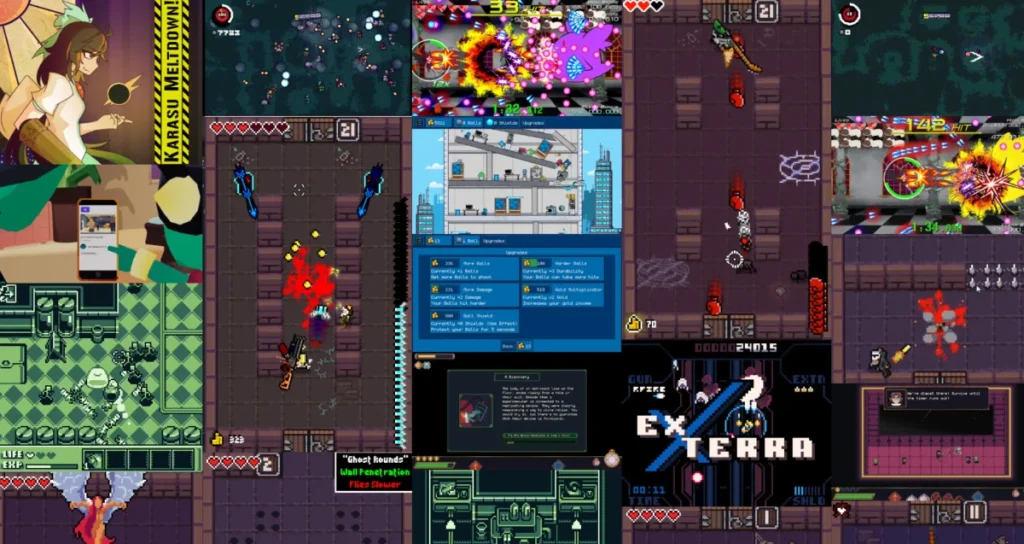
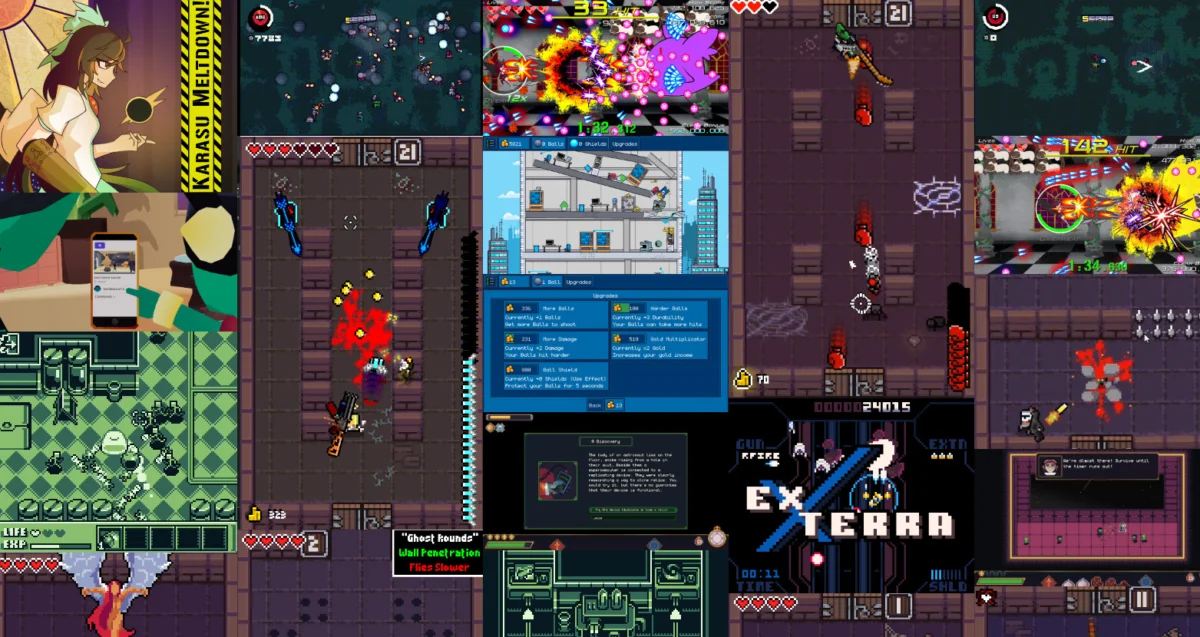
In an era defined by massive file sizes, day-one patches, and the perpetual cycle of downloading and updating, the humble browser game has undergone a silent, sophisticated revolution. No longer confined to the simple "Flash" experiences of the early internet, modern browser titles—particularly those hosted on platforms like itch.io—now offer complex mechanics, intricate art styles, and addictive gameplay loops that rival their standalone, installed counterparts.
This weekend, if you find yourself seeking the thrill of high-octane action without the commitment of a multi-gigabyte download, the landscape of web-based gaming has never been more fertile. From bullet-hell shooters that test your reflexes to roguelites that challenge your strategic planning, the browser has become a premier destination for experimental and polished independent development.
The Evolution of the Browser Experience: Main Facts
The primary shift in browser gaming is driven by advancements in web technologies like WebAssembly (Wasm) and WebGL. These tools allow developers to push the boundaries of what a web browser can render, enabling the performance of 3D graphics, complex physics engines, and expansive, procedurally generated worlds.
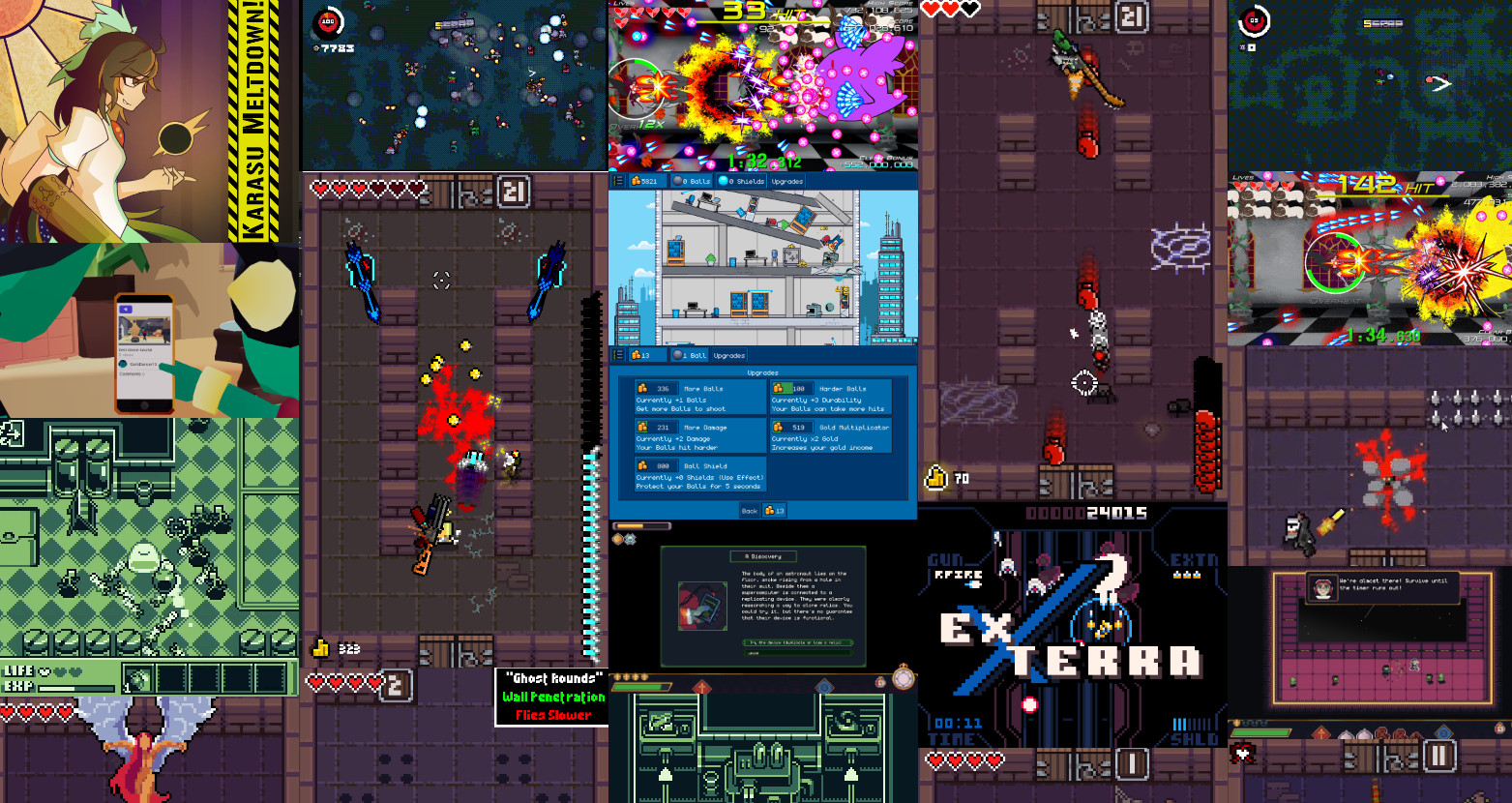
The current selection of action-oriented browser titles reflects a move toward "instant accessibility." By removing the friction of installation, developers are finding that players are more willing to jump into a "quick round" of a game, which often leads to longer session times and higher engagement. This "zero-latency entry" is changing the distribution model for indie developers, allowing them to showcase their prototypes and polished works to a global audience in seconds.
A Chronology of Innovation
To understand the current state of these titles, one must look at the recent evolution of game jams. Platforms like itch.io have become the primary incubators for these games.
- The Prototyping Era (2018–2020): Developers began using web-based engines to create "quick-fire" prototypes. This led to the rise of the "survivor-like" sub-genre, which thrives on browser-based performance.
- The Integration Phase (2021–2023): With the rise of engines like Godot and improved PICO-8 exports, the gap between browser games and desktop games narrowed. Games like Gun Knight and KARASU MELTDOWN! exemplify this, utilizing sophisticated mechanics that were once thought to be too taxing for a web browser.
- The Present Day (2024): We are currently seeing a refinement of these concepts. Developers are now creating specialized, "bite-sized" experiences designed specifically to be consumed in a browser, rather than just porting desktop games to the web.
Featured Titles: A Showcase of Web-Based Action
The following projects represent the cutting edge of what is currently available on the browser-based market:

1. Gun Knight: The Mastery of Gun Magic
Gun Knight is a masterclass in the roguelite genre. By blending traditional dungeon-crawling with a unique "gun modification" system, it creates a gameplay loop that feels fresh every time you descend into its pixelated depths. Starting with a basic pistol, players are encouraged to experiment with various attachments, turning their weapon into a magical engine of destruction. The pixel art aesthetic is crisp, responsive, and perfectly optimized for browser play.
2. Portal to the Cosmobeat: Casual 3D Rhythm
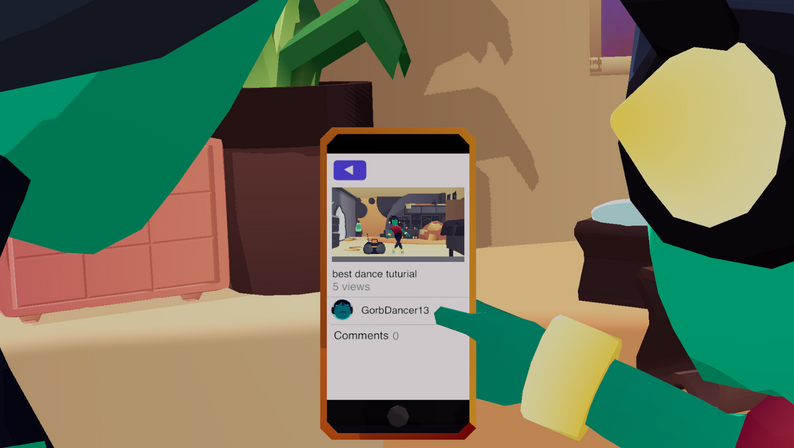
Not all action is about combat. Portal to the Cosmobeat brings a vibrant, 3D world to the browser. As the protagonist, Gorb, the player embarks on a quest to become the galaxy’s greatest dancer. It is a testament to modern browser capabilities that a fully realized 3D environment with a narrative-driven flow can be accessed with a single click.
3. Plummet Panic: Physics-Based Incrementalism
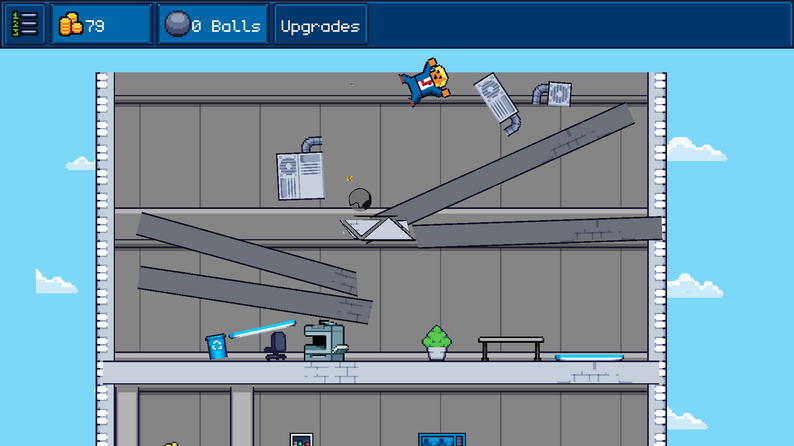
Born from the Godot Wild Jam #73, Plummet Panic is a frantic, physics-driven race to the bottom. It utilizes the "incremental" design philosophy—where players destroy floors and collect currency to upgrade their character—to keep the experience engaging. Its inclusion in this list highlights how well-suited short-cycle physics games are for the browser platform.
4. EX TERRA: High-Scoring Shmup
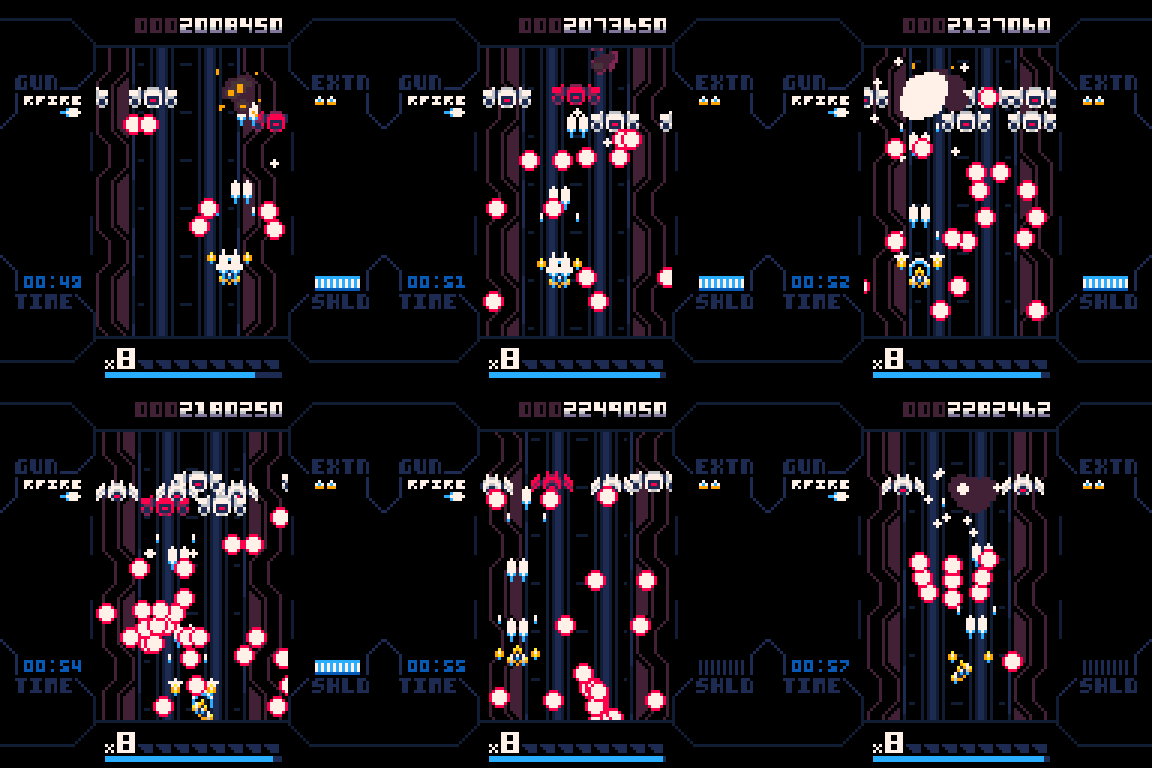
For fans of the classic arcade, EX TERRA offers a high-stakes, PICO-8-powered shoot-’em-up experience. With its emphasis on close-quarters combat and shield management, it serves as a reminder that the best arcade games are those that force the player to balance aggression with defense.
5. Groblin Survivors: The Tower Defense Hybrid
Groblin Survivors effectively mashes up the "horde survival" craze with tower defense mechanics. Players must think on their feet, dodging waves of enemies while strategically placing defensive structures. Its chunky pixel art provides a distinct visual style that is both readable and nostalgic.
6. Moon Watch: Time-Manipulating Roguelite
Created for the Post Jam "Jam" #9, Moon Watch is perhaps the most mechanically complex game in this selection. It incorporates deck-building elements and time-stopping mechanics to allow players to set up intricate combos against lunar vampires. It shows that browser games are no longer just "simple games"—they are platforms for complex strategic thought.
7. KARASU MELTDOWN!: The Bullet Hell Standard
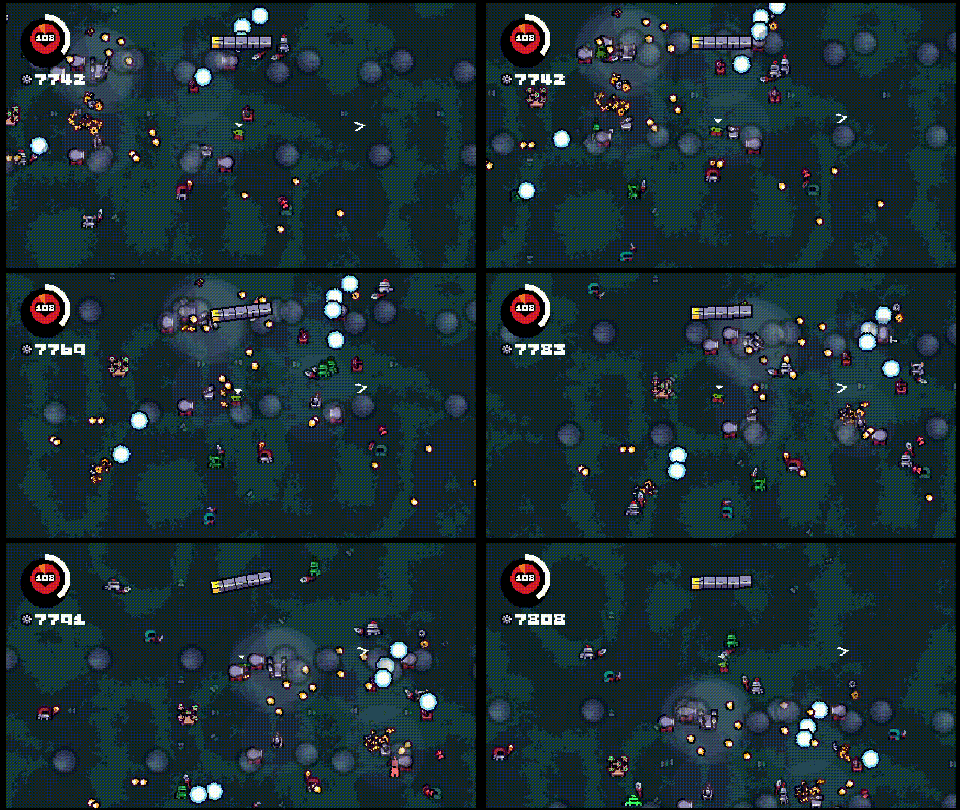
KARASU MELTDOWN! brings the intensity of a bullet-hell caravan shooter to the browser. By tying bomb mechanics directly into survival and scoring, it forces the player to take risks. It is a high-octane example of how game jams (in this case, the Gunner Parade ’22 Winter League) foster intense, competitive-grade gameplay.
8. Slime 3k: Demake
The Slime 3k: Demake is a brilliant stylistic choice. By stripping away modern graphical overhead and adopting a Game Boy-inspired aesthetic, the developers have created an incredibly smooth, performant roguelite experience that runs flawlessly on almost any modern browser.
Supporting Data and Technical Implications
The technical viability of these games is not an accident. According to current web-developer surveys, the "Web-First" approach is becoming a priority for independent studios. The primary advantages cited by developers include:
- Zero-Friction Distribution: By bypassing the vetting processes of large storefronts, developers gain immediate feedback from their communities.
- Cross-Platform Parity: Because these games run within a browser engine, they inherently support Windows, macOS, and Linux without the need for multiple builds or complex porting processes.
- Engagement Metrics: Data from itch.io suggests that browser-based games have a "click-to-play" conversion rate nearly 40% higher than titles that require a download, even when those titles are free.
Official Perspectives
In a recent developer roundtable regarding the state of indie distribution, several creators noted that the browser is the "last frontier" of experimental game design. "When a player doesn’t have to download a file, they are much more forgiving of experimental mechanics," says one indie developer. "The browser allows us to fail fast, learn, and iterate. It has turned the internet into a giant, live game jam."
The gaming community has responded in kind. User feedback on these platforms consistently highlights that the creativity found in these browser titles often surpasses that of mainstream, high-budget sequels. The "creative freedom" afforded by the web browser allows for mechanics that simply wouldn’t be profitable in a traditional retail environment.
The Future of Browser-Based Action
As we look forward, the implications for the industry are clear. We are likely to see a continued shift toward "Web-Native" titles. While console and PC gaming will always have a place for massive, immersive experiences, the browser is rapidly becoming the home for "instant joy"—games that respect the player’s time and desire for immediate, high-quality action.
The next time you find yourself with fifteen minutes to spare, you no longer need to wait for a launcher to update or a patch to install. You have a universe of action waiting in your browser window. From the neon-drenched bullet hells to the strategic depths of deck-building roguelites, the barrier to entry has officially been removed. The only thing left to do is play.