Tiny Worlds, Massive Creativity: A Deep Dive into the Ludum Dare 56 Showcase
The competitive landscape of game development is often defined by long, grueling cycles of production, but once every few months, the industry turns its gaze toward a high-pressure, high-creativity event: Ludum Dare. On October 7th, 2024, the curtain fell on Ludum Dare 56, the latest iteration of one of the world’s most venerable game jams. Developers from across the globe were tasked with a singular, evocative prompt: "Tiny Creatures."
For 48 to 72 hours, over 800 participants funneled their technical prowess and imaginative spirits into crafting experiences that fit within this thematic constraint. The resulting deluge of submissions on itch.io has provided a masterclass in concise design, proving once again that limitations are the ultimate fuel for innovation.

The Core Facts: A Marathon of Micro-Development
Ludum Dare 56 represents a significant milestone in the jam’s history, drawing a massive influx of participants eager to tackle the "Tiny Creatures" theme. The challenge, which requires the creation of a functional game from scratch, forces developers to strip away non-essential features and focus entirely on the "game feel" and core mechanics.
This event is divided into two primary tracks: the Compo, a 48-hour solo challenge, and the Jam, a 72-hour period that allows for teams and the use of pre-existing assets. The sheer volume of games—exceeding 800 entries—highlights the sustained popularity of rapid-prototyping culture. These games are not merely experiments; they are fully realized, albeit small-scale, software packages that challenge players to interact with the environment through the lens of "tininess," whether that means scaling, population management, or existential perspective.

A Chronological Perspective: From Prompt to Playable
The life cycle of a Ludum Dare entry is intense and follows a rigid, unforgiving schedule:
- The Announcement (October 4th, 2024): The theme "Tiny Creatures" is revealed, triggering a massive brainstorming phase across social media and the official Ludum Dare forums.
- The Development Phase (October 4th–7th): The clock begins. Developers navigate the "trough of sorrow," debugging code, iterating on pixel art, and balancing gameplay loops while sleep-deprived.
- Submission and Verification (October 7th): The deadline hits. Platforms like itch.io host the sudden influx of uploads, marking the transition from "development" to "curation."
- The Curation Period (October 8th–Present): The post-jam community begins the arduous process of playing, rating, and discussing the entries. This is where itch.io’s editorial team steps in to highlight the standouts.
Curated Highlights: The "Tiny Creatures" Collection
While hundreds of games were produced, several titles have risen to the top of the community’s favorites. These selections represent the diversity of the "Tiny Creatures" theme, ranging from the surreal to the strategic.

Culinary Surrealism: Creature Packets
In Creature Packets, the player is introduced to a PS1-inspired aesthetic that feels simultaneously nostalgic and unnerving. The game tasks the player with a bizarre culinary loop: using a microwave to "rehydrate" tiny creatures contained in packets, and then utilizing a blender to discover new substance combinations. It is a brilliant, unsettling take on the prompt that leans into retro-tech tropes.
God-Game Ambitions: Build The Sun
Build The Sun offers a more macro perspective on the theme. As a god-game, it asks the player to nurture a tiny world, beginning with a simple flame and slowly gathering resources to expand that fire until it evolves into a literal star. The pixel art aesthetic provides a cozy, meditative experience that belies the complex balancing act required to reach the endgame.
Colony Management: Maginot and Tiny Colony
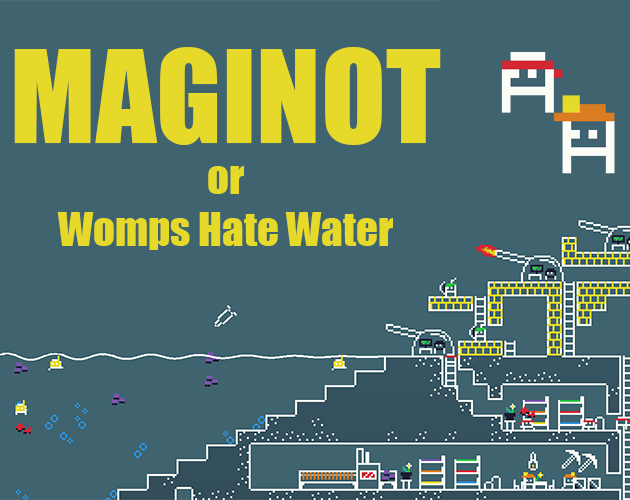
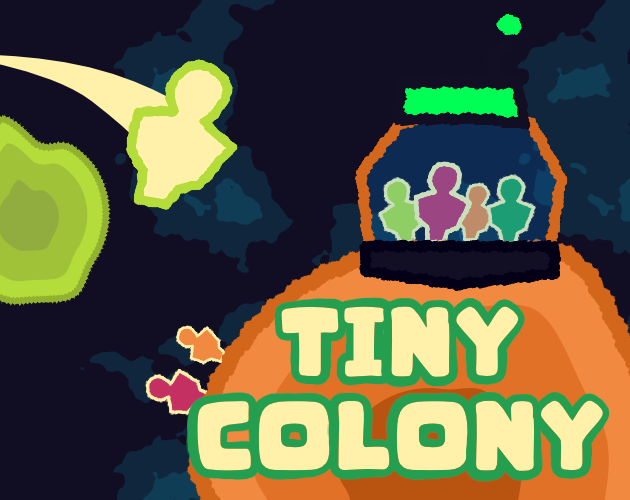
Two games stood out for their take on the "colony" sub-genre. Maginot is an incremental builder focused on deep-earth excavation and defending one’s colony against the encroaching sea. Its addictive loop of gathering minerals and attracting "Womps" creates a compelling sense of progression. Conversely, Tiny Colony utilizes physics-based slingshot mechanics, challenging players to navigate the gravity wells of space to establish settlements across the cosmos.
Narrative and Puzzling Perspectives: Head’quarters and More
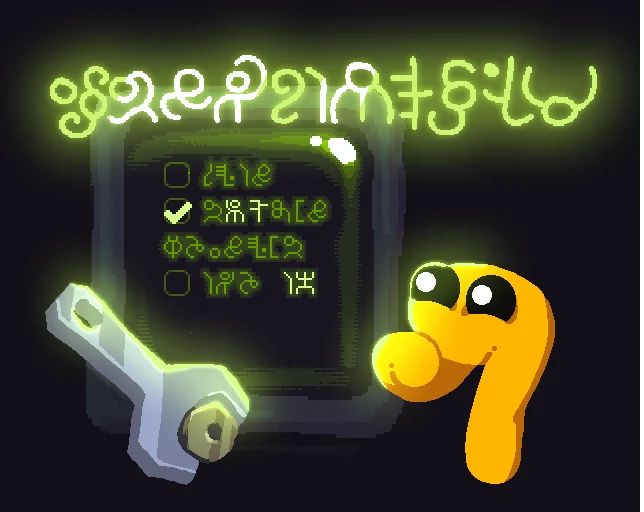
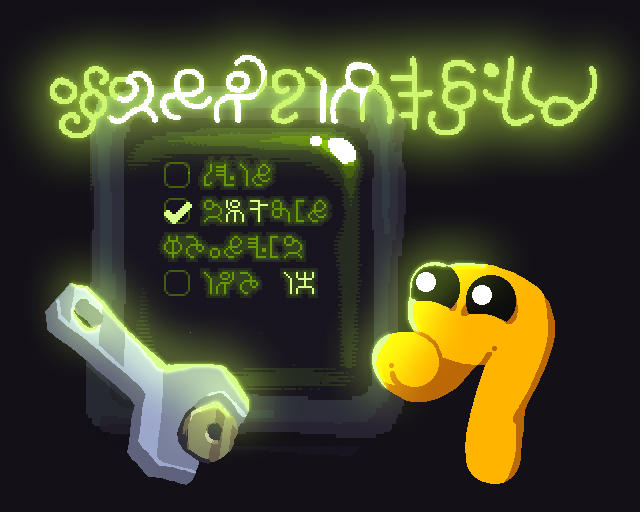
Head’quarters presents a cryptic, point-and-click simulation where the player must decipher a strange alphabet—an excellent example of how "tiny" can refer to a small, contained narrative space. Similarly, Please Find Them flips the script on the exterminator trope, turning a house into a sprawling, hidden-object playground where the creatures are not monsters, but simply shrunken inhabitants.
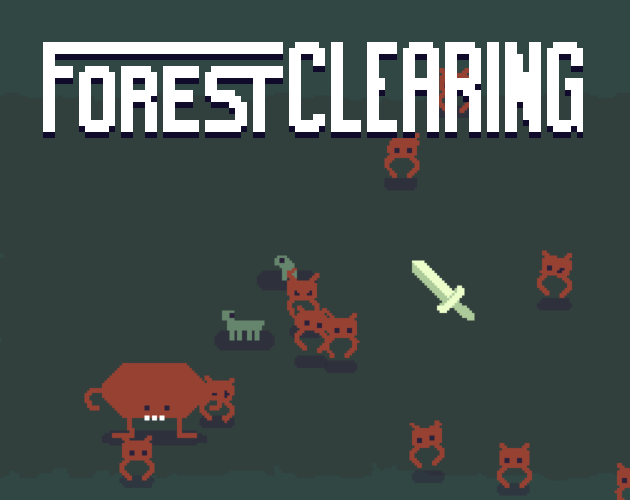
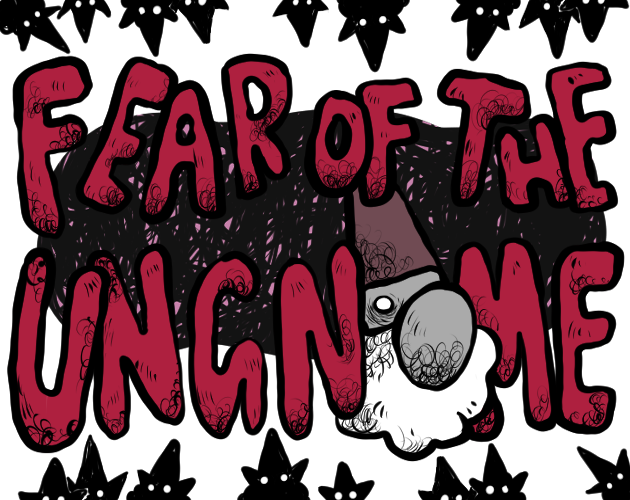
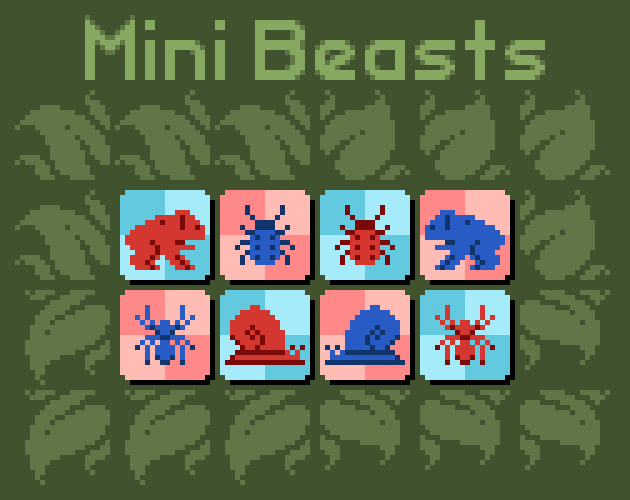
Fear of the Ungnome leverages procedural generation to create a first-person exploration experience, while Mini Beasts offers a satisfying color-matching puzzle mechanic. Finally, FOREST CLEARING provides a dark, cyclical action experience, forcing the player to choose between protecting their forest friends or harvesting them for resources to fund their next attempt.
Strategic Innovation: Vox Regis
Perhaps the most unique entry is Vox Regis. This medieval strategy game introduces a voice-controlled mechanic that is both innovative and technically demanding. The player acts as a monarch, using their own voice to manipulate factions and maintain order. It is a standout example of how developers are increasingly looking toward non-traditional inputs to enhance the "Tiny Creatures" theme, in this case, by manipulating the size and influence of rebellious groups.
Supporting Data: The Power of the Itch.io Ecosystem
The success of Ludum Dare 56 is inextricably linked to the infrastructure provided by platforms like itch.io. The ability to tag games specifically for "Ludum Dare 56" allows for a curated discovery process that keeps the community engaged long after the jam has ended.
Data from the jam indicates that:
- Cross-Platform Accessibility: A significant majority of top-rated games are browser-playable. This lowers the barrier to entry, ensuring that developers get more eyes on their work and that players can provide feedback instantly.
- Diverse Engine Usage: While Godot and Unity remain popular, the proliferation of web-based engines like Phaser and custom JavaScript frameworks has allowed for faster deployment times, directly contributing to the high volume of submissions.
- Community Engagement: The comment sections and "support this post" features on itch.io demonstrate a highly symbiotic relationship between creators and consumers. The feedback loop here is faster and more direct than in traditional commercial game development.
Official Responses and Developer Sentiment
In the aftermath of the jam, the sentiment among developers is one of exhausted triumph. Many participants cited the "Tiny Creatures" theme as one of the most accessible in recent years, allowing for both comedic and tragic interpretations.
"The constraint of 48 hours is what makes Ludum Dare special," says one participant in the official forums. "When you only have two days, you stop worrying about perfection and start focusing on the ‘hook.’ That’s how you get games like Vox Regis or Creature Packets—they don’t try to be big; they try to be specific."

The organizers at Ludum Dare continue to refine the format, acknowledging that as the community grows, the challenge shifts from "how to make a game" to "how to find the best games among the hundreds submitted."
Implications for the Future of Indie Gaming
The results of Ludum Dare 56 carry significant implications for the broader gaming industry. First, it highlights the viability of "micro-games." As the cost of AAA development continues to skyrocket, the indie scene is proving that experiences do not need to be 100-hour epics to be meaningful or commercially viable.
Second, the jam acts as a talent incubator. Many of the mechanics explored in these 72-hour sprints eventually evolve into full-fledged commercial titles. The rapid prototyping inherent in the jam format allows developers to "fail fast," discarding unworkable ideas and refining the ones that have genuine potential.
Finally, the success of the Ludum Dare 56 showcase emphasizes the importance of community-driven platforms. By providing a home for these rapid-fire experiments, itch.io has cemented itself as the heartbeat of the indie development world.
As we look toward future iterations of Ludum Dare, the "Tiny Creatures" jam serves as a reminder that the most compelling games are often the ones created under the most restrictive conditions. Whether you are a developer looking for your next project or a player looking for unique, bite-sized experiences, the archives of Ludum Dare 56 remain a treasure trove of creativity waiting to be explored.
For those who wish to dive deeper, the full list of submissions is available on the itch.io platform, and the ongoing discussions on the Ludum Dare forums continue to provide a window into the minds of the developers who, in just a few days, built worlds of their own.