Breaking the x86 Barrier: Bottles Brings Windows Software to ARM64 Linux
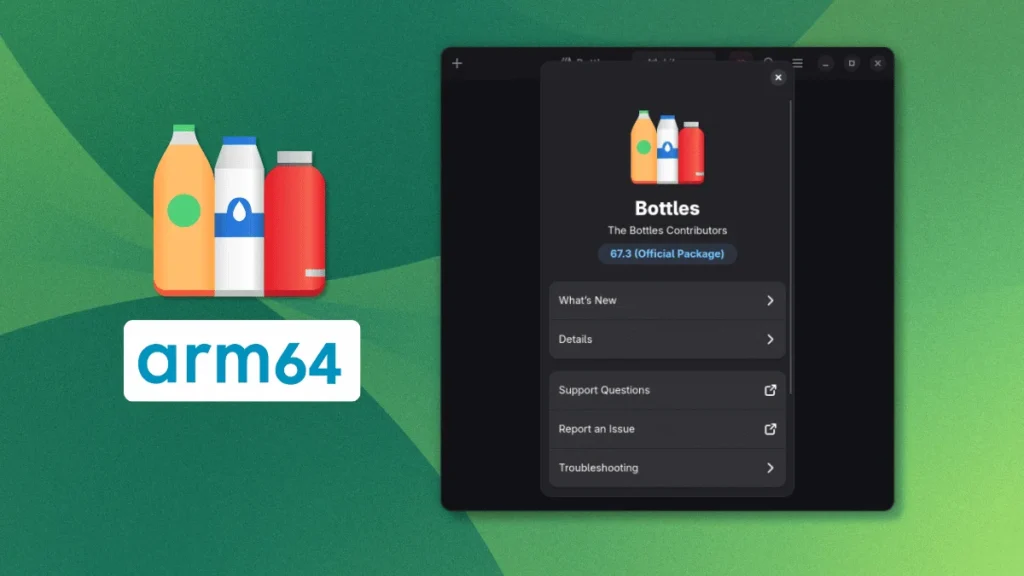
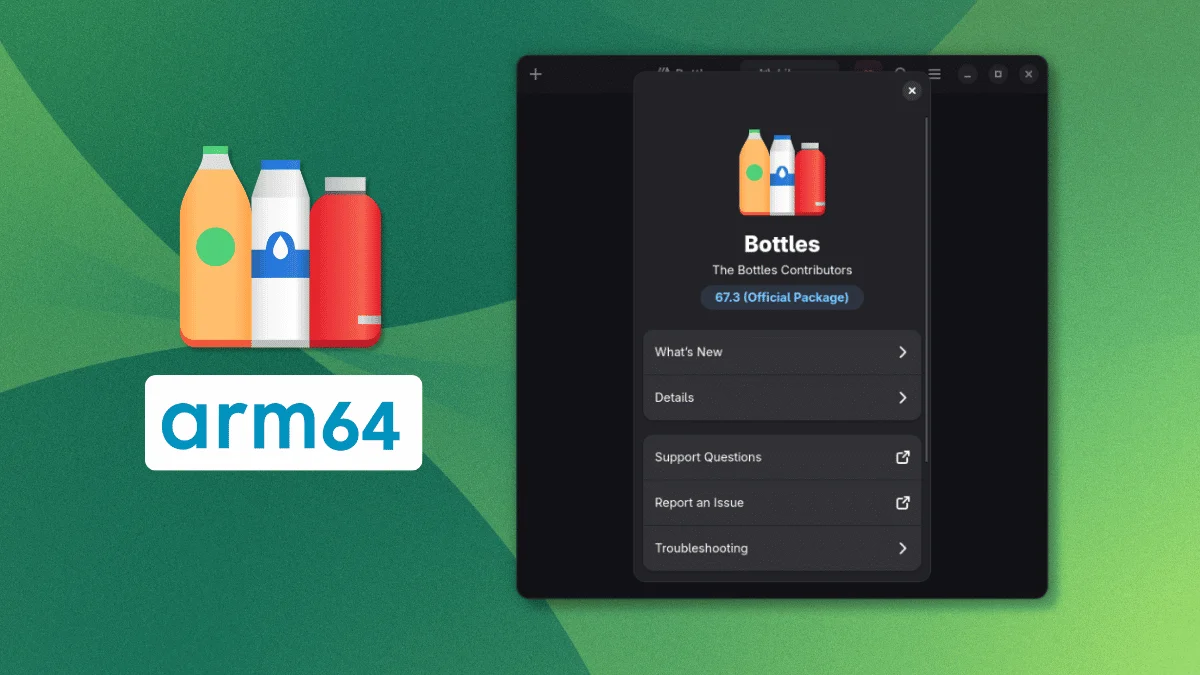
For years, the Linux desktop community has relied on a robust ecosystem of compatibility layers to bridge the gap between open-source operating systems and the vast library of legacy Windows software. Among the most user-friendly of these tools is Bottles, an application that abstracts the complexities of Wine—the venerable compatibility layer—into a clean, intuitive interface.
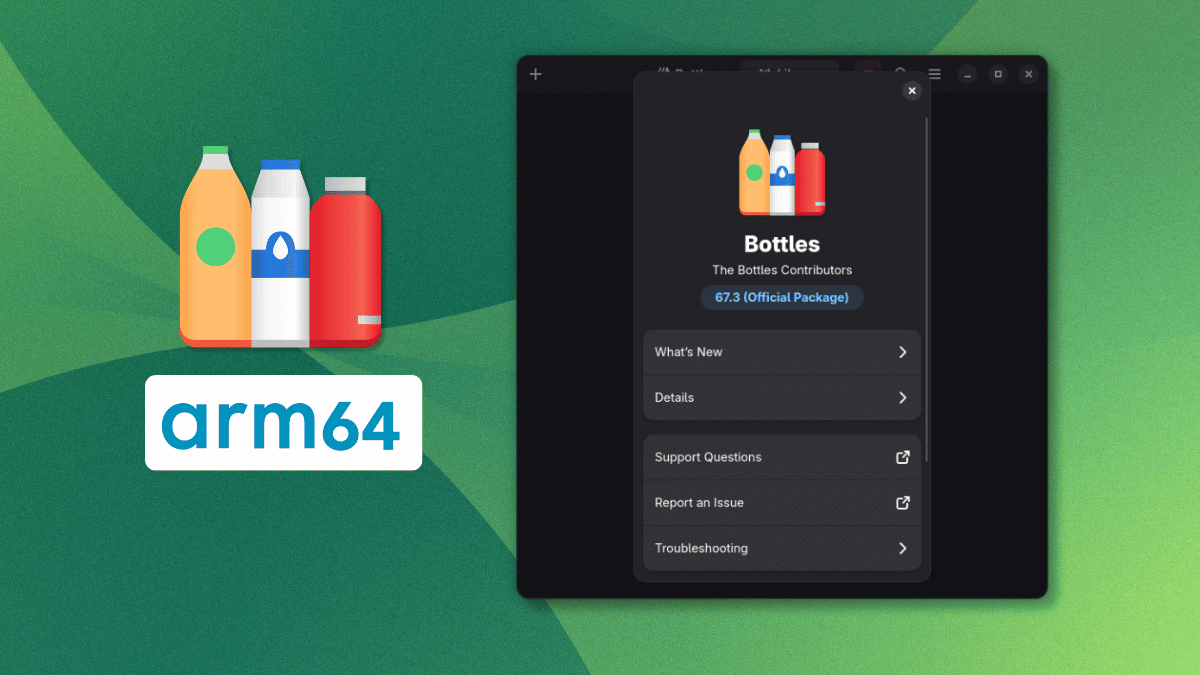
Historically, Bottles has been a staple for users running x86_64 architectures. However, the landscape of personal computing is shifting. With the rise of high-performance ARM-based silicon, from Apple’s M-series chips to the growing popularity of ARM-based single-board computers (SBCs) and laptops, the demand for cross-architecture compatibility has reached a boiling point. Today, that demand is being met. In a significant technical milestone, the Bottles project has officially expanded its reach to ARM64, marking a pivotal moment for Linux users on non-x86 hardware.
The Core Transformation: Bottles 67.4 and ARM64 Support
The latest development cycle, centered around the release of versions 67.3 and 67.4, represents a monumental leap for the project. By moving beyond the traditional x86_64 confines, Bottles is positioning itself as a universal compatibility bridge.
The integration of ARM64 is not merely a "port"; it is a sophisticated implementation designed to provide a native experience. The key to this performance is the inclusion of Soda 11.0-10, the project’s proprietary Wine-based runner. This version of Soda brings native ARM64 and ARM64EC support, allowing the software to leverage the host hardware’s architecture directly, rather than relying solely on emulation.
To bridge the remaining gap for legacy x86_64 Windows applications, the team has bundled FEX-Emu. FEX acts as a high-performance dynamic recompiler, allowing x86/x86_64 binaries to run on AArch64 hardware with remarkable efficiency. This combination—native ARM64 execution for modern apps and FEX-powered translation for older software—makes Bottles a viable daily-driver tool for ARM-based Linux enthusiasts.
A Chronology of Rapid Development
What makes this release particularly noteworthy is not just the feature set, but the staggering velocity of its delivery. In the world of open-source development, features of this magnitude often undergo months of discussion, testing, and bureaucratic friction. The ARM64 implementation at Bottles, however, was a masterclass in community-driven efficiency.
- September 1, 2026: A feature request was opened on the project’s GitHub repository (Issue #4772) by user TCB13, specifically advocating for native ARM64 support.
- September 4, 2026: Within a mere 72 hours, the Bottles development team produced a functional test candidate. The requestor, TCB13, verified that the build successfully launched and operated on their own ARM64 hardware.
- September 7, 2026: The project officially pushed release 67.3, featuring the first ARM64 build of the cpak package, followed by a swift 67.4 patch hours later to resolve minor bugs and polish the Soda 11.0-10 integration.
This rapid-fire deployment highlights the maturity of the project’s continuous integration (CI) pipelines and the dedication of its maintainers. It serves as a benchmark for how quickly modern open-source projects can adapt to hardware shifts when the underlying architecture—in this case, cpak—is correctly designed for agility.
The Role of Cpak in the ARM64 Ecosystem
One of the most intriguing aspects of this announcement is the team’s decision to utilize cpak for the initial ARM64 rollout, rather than defaulting to the more ubiquitous Flatpak format. To understand this choice, one must look at the technical philosophy behind cpak.
Cpak, born from the Containerpak project, treats applications as OCI (Open Container Initiative) images. Unlike traditional Linux packaging systems that rely on shared host runtimes and portals, a cpak package is self-contained. It ships with its own dependencies and is mounted directly by the system.
Mirko Brombin, a core contributor to the Bottles project, explained the rationale behind this strategy:

"Cpak is being used for this test because it is the first packaging path where the application, Wine base, and native ARM CI are available together."
Because cpak utilizes container-native infrastructure, the Bottles team was able to bypass the complexity of configuring ARM64 support within the existing Flatpak ecosystem, which requires substantial infrastructure adjustments to handle different architectures and runtime dependencies. By leveraging the OCI image specification, the team achieved a "write once, run anywhere" capability for their ARM64 builds, ensuring that the software behaves identically on a Raspberry Pi as it does on an high-end ARM laptop.
Soda 11.0-10: More Than Just a Port
The release of Soda 11.0-10 is a substantial upgrade in its own right, irrespective of the ARM64 news. The development team has addressed critical pain points that have long hindered the user experience:
- Battle.net Stability: A longstanding bug that caused Battle.net to crash on startup has been resolved. The root cause was identified as the XInput component attempting to initialize without an active Steam game ID, a common hurdle for users trying to play non-Steam titles.
- OpenXR for VR Workloads: For those interested in the burgeoning field of Linux VR, this release is a game changer. 64-bit Windows OpenXR applications can now communicate directly with host runtimes like Monado or WiVRn. This removes the requirement for users to keep Steam or SteamVR running in the background, significantly reducing resource overhead and simplifying the software stack.
- General Performance Improvements: The update includes various under-the-hood optimizations to the Wine core, specifically regarding memory management and thread scheduling, which benefit both x86_64 and ARM64 users.
Implications for the Linux Desktop
The arrival of Bottles on ARM64 signals a fundamental shift in the perception of Linux hardware compatibility. For years, the "ARM for desktop" dream was stifled by the inability to run the legacy Windows applications that many users, especially in professional environments, required.
By streamlining the process—allowing users to simply run cpak install github.com/bottlesdevs/bottles—the project lowers the barrier to entry for non-technical users. This is not just a win for power users; it is a vital step toward making ARM-based laptops (which are increasingly favored for their battery efficiency and thermals) viable alternatives to traditional x86 hardware.
The Future of Cross-Architecture Computing
As the industry moves toward a future where the line between mobile and desktop architectures continues to blur, projects like Bottles are becoming the "glue" that keeps the Linux ecosystem competitive. The ability to run Windows-native software on ARM64 effectively silences the primary argument against using ARM Linux machines for daily tasks.
Furthermore, the Bottles team’s successful implementation proves that containerized packaging (via OCI/cpak) is likely the future of software distribution on Linux. By abstracting away the underlying OS dependencies, developers can focus on the application logic rather than fighting the intricacies of package management across different distributions and architectures.
Conclusion: A New Standard for Compatibility
The Bottles project has once again demonstrated why it is at the vanguard of the Linux gaming and productivity space. By responding to community needs with surgical precision and embracing modern, containerized distribution methods, they have successfully brought a robust Windows compatibility experience to the ARM64 frontier.
While the current ARM64 build is categorized as a test release and the Flatpak version remains in active development, the progress made in just a few days suggests that full-scale adoption is imminent. For those currently operating on ARM-based hardware, Bottles 67.4 is not merely an update—it is an invitation to unlock a new world of software that was, until this week, effectively off-limits.
As we look toward the remainder of 2026, the success of this initiative will likely influence other projects to adopt similar container-first approaches to packaging. For now, Bottles remains the gold standard for those who demand flexibility, performance, and a touch of open-source magic on their desktop, regardless of what processor is under the hood.
For those looking to get involved, the Bottles source code remains open, and the project encourages feedback on the new ARM64 builds via their GitHub issue tracker. Whether you are using a single-board computer or an emerging ARM-based laptop, the future of cross-architecture Linux is here—and it’s neatly packed in a Bottle.