The Future of Wearable Tech: Inside the "OpenChoker" AMOLED Innovation
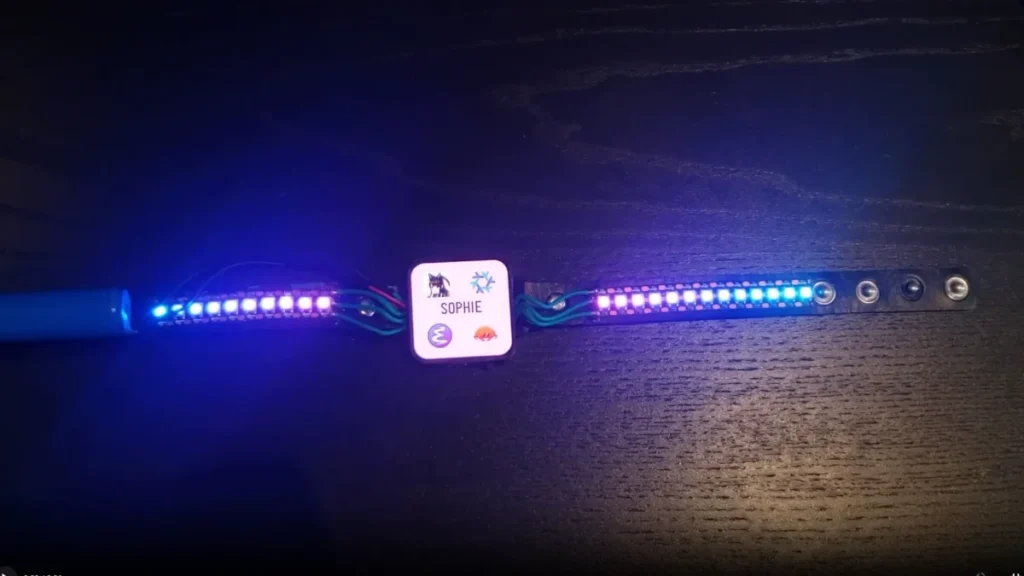
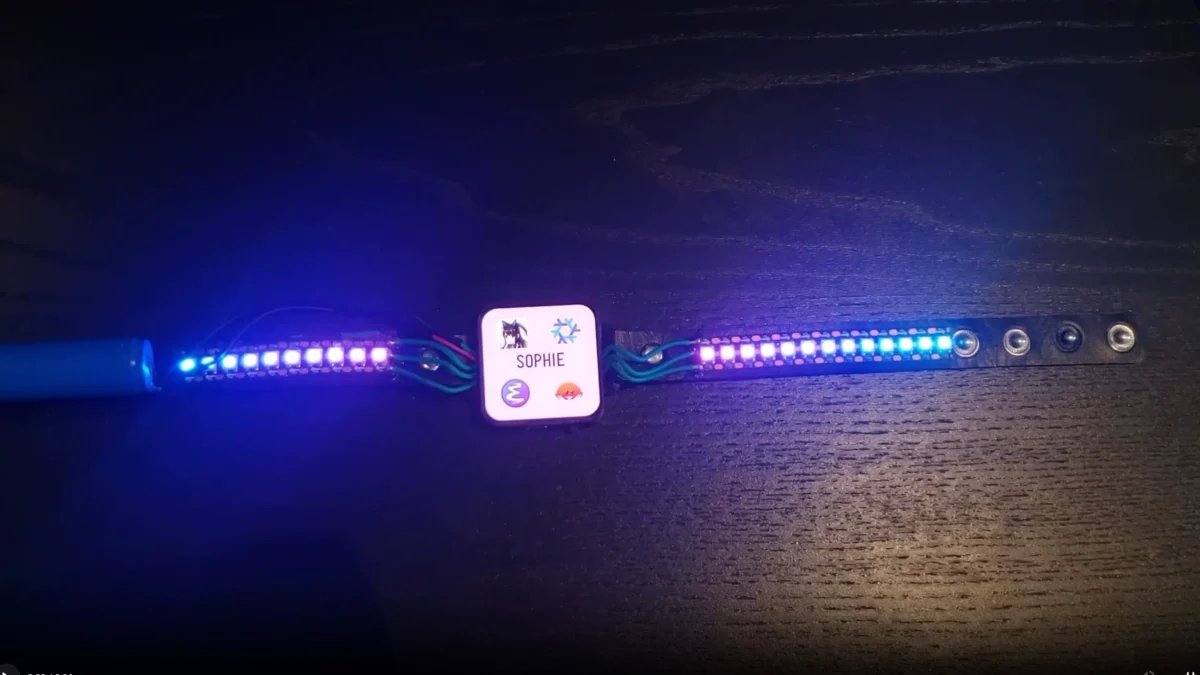
In the rapidly evolving landscape of wearable electronics, the gap between industrial-grade aesthetics and hobbyist prototyping is closing. A recent breakthrough by hardware enthusiast Sophie D. has captured the attention of the maker community, specifically at the intersection of fashion and high-end display technology. Her latest project, the "OpenChoker," is not merely a fashion statement; it is a masterclass in custom PCB design and resource management that turns a 2.14-inch AMOLED touchscreen into a sophisticated, wearable accessory.
Main Facts: The OpenChoker Architecture
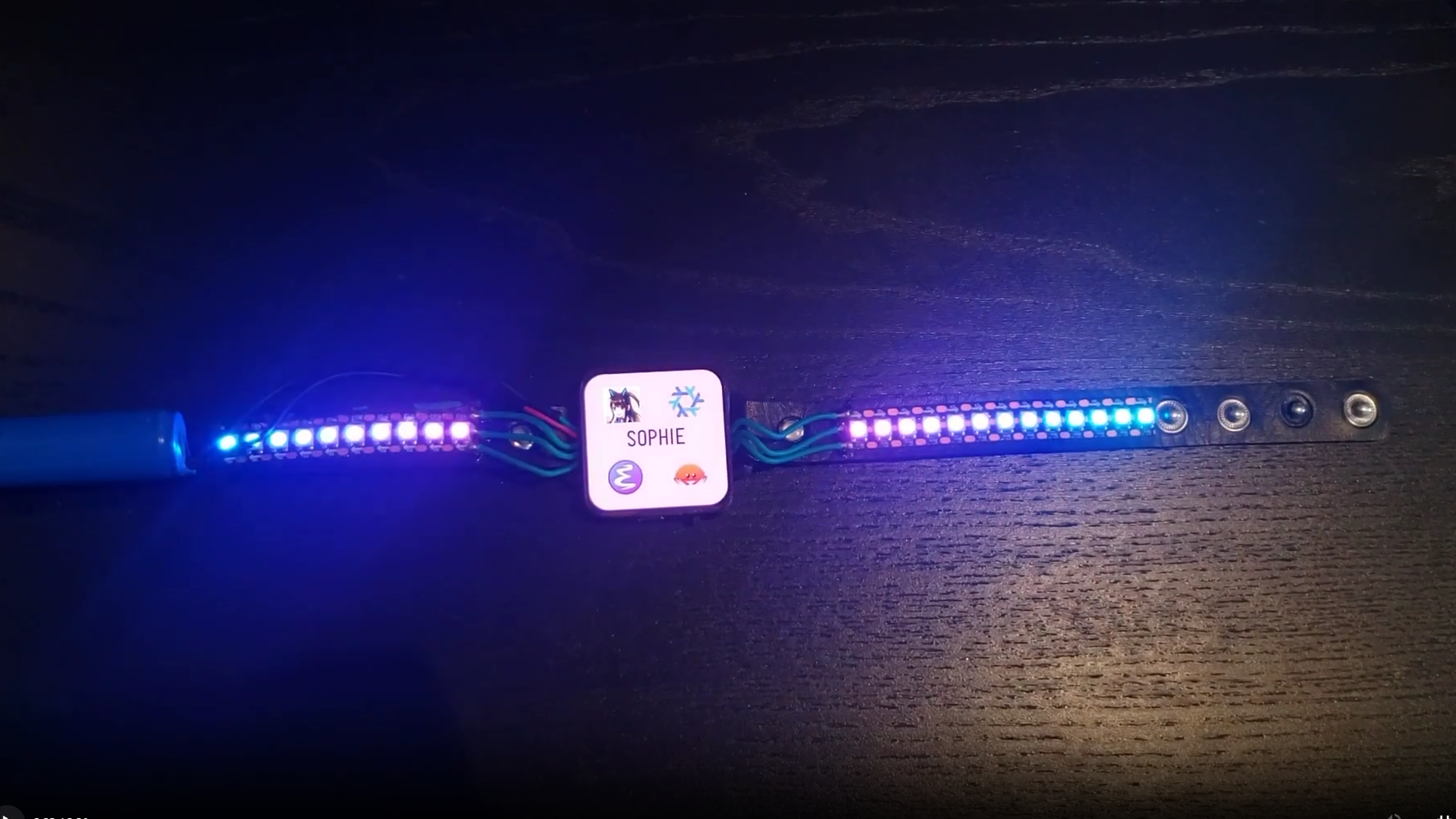
The OpenChoker is a wearable device that integrates a high-resolution AMOLED display into a choker-style necklace, augmented by customizable RGB LED side strips. The hardware is built around a custom-designed PCB that serves as the backbone for the unit. At its core, the device utilizes the RP2350 microcontroller, chosen for its efficiency and capability to handle the intensive task of real-time animation generation.
To ensure the device functions as a standalone unit, the design includes a micro SD card slot for external data storage and an 18650 lithium-ion cell, which provides power for the entire assembly. The physical construction is thin, lightweight, and engineered to be worn comfortably for extended periods, effectively bridging the divide between rigid electronics and wearable apparel.
Chronology: From Concept to DEF CON Debut
The development of the OpenChoker followed a rigorous path of engineering challenges, culminating in its debut at DEF CON.
Phase I: The Design Hurdle
The project began with the identification of a specific component: the Hello Lighting HL020E21-02 2.14-inch touchscreen. While AMOLED displays are increasingly affordable, their integration into custom hardware is notoriously difficult due to a lack of publicly available documentation. Sophie D. spent weeks reverse-engineering the pinouts and designing a custom PCB footprint from the ground up, as no existing reference design was available to the public.
Phase II: The Prototyping Cycle
Once the hardware was finalized, the focus shifted to software and firmware. The RP2350 was programmed to generate animations on the fly, ensuring that the visual output on the AMOLED screen remained fluid and engaging. Throughout this phase, integration testing was conducted to ensure that the power draw from the LEDs—which flank the main display—did not interfere with the stability of the microcontroller.
Phase III: The Final Countdown
In the final 24 hours leading up to the project’s deadline, Sophie faced a "Murphy’s Law" scenario. An adhesive used to secure wiring reacted unexpectedly with the wire insulation, melting it and exposing bare copper. This necessitated an emergency repair, highlighting the volatility of working with experimental materials under high-pressure deadlines. Despite these setbacks, the device was completed in time for its debut at DEF CON, where it functioned as an effective icebreaker and proof-of-concept for wearable AMOLED technology.
Supporting Data: Efficiency and Performance
One of the most impressive metrics regarding the OpenChoker is its energy efficiency. Despite the power-hungry nature of AMOLED panels and RGB LEDs, the choice of an 18650 cell proved to be an inspired engineering decision.
During stress tests, the device maintained continuous operation for a 16-hour stretch. Post-test analysis revealed that the battery voltage remained at a robust 3.7V, indicating that the device could theoretically operate for significantly longer than a single day of active use. This longevity is critical for wearable devices, as it eliminates the need for bulky external battery packs or inconvenient tethering.
Furthermore, the integration of the RP2350 allowed for efficient onboard processing. By offloading animation generation to the microcontroller, the system avoids the need for a secondary graphics processor, keeping the device footprint small and the power consumption manageable.
Technical Challenges and Lessons Learned
While the OpenChoker was a success, the development process provided several valuable technical insights for future designers of wearable AMOLED displays.
The Capacitive Touch Mystery
One of the most baffling challenges encountered was the discrepancy in capacitive touch sensitivity. During bench testing, when the screen was connected to a development computer, the touch response was flawless. However, once mounted and isolated within the physical structure of the choker, the sensitivity dropped to a point where the touch functionality became unusable.
Sophie suggests that this may be related to grounding issues or capacitive interference introduced by the physical casing. This is a common, yet poorly documented, pitfall in wearable electronics; the human body acts as a massive variable in capacitive circuits, and isolating the sensor from the wearer’s electrical potential—or lack thereof—is a hurdle that requires significant experimentation.
Material Compatibility
The "melted wire" incident serves as a stark reminder of chemical compatibility in electronics manufacturing. Many hobbyists use common household adhesives like superglue (cyanoacrylate) or certain hot glues without considering their effect on specialized wire insulation (such as PVC or silicone). In this instance, the solvent or curing reaction of the adhesive compromised the integrity of the wires, a risk that developers should mitigate by testing adhesives on scrap materials before final assembly.
Implications: The Future of Wearable AMOLEDs
The success of the OpenChoker project has broader implications for the future of DIY and commercial wearable technology.
Democratizing High-End Displays
By open-sourcing the PCB design for the Hello Lighting HL020E21-02, Sophie has effectively lowered the barrier to entry for other hobbyists. The availability of proven footprints allows others to bypass the months of reverse-engineering required to integrate these specific displays, potentially triggering a wave of similar projects.
The Aesthetics of Functional Wearables
The OpenChoker demonstrates that "tech-wear" does not need to look like an industrial prototype. The thin profile of the AMOLED screen allows for a form factor that is elegant enough for social settings, such as the DEF CON community, yet powerful enough to handle dynamic visual data. As these screens become more accessible, we are likely to see a shift toward "ambient computing" jewelry, where the user is surrounded by dynamic, programmable interfaces.
Challenges for the Next Generation
Despite the progress made, the OpenChoker highlights that the industry still lacks a "plug-and-play" ecosystem for wearable screens. For these devices to move into the mainstream, developers need:
- Standardized Mounting Solutions: Current solutions often require custom housings that can interfere with touch sensitivity.
- Flexible Interconnects: The transition from rigid PCBs to flexible circuitry is the next logical step for comfortable, long-term wearable use.
- Power Management Documentation: As seen with the 18650 cell, choosing the right battery is a science; however, creating safe, lightweight, and rechargeable power solutions for small form factors remains a significant barrier for the average maker.
Conclusion: A Blueprint for Innovation
The OpenChoker is more than just a clever piece of jewelry; it is a successful experiment in systems integration. It proves that with enough persistence, the high-tech components found in modern consumer electronics can be repurposed into personal, custom, and highly functional wearables.
For those looking to replicate or iterate on this design, the availability of the board design on platforms like GitLab is a crucial resource. It invites the community to solve the remaining mysteries—such as the capacitive touch sensitivity issues—and move the field of wearable technology one step closer to perfection. As we look toward the future, projects like this remind us that the most innovative designs often come from the intersection of deep technical frustration and the refusal to accept the limitations of off-the-shelf components.