From City Commuter to Utility Workhorse: The Radical BMW i3 Pickup Conversion
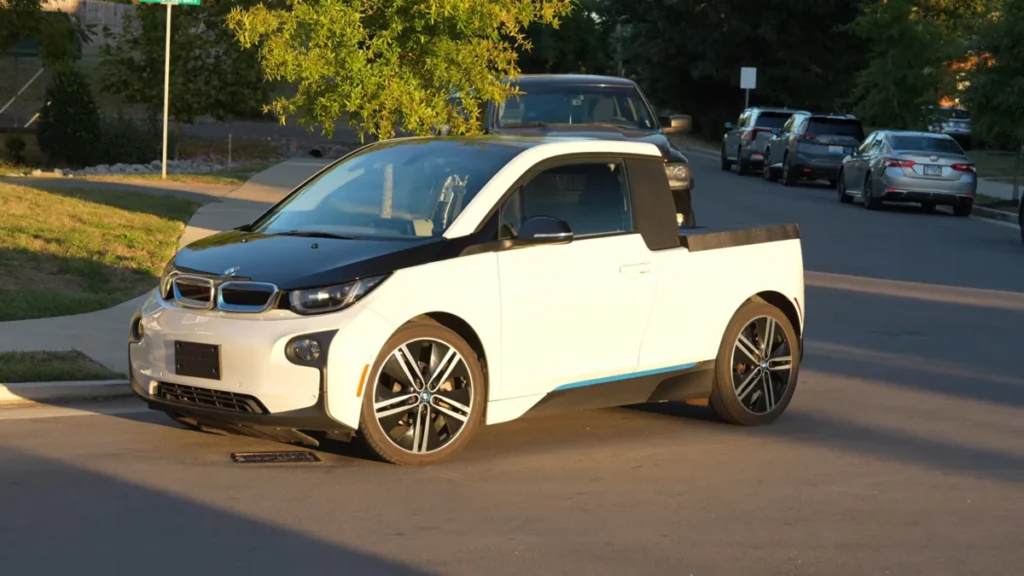
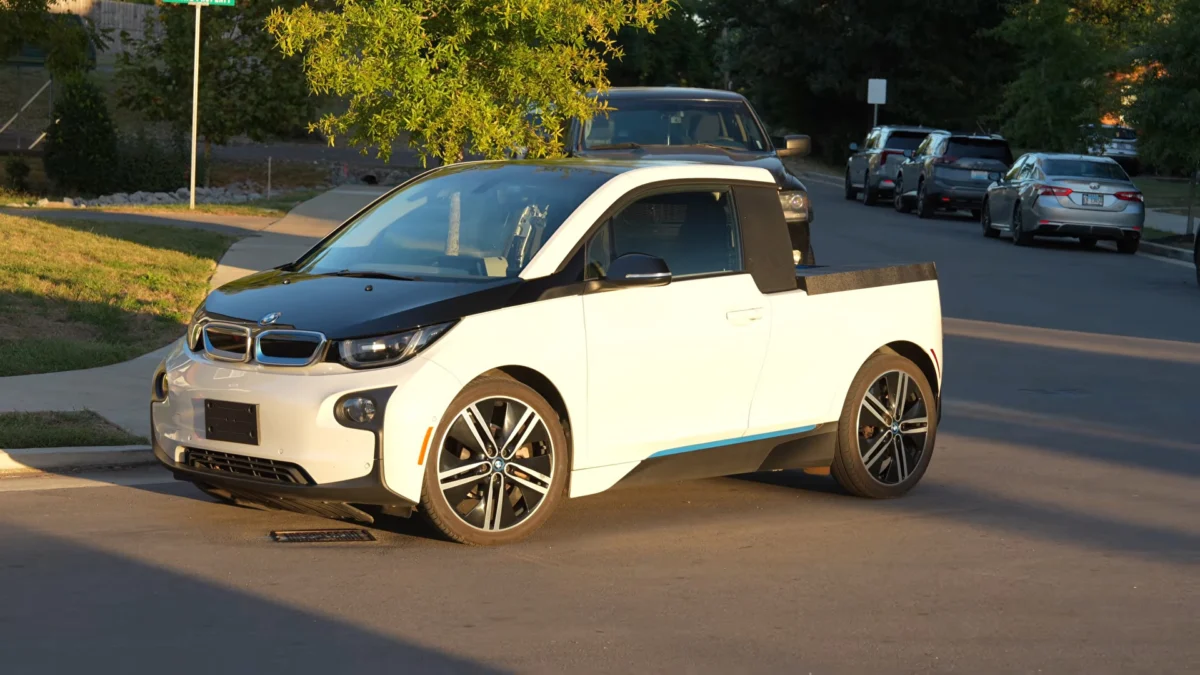
In the evolving landscape of sustainable transportation, the electric pickup truck has emerged as the industry’s "holy grail." While major manufacturers like Ford, Rivian, and Tesla battle for dominance with high-end, heavy-duty electric trucks, a significant gap remains in the market: the compact, affordable, and maneuverable utility vehicle. Seeking to bridge this divide, DIY enthusiast and engineer Michael Pick has taken a radical approach, transforming a compact BMW i3 electric hatchback into a functional, custom-built utility truck. This project not only demonstrates the ingenuity of the maker community but also challenges the automotive industry’s prevailing narrative that electric utility must equate to massive size and astronomical price tags.
Main Facts: The "i3 Ute" Concept
The project, documented extensively by Pick, involved the complete structural reconfiguration of a BMW i3—an electric vehicle (EV) lauded for its carbon-fiber-reinforced plastic (CFRP) chassis and minimalist design.
The primary goal of the conversion was to create a vehicle capable of hauling "messy or dirty loads" that are typically unsuitable for a luxury-focused city commuter. By removing the rear passenger cabin and hatch, Pick successfully converted the vehicle into a "ute" (utility vehicle). Key specifications of the conversion include:
- Structural Modification: Removal of the rear cabin structure to facilitate a flatbed.
- Weatherproofing: Custom-built plywood bed, treated with penetrating epoxy and high-durability truck bedliner.
- Electronics Relocation: Custom integration of taillight systems to accommodate the new tailgate geometry.
- Chassis Integrity: Strategic cut-lines designed to maintain the structural rigidity of the i3’s unique carbon-fiber skeleton.
Chronology: The Lifecycle of a Conversion
Transforming a complex EV like the BMW i3 is not a task for the faint of heart. The project followed a disciplined engineering roadmap:
Phase 1: Assessment and Preparation
The process began with a thorough baseline assessment. After acquiring the vehicle, Pick performed a comprehensive health check, which included replacing the 12V auxiliary battery—a critical component in modern EVs that powers the onboard electronics and safety systems. The vehicle was cleaned and stripped of its interior components to reveal the underlying chassis.
Phase 2: Structural Dismantling
With the interior removed, the most high-stakes phase began: structural modification. Pick mapped out precise cut lines to ensure the integrity of the carbon-fiber frame. Unlike steel-bodied vehicles, the i3’s CFRP construction requires specialized handling to avoid fraying or compromising the load-bearing paths of the passenger cell. The rear hatch and rear cabin walls were carefully excised to create an open canvas.
Phase 3: Fabrication and Sealing
The most critical engineering challenge was the interface between the new bed and the cabin. Because the i3 houses its core power electronics in a compartment directly beneath the rear floor, any failure to seal the bed would have resulted in catastrophic electrical failure during rain or wash-downs. Pick utilized a combination of marine-grade plywood, penetrating epoxy, and industrial-grade bedliner to create a watertight seal.
Phase 4: Electrical Rework
The final stage involved rehousing the vehicle’s lighting systems. The original OEM taillights were incompatible with the new, narrower tailgate opening. This necessitated a custom wiring harness and the fabrication of new mounting points to maintain legal road compliance.
Supporting Data: The Utility of the Compact EV
The conversion of the BMW i3 highlights a broader trend in automotive engineering: the shift toward repurposing existing battery-electric platforms for specialized utility.
The BMW i3 Platform
The i3, introduced in 2013, was a pioneer in using a dedicated EV platform. Its "Life Module" (passenger cell) is made of carbon-fiber-reinforced plastic, while the "Drive Module" (aluminum chassis) contains the battery pack and electric motor. This architecture is arguably the best candidate for such a conversion, as it allows for the removal of the rear body panels without significantly compromising the structural base of the vehicle.
Comparative Context
To understand the significance of Pick’s project, it is helpful to look at the current market:
- The "Truckla" Precedent: The conversion of a Tesla Model 3 into a pickup (famously dubbed "Truckla") proved that consumer EVs have the structural potential to be utility-focused.
- Battery Density: Recent advancements, such as the battery upgrades performed on older i3 models, demonstrate that even decade-old EVs can be brought up to modern standards, making them perfect candidates for second-life utility applications.
Official Perspectives and Industry Implications
While manufacturers like BMW have not officially commented on individual aftermarket modifications, the broader automotive industry has taken note of the "micro-utility" movement.
The Industry Shift
For years, the automotive industry has focused on increasing the size of battery packs to compensate for the weight of massive steel frames. Pick’s project serves as a counter-argument: by starting with a lightweight, efficient platform, one can achieve a utility vehicle that is both agile and energy-efficient.
Industry analysts suggest that if manufacturers were to offer a "cab-chassis" version of their smaller EVs, it could revolutionize urban delivery services, landscaping, and small-scale agriculture. The cost-to-utility ratio of an i3-based pickup far exceeds that of a heavy-duty electric truck for local, short-haul tasks.
The "Right to Repair" and Modification
Projects like this also fuel the ongoing debate regarding the "Right to Repair." By disassembling the BMW i3, Pick has demonstrated that the modular design of modern EVs—if documented properly—can be serviced and repurposed by skilled individuals. This serves as a testament to the democratization of engineering, where the tools of innovation are no longer limited to the R&D labs of Detroit or Stuttgart.
Implications: The Future of Modular Transport
The success of this DIY electric pickup project has several long-term implications for the future of transportation:
1. Sustainability Through Longevity
The most significant environmental benefit of this project is the extension of the vehicle’s lifecycle. By converting an existing, potentially retired i3 into a utility truck, the project avoids the carbon footprint associated with manufacturing a new vehicle. This "upcycling" approach is perhaps the most sustainable path for the automotive industry to pursue in the coming decade.
2. Tailored Utility
Mass-market trucks are often "over-engineered" for the average user, featuring towing capacities and bed sizes that are rarely utilized to their full potential. The i3 conversion proves that many users don’t need a heavy-duty hauler; they need a vehicle that can handle a trip to the hardware store or a load of garden waste. The "small electric pickup" is a niche that is currently underserved, and this DIY project acts as a proof-of-concept that there is an appetite for such a vehicle.
3. Engineering as a Civic Engagement
Finally, the project underscores the role of the creator in shaping technology. By documenting the process, Pick has provided a blueprint for others to follow. This creates a community-driven knowledge base that can accelerate innovation faster than traditional corporate cycles. When enthusiasts share the "how-to" of their modifications, they effectively lower the barrier to entry for others interested in sustainable, personalized mobility.
Conclusion
The BMW i3 utility conversion is more than just a novelty; it is a profound demonstration of what is possible when engineering principles are applied to sustainable goals. By stripping away the constraints of traditional automotive design and focusing on the core utility of a chassis, Michael Pick has created a vehicle that is not only functional but also a symbol of the creative potential within the EV movement. As we look toward a future defined by electrification, the lessons learned from this small, repurposed hatchback may be more significant than the output of the world’s largest automated assembly lines. The future of the truck may not be bigger, faster, or more expensive—it may simply be smarter.