The Timeless Echo: Understanding and Preserving the Lifespan of Your Cassette Collection
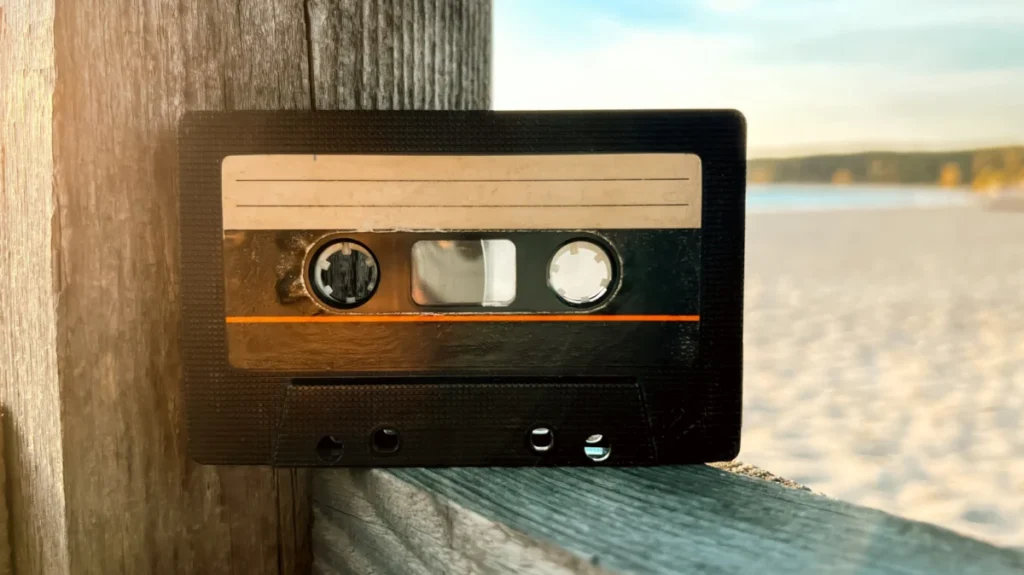
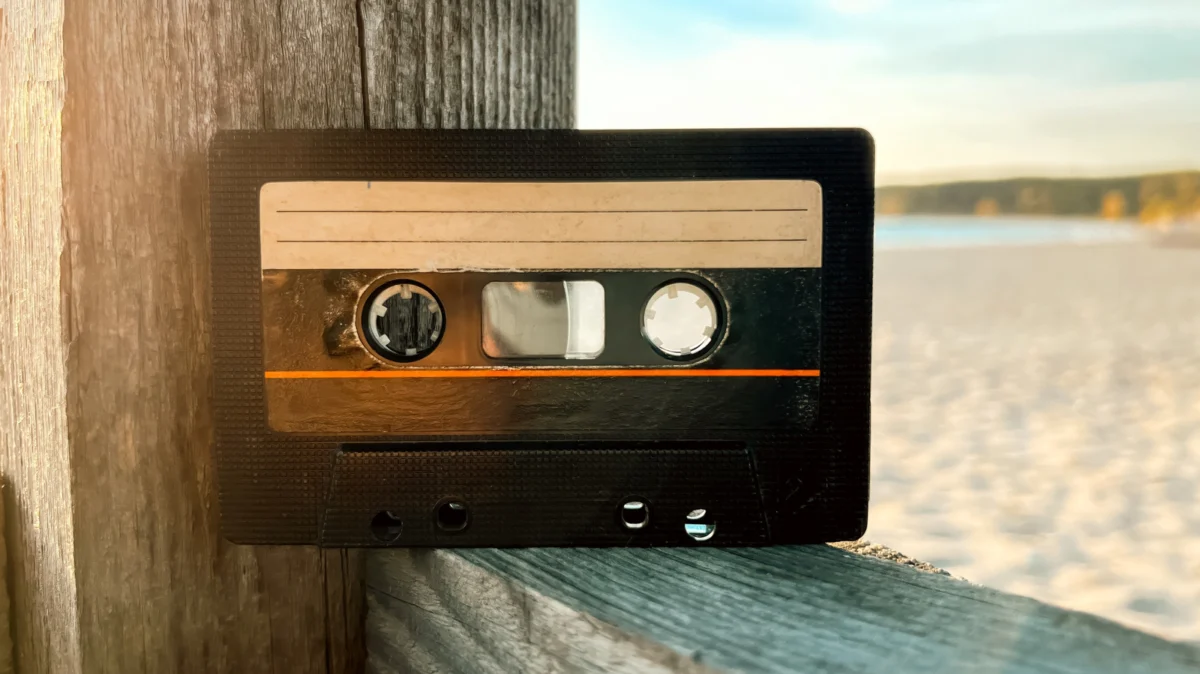
For those who came of age in the 1980s, the cassette tape is more than just a piece of plastic and magnetic film; it is a cultural relic. Before the digital revolution ushered in the era of high-fidelity streaming and the ephemeral nature of cloud-based music, the compact cassette was the primary vessel for personal expression. From the painstakingly curated "mixtape" intended for a high-school crush to the illicit joy of recording favorite tracks off the radio—complete with the inevitable intrusion of a fast-talking DJ—cassettes defined a generation.
However, as these physical artifacts spend decades tucked away in attics, damp basements, or cluttered storage bins, a critical question emerges: how long can we actually expect these tapes to survive, and what can be done to rescue the memories etched onto their fragile magnetic ribbons?
The Anatomy of Longevity: Main Facts and Reality
The prevailing consensus among audio archivists is that magnetic cassette tapes have a "life expectancy" of approximately 30 years. Yet, this figure is a theoretical baseline predicated on ideal storage conditions—a standard rarely met in a typical residential environment.
At their core, cassettes are relatively simple mechanical devices. They consist of two small reels, a housing shell, and a thin strip of polyester film coated with a magnetic material, typically iron oxide or chromium dioxide. When you press "play," the tape is pulled across a magnetic head. This head reads the magnetic patterns imprinted on the film and converts them into the electrical signals that reach your speakers.
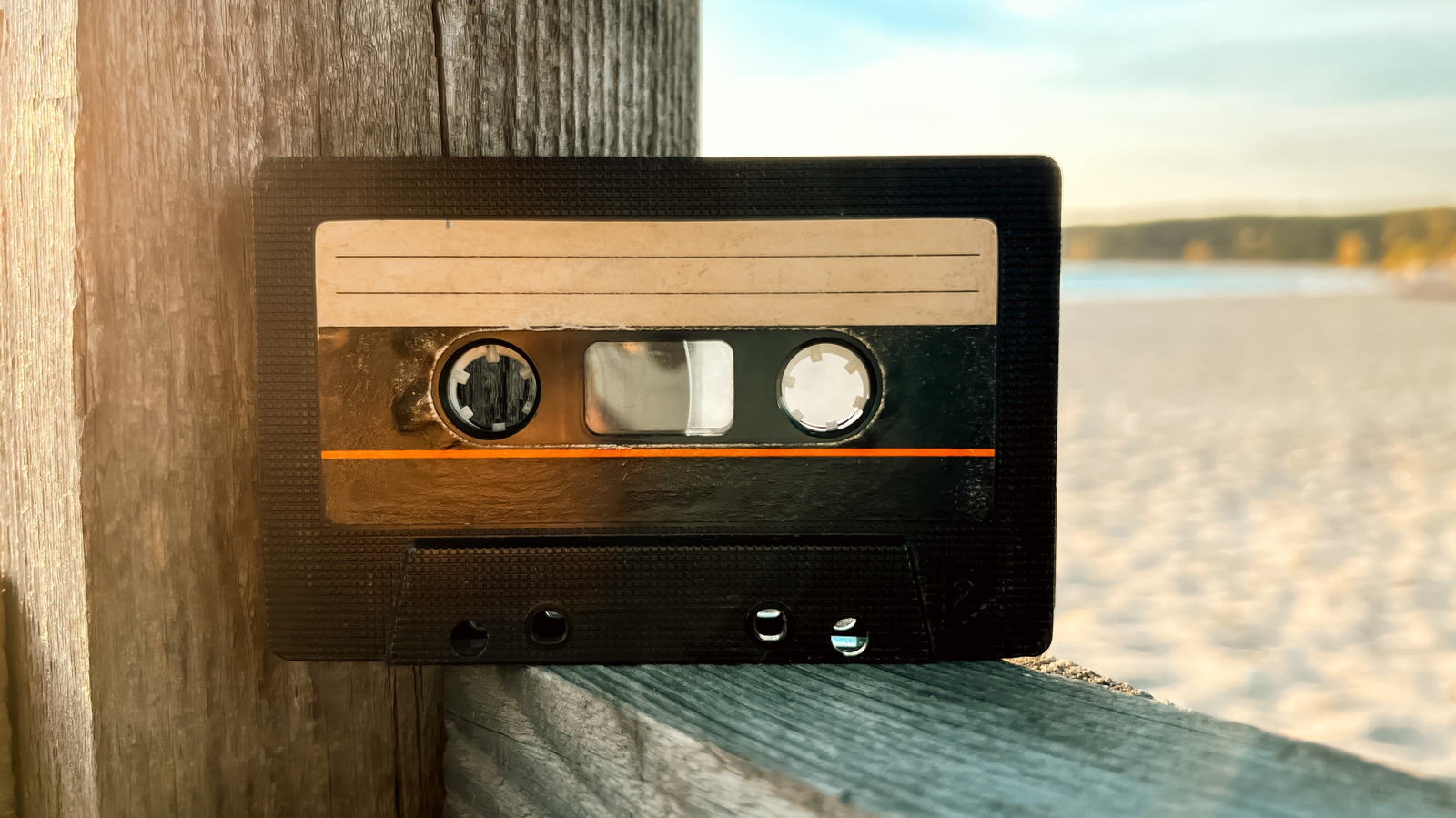
The "30-year" rule is misleading because it assumes constant, stable conditions. In reality, the primary enemy of the cassette is the breakdown of the binder—the chemical adhesive that holds the magnetic particles to the plastic ribbon. Over time, this binder loses its lubrication and begins to degrade, leading to a phenomenon known as "sticky-shed syndrome." Once this process begins, the tape may stretch, snap, or—worse—gum up the playback mechanism of your tape deck, effectively destroying the media.
A Chronological Perspective: From Innovation to Obsession
To understand why we are currently facing a "cassette crisis," one must look at the timeline of the format’s dominance and decline:
- 1963–1970s: The Genesis: Philips introduced the Compact Cassette in 1963. Originally intended for dictation, its fidelity quickly improved, allowing it to move from the office to the living room.
- 1980s: The Golden Age: The launch of the Sony Walkman in 1979 transformed the cassette from a stationary format to a mobile one. This decade marked the zenith of the format, with the "mixtape" becoming a primary language of love and social bonding.
- 1990s: The Decline: The rise of the Compact Disc (CD) offered better sound quality and instant track-skipping, leading to a precipitous drop in cassette manufacturing.
- 2000s–2010s: The Digital Dark Age: As streaming services like Spotify and Apple Music took over, the cassette was largely relegated to the "junk drawer." Most original hardware manufacturers ceased production.
- 2020s–Present: The Analog Resurgence: Driven by a mix of Gen Z nostalgia and a desire for tangible media, the cassette is seeing a minor revival. New artists are releasing albums on tape, and vintage Walkmans are fetching high prices on the secondary market.
The Science of Preservation: Supporting Data
The longevity of your collection is not a matter of fate, but of physics and chemistry. According to the National Archives and Records Administration, magnetic media is highly susceptible to environmental shifts.
The Environmental Triad
- Temperature: Heat is the accelerant of degradation. High temperatures cause the tape to warp and the internal plastic components to become brittle. Ideally, tapes should be stored between 59°F and 73°F. Fluctuations are arguably more damaging than a steady, slightly warm temperature, as they cause the tape to expand and contract, leading to uneven tension.
- Humidity: This is the silent killer. Relative humidity levels exceeding 55% can encourage mold growth—not just on the cassette shell, but directly on the magnetic tape itself. Conversely, air that is too dry can cause the tape to become brittle and prone to snapping.
- Magnetic Fields: Because the audio information is stored magnetically, proximity to strong magnetic fields—such as those generated by speakers, power transformers, or even certain electric motors—can result in signal erasure or distortion.
The Maintenance Protocol
Preservation isn’t just about storage; it’s about activity. Tapes that are left untouched for decades tend to "block," where the layers of tape stick to one another due to the migration of plasticizers in the binder. Experts recommend "exercising" your tapes by playing them—or at least fast-forwarding and rewinding them—every few years. This prevents the binder from hardening and ensures the tape remains supple.
The Digital Imperative: Implications for Archivists
If you have audio that is irreplaceable—such as home recordings, voice notes from loved ones, or rare live performances—you should not rely on the physical tape to survive another decade.
Digitization is no longer a luxury; it is a necessity. The process is surprisingly accessible. By purchasing a USB cassette capture device or connecting a high-quality vintage deck to an audio interface, you can record your analog tapes into digital files using software like Audacity.
The implication here is twofold:
- Preservation: Digital files do not suffer from the chemical degradation that haunts analog tape. They can be backed up to the cloud and duplicated infinitely.
- Accessibility: Once digitized, these recordings can be integrated into modern listening habits, allowing you to carry a 40-year-old mixtape in your pocket alongside your entire Spotify library.
Future-Proofing Your Collection
As we look toward the future, the "retro" trend shows no signs of slowing down. Gen Z, having grown up in a world of high-quality, lossless digital audio, finds a unique charm in the "warmth" and "hiss" of the cassette.
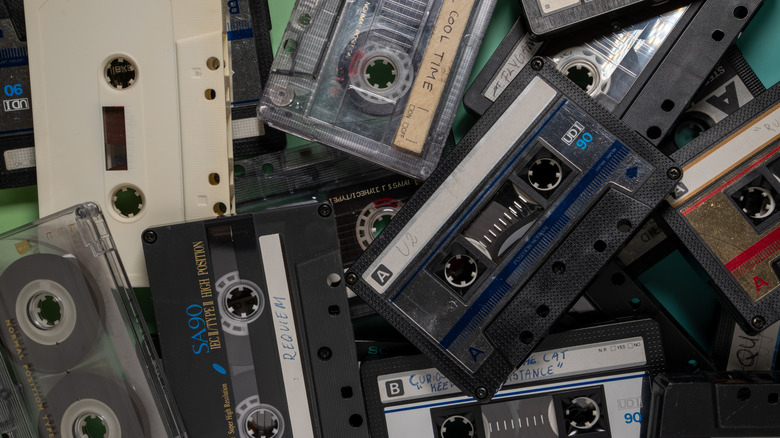
However, the hardware remains the bottleneck. If you are serious about keeping your collection alive, consider the following:
- Source Good Hardware: If you are buying a used player, look for models with metal internal components rather than plastic ones.
- Clean the Heads: The playback head collects residue from the tape coating over time. Regular cleaning with isopropyl alcohol and a lint-free swab is essential to maintain high-frequency response.
- Avoid "Pencil Rewinding": While the "pencil trick" is a nostalgic staple, it often introduces uneven stress on the tape edges. Use the rewind button on a properly functioning deck whenever possible.
Conclusion: A Living Legacy
Your cassette collection is a time capsule of your personal history. While the materials themselves are destined to fade—with a potential lifespan reaching up to 100 years under museum-grade conditions, but often failing within five years in a hot attic—their value remains intact.
Whether you choose to digitize them for safety or continue to play them on a refurbished deck to enjoy the tactile experience of analog music, the key is intentionality. By controlling the environment, maintaining the mechanics, and embracing the necessity of digital preservation, you ensure that the mixtapes of your past continue to speak to your future. The music may be old, but if treated with the respect it deserves, it will never truly fade away.