The Dawn of the AI-Native Desktop: An In-Depth Look at openKylin 3.0
The landscape of open-source operating systems is undergoing a seismic shift. For years, Linux distributions have prioritized stability, modularity, and kernel performance. However, with the release of openKylin 3.0, the focus has pivoted sharply toward a new horizon: the "AI-Native" desktop experience. Developed by a vast consortium of Chinese industrial leaders, research institutes, and independent contributors, openKylin 3.0 represents more than just a software update—it is a bold assertion that the future of the desktop OS lies in the deep integration of Large Language Models (LLMs) and agentic workflows.
The Evolution of openKylin: A Chronology
To understand the significance of version 3.0, one must look back at the project’s trajectory. openKylin emerged as China’s premier community-driven, homegrown open-source operating system. It was designed to provide a secure, independent alternative to Western-dominated OS ecosystems, effectively decoupling critical infrastructure from reliance on singular, foreign-controlled tech giants.
- 2022: The project is officially launched, bringing together various stakeholders to standardize the Linux experience within the Chinese domestic market.
- 2023–2024: The distribution gains traction, refining its UKUI (Ultimate Kylin User Interface) desktop environment and expanding its repository of software.
- Late 2026 (The Current Milestone): The release of openKylin 3.0 marks a maturation phase. By incorporating the Linux 7.0 kernel and an entirely reimagined AI framework, the project moves from being a "standard" Linux distribution to a research-driven platform for human-computer interaction.
AI at the Core: The KylinBot Framework
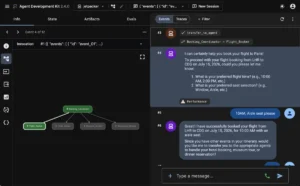
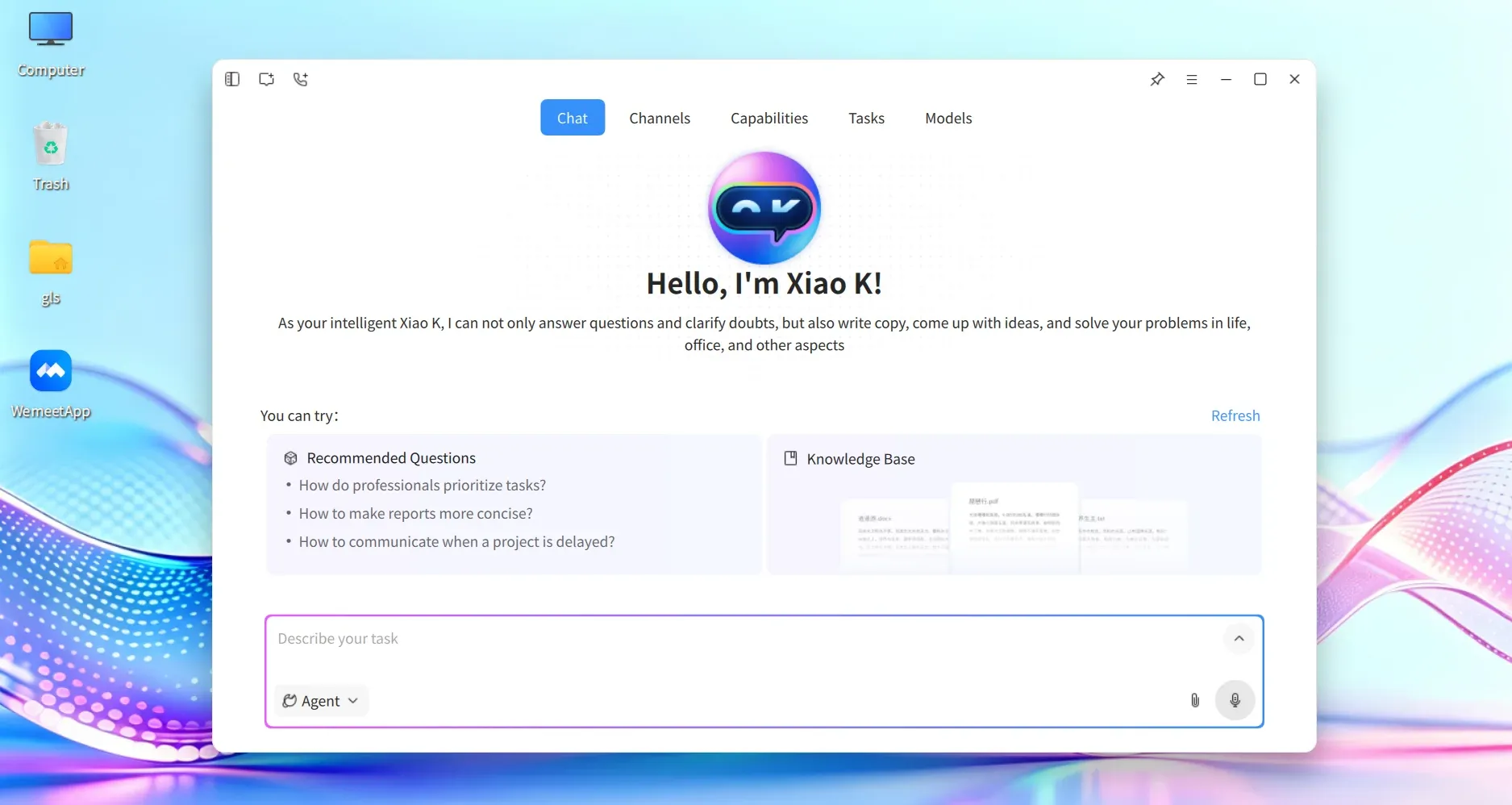
The most striking feature of openKylin 3.0 is not a visual tweak or a performance patch, but the introduction of the KylinBot AI agent framework. Unlike conventional AI assistants that operate as "add-on" chatbots, KylinBot is woven into the very fabric of the operating system.
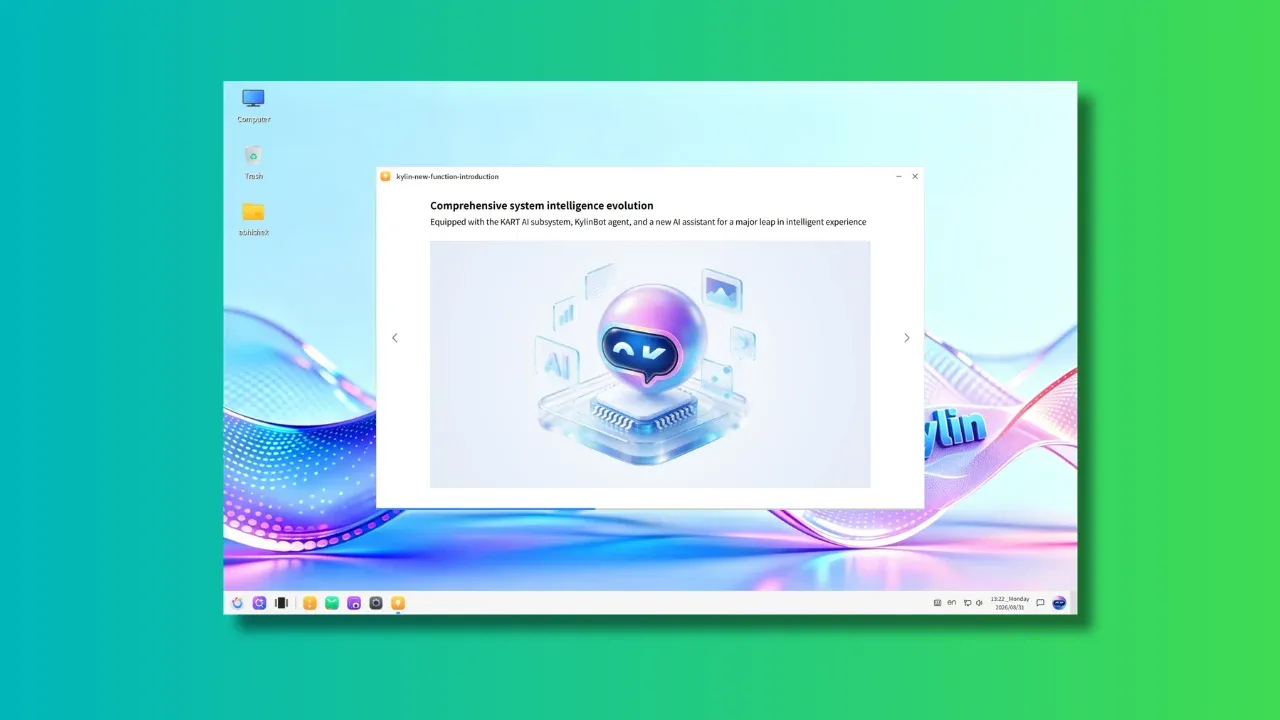
At the interface level, users interact with Xiao K, the system’s primary AI agent. While Xiao K bears a superficial resemblance to existing AI desktop tools, its underlying architecture is significantly more robust. The framework employs a standardized communication protocol that allows the AI to execute system-level commands without requiring the user to navigate the command-line interface or traditional settings menus.
The Power of System Skills
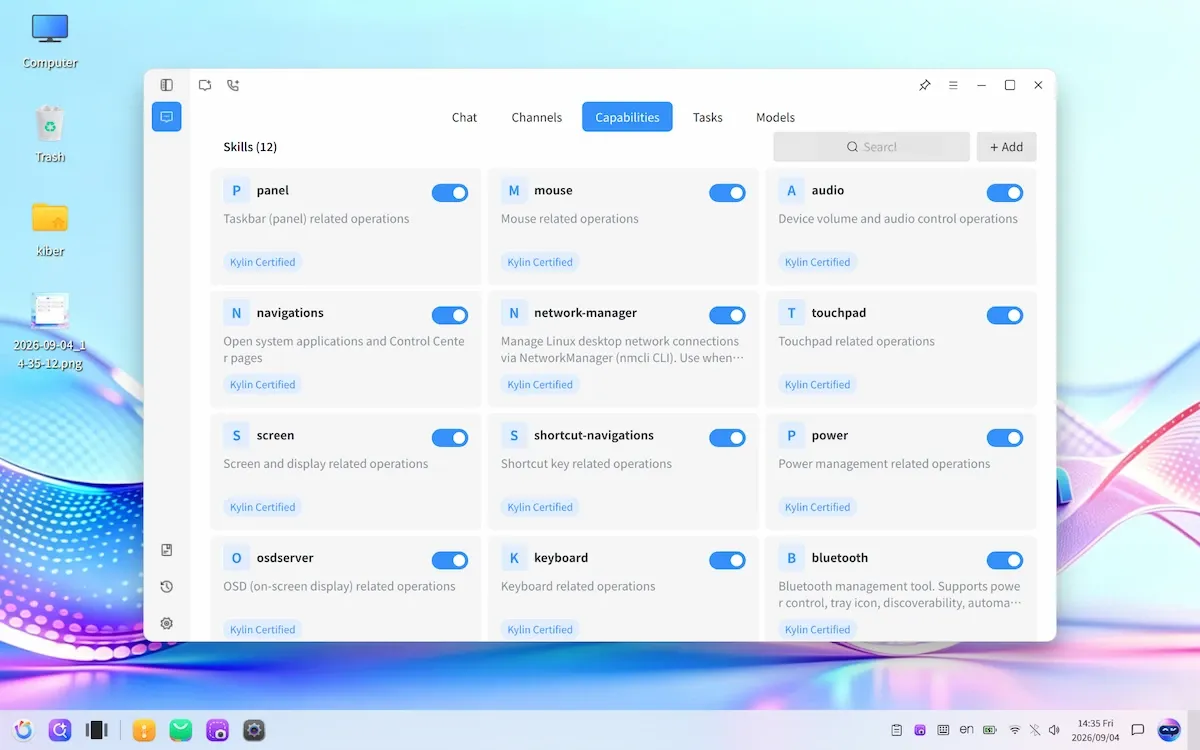
KylinBot ships with a suite of "pre-built system skills." For instance, rather than navigating to the control panel to toggle Bluetooth, manage network interfaces, or adjust complex keyboard layouts, a user can simply issue a voice or text command to Xiao K. The agent interprets the request, authenticates the permission, and modifies the system state in real-time.
This functionality is particularly compelling when utilized through voice. As mobile users have become accustomed to hands-free assistants like Siri or Google Assistant, the migration of this convenience to the desktop environment is a logical, albeit highly anticipated, progression. By shifting from a GUI-centric interaction model to an agent-based model, openKylin 3.0 aims to lower the barrier to entry for power-user tasks.

UKUI 4.24: Redefining the Desktop Interface
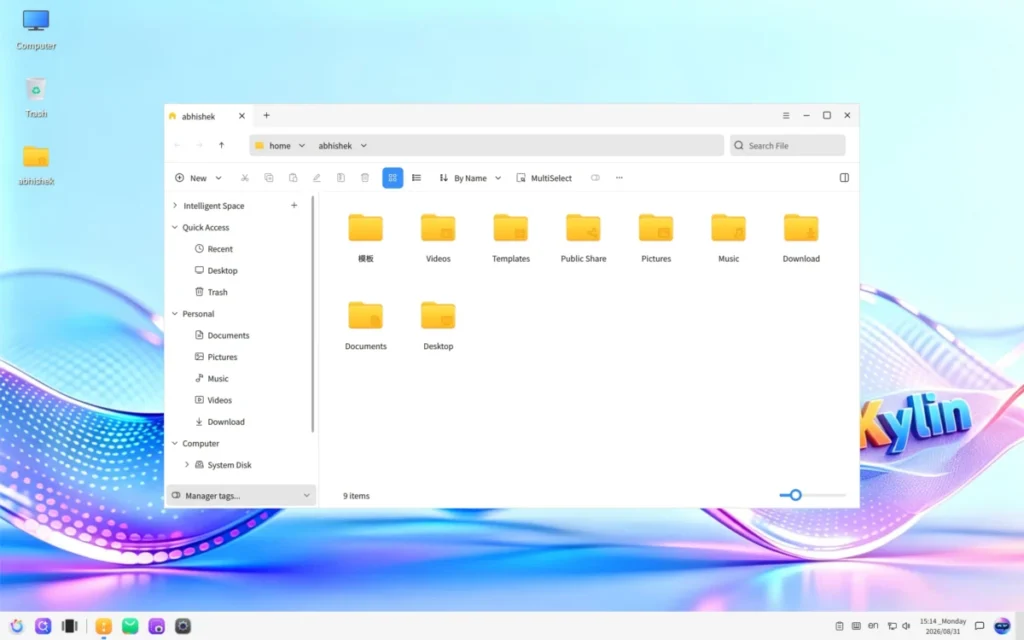
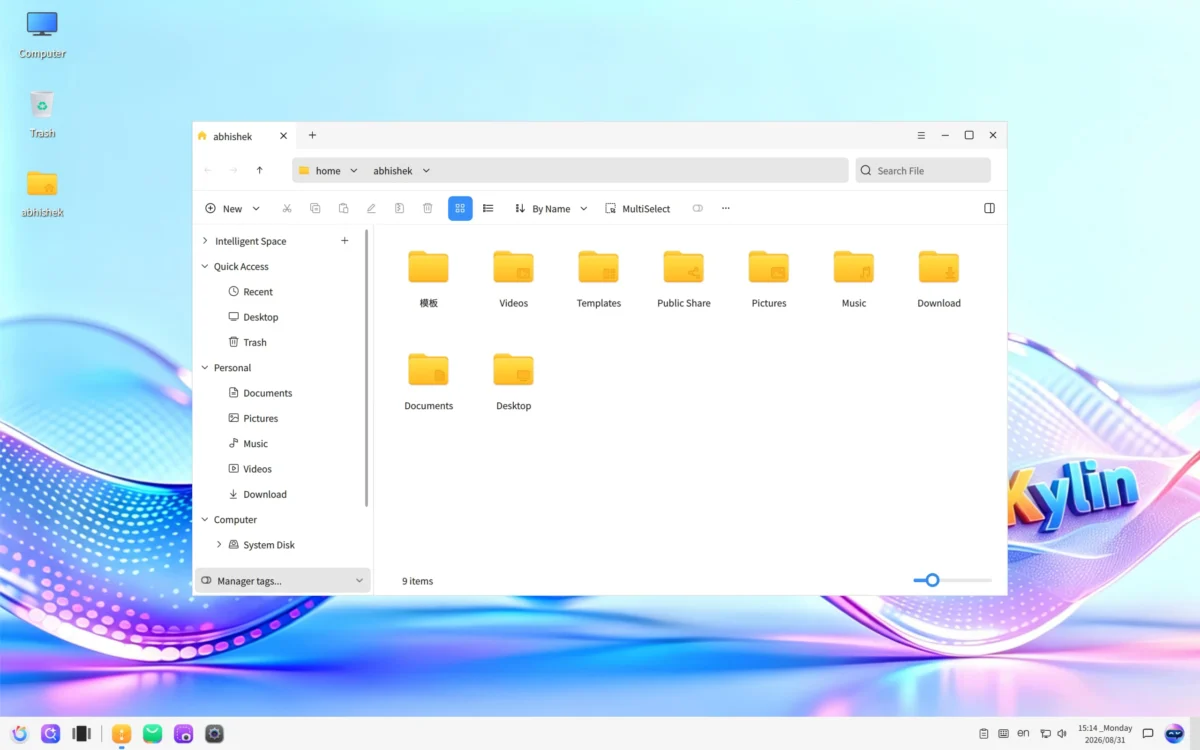
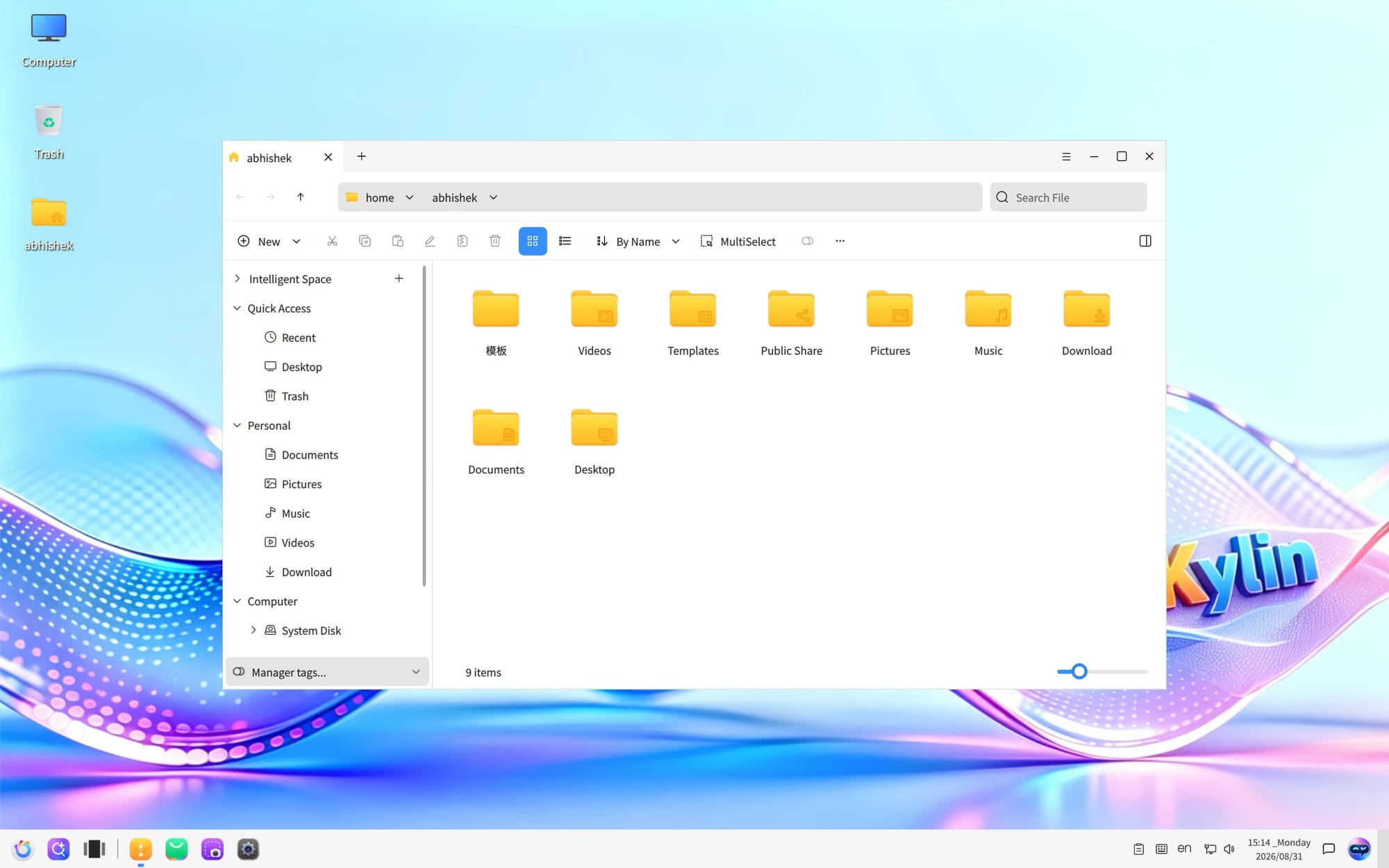
The Ultimate Kylin User Interface (UKUI) 4.24 serves as the visual and functional bridge for these AI capabilities. The update is extensive, focusing on three core pillars: standardization, accessibility, and intuitive gesture control.
KACP: The Bridge Between AI and Hardware
Central to UKUI 4.24 is the Kylin Agent Control Protocol (KACP). This protocol provides a standardized API encapsulation across all UKUI modules. Effectively, this means that every desktop component—from the window manager to the audio stack—is "AI-ready." By providing a unified API, the developers have ensured that KylinBot can interact with the underlying system safely and predictably.
Accessibility and Human-Computer Interaction
The new release introduces advanced accessibility features, most notably a native screen reader and air gesture controls. Utilizing the webcam, the system tracks hand movements to trigger desktop functions. This represents a significant leap in inclusive design, allowing users with limited mobility or those working in specialized environments to control their desktop without traditional peripherals. Furthermore, the introduction of multi-finger gesture support for touchpads brings the desktop closer to the fluidity of tablet-based operating systems, supporting complex actions like task switching and volume control via intuitive swipes.
The "Rustification" of Infrastructure
In keeping with modern software engineering trends, openKylin 3.0 has undergone significant "Rustification." The memory-safety benefits of the Rust programming language are being leveraged to replace legacy C/C++ utilities.
- kylin-time: A high-performance replacement for the classic time-tracking utility.
- kylin-wget: A modernized, safer version of the ubiquitous file-downloading tool.
- kylin-ki18n: A rewritten internationalization library designed to be more efficient and easier to integrate within the new AI framework.
This transition not only improves the overall stability of the system but also serves as a proof-of-concept for the security-first mindset currently permeating the Chinese open-source development community.
Implications for the Global Linux Ecosystem
The emergence of an AI-native operating system like openKylin 3.0 poses several interesting questions for the global Linux community.
1. The "Bloat" vs. "Feature" Debate
The most immediate criticism of openKylin 3.0 is the size of its ISO, which exceeds 7 GB. While this is primarily attributed to the inclusion of pre-installed AI models, it challenges the traditional Linux philosophy of minimalism. However, proponents argue that for AI to function reliably offline—a key requirement for privacy and latency—having these models integrated at the OS level is a necessary trade-off.
2. Cross-Platform Interoperability
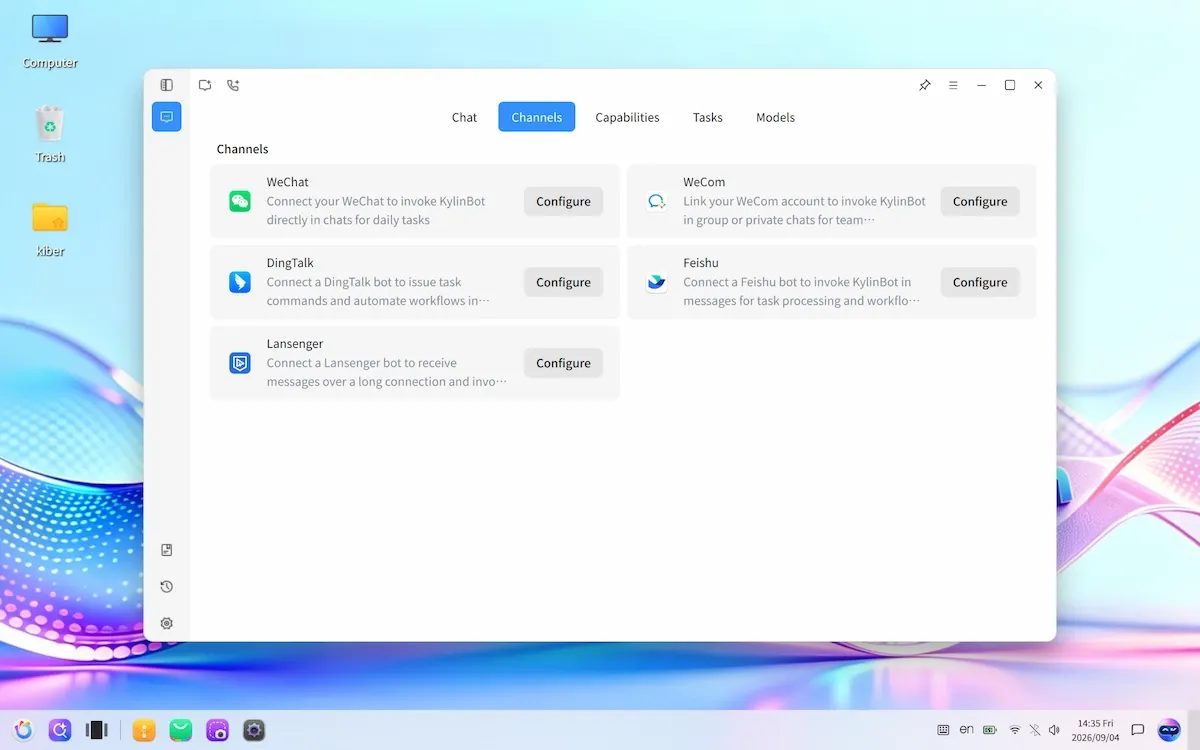
A standout feature of Xiao K is its ability to communicate outside the desktop environment. By integrating with messaging platforms like WeChat, Feishu, and DingTalk (with plans for Telegram and Discord support), the AI agent acts as a persistent companion. This "Chat Gateway" approach implies that the operating system is no longer a siloed environment, but rather an active participant in the user’s digital communication stream.
3. A Precursor to Mainstream Adoption
While Ubuntu 26.10 and other distributions are actively exploring AI integration, openKylin 3.0 is arguably ahead of the curve. By creating a standardized framework for agentic behavior, it provides a blueprint for how other distributions might eventually manage AI integration. The demand for such features is clearly rising; users are increasingly expecting their operating systems to act as intelligent assistants rather than just file managers.
Technical Specifications and Availability
The move to the Linux 7.0 kernel provides openKylin 3.0 with the latest drivers and hardware support, ensuring that it remains competitive with mainstream enterprise distributions.
For those looking to explore the system, the project maintains an extensive repository on Gitee, where developers can inspect the code for the various "skills" that power the AI agent. While much of the current documentation and skill-base is in Chinese, the project’s ambition—and its reliance on open-source standards—suggests that an internationalized version could become a significant player in the global market if the community expands.
Final Thoughts: Is AI the New Desktop Paradigm?
openKylin 3.0 is a milestone release. It moves past the "experimental" phase of desktop AI and into a practical, highly integrated implementation. Whether or not the global Linux community embraces such a heavy reliance on AI remains to be seen, but the trajectory is clear: the future of the desktop is not just about moving files and opening windows; it is about managing an ecosystem of intelligent agents that understand the user’s intent.
For power users, researchers, and those interested in the future of human-computer interaction, openKylin 3.0 is a mandatory study. It is a bold, ambitious, and highly functional look at what happens when an operating system decides that it, too, should be "smart." As the project matures and moves toward wider international availability, it may well force a global rethink of what a Linux distribution is truly capable of achieving.