The Touchscreen Revolution: Apple Poised for a Paradigm-Shifting October Launch
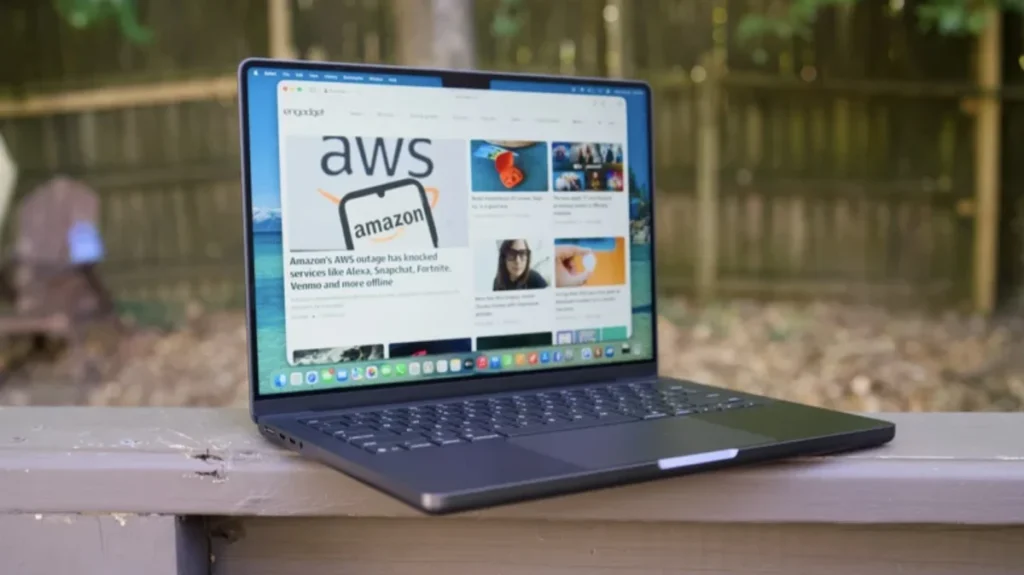
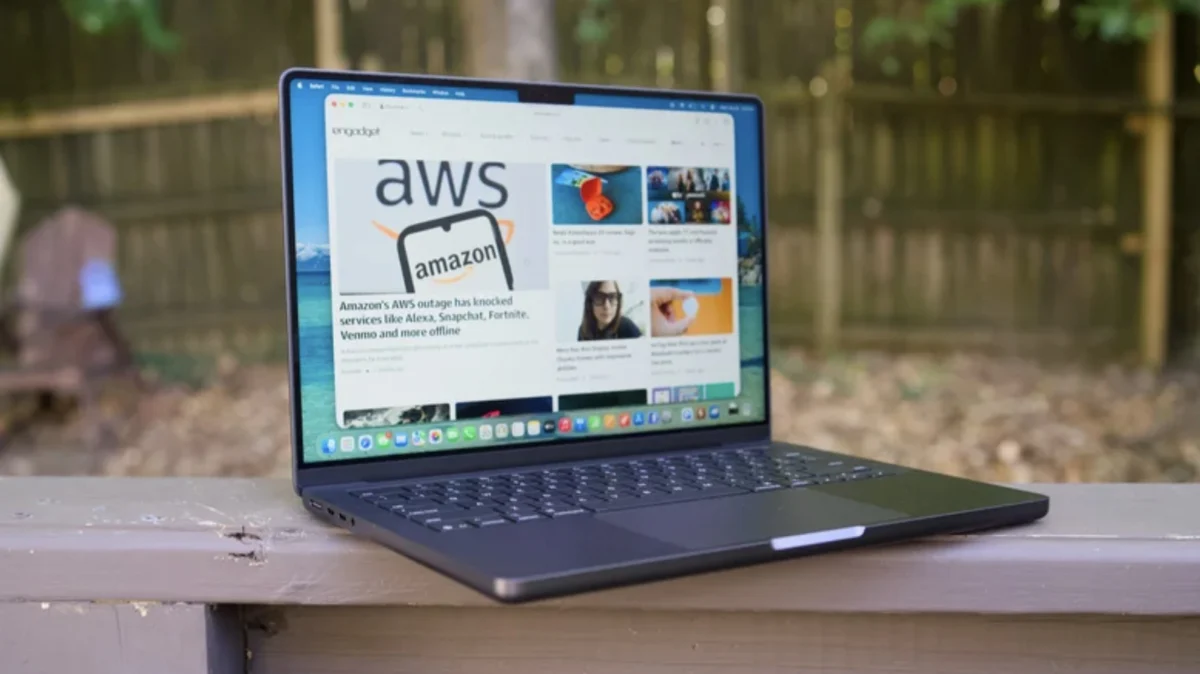
The long-standing skepticism surrounding Apple’s reluctance to adopt touch interfaces for its computing line is finally approaching a definitive end. According to reports from Bloomberg, the Cupertino tech giant is preparing to unveil its most significant hardware pivot in over a decade: the company’s first-ever touchscreen MacBook. Expected to debut on or around October 27, this launch marks a monumental shift in Apple’s design philosophy, signaling an era where the boundary between the iPad and the Mac becomes increasingly porous.
The Main Facts: A Convergence of Hardware and Touch
For years, Apple executives, including the late Steve Jobs and current CEO Tim Cook, maintained that touchscreens on laptops were ergonomically flawed and logically redundant in the presence of the iPad. However, market pressure and technological advancements have forced a change of heart.
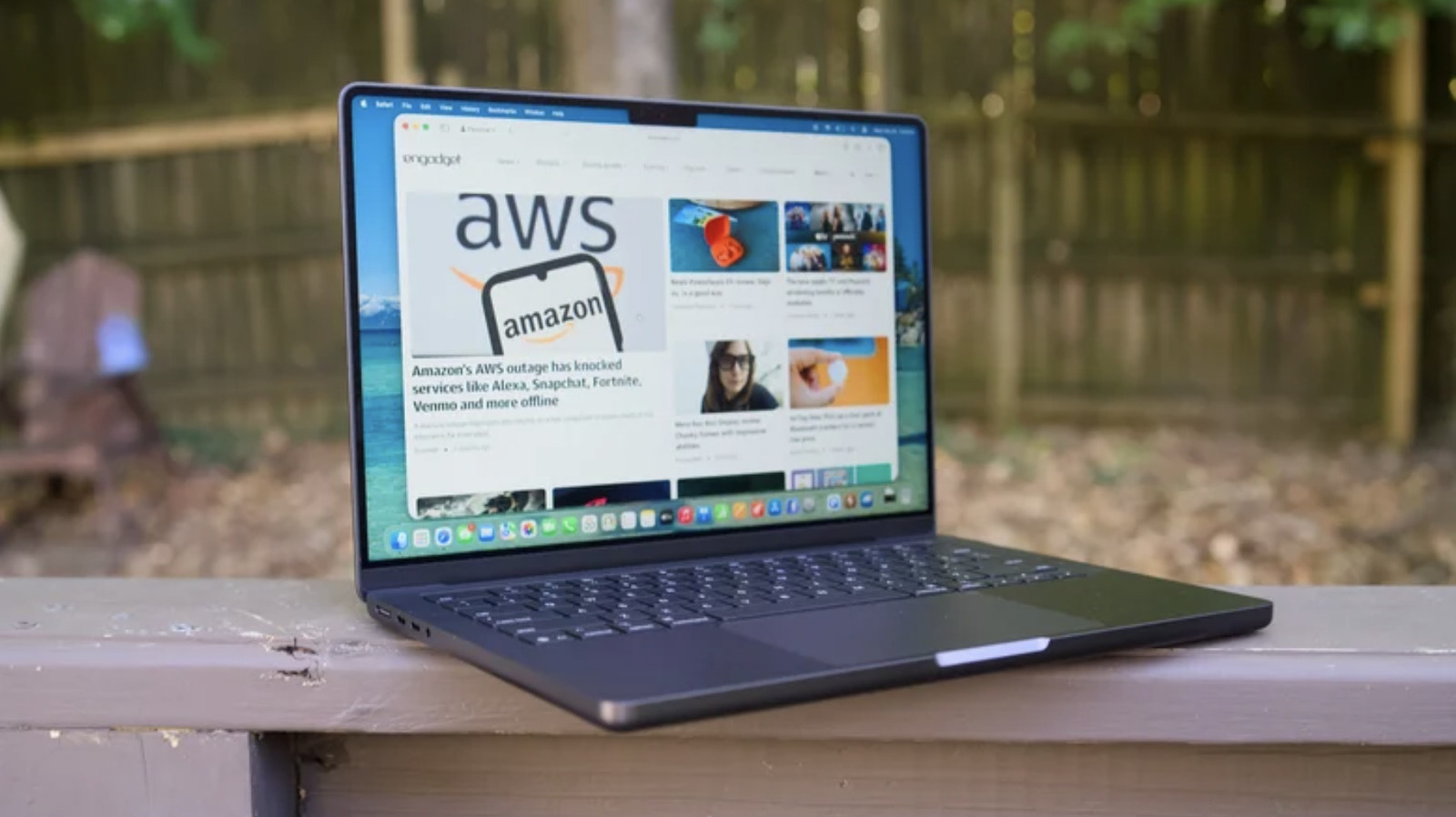
The upcoming device, widely speculated to be marketed as the "MacBook Ultra," is not merely a MacBook with a digitizer layer added to the screen. Reports suggest the laptop will feature a "dynamic interface"—a software-hardware synergy that adjusts the macOS environment based on whether the user is employing a mouse, a trackpad, or direct touch input.
Under the hood, the device is expected to leverage the raw power of Apple’s M5 Pro and M5 Max silicon. While industry analysts initially speculated that Apple might wait for the M6 chip architecture to debut this device, sources suggest that sticking to the proven M5 architecture ensures stability for a form factor that requires precise thermal management to accommodate touch-sensitive glass.
Chronology of a Rumor Turned Reality
The path to this moment has been a slow, deliberate leak of information spanning several years.
- 2023: Initial whispers regarding a touchscreen MacBook began to circulate, largely dismissed by analysts as wishful thinking from a market saturated with Windows-based 2-in-1 hybrids.
- Early 2024: Patents filed by Apple began to appear, detailing hinge mechanisms and display coatings specifically designed to resist fingerprint smudges and handle the pressure of constant tapping.
- Mid-2025: The successful launch of the "iPhone Duo," Apple’s first foldable handset, proved to the company that consumers were ready for flexible and multi-input interfaces. This served as a internal proof-of-concept for the hardware engineering teams working on the Mac project.
- October 2026: The current timeline. With the M6 chip now in circulation following the recent Mac mini refresh, Apple is finalizing its product stack for the upcoming October 27 event.
Supporting Data: The Ecosystem Refresh
Beyond the flagship touchscreen laptop, Apple is preparing a multi-pronged hardware assault this October. The event is slated to be one of the most crowded in the company’s history:
The iPad Mini OLED Upgrade
The current iPad Mini has long been a favorite for note-takers and pilots, but its display technology has stagnated. The upcoming refresh is expected to feature an OLED panel, bringing the compact tablet in line with the color accuracy and contrast ratios of the iPad Pro series. This upgrade is aimed at creative professionals who require a portable, high-fidelity reference monitor that fits in a jacket pocket.
The M6 Expansion
The Mac ecosystem is receiving a significant speed injection. The entry-level 14-inch MacBook Pro, currently anchored to the M5 chip, will transition to the M6 architecture. Similarly, the iMac—which has been lagging on the M4 chip—will receive an M6 upgrade, effectively standardizing performance across the desktop and laptop entry-tier lineups.
Smart Home Integration
Before the laptop reveal, Apple is scheduled to host a dedicated smart home event on October 13. This indicates a strategic push to reclaim market share from Amazon and Google. Analysts suggest this new collection of devices will focus on "ambient computing," utilizing the Neural Engine in Apple Silicon to process home automation tasks locally rather than in the cloud, prioritizing user privacy.
Implications: A New Era for macOS
The integration of touch into the MacBook ecosystem carries profound implications for software developers and end-users alike.
The Developer Challenge
The transition will necessitate a massive update to the App Store ecosystem. Developers who have traditionally kept iPadOS and macOS apps separate will now face the challenge of creating "universal touch-enabled apps." If an app is built for a touchscreen Mac, it must be touch-optimized, potentially requiring a complete UI overhaul for legacy software.
The "iPadization" of the Mac
Critics worry that the touchscreen MacBook could lead to a "dumbing down" of the Mac interface. The macOS desktop experience is built on precision pointing—the ability to hover over menus and click small UI elements. Touchscreens, by nature, require larger, "fat-finger-friendly" targets. Apple’s challenge will be to maintain the "Pro" nature of the MacBook while implementing an interface that doesn’t feel like a scaled-up mobile operating system.
Market Positioning
By introducing the MacBook Ultra, Apple is effectively creating a new tier of hardware that sits between the MacBook Pro and the iPad Pro. This move acknowledges that the "PC vs. Tablet" war is over. In the modern workspace, professionals want the file management and multitasking capabilities of a laptop combined with the intuitive nature of a touch display.
Official Responses and Industry Outlook
While Apple maintains its policy of not commenting on "unannounced products," the company has been subtly laying the groundwork for this transition for years. The introduction of "Sidecar"—which allowed users to use an iPad as a second, touch-capable display for a Mac—was widely viewed as a test balloon. It allowed Apple to gauge how users interacted with touch elements in a desktop-based workflow without committing to a touchscreen laptop.
Industry analysts are largely optimistic. "Apple rarely enters a product category first," notes tech analyst Sarah Jenkins. "They wait for the technology to mature, for the supply chain to stabilize, and for the ecosystem to demand it. The touchscreen MacBook isn’t an experiment; it’s a calculated answer to a market that has been asking for this capability for a decade."
However, the financial implications are also worth noting. A touchscreen MacBook will almost certainly command a premium price. If the device is branded as an "Ultra," consumers should expect a price point that exceeds the current top-of-the-line MacBook Pro models. This could alienate students and casual users, positioning the device firmly as a tool for high-end creative and enterprise workflows.
Conclusion: A High-Stakes Autumn
As we approach late October, the focus remains on whether Apple can execute this transition without compromising the integrity of its computing platform. The company is betting that the synergy between its custom silicon, a refined macOS, and new touch-ready hardware will set a new industry standard.
Whether this becomes the new gold standard for computing or a cautionary tale of design over function remains to be seen. What is certain, however, is that the October 27 event will be a watershed moment in the history of the MacBook, potentially redefining how we interact with our computers for the next twenty years. Apple is no longer just selling a laptop; they are selling a new way to work, play, and create—literally at the touch of a finger.