The Immune Clock: How a Hidden Biological Ratio Predicts Healthy Aging
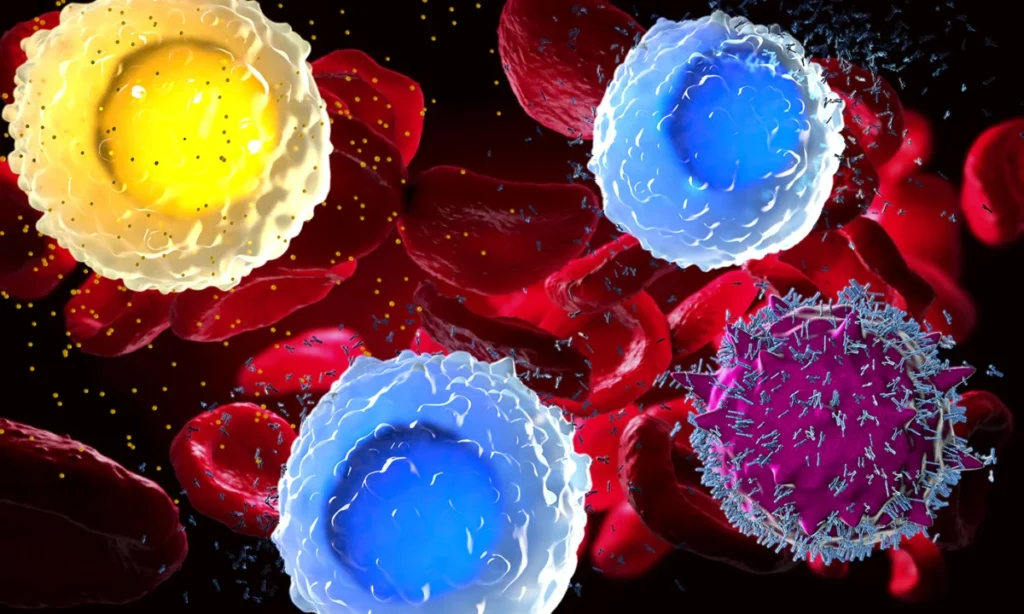
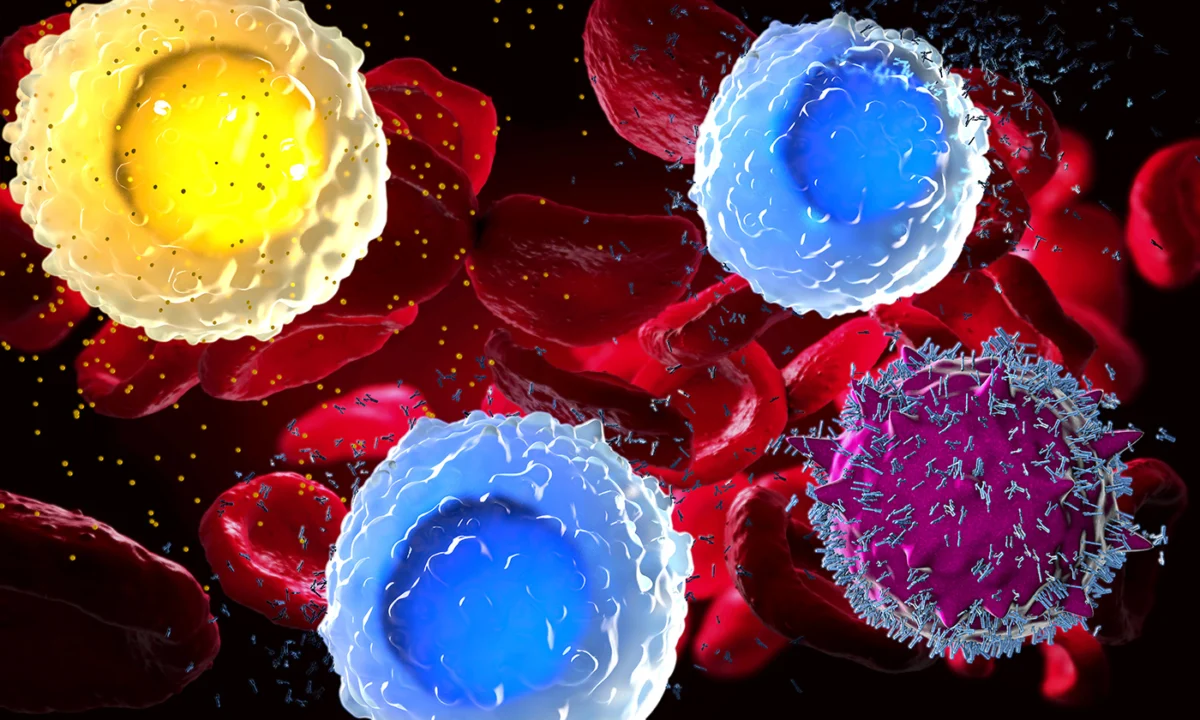
It is a biological paradox that has long baffled gerontologists: two individuals born on the same day, sharing similar socioeconomic backgrounds and lifestyles, can arrive at their seventh decade with vastly different physical realities. One may remain vibrant and active, while the other grapples with a constellation of chronic illnesses. For years, science has pointed to the immune system as the primary driver of this disparity, but the mechanisms governing this “immune age” have remained elusive.
Now, a groundbreaking study published in the journal Immunity has unveiled a roadmap of human immune aging. By analyzing over 12 million individual immune cells across global populations, researchers from Washington University School of Medicine in St. Louis, Nationwide Children’s Hospital, and King’s College London have identified a specific biological “tug-of-war” within our white blood cells that acts as a predictor for long-term health.
The Foundation: Mapping the Immune Spectrum
The study, titled "Single-cell analyses of global cohorts outline determinants of immune aging and link the ratio of GZMK+ to GZMB+ Tem cells to health trajectories," represents a massive undertaking in systems immunology. To reach their conclusions, the research team synthesized data from over 2,600 healthy adults ranging in age from 20 to 90-plus, spanning cohorts in North America, the United Kingdom, Asia, and Australia.
At the heart of their discovery is a ratio between two specific types of effector memory CD8 T cells. These cells are essential components of the adaptive immune system, designed to identify and eliminate threats. However, they are defined by the enzymes they produce: granzyme B (GZMB) and granzyme K (GZMK).
While granzyme B-producing cells are well-known as the "heavy artillery" of the immune system—designed to destroy diseased or virally infected cells—granzyme K-producing cells have historically been less understood. The researchers found that the balance between these two cell types is not merely a static biological snapshot; it is a dynamic spectrum that changes as we age, serving as a critical barometer for how our bodies handle chronic inflammation and long-term health risks.
Chronology of a Scientific Breakthrough
The path to this discovery was iterative, relying on the convergence of high-resolution single-cell sequencing and large-scale population data modeling.
Phase 1: The Single-Cell Analysis
The initial phase involved the high-resolution mapping of 12.4 million immune cells. Researchers observed that in younger adults, the immune system is relatively uniform, characterized by a high abundance of "naive" immune cells. These cells are essentially blank slates, highly adaptable and ready to respond to new pathogens or vaccine challenges. As individuals age, this uniformity dissipates, giving way to a more diverse and fragmented landscape.
Phase 2: Identifying the Shift
The researchers placed participants on a spectrum based on their GZMB-to-GZMK ratio. They noted that as a healthy immune system ages, it naturally shifts toward an abundance of granzyme K-producing cells. Conversely, an immune system that prematurely or excessively leans toward granzyme B production appears to be in a state of chronic, low-level hyper-activation.
Phase 3: The UK Biobank Validation
A major challenge for the researchers was that while they had deep single-cell data, they lacked the longitudinal health outcomes required to prove their hypothesis. To bridge this gap, they turned to the UK Biobank, a massive database containing health records for 50,000 individuals.
Because the Biobank lacked raw T-cell counts, the team utilized a "computational proxy." By analyzing a smaller dataset that included both T-cell counts and specific blood proteins, they developed a computer model capable of identifying the "protein tracks" left behind by GZMB or GZMK dominance. When they applied this model to the baseline blood samples of the 50,000 UK Biobank participants, the results were striking: the ratio predicted health outcomes a decade into the future.
Data Insights: The Cost of Granzyme B Dominance
The statistical correlation found by the researchers suggests that the GZMB-to-GZMK ratio is more than just a biological curiosity—it is a prognostic tool.
Adults who, at the start of the study, showed a immune system leaning heavily toward granzyme B cells were found to be at a statistically significant higher risk of mortality over the following ten years. Furthermore, this "GZMB-dominant" group showed a much higher incidence rate of chronic age-related diseases, including:
- Type 2 Diabetes: Linked to metabolic inflammation.
- Hypertension: Often exacerbated by systemic immune-mediated vascular stress.
- Liver Disease: Reflecting the body’s inability to regulate inflammatory responses in metabolic organs.
- Renal Failure: Indicative of the cumulative damage that persistent immune activation can wreak on filtration systems.
The data suggests that individuals can hit this "pro-inflammatory" GZMB state at different chronological ages. A 40-year-old with a high GZMB profile may be biologically older than a 60-year-old with a high GZMK profile, explaining the disparate health trajectories observed in clinical practice.
Official Perspectives: Decoding the "Biological Red Flag"
The researchers involved in the study emphasize that this finding is not a diagnosis, but rather a warning sign—a biological metric that could fundamentally change how we approach preventative medicine.
"A higher level of granzyme B cells in a healthy state means the immune system might be already reacting to something," explains Dr. Marina Terekhova, a professor in pathology and immunology at Washington University School of Medicine and a co-author of the study. "It isn’t a formal disease diagnosis, but it may indicate the body is off track."
Dr. Maxim Artyomov, the alumni endowed professor of pathology and immunology at WashU Medicine and one of the paper’s corresponding authors, sees the study as the first step toward a new paradigm of "anticipatory medicine."
"Identifying specific biological red flags in the immune system could pave the way for early-warning tests that spot disease risks years before a clinical diagnosis," says Dr. Artyomov. His laboratory is currently adapting the findings from this complex research into a streamlined, accessible blood test that can be processed using standard clinical equipment found in most hospitals and pathology labs.
Implications for Future Healthcare
The implications of this study are profound, touching on everything from longevity research to personalized clinical care.
A New Metric for Biological Age
Currently, "biological age" is often measured via epigenetic clocks—markers on our DNA that change over time. The GZMB-to-GZMK ratio offers a functional alternative: a measure of how our immune system is actually performing rather than just how much time has passed. This could allow doctors to intervene with lifestyle changes or pharmacological interventions long before a patient presents with symptoms of diabetes or heart disease.
Precision Prevention
If a simple blood test can identify individuals on an "unhealthy aging trajectory," healthcare providers could move away from a "one-size-fits-all" approach to wellness. Patients identified as having high GZMB levels might be prioritized for intensive lifestyle modifications, more frequent screenings, or even novel immunomodulatory therapies designed to restore the balance toward the more resilient GZMK-dominant state.
Challenges and Next Steps
While the findings are promising, the researchers are cautious. The transition from a research model to a clinical diagnostic tool requires further validation across more diverse global populations. Additionally, while the correlation between GZMB dominance and disease is clear, the exact causal pathways—what specifically triggers this shift—remain the subject of ongoing investigation. Are environmental toxins, chronic infections, or even psychological stress contributing to this early immune shift? These are the questions that will define the next decade of immunology research.
Conclusion
The study published in Immunity marks a significant pivot in our understanding of human longevity. By demystifying the internal clock of our immune system, scientists have provided a glimpse into the future of preventative healthcare. We are moving toward an era where the blood test of tomorrow will not just tell us what is wrong with us today, but what might be wrong with us in ten years.
As Dr. Artyomov and his team work to translate these findings into clinical practice, the hope is that we can stop treating the symptoms of aging and start addressing the underlying immune imbalances that lead to the chronic conditions defining our later years. In the map of human immune aging, we have finally found the coordinates that might allow us to steer our own health trajectories toward a longer, more resilient life.