Bridging the Digital Divide: How One Educator is Revolutionizing Tech Literacy in Rural Argentina
By Global Education & Technology Desk
Published in partnership with Raspberry Pi Official Magazine
Main Facts
In the sprawling, agricultural heartland of Santiago del Estero, Argentina, a quiet revolution in education is taking place. Eliana Otrera, a computer science pioneer and dedicated educator, is reshaping the landscape of rural learning. By harnessing the power of affordable, pocket-sized technology, Otrera is successfully dismantling the digital divide that has historically isolated remote schools and underprivileged students.
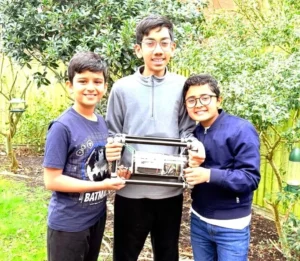
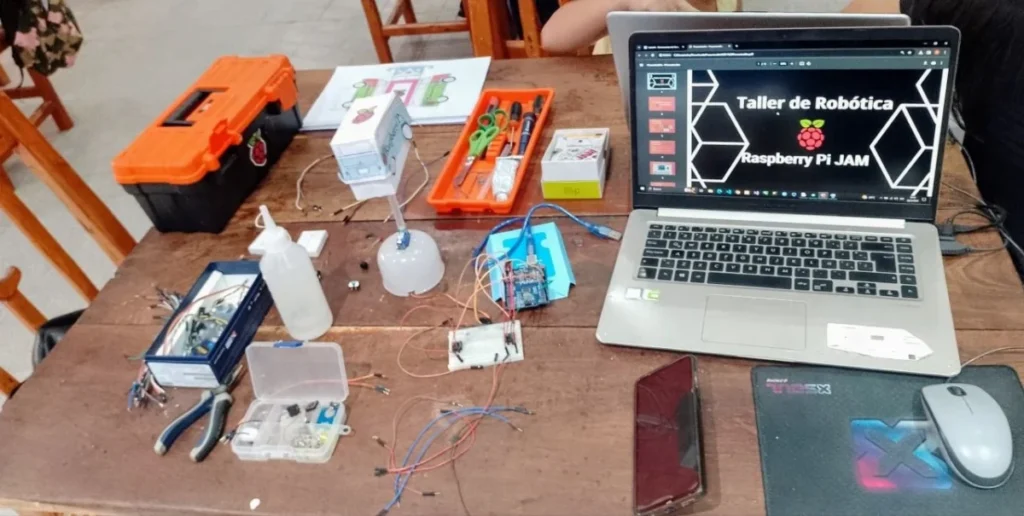
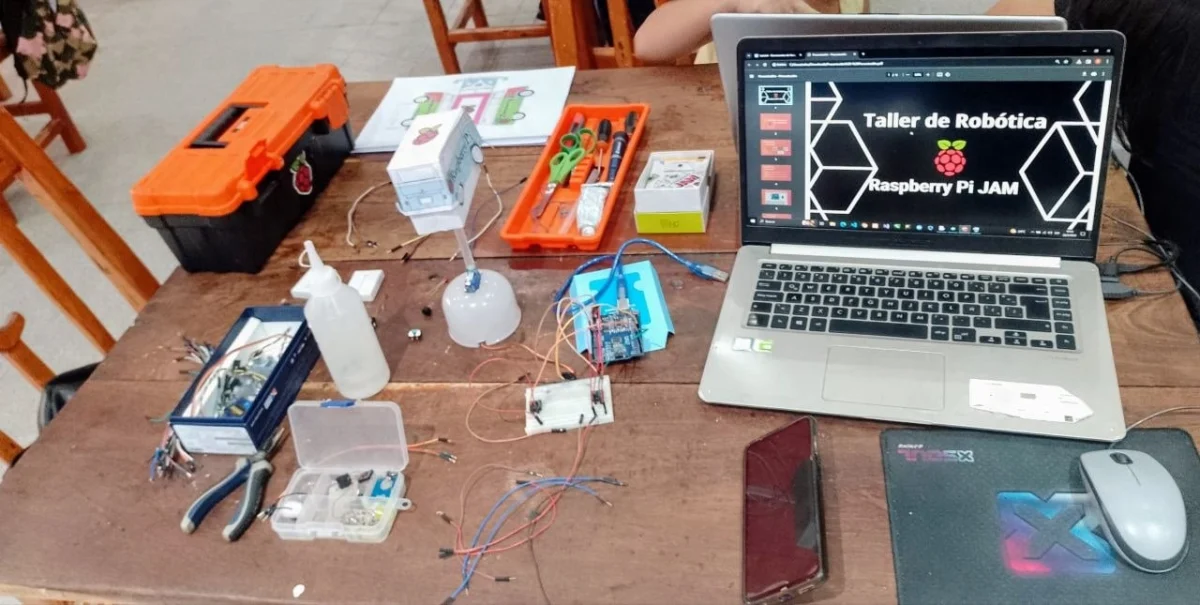
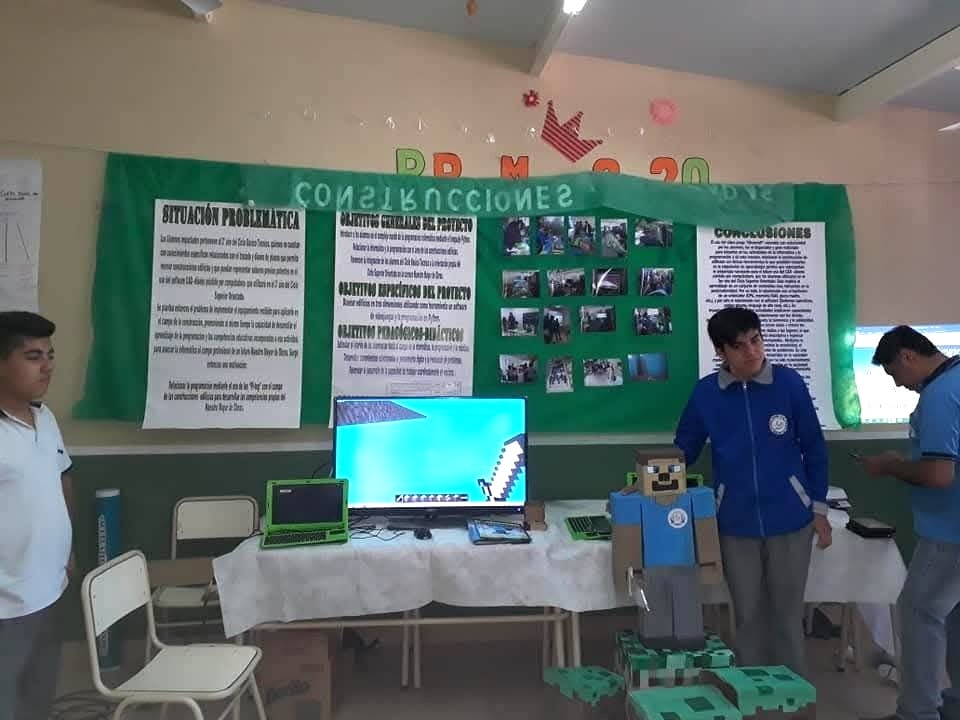
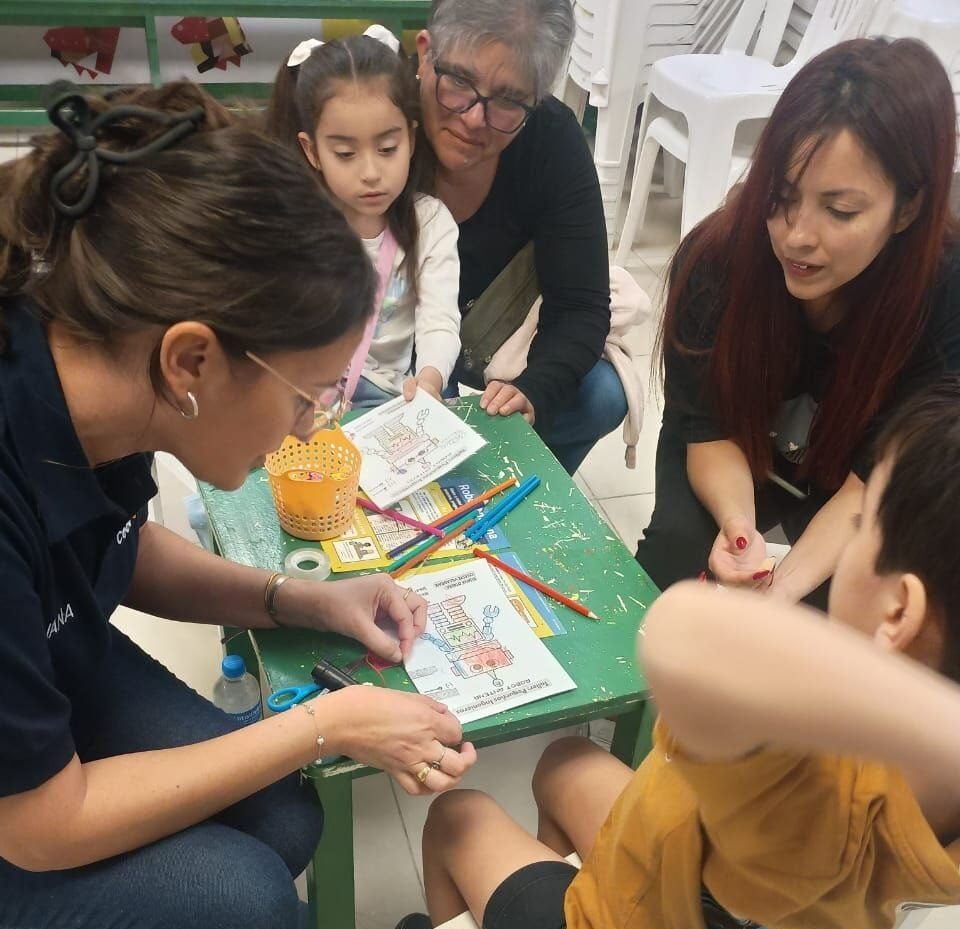
Operating primarily in and around the city of Forres—once a sleepy settlement characterized by dirt roads—Otrera champions the use of Raspberry Pi hardware and community-driven "Raspberry Jams." Her work goes beyond simply handing out devices; it is a comprehensive, hands-on approach to teaching programming, robotics, and critical thinking. From young children decorating cardboard robots with heartfelt artistic flair to high school students developing automated greenhouse irrigation systems using Python and Minecraft, Otrera’s initiatives prove that geography and socio-economic status need not dictate a child’s technological future.
Her efforts have recently gained international acclaim, featured prominently in Issue 170 of the Raspberry Pi Official Magazine, shining a spotlight on grassroots innovation in South America.
Chronology of an Educator’s Journey
To understand the magnitude of Eliana Otrera’s impact today, one must look back at the arduous path she traveled to enter the world of computing.
The Early Years and University Struggles (2003)
Growing up in Forres when it was little more than a rural outpost, Otrera developed an early fascination with technology. However, access to computers was virtually nonexistent in her immediate surroundings. Her determination was severely tested when she enrolled in a Computer Science degree program at university.
"Since I did not have my own computer, I had to go to internet cafés and rent one," Otrera recalls. "I’m not talking about the 1980s—this was in 2003!"
Despite the financial hurdles and logistical nightmares of relying on public hourly rentals for university assignments, she persevered. As she advanced deeper into her degree, her parents were eventually able to secure a modest computer for her home, cementing her academic trajectory.
Entering the Public Sphere: Conectar Igualdad (2017)
After completing her education and honing her skills, Otrera transitioned to the professional teaching sphere. In 2017, she joined Conectar Igualdad (Connecting Equality), a transformative government-backed educational initiative aimed at providing technological resources to students across Argentina.
Working within this program, Otrera was deployed to rural schools. It was here that she encountered the stark reality of the technological gap. "My experience in rural schools was, without a doubt, one of the stages that most shaped my relationship with technology and education," she notes. "There I understood that talking about the digital divide was not simply a matter of statistics or a lack of devices. The technology gap had faces, names, and stories."
The Discovery of Raspberry Pi (2017)
During her tenure with Conectar Igualdad, the program introduced Pi-Top distributions—portable, rugged computers built around the Raspberry Pi ecosystem designed specifically for educational deployment. This marked Otrera’s introduction to the credit-card-sized computer. Recognizing its immense potential, low power consumption, and versatility, she integrated the tool into numerous cross-curricular classroom projects.
Paving the Way: The First Raspberry Jam (March 2020)
By 2019, Otrera was actively advocating for Raspberry Pi within her professional and academic circles. Seeking a broader community impact, she joined forces with two like-minded colleagues who shared her passion for democratizing technology.
On March 6, 2020, right on the precipice of global lockdowns, the trio organized the very first community-open Raspberry Pi workshop in the province of Forres. This milestone event laid the groundwork for a regional movement. Despite subsequent challenges, Otrera and her colleagues expanded their reach, taking the workshops into local schools, cultural centers, and community academies throughout Santiago del Estero.
Supporting Data and Educational Frameworks
The success of Otrera’s pedagogical model relies on specific hardware configurations, progressive skill development matrices, and community engagement metrics.
Hardware and Software Ecosystem
- Raspberry Pi & Pi-Top Units: Used for their durability, affordability, and low energy requirements, making them ideal for areas with unstable electrical grids or limited budgets.
- Python Programming Language: Utilized as a primary text-based coding language for intermediate and advanced students.
- Minecraft: Employed as an interactive, virtual sandbox environment where students learn automated building logic and architectural scripting.
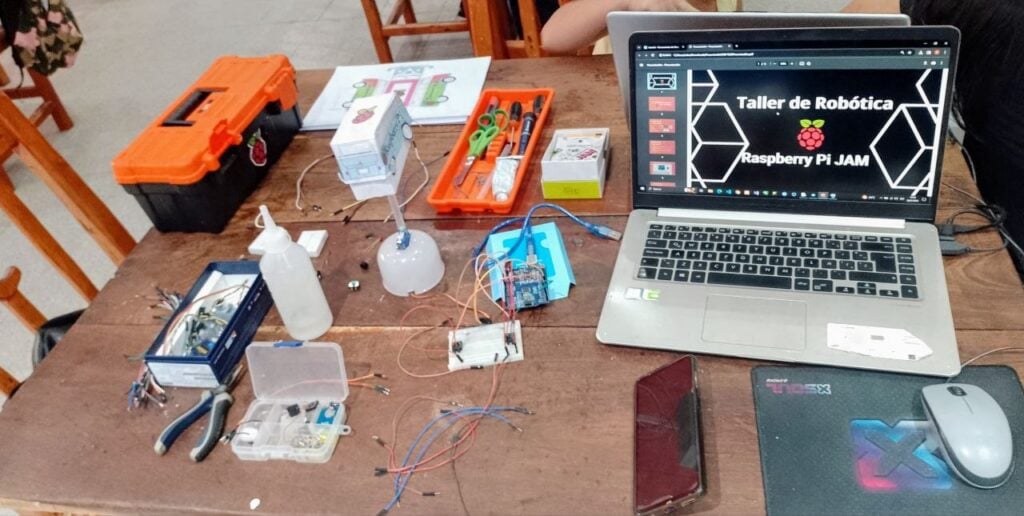
- Robotics Kits: Integrated with sensors and microcontrollers to teach physical computing, logic gates, and environmental automation.
Curriculum Progression Matrix
| Educational Tier | Core Focus | Primary Tools | Student Outcomes |
|---|---|---|---|
| Introductory Level | Artistic expression, logic basics | Basic electronics, trivia games, simple robots | Creation of decorative, personalized electronic devices; building confidence with hardware. |
| Intermediate Level | Virtual construction, syntax | Python, Minecraft Pi edition | Automated generation of institutional buildings and programmatic problem-solving. |
| Advanced Level | Applied environmental engineering | Sensors, microcontrollers, automated irrigation systems | Functional agricultural prototypes for crop planning, irrigation control, and drone tech deployment. |
Official Responses and Perspectives
The work spearheaded by Otrera has attracted the attention of regional educational authorities, international maker communities, and pedagogical researchers.
Speaking on the nature of the digital divide, Otrera emphasizes that statistics alone fail to capture the human element of technology education:
"The technology gap had faces, names, and stories. When you hand a child a device that opens up the world of programming, you aren’t just teaching a technical skill; you are rewriting their potential trajectory."
Reflecting on the evolution of the Santiago del Estero Raspberry Jams, Otrera highlights the community’s enthusiastic response:
"Since our first workshop in 2020, we have seen growing interest from students, teachers, families, and technology enthusiasts. What started as an idea among three colleagues has blossomed into a province-wide curiosity."
Editorial staff at the Raspberry Pi Official Magazine have continually lauded educators like Otrera who take foundational maker philosophies and apply them in resource-scarce environments. By turning basic hardware into catalysts for agricultural innovation—such as automated greenhouses—these programs demonstrate that rural students are not merely consumers of technology, but active producers and problem-solvers.
Implications for Rural Education and the Future
The implications of Eliana Otrera’s ongoing initiatives extend far beyond the borders of Santiago del Estero, offering a blueprint for educational reform in developing regions worldwide.
1. Redefining Rural Economic Sustainability
By guiding students from simple artistic robots to advanced agricultural projects—such as automated irrigation systems and crop-planning prototypes—Otrera’s curriculum directly addresses local economic realities. Santiago del Estero is a heavily agricultural province. When students apply coding and robotics to solve farming challenges (like water management and crop yield optimization), they acquire vocational skills that can revitalize local industries and stem the urban migration of skilled youth.
2. Decentralizing Tech Literacy
Traditional technology education models often rely on heavily funded urban computer labs. Otrera’s mobile, community-centric Raspberry Jam model proves that high-level computer science can be taught anywhere—from a rural schoolroom to a cultural center with intermittent internet access. The low cost and high durability of single-board computers like the Raspberry Pi make decentralized, grassroots tech education scalable.
3. Fostering Inclusivity and Self-Expression
A notable aspect of Otrera’s teaching philosophy is the integration of art and emotion into technical projects. By encouraging students to infuse personal artistic expression into their hardware builds, the program bridges the gap between STEM (Science, Technology, Engineering, Math) and STEAM (incorporating the Arts). This holistic approach reduces intimidation factors, encouraging students from non-traditional academic backgrounds to engage deeply with computer science.
As Eliana Otrera continues to expand her outreach, her journey from renting internet café computers in 2003 to inspiring a new generation of Argentine programmers serves as a powerful testament to human resilience and the liberating force of education. Through her tireless dedication, the digital divide in rural Argentina is slowly, systematically, being bridged—one Raspberry Jam at a time.
For readers interested in diving deeper into global maker stories, Issue 170 of the Raspberry Pi Official Magazine is available now online and through worldwide print subscriptions, which include a complimentary Raspberry Pi Pico 2 W for new subscribers.