The Cost of Connectivity: Withings Faces Backlash Over Apple Health Paywall
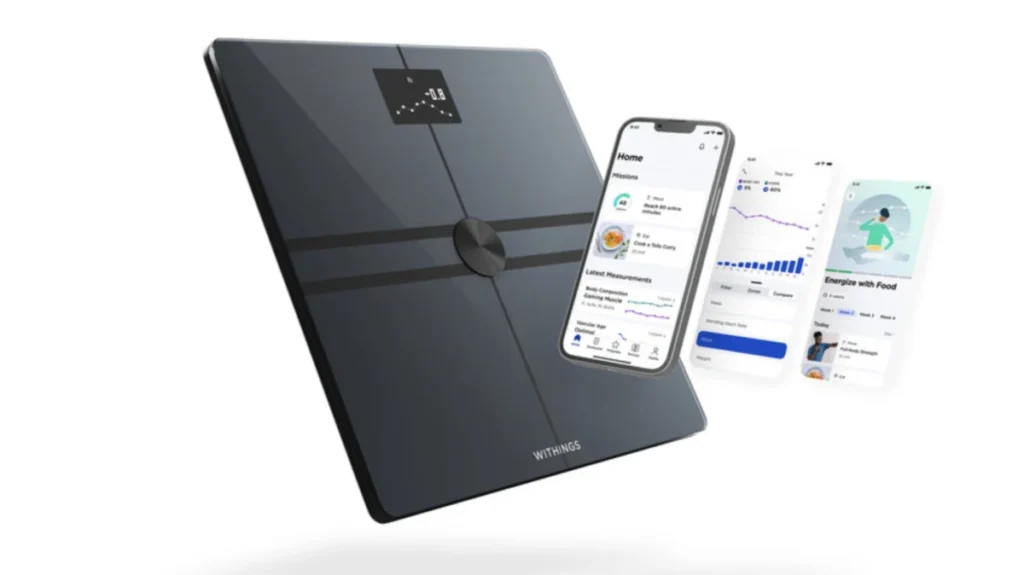
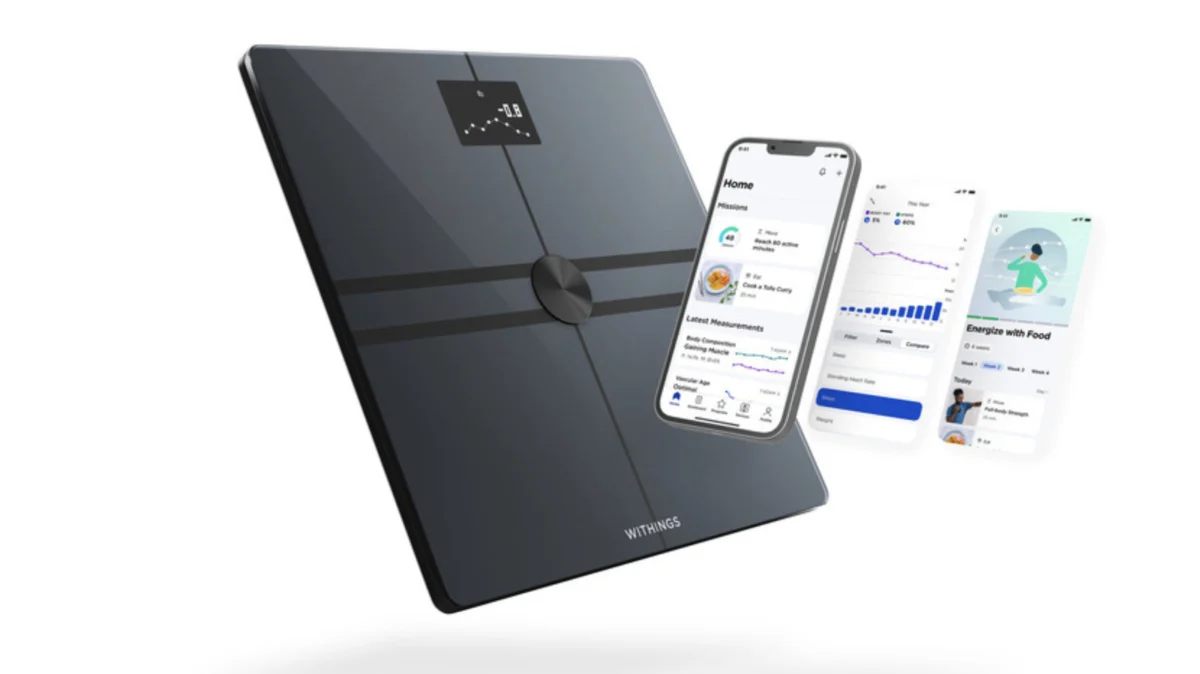
In a move that has sent shockwaves through the wearable technology community, Withings—a prominent manufacturer of premium smart health devices—has implemented a controversial policy change that effectively places basic data interoperability behind a financial barrier. Starting October 13, new users who wish to automatically sync their health metrics with third-party platforms, such as Apple Health, Google Fit, or other fitness aggregators, must subscribe to the company’s "Withings+" service. This premium subscription is priced at approximately $100 per year.
For a brand that has built its reputation on high-end, medically-informed smart scales, blood pressure monitors, and hybrid smartwatches, the decision to gate-keep data syncing—a feature long considered a baseline expectation in the modern Internet of Things (IoT) ecosystem—marks a significant pivot in the company’s business model.
The Core Conflict: Data Silos vs. Open Integration
At the heart of the controversy is the definition of "smart" health data. For years, the appeal of Withings hardware has been its ability to act as a data bridge. A user steps onto a Body Scan scale, and within seconds, that weight, body composition, and cardiovascular data appear in their preferred health dashboard, such as Apple Health.
Under the new policy, this seamless integration is no longer a standard feature for new customers. While existing users remain unaffected, those who create an account after October 13 are relegated to a "manual" ecosystem. If they wish to see their Withings data alongside their workout data from other apps, they must manually export their history and perform a tedious import process.
The move has been met with immediate and vocal resistance on the company’s official support forums. Long-term users argue that data portability is not a "premium feature" but a fundamental right for consumers who have already paid hundreds of dollars for hardware. By forcing a $100 annual subscription to unlock an automated API connection, critics argue that Withings is effectively "double-dipping"—profiting once from the hardware sale and again from the basic utility of that hardware.
A Chronology of the Policy Shift
The rollout of this policy has been characterized by confusion and a lack of preemptive communication, leading to the current public relations firestorm.
- October 13: The effective date for the policy change. Any user creating a new account from this point forward is subject to the new limitations regarding third-party syncing.
- The Discovery: Within days of the implementation, early adopters and new buyers discovered that the "Sync to Apple Health" toggle had been disabled or moved behind a paywall notification in the Withings app.
- The Forum Outcry: A thread on the Withings support forums quickly gained traction, with users labeling the move "unacceptable" and "predatory."
- The Official Response: A representative from Withings issued a formal statement on the forum, confirming that "automatic sync to third-party apps is part of Withings+." This confirmed that the change was not a technical glitch, but a deliberate strategic decision.
Supporting Data: The Value Proposition of Withings Hardware
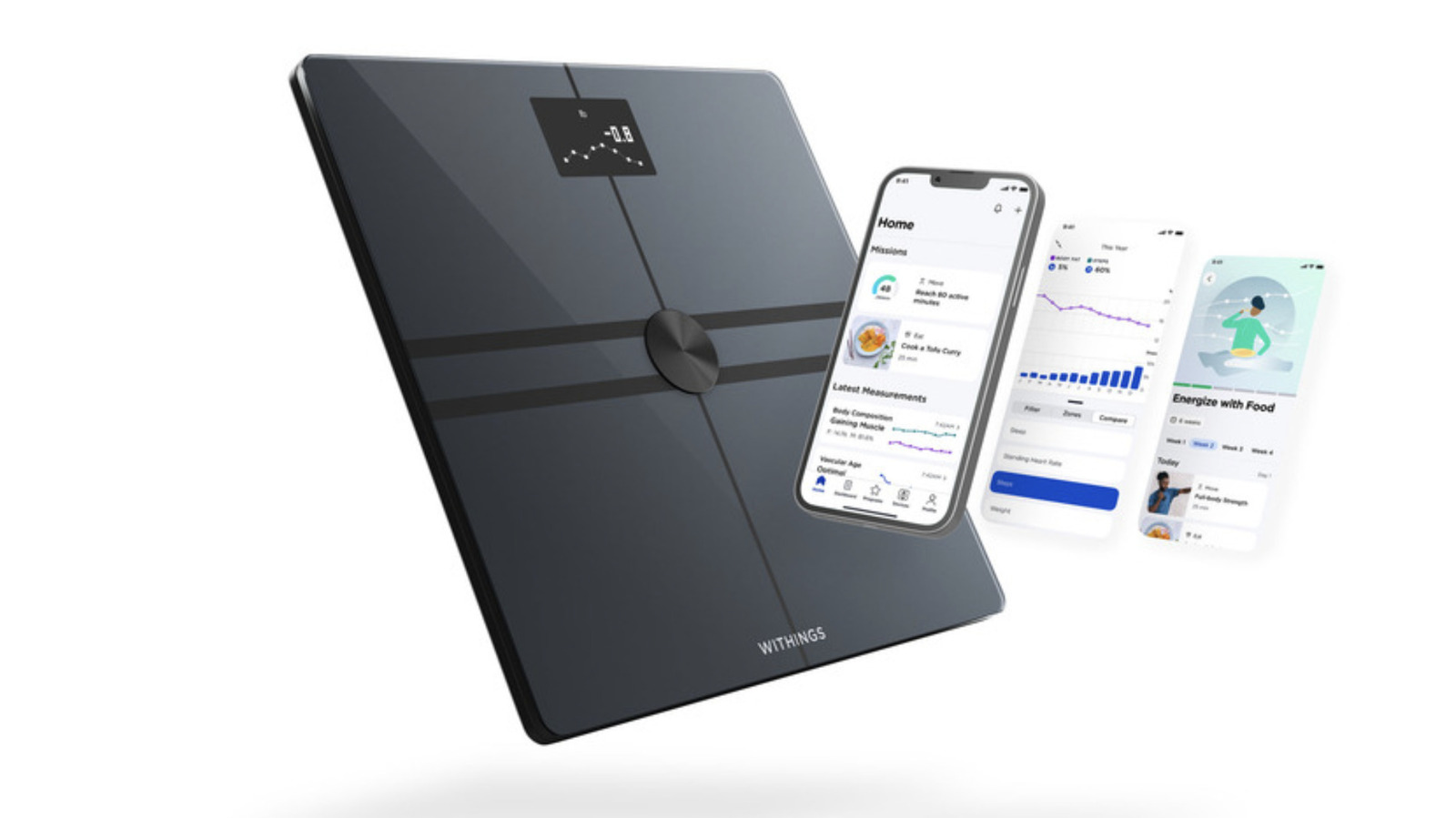
To understand the intensity of the backlash, one must look at the price point of the hardware in question. Withings does not occupy the "budget" end of the wearable market. Their flagship products, such as the Body Scan 2 scale, retail for approximately $600. Even their mid-range offerings often command prices around $280.
When a consumer spends $600 on a piece of diagnostic-grade equipment, they do so with the understanding that the hardware is a long-term investment. The value of that investment is traditionally tied to how well the device integrates into their existing digital life. By decoupling the hardware’s "smart" features from the initial purchase price, Withings has effectively reduced the utility of their high-end products for new, non-subscribing users.
From a business perspective, the logic behind the subscription model is clear: Recurring revenue (SaaS) is the "holy grail" for hardware companies facing the inevitable slowdown of device upgrade cycles. By tethering health data to a subscription, Withings creates a "sticky" ecosystem that ensures a steady cash flow. However, by targeting a feature that users consider a "utility," they risk alienating the very demographic that sustains their brand.
Official Responses and Corporate Strategy
The official response from Withings, while brief, highlights the company’s intention to shift toward a service-oriented model. The company frames Withings+ not just as a data pipe, but as a holistic health coaching and analytics platform. However, the disconnect lies in the fact that users are being forced to pay for a subscription to unlock a connectivity feature, rather than the advanced analytics content the service promises.
Industry analysts suggest this move may be a test to see how much "friction" users are willing to tolerate in exchange for brand loyalty. In the past, companies like Fitbit and Garmin have faced similar scrutiny when adjusting their premium offerings. However, Withings is unique in that it is effectively charging for the export of data—a move that regulators in regions like the EU and California may eventually scrutinize under the lens of data portability and consumer protection laws.
The Broader Implications for the Smart Health Industry
The Withings situation serves as a bellwether for the future of the wearable market. We are currently witnessing a transition from "product-as-a-purchase" to "product-as-a-service."
1. The Death of the "One-Time Buy"
As hardware reaches a plateau in terms of sensor accuracy and build quality, manufacturers are increasingly looking to software to differentiate their products. If Withings successfully enforces this paywall, it could set a precedent for other health-tech companies to begin gating basic features—such as data syncing or historical graphing—behind monthly fees.
2. The Fragmentation of Health Data
The primary goal of modern health tech is the creation of a "single source of truth"—a centralized dashboard where a user can see their sleep, diet, weight, and activity data. If every hardware manufacturer begins to silo their data to force users into their proprietary subscription services, the dream of a unified health record will die. This "walled garden" approach is exactly what Apple and Google have been trying to dismantle with their respective Health and Fit platforms.
3. Consumer Trust and Brand Loyalty
For a company specializing in health, trust is the primary currency. When a brand changes the terms of service in a way that feels like a "bait-and-switch," it erodes the relationship between the company and the user. The current backlash is not just about $100; it is about the feeling of betrayal. Users feel that the device they purchased is being held "hostage" to force a subscription.
Conclusion: A Precarious Path Forward
As of this writing, Withings has not provided a follow-up statement beyond their initial confirmation on the forums. The company now stands at a crossroads. They can either double down on their subscription-first strategy, potentially sacrificing their reputation among power users and tech enthusiasts, or they can walk back the policy, perhaps by offering a "lite" version of syncing that remains free, while keeping advanced analytics within the Withings+ tier.
For now, new users are left with a choice: pay the "connectivity tax" or settle for a manual data management process that feels antiquated in an era of seamless cloud synchronization. This development serves as a stark reminder to consumers: in the modern tech landscape, the price of a device is only the beginning of the cost of ownership. As the industry continues to evolve, the ability to control and move one’s own health data may become the most valuable feature of all—and one that corporations will fight hard to monetize.
The tech industry will be watching Withings closely. If this move proves profitable without triggering a mass exodus of customers, it is all but certain that other hardware manufacturers will follow suit, fundamentally changing how we interact with the devices that monitor our most personal information.