Evolution of the itch.io Desktop Experience: Collections, Steam Integration, and the Future of Retro Handhelds
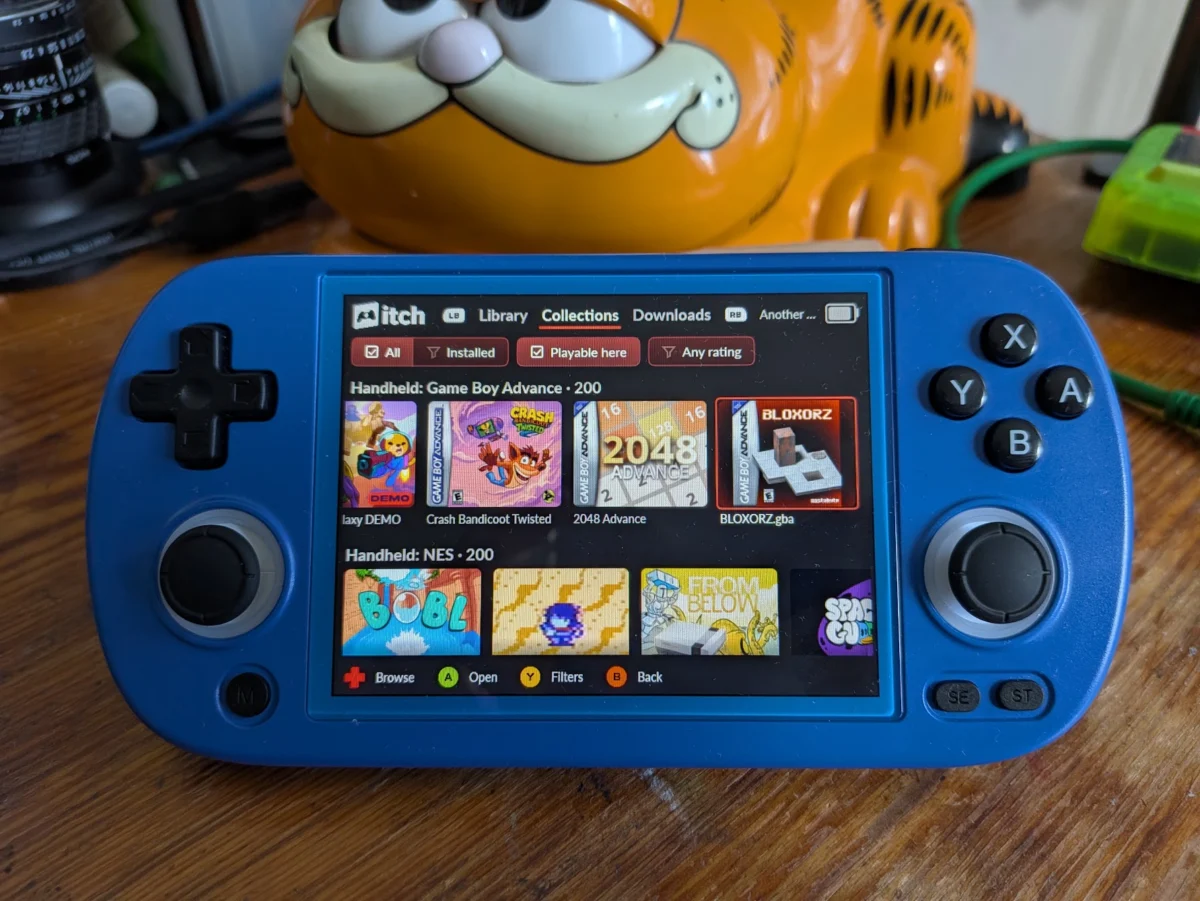
In the rapidly shifting landscape of independent game distribution, itch.io has consistently positioned itself as the premier sanctuary for indie developers and enthusiasts alike. The latest update to the itch.io desktop application, version 26.22.0, marks a significant milestone in this trajectory. By focusing on deep-system integration, organizational ergonomics, and cross-platform synergy, the itch.io team is actively dismantling the barriers between web-based discovery and local playability.
This release is not merely a collection of minor patches; it represents a fundamental shift in how users interact with their libraries, particularly those leveraging the growing ecosystem of Linux-based handheld gaming devices.
Main Facts: A New Era of Library Management
The core of the v26.22.0 update revolves around three primary pillars: native collection management, expanded Steam compatibility, and the unveiling of a specialized project titled "itch donk."
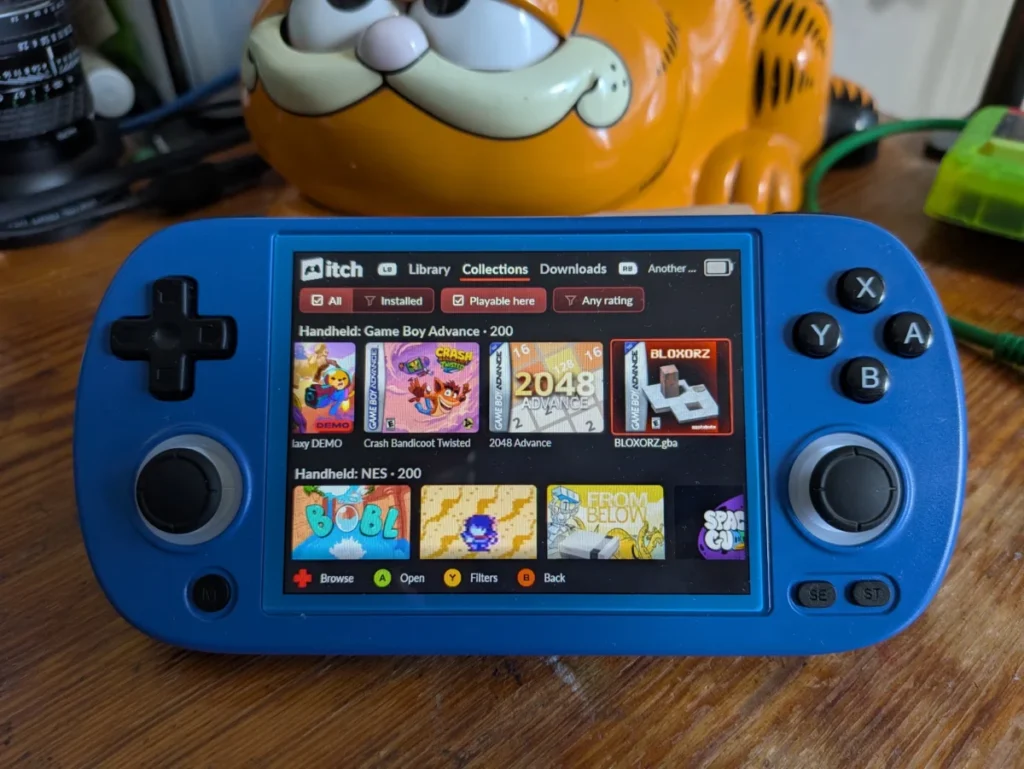
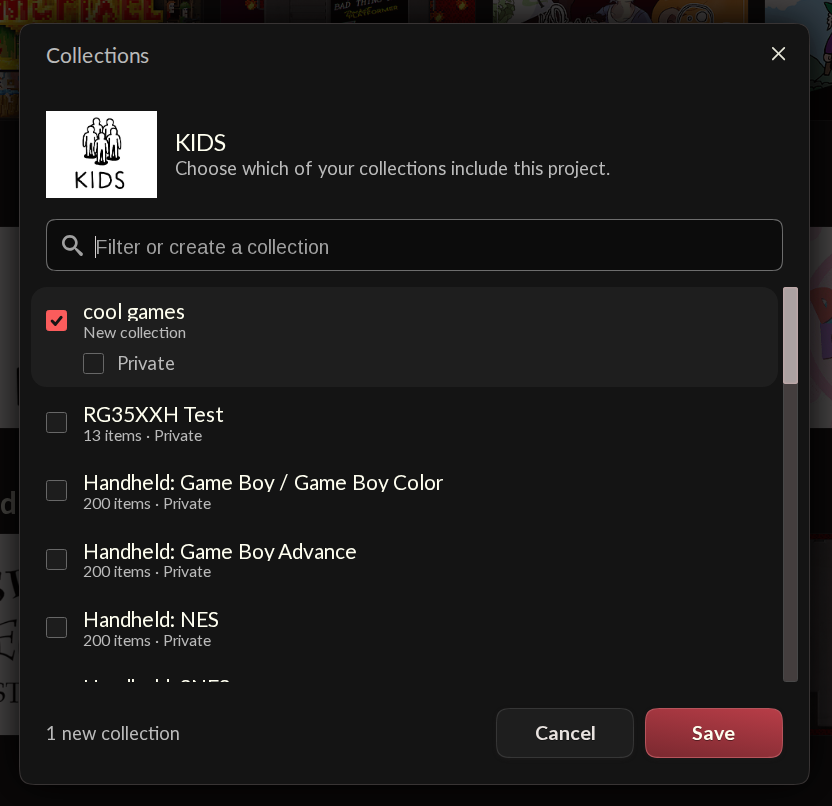
For years, the itch.io desktop app served primarily as a launcher, often requiring users to toggle between the application and a web browser to manage their libraries. With this update, the app now boasts full-fledged, in-app collection editing. Users can now categorize games, bulk-manage items across multiple collections, and reorganize their libraries without ever leaving the desktop client.
Furthermore, the update refines the Steam Shortcuts tool introduced in previous iterations. By improving the reliability of the shortcut generation process, the itch.io team has successfully bridged the gap between their platform and Valve’s Steam ecosystem. Most notably, the integration now supports Proton—the compatibility layer that allows Windows-based games to run on Linux. This is a game-changer for Steam Deck users, who can now seamlessly bridge the gap between itch.io’s vast library and the Steam interface.
Chronology of Development
The path to this release was paved by iterative improvements to the itch.io infrastructure:
- Initial Steam Integration (Pre-v26.22.0): The team first introduced the Steam Shortcuts tool, a project designed to allow users to add non-Steam games to their Steam library automatically. This feature faced early-stage friction, particularly concerning varied Steam installation paths and profile configurations.
- The Feedback Loop: Following the initial launch, the itch.io developers actively monitored user reports, identifying the need for better error handling and more robust path detection.
- Proton Optimization: Recognizing the surging popularity of the Steam Deck, the developers prioritized Proton compatibility, enabling the app to detect and label Windows-based titles as launchable via Steam’s native Linux compatibility layer.
- Current Release (v26.22.0): The official deployment of native collection editing and the announcement of "itch donk," representing the current state of the application.
Supporting Data: Why This Matters
The shift toward better integration is underscored by the changing hardware landscape. According to recent industry trends, the market for handheld Linux gaming devices—such as those running custom firmwares like MustardOS or SpruceOS—has exploded.
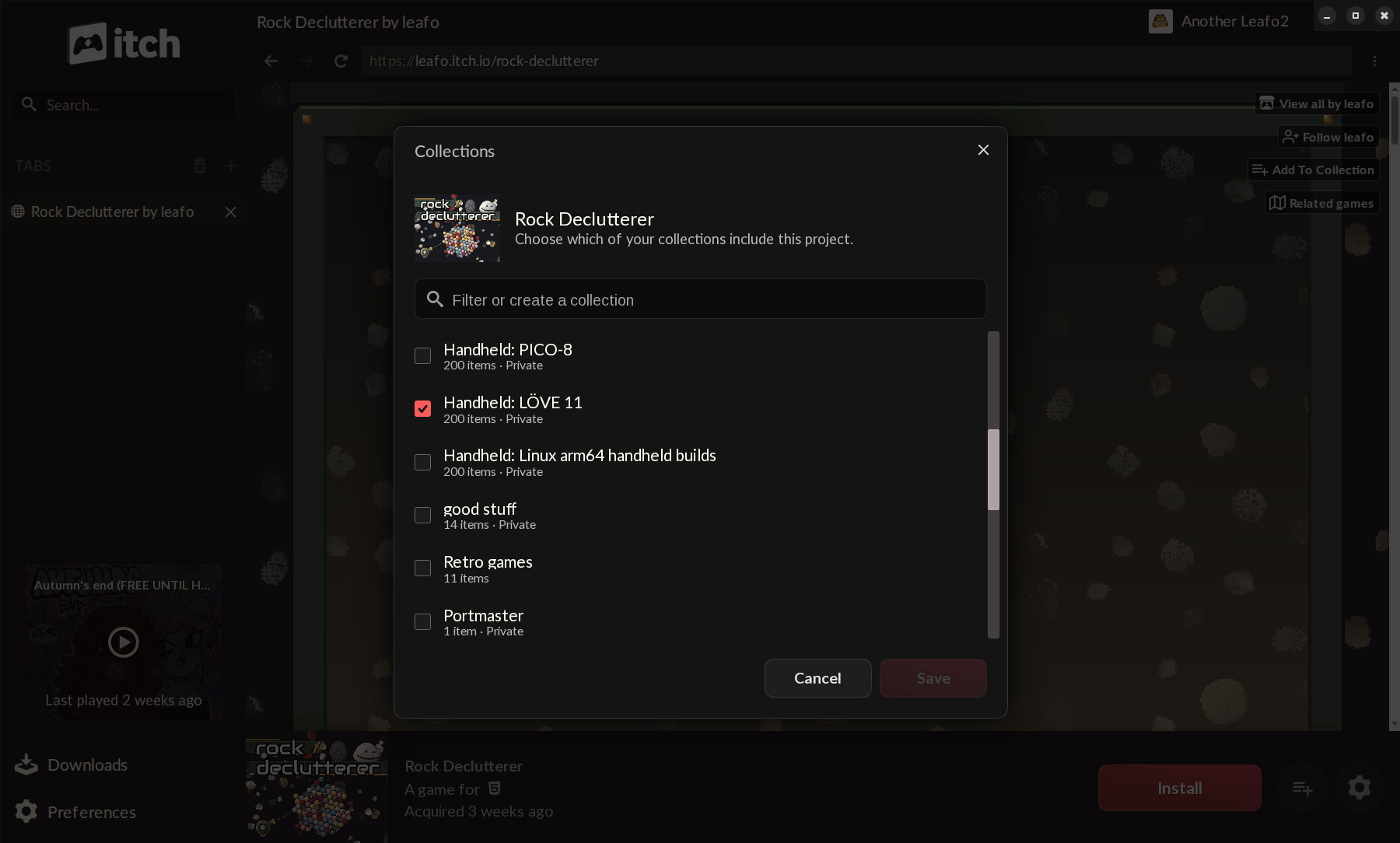
Itch.io hosts tens of thousands of ROM-compatible titles and native Linux ARM-based games. Previously, accessing these on low-powered, retro-focused handhelds required complex manual file transfers and configuration. By developing the "itch donk" initiative, the team is attempting to automate the scanning and tagging process. This system will analyze uploaded files to determine their compatibility with specific runtimes, such as LÖVE, and target specific hardware profiles.
For the end-user, this translates to less time spent troubleshooting technical compatibility and more time interacting with the content. The addition of bulk-edit functionality in collections addresses a longstanding user demand for better organization, as the average itch.io user now manages libraries containing hundreds of titles acquired through various game bundles.
Official Responses and Community Interaction
The itch.io community has been vocal regarding the new update. While the general sentiment is positive, the feedback provides a roadmap for future development.
The "Donk" Curiosity
Users have expressed significant interest in the "itch donk" project. Questions regarding its compatibility with specific operating systems—such as whether it will be exclusive to MustardOS or eventually branch into other ecosystems—have dominated community threads. The developers have signaled that while the project is in its infancy, the primary goal is to ensure a "plug-and-play" experience for low-powered Linux handhelds.
The "Add to Collection" Feature
A prominent point of discussion involves the disparity between the web interface and the desktop app. Users have noted that the "Add to Collection" feature in the app feels more robust than the web version. Several community members have requested that the desktop’s "Add/Remove" functionality be backported to the itch.io website to ensure a consistent experience for users who are currently unable to install the desktop application (e.g., mobile users).
Tag Management and Exclusions
One of the most persistent requests remains the ability to filter and exclude specific tags globally. While the developers have focused on system integration in this update, users continue to point toward existing workarounds—such as Firefox extensions—as a stop-gap measure, emphasizing that native tag exclusion remains a highly desired feature for the core platform.
Implications: The Future of Indie Gaming
The implications of version 26.22.0 are far-reaching. By aligning themselves with the Steam ecosystem, itch.io is effectively positioning its library as a "first-class citizen" on the Steam Deck. This reduces the friction for gamers who want to support indie developers without sacrificing the convenience of the Steam UI.
Integration with Proton
The support for Proton is a strategic move. By allowing Windows games to run via the itch app and be launched through Steam, the developers are capitalizing on the massive, ongoing effort by the open-source community to improve Linux gaming. This creates a symbiotic relationship: as Proton improves, the "itch-to-Steam" pipeline becomes more valuable to the user.
The Rise of "itch donk"
The "itch donk" project signals a shift in the company’s hardware philosophy. For years, itch.io has been purely software-agnostic. By beginning the process of scanning and tagging files for compatibility with specific ARM-based retro handhelds, they are moving toward a curation model that understands the hardware the game is being played on. If successful, this could create a new marketplace for games specifically optimized for retro handhelds, potentially breathing new life into the "homebrew" development scene.
Organizational Efficiency
The introduction of bulk editing for collections serves a practical purpose: as itch.io users continue to support bundle-based charity drives, their collections have grown exponentially. The ability to manage these lists efficiently is not just a "nice-to-have" feature; it is a necessity for user retention. An organized library encourages exploration, which in turn leads to more engagement with the games themselves.
Conclusion
The v26.22.0 update for the itch.io desktop app is a testament to the platform’s commitment to its user base. By addressing the technical hurdles of cross-platform play and the organizational challenges of growing digital libraries, itch.io is ensuring that its platform remains the most flexible and user-friendly destination for independent gaming.
The integration of Proton and the experimental work on "itch donk" prove that the team is not just reacting to the market, but anticipating where the indie gaming community is headed. Whether it is through the seamless management of vast collections or the ability to launch a game from a custom Linux handheld, the core message is clear: the itch.io app is evolving into a comprehensive gaming companion. As the project moves forward, the community will undoubtedly continue to push for further refinements, but for now, the path ahead looks both more organized and more capable than ever before.
With full release notes available on GitHub and a clear trajectory for future updates, users are encouraged to update their clients to the latest version to take advantage of these streamlined tools. The era of the "all-in-one" itch.io experience has truly begun.