The Brax Wink: Redefining Mobile Privacy in a De-Googled World
In an era where personal data has become the most valuable commodity on the global market, Brax Technologies—the manufacturer behind the privacy-focused BraX3 smartphone and the open_slate tablet—has officially entered the next phase of its mission. Last week, the company opened pre-orders for its latest hardware endeavor: the Brax Wink. This new mobile communicator is designed not merely as a smartphone, but as a fortress for the user’s digital identity, promising a future where mobile technology serves the individual rather than the data-mining conglomerate.
Main Facts: A Hardware-First Approach to Privacy
The Brax Wink represents the culmination of a roadmap presented by co-founder Rob Braxman, widely known in digital sovereignty circles as "The Internet Privacy Guy." At its core, the device is built on the philosophy that privacy cannot be an afterthought—it must be baked into the silicon and the kernel.
The Wink runs on BraxOS, a proprietary, Android-based operating system that has been stripped of the intrusive telemetry and ubiquitous Google Play Services that define the modern smartphone experience. By excising the hooks that tether users to Mountain View’s advertising ecosystem, Brax Technologies aims to deliver a "clean" environment where the user retains absolute agency over their information.
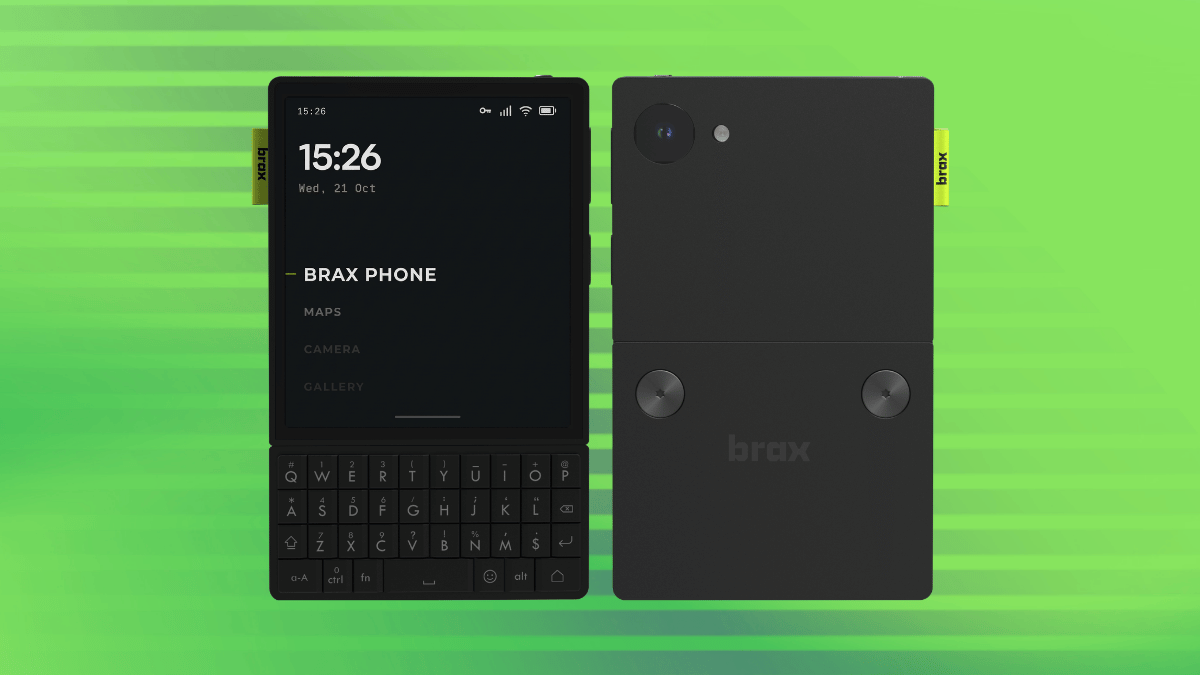
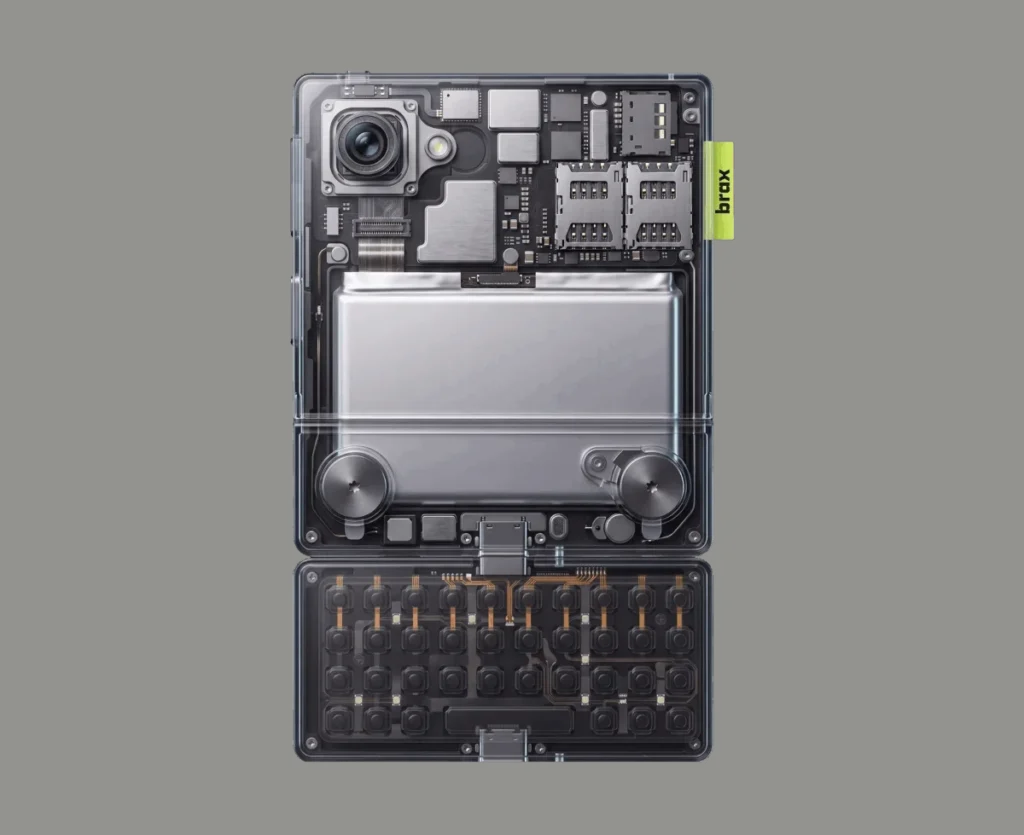
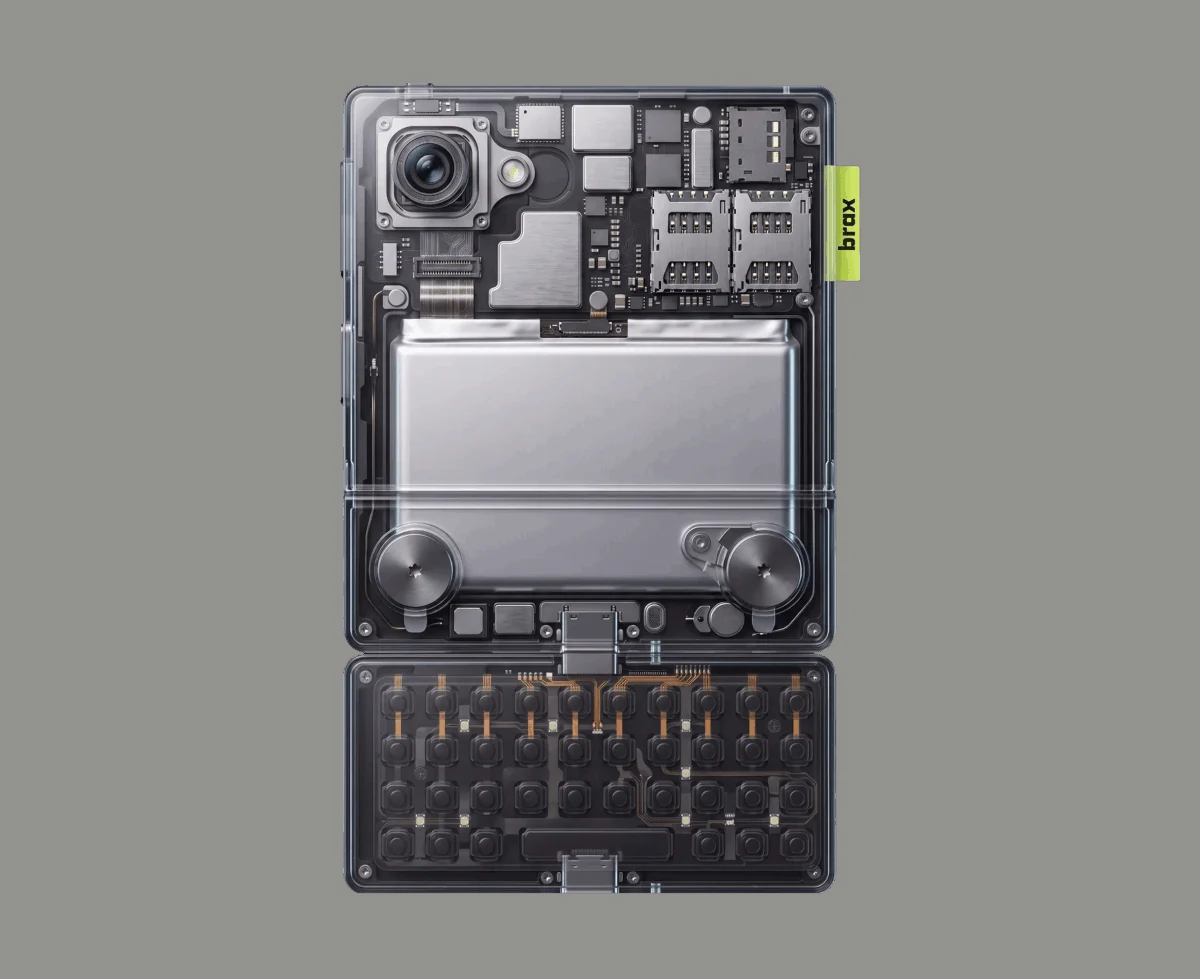
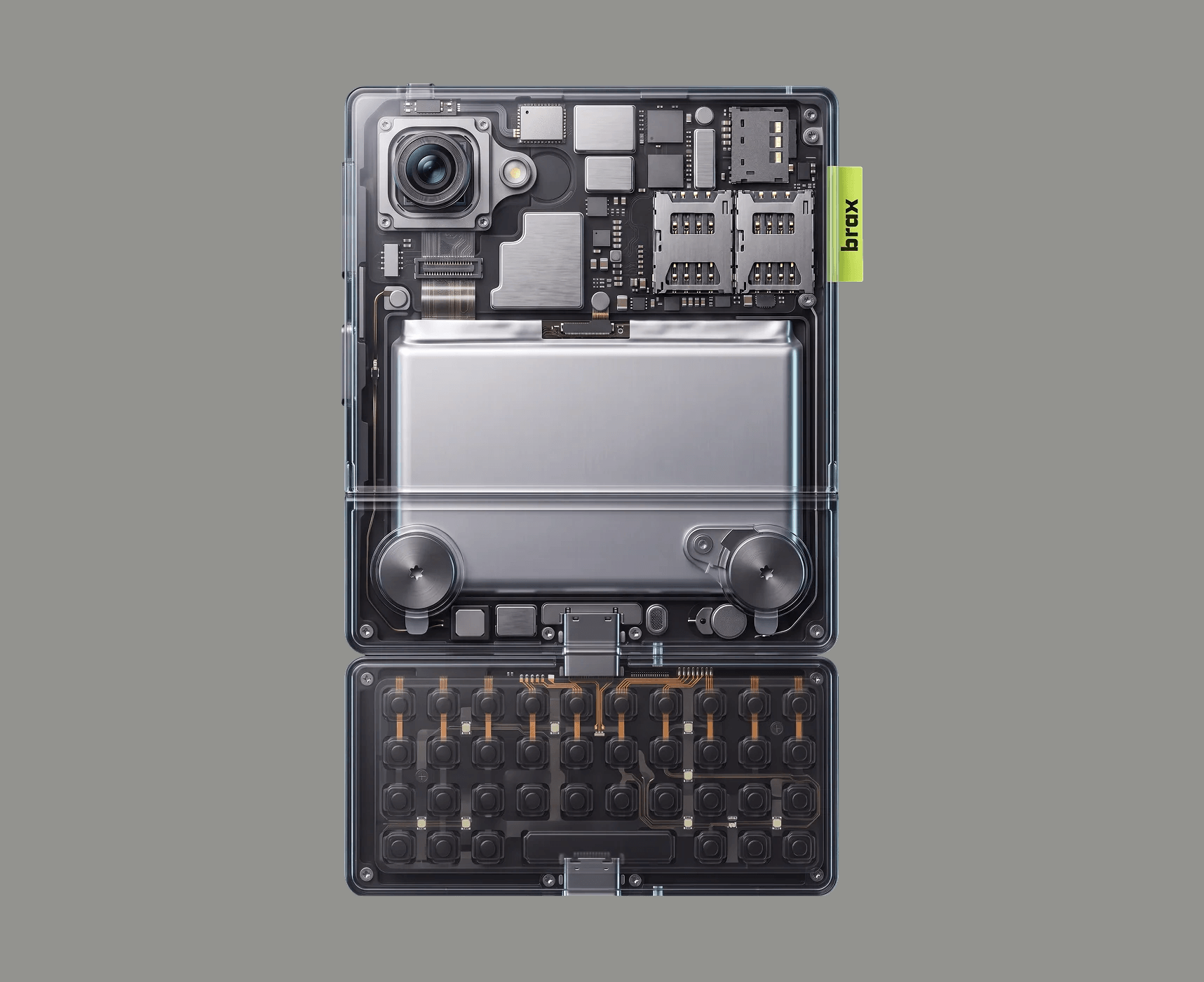
Perhaps the most striking feature of the Wink is its physical security architecture. Eschewing the software-only "kill switches" found in most devices, the Wink features a tactile physical switch located on the top of the chassis. This switch is not a mere shortcut; it is a hardware-level intervention capable of physically disconnecting the camera, microphones, location sensors, and the mobile network radio. When the user desires silence, the device provides it in a way that software cannot be coerced into ignoring.
The Dual-Mode Philosophy
Brax Technologies understands that the needs of a privacy-conscious user fluctuate throughout the day. To accommodate this, the Wink offers two distinct operating modes during the initial setup:
- Omni Mode: Designed for those who want the full functionality of an Android environment without the tracking. It allows for the installation of most standard Android applications, providing a seamless transition for those migrating from mainstream devices.
- Zero Mode: A hardened, minimalist state. This mode strips the OS down to its bare essentials—encrypted messaging, secure voice calling, and offline or privacy-focused navigation. It is designed for high-threat scenarios where the attack surface must be kept to an absolute, irreducible minimum.
While BraxOS does not support Google account sign-ins, the company emphasizes that a vast majority of the Android app ecosystem remains functional. The notable exceptions are applications that rely on Google’s SafetyNet or Play Integrity APIs, which perform "integrity checks" to ensure the device has not been tampered with. Users of high-security banking apps may find these specific services incompatible, a trade-off that Brax Technologies considers a necessary sacrifice for true independence.

Chronology: From Concept to Consumer
The journey of the Brax Wink has been one of methodical, community-driven development.
- Last Month: During the highly anticipated Brax Roadmap Event, Rob Braxman unveiled the Wink to the public, detailing the hardware specifications and the vision behind the "Zero" mode. The announcement was met with enthusiasm from the open-source community, who have long followed the development of the BraX3.
- Last Week: Brax Technologies officially opened the pre-order window. Unlike mass-market consumer electronics, the Wink is being manufactured in controlled, limited batches.
- Upcoming (2026-2027): The company has scheduled shipping in two distinct batches, aimed at managing quality control and supply chain logistics.
Brax has committed to an ambitious support lifecycle, promising software updates until 2032. Furthermore, in keeping with their commitment to radical transparency, the company has made the BraxOS source code available via its official repositories, allowing anyone with the technical expertise to audit the code or build their own version of the OS.
Supporting Data and Security Features
Beyond the physical switch and the de-Googled OS, the Wink introduces a suite of "Duress and Self-Destruct" features that mirror the highest standards of digital forensics defense. These features include:
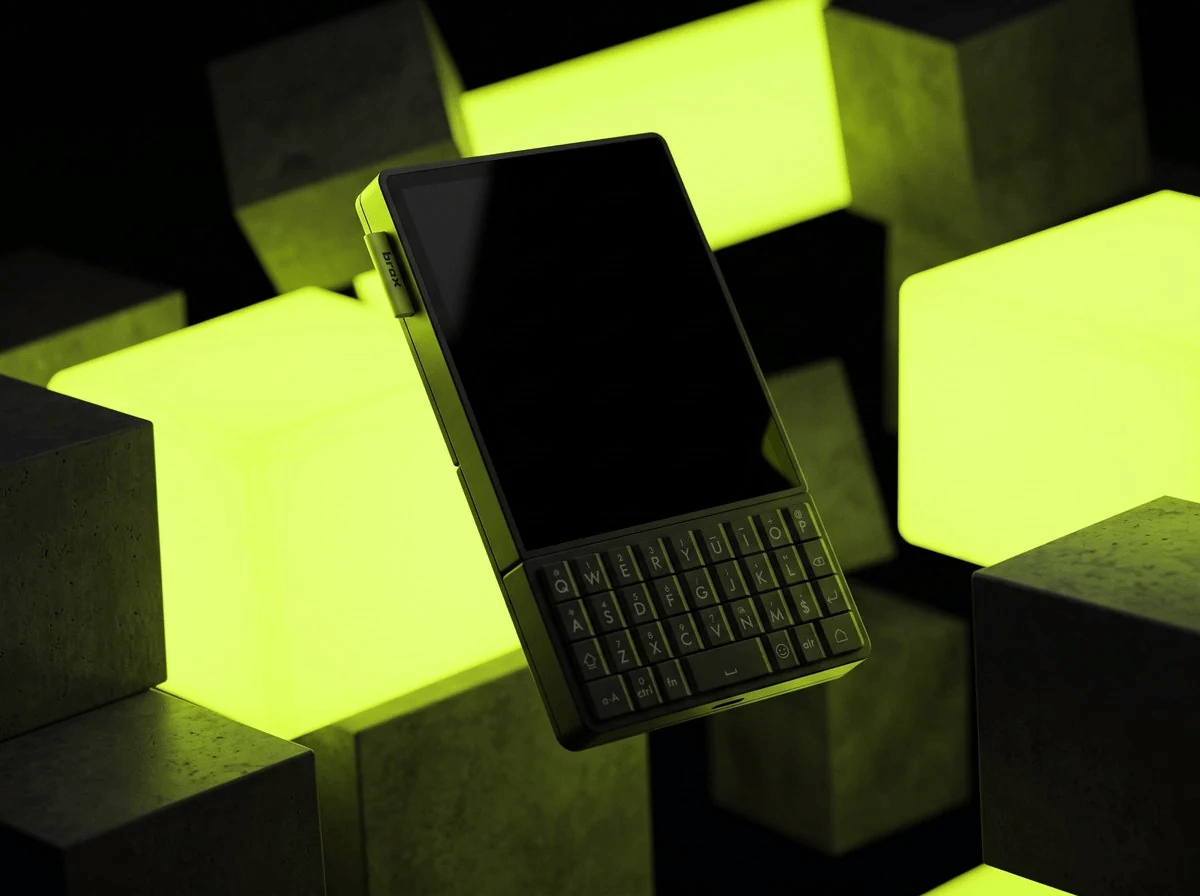
- Automatic Wiping: Users can configure the device to wipe all internal data based on specific triggers, including repeated failed unlock attempts, long periods of inactivity, or upon the input of a specific "duress password."
- The Duress Password: A specialized credential that, when entered, triggers an immediate factory reset or a state of "sanitization," effectively erasing the user’s data before an unauthorized party can gain access.
- Security Longevity: By promising support through 2032, Brax is addressing the "planned obsolescence" that plagues the mobile industry, ensuring that users aren’t forced to upgrade to a less secure device simply because their previous handset stopped receiving security patches.
Official Responses and Strategic Implications
The emergence of the Brax Wink signals a growing schism in the mobile market. For years, the debate surrounding smartphone privacy centered on "Incognito modes" or browser-based tracking protections. Today, that conversation has shifted toward the hardware itself.
Rob Braxman has consistently argued that the modern smartphone is effectively a "tracking device that happens to make calls." In his official communication during the launch, he emphasized that the Wink is for those who realize that "privacy is not a setting, but a architecture."
The implications for the industry are profound. As users become more aware of the "Data Broker" economy, companies like Brax Technologies provide a viable alternative for professionals, journalists, and activists who operate in high-risk environments. By maintaining an open-source build process, Brax is also fostering a ecosystem where the community can verify that the "backdoors" typically found in proprietary firmware are absent.
The Broader Context of Digital Sovereignty
The Brax Wink does not exist in a vacuum. It is part of a larger movement—often categorized under "Digital Sovereignty"—that includes devices like the MAKERphone 2.0 and the GrapheneOS ecosystem. These projects share a common goal: to return the "computer" to the user.
For the average consumer, the shift toward devices like the Wink represents a significant adjustment. It requires moving away from the convenience of a unified cloud experience and toward a model of self-reliance. It requires managing one’s own data, verifying application sources, and taking responsibility for device security. However, for those who value their digital autonomy, the Wink offers something that Apple and Google cannot: the promise that your phone is yours alone.
Looking Ahead: The Future of the Wink
As the first units prepare to ship, the tech world will be watching closely. Will the limited-batch model prove sustainable? Can a device that rejects Google Play Services gain traction among a broader audience?
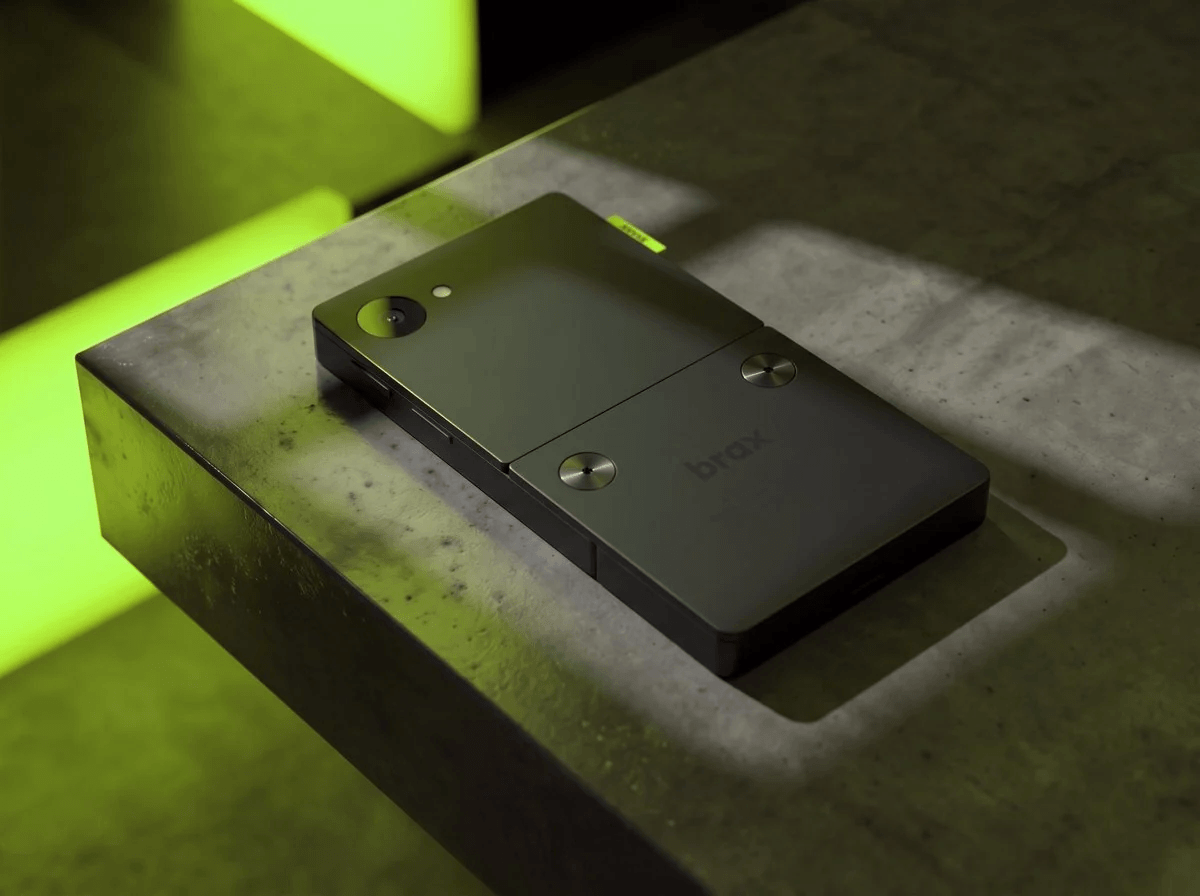
Brax Technologies has already stated that pre-orders are refundable until the final payment, and the company remains transparent about potential shipping fluctuations. Each unit will arrive with a tactile keyboard, a high-quality USB-C cable, and a durable, translucent case, signaling a focus on longevity and utility over superficial aesthetics.
In a market saturated with devices designed to capture attention and extract data, the Brax Wink stands as a defiant statement. It is a tool for communication, not a tool for surveillance. As we move deeper into the digital age, the success of the Wink may well determine whether there is still a place for the individual in the future of mobile technology.
For those ready to reclaim their digital space, the reservation period remains open, provided the batch quotas have not yet been met. It is an invitation to leave the "walled gardens" behind and step into a world where your phone serves you, and only you.