Engineering History: How a Commercial Avionics Engineer Recreated the Apollo Guidance Computer Using a Raspberry Pi
Main Facts
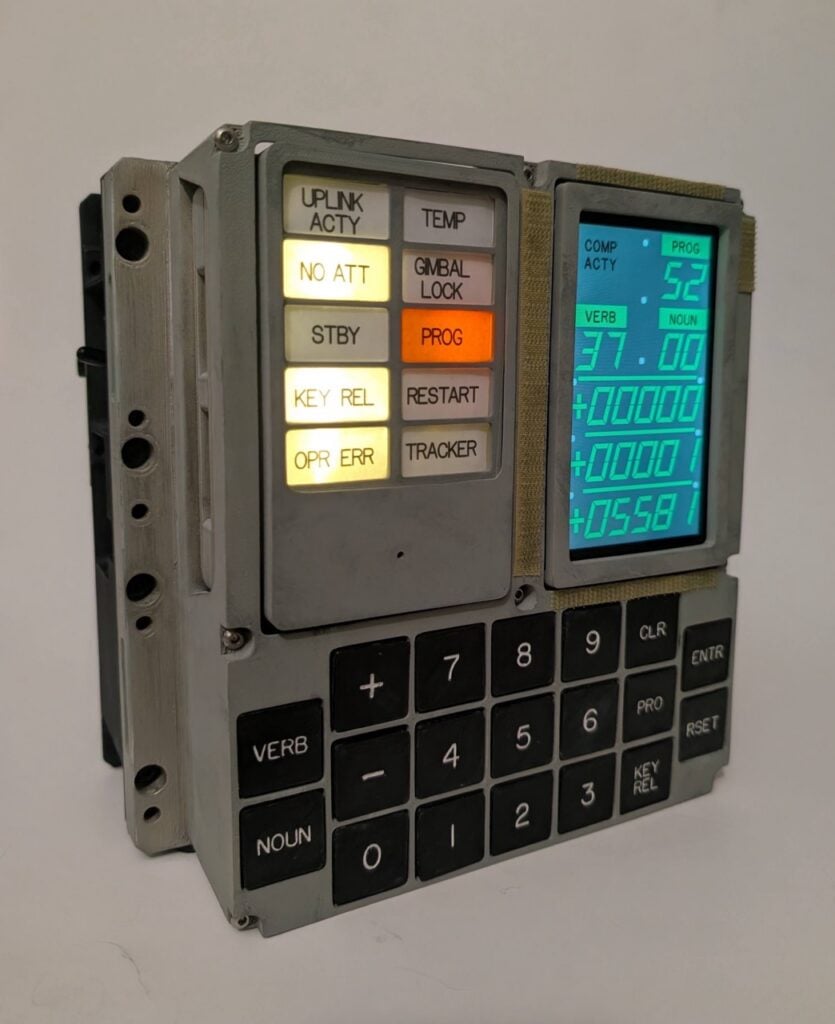
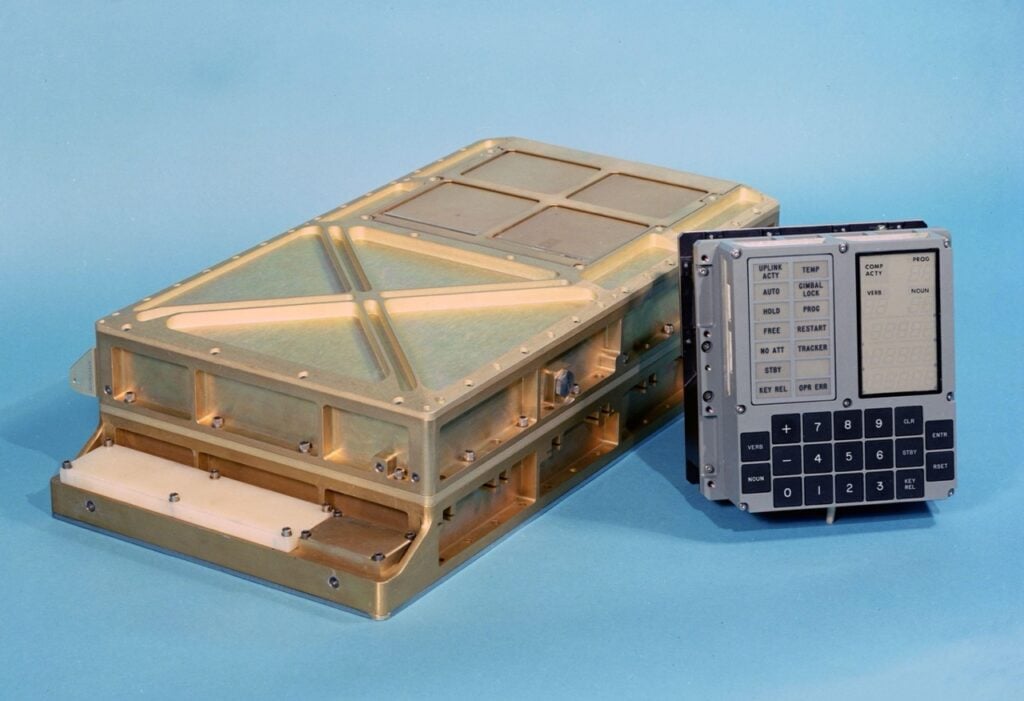
In an impressive intersection of mid-century aerospace history and modern maker culture, Michael Newton—a commercial aircraft avionics engineer based in Calgary, Alberta—has successfully constructed a faithful, 1:1 scale replica of the iconic Apollo Guidance Computer (AGC) interface known as the DSKY (Display and Keyboard).
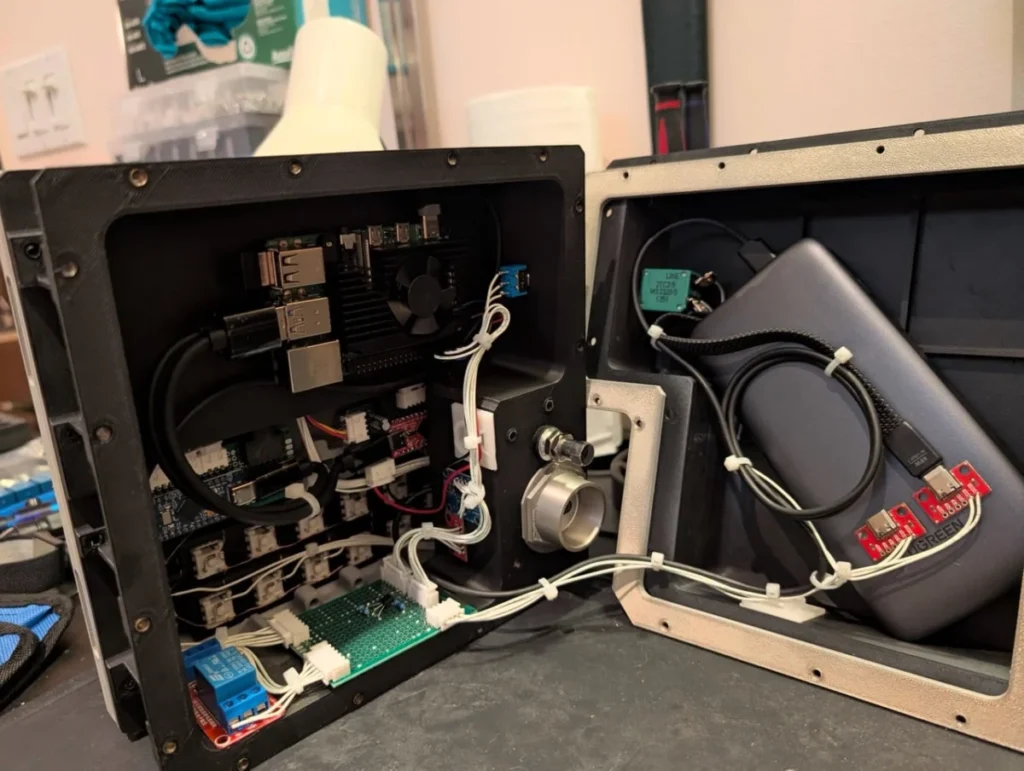
Dubbed the "Recreate Apollo" project, this open-source endeavor pairs modern 3D printing techniques and microcontrollers with a Raspberry Pi computer running the yaAGC software emulator. Specifically configured to run the actual Apollo 13 Command Module software, Newton’s build replicates the physical housing and computational quirks of the hardware that guided humanity to the Moon.
The project—featured prominently in Issue 171 of the Raspberry Pi Official Magazine—goes beyond a mere cosmetic prop. By leveraging virtualized core rope ROM and magnetized RAM images, the system preserves the exact asynchronous timing, 15-bit-plus-one-parity word lengths, and sluggish 1.024MHz clock speeds of the original 1960s hardware. Complete CAD models, schematics, and a comprehensive 100-page build guide have been made freely available on GitHub, allowing space enthusiasts worldwide to build their own functional pieces of space history.
Chronology: From MIT Labs to Modern Maker Benches
The Genesis of the AGC (1966)
Three years prior to the historic Apollo 11 lunar landing, the Charles Stark Draper Laboratory at the Massachusetts Institute of Technology (MIT) introduced the Apollo Guidance Computer. Installed aboard every Apollo Command Module and Lunar Module, the AGC was a pioneering marvel. It was the first computer to utilize silicon integrated circuits, granting astronauts the capability to execute complex navigation routines, autopilot maneuvers, thruster burns, orbital rendezvous, and atmospheric re-entry from the confines of their spacecraft.
Despite boasting a computational power roughly equivalent to an Apple II with less than 100kB of memory and a 1.024MHz clock speed, the AGC was a masterpiece of constraint-driven engineering.
The Open-Source CAD Translation (COVID-19 Pandemic)
Decades later, following public records requests, original MIT Instrumentation Lab engineering documents regarding the AGC were archived by the Virtual AGC group. During the COVID-19 pandemic, a dedicated collective of Apollo enthusiasts began translating these archival documents into modern Computer-Aided Design (CAD) files with the ultimate goal of 3D printing physical replicas.
The "Recreate Apollo" Build Phase (2023–2024)
Michael Newton crossed paths with this community after discovering open-source work published by fellow maker Eric on the blog mkme.org. Finding that some parts required refinement while others needed to be modeled from scratch, Newton spent weeks developing a pristine set of .stp files.
He adopted a structured, three-phase approach to the build:
- The Enclosure: Printing, surface-finishing, and painting the case to match original NASA schematics.
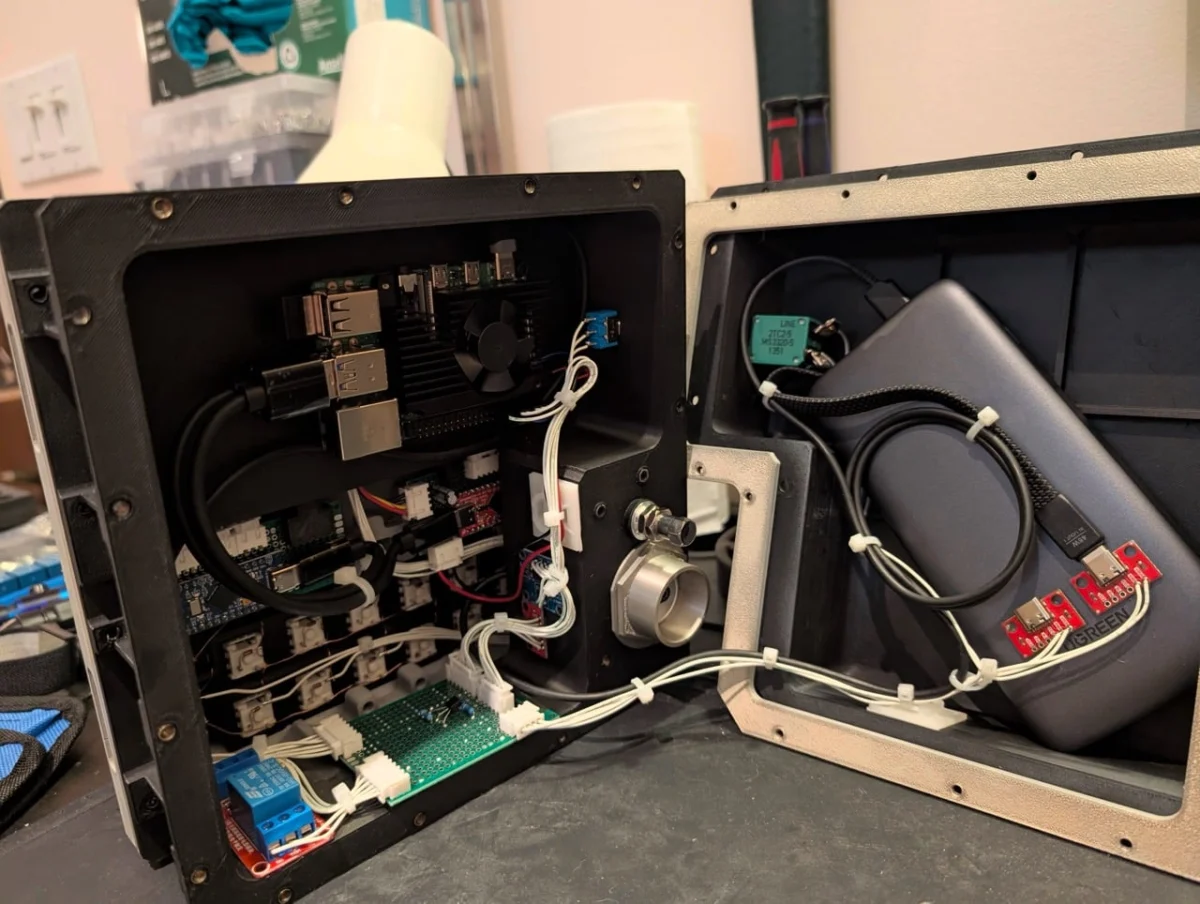
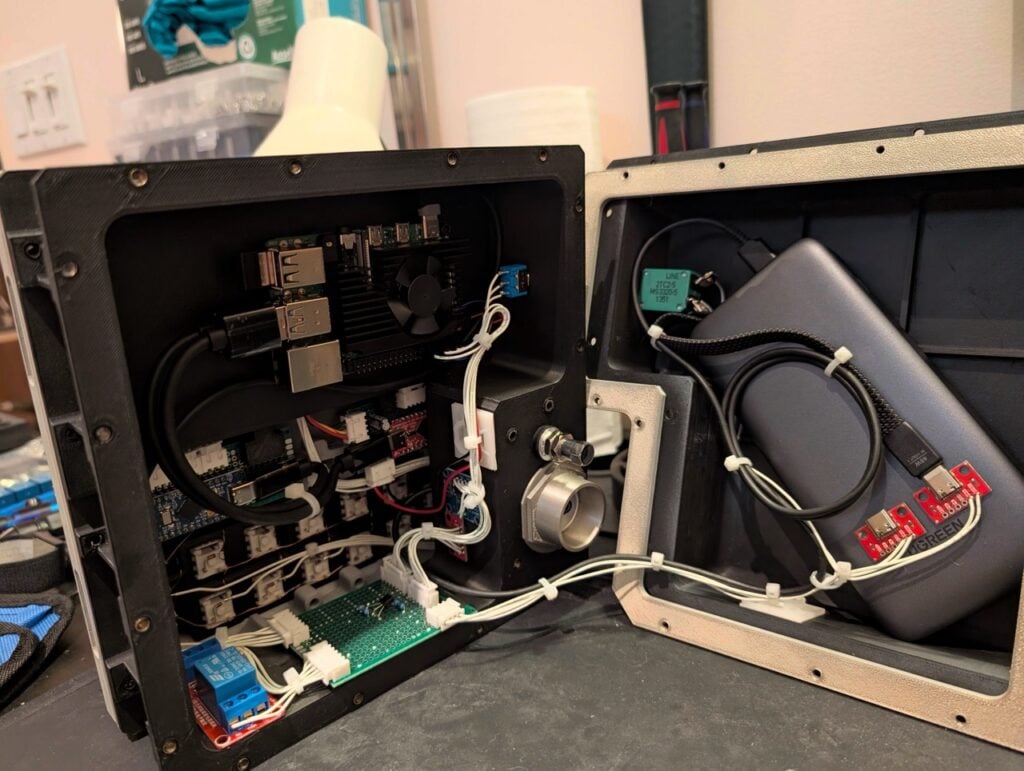
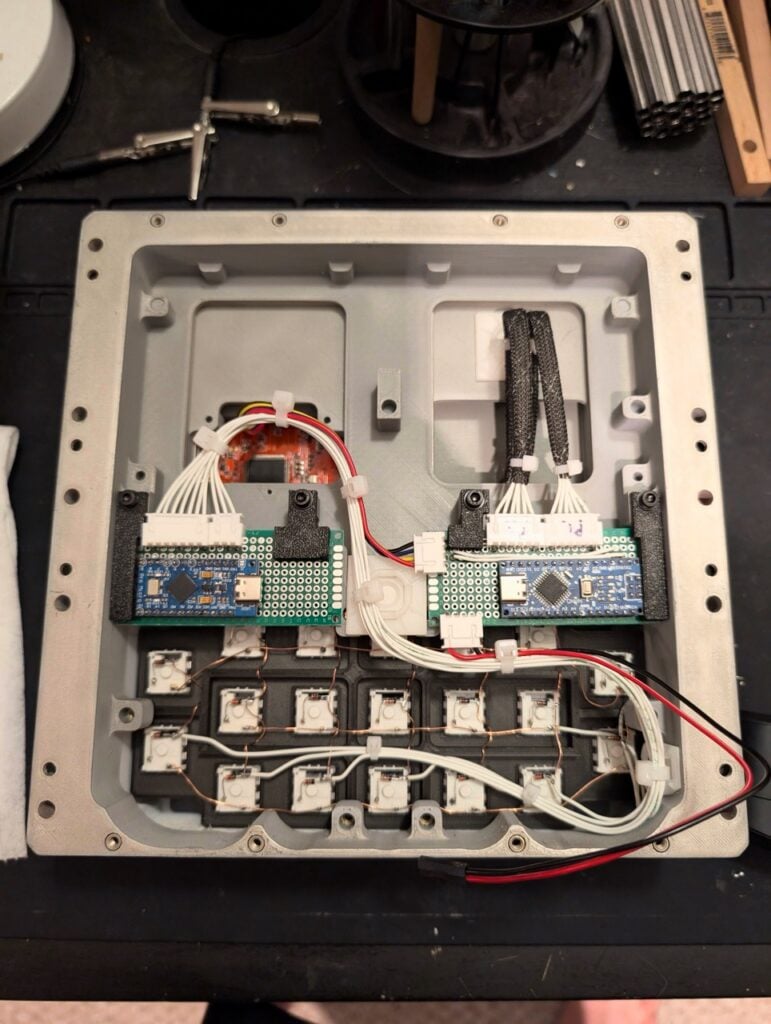
- The Hardware: Organizing, wiring, and integrating microcontrollers and the Raspberry Pi.
- The Software: Configuring the Raspberry Pi OS and Virtual AGC emulation environment, culminating in extensive documentation to ensure accessibility for novices.
Supporting Data & Technical Specifications
To understand the magnitude of Newton’s build, one must examine the computational parameters of both the original hardware and the modern emulation stack:
- Original Clock Speed: 1.024 MHz (A fraction of a modern smartphone processor, yet more than adequate to execute lunar insertion calculations).
- Memory Architecture: Less than 100kB, utilizing physical "core rope" read-only memory (where wires were manually threaded through magnetic rings by textile workers, famously nicknamed "LOL memory" for "Little Old Ladies") and magnetic core RAM.
- Data Structure: 15-bit data blocks accompanied by a single parity bit for error checking.
- Logic Gates: The original AGC famously relied on a single type of logic gate—the 3-input NOR gate—combined with diode arrangements to handle all math, navigation, and thruster controls.
- Modern Emulation Stack: A Raspberry Pi computer running a custom distribution of Raspberry Pi OS, executing the
yaAGC(Virtual AGC) emulator. The Pi interfaces with microcontrollers via USB, leverages onboard wireless LAN for SSH and remote connectivity, maintains low thermal output, and requires minimal electrical power. - Peripherals: Fitted with Kailh Box Navy mechanical keys for a tactile "click," though Newton notes that future iterations will pursue more authentic electroluminescent displays and aluminum chassis construction.
Official Responses and Maker Insights
Reflecting on the philosophy of the build, Newton emphasizes that the Raspberry Pi functions as far more than a simple display driver.
"Fundamentally, the exact same constraints are preserved in this emulation because the timing of the AGC is kept intact and the memory that the computer reads is virtualization of the real code that was woven into core rope ROM and magnetized in the RAM," Newton explains. "In fact, it emulates the real computer so well that, to me, VirtualAGC is not an emulator. It’s a real Apollo Guidance Computer that borrows your processor."
Newton also highlights the sheer ingenuity required by the 1960s MIT engineers to achieve spaceflight with such minimal resources:
"The memory alone was an ingenious design of magnetism… All the mathematics, data movement, navigation, autopiloting, burns — everything, was just voltage levels going through 3-input-NORs, and the occasional diode arrangement. Truly incredible minds were necessary to design that kind of thing."
Implications for Education, Preservation, and the Maker Community
The "Recreate Apollo" project carries significant implications across several domains:
- Democratization of Aerospace History: By turning obscure archival blueprints into accessible 3D printing files and step-by-step documentation, projects like this bridge the gap between inaccessible museum artifacts and active public engagement. Anyone with access to a standard 3D printer and a Raspberry Pi can physically interact with the code that took humanity to the Moon.
- Advanced Emulation Versatility: Beyond standalone operation, Newton’s DSKY features a peripheral mode activated via a long-press command. This allows the hardware to interface over a local network with Project Apollo – NASSP, an advanced add-on for the PC-based Orbiter space flight simulator. Makers can use the physical keyboard to interact with real-time simulated Apollo missions.
- Inspiration for STEM Education: The fusion of historical engineering analysis with modern, affordable computing platforms (such as the Raspberry Pi and microcontrollers) offers educators a powerful tool to teach computer science, electronics, and aerospace history. It demonstrates that understanding foundational logic gates and constraints is just as vital as leveraging modern processing power.
As Newton continues to prototype even more advanced, premium versions of the DSKY featuring authentic aluminum bodies and custom annunciators, his work stands as a testament to the enduring legacy of the Apollo program—and the boundless creativity of the modern maker community.