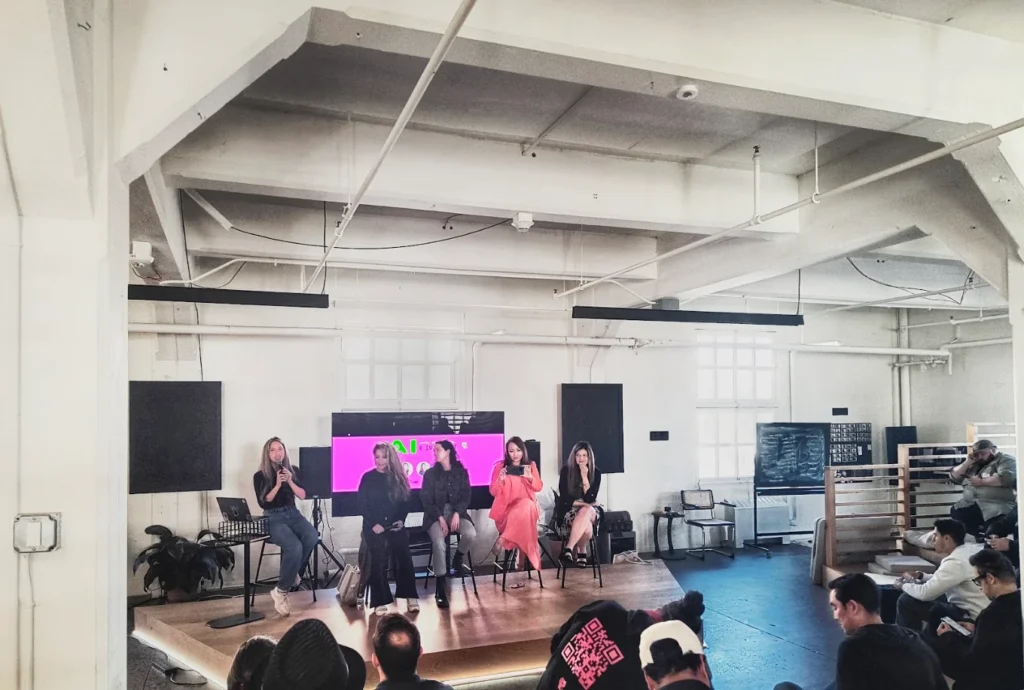
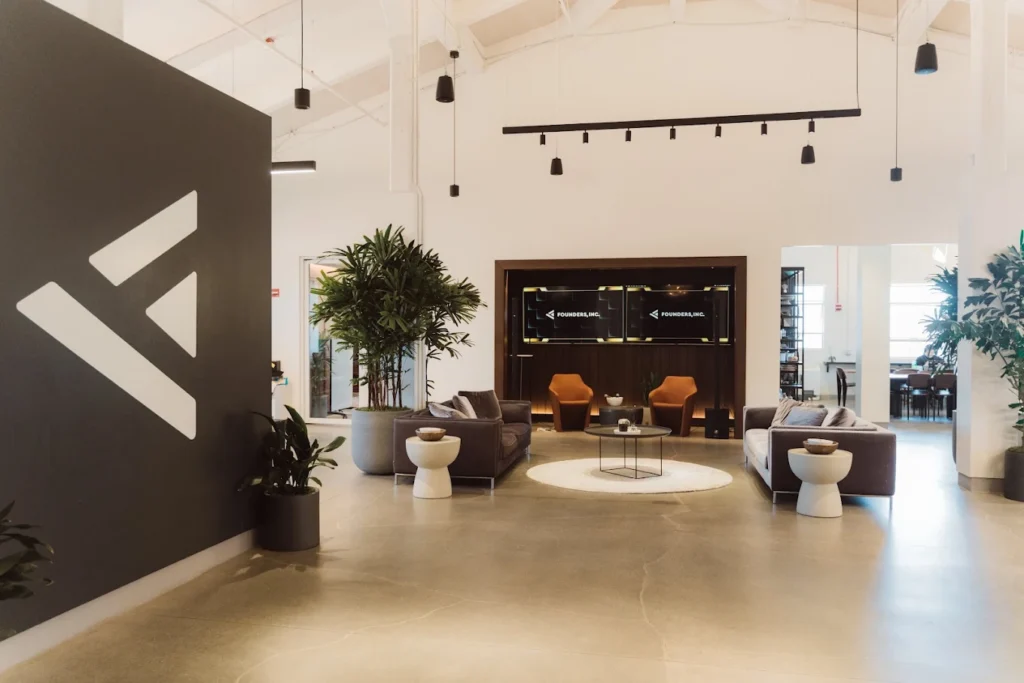
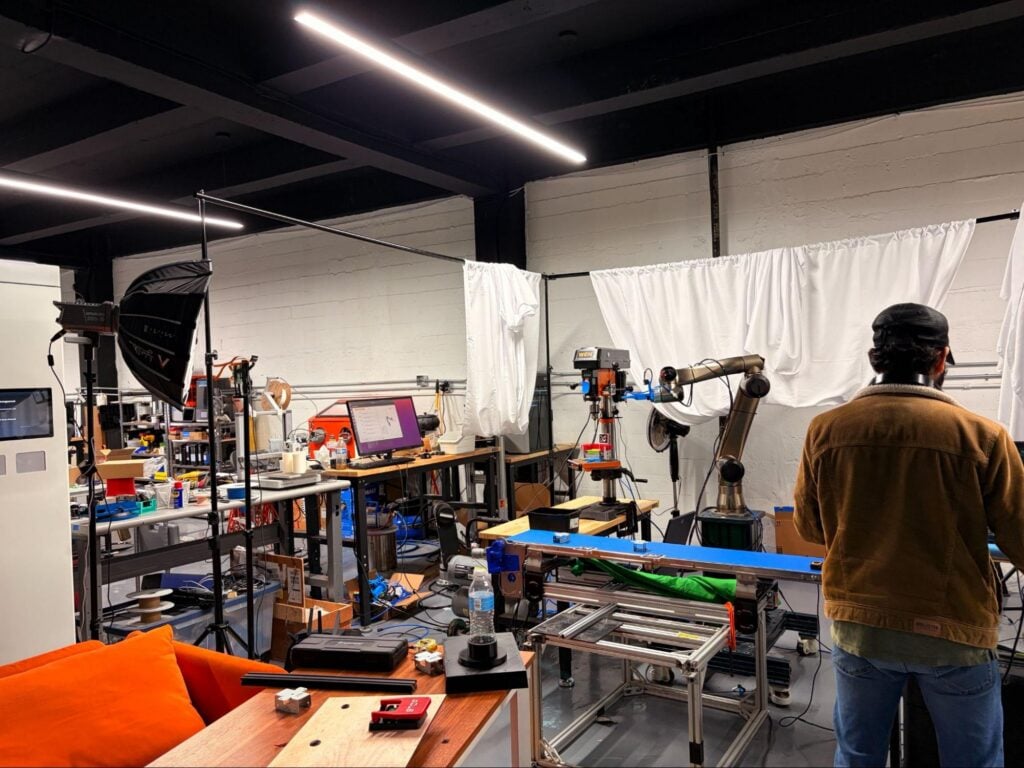
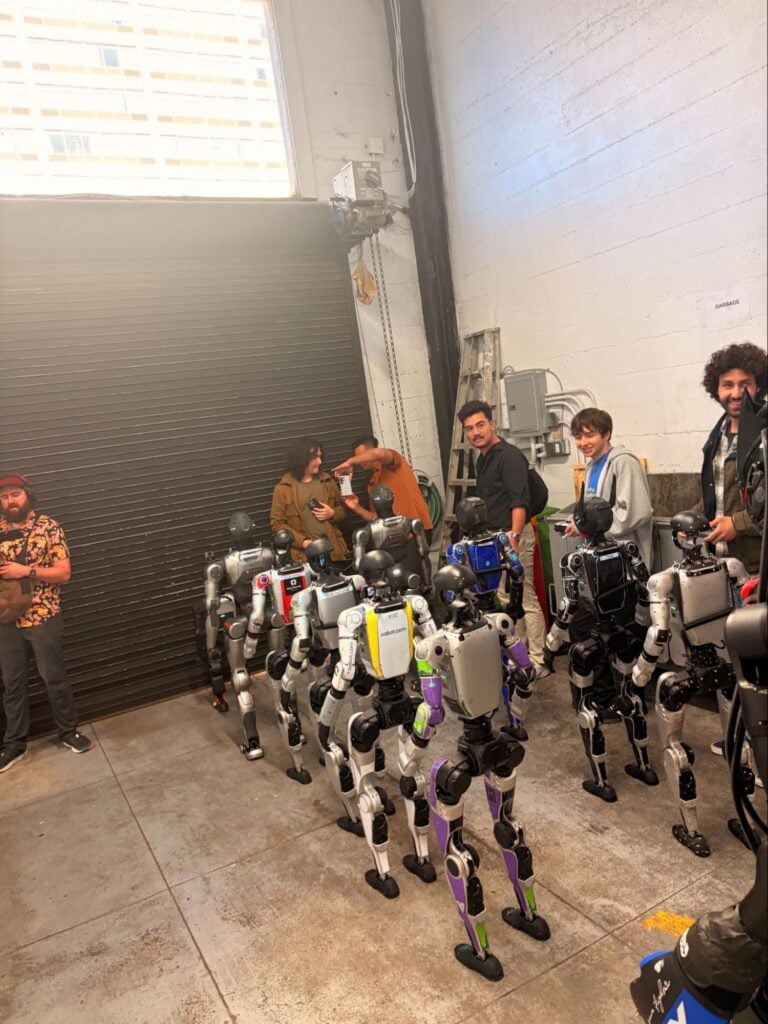
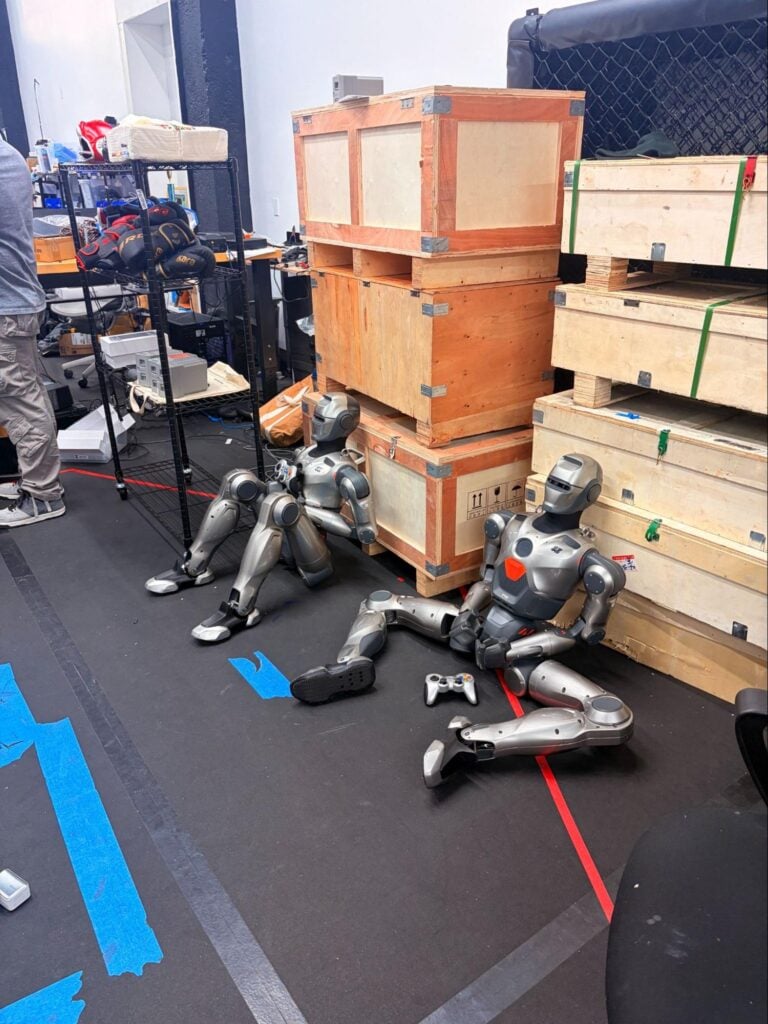
SAN FRANCISCO — As the technology sector moves beyond pure software plays, a new frontier is emerging at the intersection of artificial intelligence, advanced manufacturing, and physicalhardware. During a recent summer tour of maker and tech hubs across the United States, a visit to the historic Fort Mason campus in San Francisco revealed a unique crucible for this movement: Founders, Inc.
Spanning 42,000 square feet, this vibrant campus is home to an ambitious ecosystem of technical founders who are building the next generation of iconic companies. Eschewing the traditional software-only incubator model, Founders, Inc. is explicitly designed for innovators tackling complex physical systems—ranging from robotic manipulation and autonomous drones to edge AI infrastructure, defense technology, and specialized consumer hardware.
At the heart of many of these early-stage prototypes is a remarkably familiar piece of technology: the Raspberry Pi. By lowering the barrier between a conceptual idea and a working physical model, the versatile single-board computer has become an indispensable tool for innovators looking to validate their concepts before committing to mass production.
To understand how Founders, Inc. is operating in the modern hardware space and why versatile, affordable computing hardware has become so vital to their mission, we sat down with Furqan Rydhan, Founder and CEO, and Mike Shin, COO of Founders, Inc.
Main Facts: The Anatomy of a Hardware Incubator
The modern landscape of venture capital and startup incubation has long favored scalable software companies with minimal upfront capital expenditures. However, the maturation of foundational AI models, paired with accessible open-source software and affordable sensors, has ignited a renaissance in physical hardware.
Founders, Inc. has positioned itself at the epicenter of this shift. Key pillars of their operation include:
The Campus: A sprawling 42,000 sq. ft. facility located at Fort Mason in San Francisco, engineered specifically to accommodate mechanical, electrical, and software engineering under one roof.
The Mission: Providing wildly ambitious technical founders with the space, collaborative community, and initial capital ("the first check") needed to transition from a whiteboard concept to a tangible prototype.
The Technology Stack: Heavy utilization of rapid prototyping tools, including 3D printers, open-source development frameworks, and Raspberry Pi hardware, allowing teams to test hypotheses in days rather than months.
The Focus Areas: Autonomous robotics, computer vision, smart manufacturing equipment, agricultural tech, medical devices, and edge AI applications.
Chronology: From Garage Tinkering to Venture-Backed Reality
The journey of a modern hardware startup looks vastly different today than it did a decade ago. While historical hardware ventures required millions of dollars in custom silicon and tooling before yielding a single testable unit, the timeline has compressed dramatically.
Phase 1: The Weekend Concept
Modern founders often begin with a rudimentary concept over a weekend. Armed with a 3D printer, a handful of off-the-shelf sensors, and a Raspberry Pi, engineers can assemble a proof-of-concept device almost immediately.
Phase 2: Campus Prototyping and Iteration
Upon entering the Founders, Inc. ecosystem, these rough ideas are subjected to rigorous peer review and real-world testing. Founders work side-by-side in a shared environment, breaking components, rewriting firmware, and sharing supply-chain contacts. This collaborative friction accelerates product iteration.
Phase 3: Commercial Validation
Before seeking institutional Series A or B funding, teams use their functional prototypes to gather critical user feedback. By proving that a physical system can work in the real world, startups mitigate investor risk and validate market demand long before incurring expensive manufacturing overhead.
Supporting Data: Why Hardware Is Back—And Accessible
The resurgence of hardware is not merely a nostalgic return to the maker culture of the past; it is a direct result of technological convergence. Several data points and structural shifts explain this trend:
The AI-Hardware Synergy: Foundation models have given physical systems "brains." Robots can now navigate unstructured environments, and drones can make real-time autonomous decisions, expanding the addressable market for physical products.
Cost Compression: The democratization of components—exemplified by credit-card-sized computers costing under a hundred dollars—means teams can build sophisticated edge-computing prototypes on bootstrap budgets.
Ecosystem Density: Co-locating dozens of technical hardware startups creates a compounding knowledge base. When a founder hits a wall with electrical compliance, firmware integration, or mechanical stress-testing, a peer down the hallway has usually solved the exact same problem.
Official Responses: Insights from Founders, Inc. Leadership
To gain a deeper perspective on the philosophy driving the campus, Rydhan and Shin shared their thoughts on the evolution of hardware and the role of accessible computing platforms.
On the Vision of Founders, Inc.
Furqan Rydhan (Founder and CEO):
"This is the space I dreamed of having when I was 18 — just tinkering, exploring, and building things with friends, fuelled by curiosity and passion. A place where we could experiment freely, supported by a community of people who deeply believed in us. We are often the first believers in the bold ideas founders bring to us. We write the first check, but the check is the smallest part. What matters is surrounding founders with the people, tools, and environment they need to build something that lasts."
On the Accessibility of Modern Hardware
Mike Shin (COO):
"Now with a 3D printer and a Raspberry Pi, anyone can build a scalable AI hardware product. Many of the companies we back started exactly this way: build something quickly, put it in front of users, learn, iterate, and keep improving."
Shin further emphasizes the platform’s utility in answering the most critical early-stage question: Can this actually work? By bypassing months of custom PCB and hardware design during the exploratory phase, founders can focus entirely on software logic and system architecture.
Implications: The Future of Physical AI and Distributed Innovation
The implications of this localized hardware renaissance extend far beyond the walls of Fort Mason in San Francisco.
1. Decentralizing Deep Tech
Historically, heavy hardware development was confined to massive corporate research labs or specialized defense contractors. By lowering the barrier to entry, incubators like Founders, Inc. are proving that small, agile teams of engineers can develop sophisticated robotics, IoT infrastructure, and edge AI systems that rival legacy institutions.
2. The Shift to Edge Computing
As cloud latency and bandwidth costs become bottlenecks for real-time applications, the demand for local intelligence—processing data directly on the device—is skyrocketing. Platforms capable of running local computer vision and machine learning models without continuous cloud connectivity are becoming the foundational building blocks of modern automation.
3. Community as a Competitive Advantage
For hardware founders, isolation is a silent killer. The traditional challenges of supply chain logistics, firmware optimization, electrical engineering, and regulatory compliance demand a multidisciplinary approach. The success of ecosystems that foster peer-to-peer learning suggests that future industry titans will emerge not from isolated garages, but from collaborative, high-density physical communities.
Looking Ahead
As intelligent robots, autonomous delivery drones, smart factories, and edge computing weave themselves into the fabric of everyday infrastructure, the companies designing tomorrow’s world are laying their groundwork today.
By continuously lowering the barrier to entry, tools like Raspberry Pi—coupled with spaces like Founders, Inc.—are ensuring that the next generation of hardware innovators can transform ambitious ideas into enduring, venture-backed enterprises. For those daring enough to build things you can actually touch, the message from San Francisco is clear: Start building.