Android Media Evolution: Unpacking the Comprehensive Media3 1.11 Release
The Android media ecosystem has undergone a significant transformation with the release of Media3 version 1.11. As the backbone for the vast majority of high-tier media applications on the platform, Media3 serves as the unified library for playback, editing, and media session management. This latest iteration represents a strategic pivot toward modern development practices, specifically emphasizing "Compose-first" architecture, enhanced cross-device compatibility, and robust security protocols. By integrating advanced features such as the PlayerPool for short-form video, Eclipsa Video HDR support, and a Kotlin-centric Ktor data source, Google is signaling a long-term commitment to streamlining the developer experience while pushing the boundaries of mobile multimedia performance.
The Core Facts: What Defines Media3 1.11
Media3 1.11 is not merely a maintenance update; it is a feature-rich release designed to address the complexities of modern Android development. The release targets three primary pillars: user interface (UI) modernization through Jetpack Compose, improved network and casting infrastructure, and core playback enhancements that leverage the latest Android API levels.
Key highlights include:

- Compose-First UI Modules: Expanded
media3-ui-composeandmedia3-ui-compose-material3capabilities, including fully customizable player layouts. - Short-Form Video Optimization: Introduction of
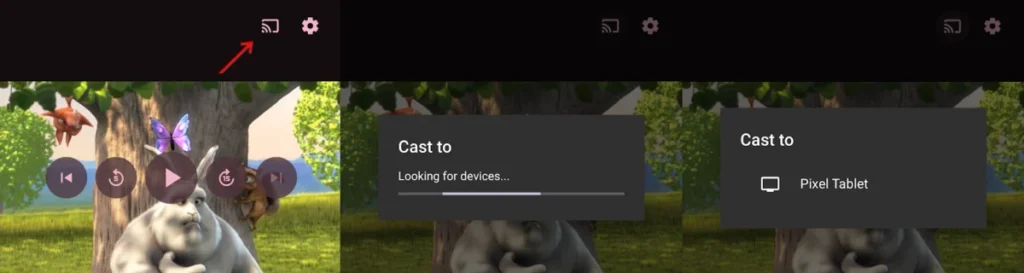
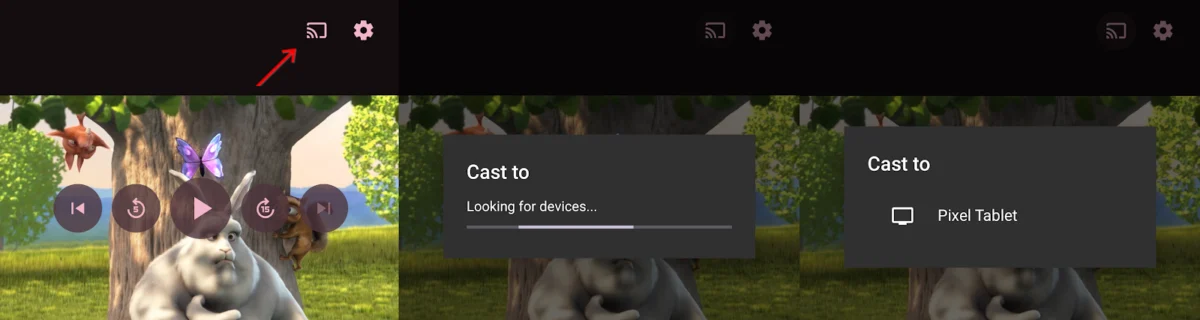
PlayerPoolto handle resource-heavy, vertical-scrolling media feeds. - Modernized Casting: Integration with the SystemUI Output Switcher, enabling a more cohesive experience for users moving media from mobile to connected devices.
- Eclipsa Video HDR: Native support for HAGC (ST 2094-50) timed metadata on API 37+ devices.
- Ktor Support: The introduction of a Kotlin-native HTTP client extension for data source management.
A Chronological Progression: The Path to 1.11
The journey to version 1.11 reflects the broader evolution of the Android framework. Since the sunsetting of the standalone ExoPlayer library in favor of the unified Media3 suite, the development team has focused on modularity.
- Foundational Shifts (Media3 1.0 – 1.9): Initial releases were focused on parity with ExoPlayer and providing a stable foundation for the
MediaSessionandMediaControllerAPIs. - The Compose Integration (Media3 1.10): The previous major release introduced the
ProgressSliderand set the stage for Material3 integration, establishing the groundwork for the current, more granular control over player layouts. - Refinement and Performance (Media3 1.11): This current release builds upon that foundation by addressing "pain points" reported by developers, such as the difficulty of managing multiple players in short-form video feeds and the lack of native support for modern HDR standards like Eclipsa.
Supporting Data: Why These Changes Matter
For the developer community, these updates are not just aesthetic; they address significant performance bottlenecks.
The Efficiency of PlayerPool
In the world of short-form video (reminiscent of TikTok or YouTube Shorts), apps often struggle with memory overhead and playback lag. Creating and destroying ExoPlayer instances for every scroll event is computationally expensive. By introducing PlayerPool and rememberPooledPlayer, developers can now recycle existing instances. This ensures that the next video in a feed is already preloaded and buffered, resulting in a near-instantaneous transition between clips.

Material3 and Dynamic Color
The inclusion of the MiniController Composable is a strategic move toward UI consistency. By supporting Material3 Dynamic Color, the controller automatically adapts to the user’s system wallpaper theme. This reduces the boilerplate code developers previously had to write to maintain design system compliance, ensuring that a "mini-player" looks and feels native to the user’s specific Android aesthetic.
Modern Network Handling
The addition of the media3-datasource-ktor module is a major milestone for Kotlin developers. Until now, developers relying on the Ktor framework for networking had to bridge their code to Cronet or OkHttp to use Media3. By providing a native Ktor data source, Google is acknowledging the shift toward Kotlin-first networking, allowing for cleaner codebases and more efficient coroutine usage within media applications.
Official Perspectives: The Strategy Behind the Build
Google’s engineering team has framed this release as a response to the "Compose-first" future of Android. In official communications, they have emphasized that the media3-ui-compose modules are designed to be "opinionated enough to be easy to use, but flexible enough to be fully customized."

By moving toward Player slots (such as topControls, centerControls, and bottomControls), the team is moving away from the rigid, monolithic view structures of the past. This modular approach allows developers to swap out standard buttons for custom implementations without breaking the underlying state management of the player.
Regarding security, the move to asynchronous MediaSession connections and stricter default permissions highlights a proactive stance on privacy. By restricting access to session data for untrusted controllers, Google is ensuring that the ecosystem remains secure, preventing malicious or poorly designed apps from hijacking the MediaSession state.
Implications: The Future of Android Media
The release of Media3 1.11 carries significant implications for the future of mobile entertainment and developer productivity.

1. Standardization of the "Cast" Experience
By integrating the SystemUI Output Switcher, Media3 1.11 is attempting to unify the fragmented landscape of media casting. Previously, developers were often forced to implement custom routing logic that felt disconnected from the OS. By funneling this through the native SystemUI, users will eventually encounter a consistent, system-wide interface for moving media, whether they are using a first-party app or a third-party service.
2. HDR as the New Baseline
The support for Eclipsa Video (HAGC metadata) on API 37+ is a clear indication of where display technology is heading. By automating the delivery of HDR metadata to the decoder, Google is simplifying the complex task of color management. For content creators and developers, this means their video assets will look professional on a wider range of screens without the need for manual, device-specific tuning.
3. Strengthening the Kotlin Ecosystem
The Ktor integration is more than just a convenience—it is a signal. It demonstrates that the Android platform is fully embracing the Kotlin-first paradigm. As more apps move toward Ktor for their network layer, the overhead of maintaining multiple networking libraries will decrease, leading to smaller binary sizes and faster build times for media-heavy applications.

4. Accessibility and Navigation
The integration of FocusRequester for D-pad and keyboard navigation underscores the importance of the "Android Everywhere" philosophy. With Android TV, desktop environments (like those running Android apps), and foldable devices becoming more common, the ability for media controls to handle non-touch inputs out of the box is a massive win for accessibility and cross-platform usability.
Conclusion: A Step Toward Uniformity
Media3 1.11 serves as a bridge between the legacy of ExoPlayer and the future of a fully reactive, Compose-driven Android development ecosystem. By tackling high-level challenges like resource management in short-form feeds, security in MediaSession handoffs, and the modern demands of HDR playback, Google has provided a toolkit that is both powerful and forward-looking.
For developers, the call to action is clear: migrate to the newer Compose-first modules and leverage the built-in state observers to create more resilient, responsive interfaces. For the end-user, these changes promise a future of smoother playback, better integration with system-level casting, and a more consistent visual experience across the entire Android device portfolio. As the media landscape continues to evolve, Media3 1.11 positions the Android platform to remain the industry leader in high-performance digital content delivery.