Big Ideas in Miniature: Reflections on Ludum Dare 56 and the “Tiny Creatures” Phenomenon
The world of game development is often associated with grand, sprawling epics—titles that demand hundreds of hours of play and contain worlds of infinite complexity. However, the true heartbeat of the industry often pulses brightest in the constrained, high-pressure environment of the game jam. This past weekend, from October 4th to October 7th, the global development community gathered for Ludum Dare 56, a 48-to-72-hour creative marathon that stripped away the fluff and focused on a singular, evocative prompt: "Tiny Creatures."
The results, hosted primarily on itch.io, have provided a masterclass in design efficiency, proving that when developers are forced to think small, their creativity often expands to fill the void.
The Chronology of a Creative Sprint
Ludum Dare is one of the longest-running and most prestigious game jams in existence. Since its inception, it has served as a proving ground for indie developers, from bedroom hobbyists to industry veterans. Ludum Dare 56 followed the traditional, high-intensity schedule that participants have come to expect.
The Kickoff (October 4th)
The event commenced with the announcement of the theme, "Tiny Creatures." While some themes in past iterations have been abstract or mechanical, this prompt was distinctly thematic and narrative-driven. It invited developers to consider scale, biology, and the perspective of the marginalized or the microscopic.
The Development Phase (October 5th–6th)
Over the course of 48 to 72 hours, the platform saw an explosion of activity. Developers navigated the "triple constraint" of game design: time, scope, and quality. In this window, the most successful projects were those that abandoned complex mechanics in favor of "vertical slices"—small, polished experiences that explored a single, strong idea.
The Submission Window (October 7th)
As the clock ran out on Monday, hundreds of projects were uploaded to the itch.io repository. This period marked the transition from the creation phase to the curation phase, where the community began the massive task of playing, rating, and discussing the entries.
A Taxonomy of "Tiny Creatures": Standout Submissions
The breadth of the "Tiny Creatures" theme was staggering. Below are some of the most compelling entries that demonstrate how different genres adapted to the prompt.
Strategy and Roguelike Integration
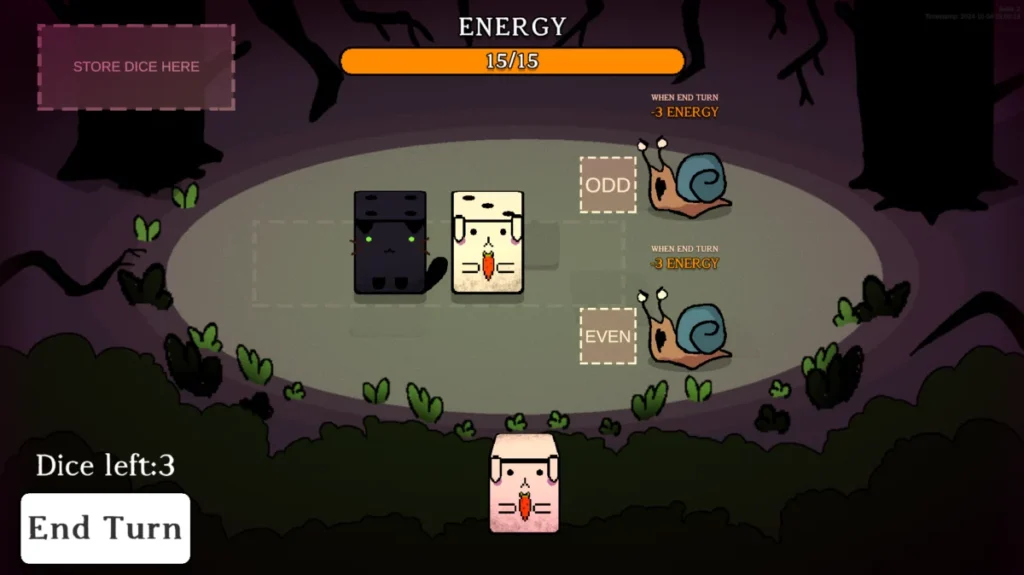
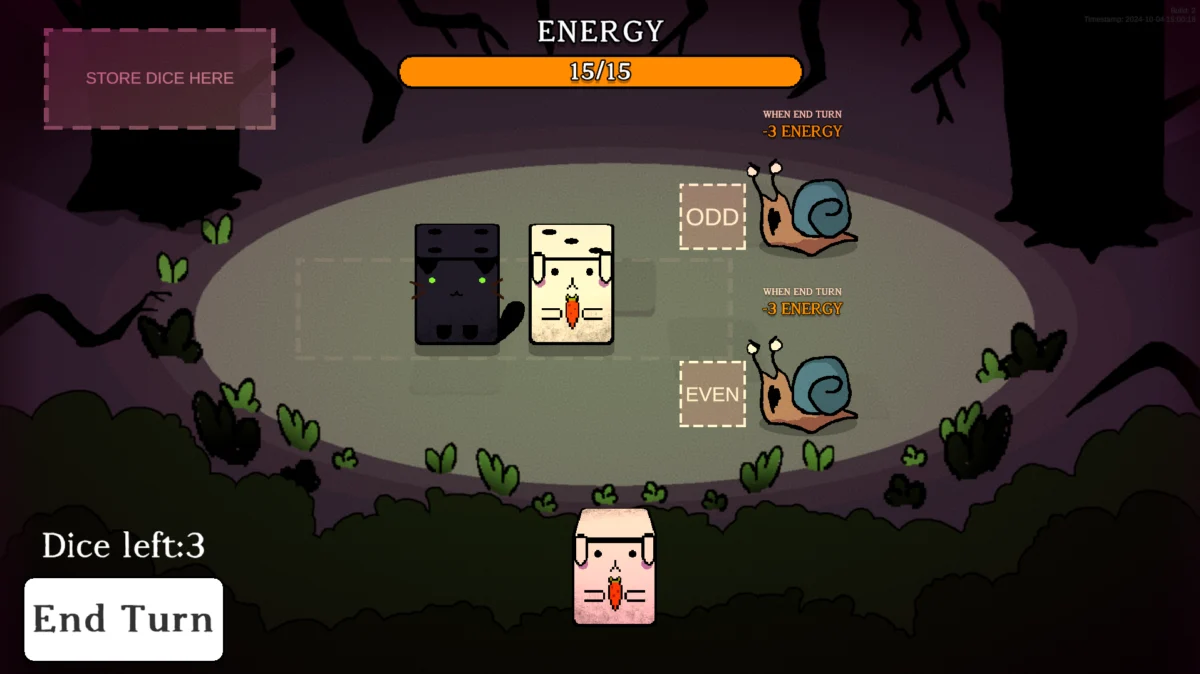
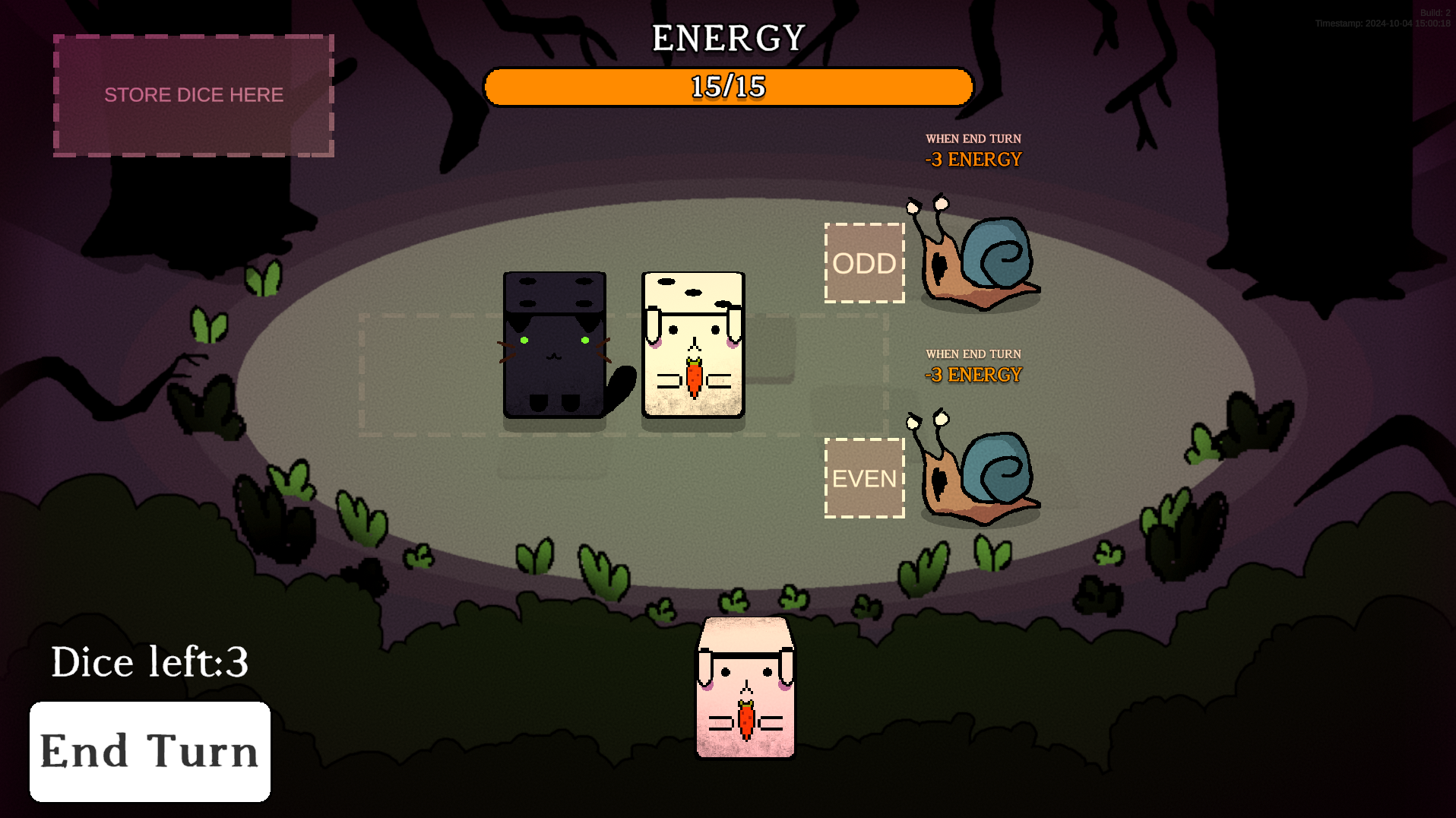
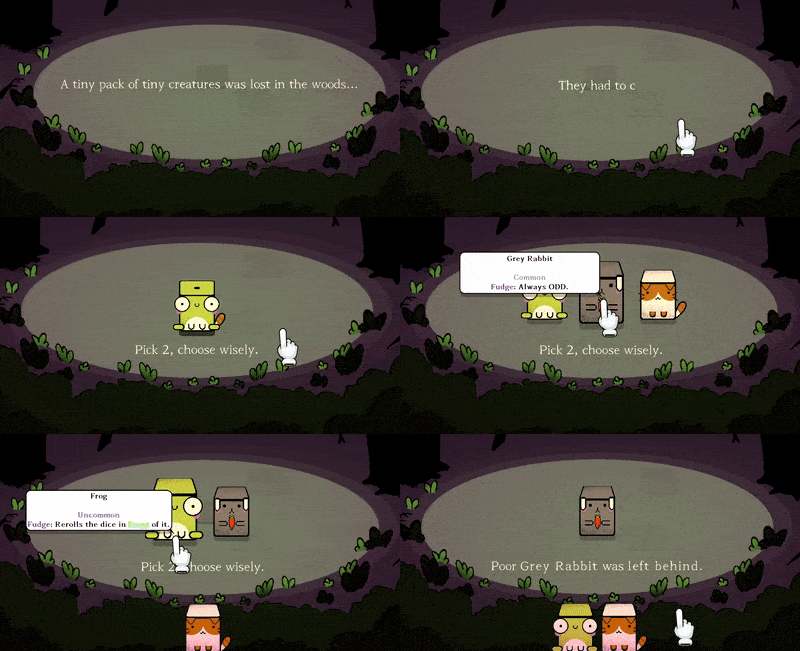
- TINY PACK: This title stood out for its mechanical density. By blending dice-based mechanics with deck-building and turn-based strategy, it transformed a simple woodland trek into a complex tactical puzzle. The use of pixel art grounded the fantasy, making the tiny creatures feel like a tangible army under the player’s command.
- Combo Critters: Taking a more traditional approach to card-battling, this Windows-based title focused on synergy. Players were tasked with building teams of tiny creatures whose combined abilities allowed them to overcome much larger, more imposing obstacles.
Puzzle and Platforming
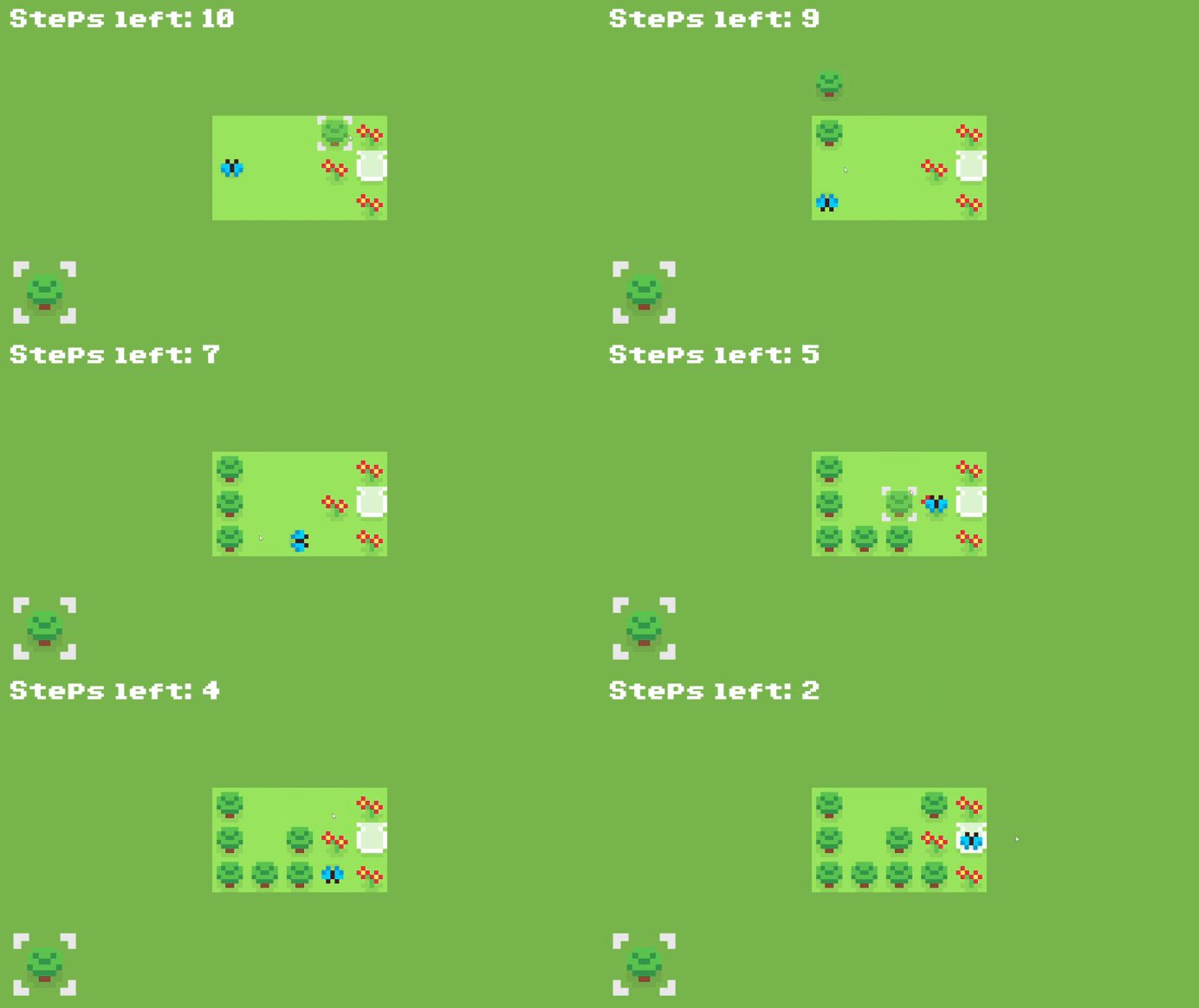
- Butterjar: A minimalist masterpiece in efficiency. With 13 levels designed to be completed in roughly 10 minutes, it provided a tight, focused experience that prioritized fluid movement and environmental interaction.
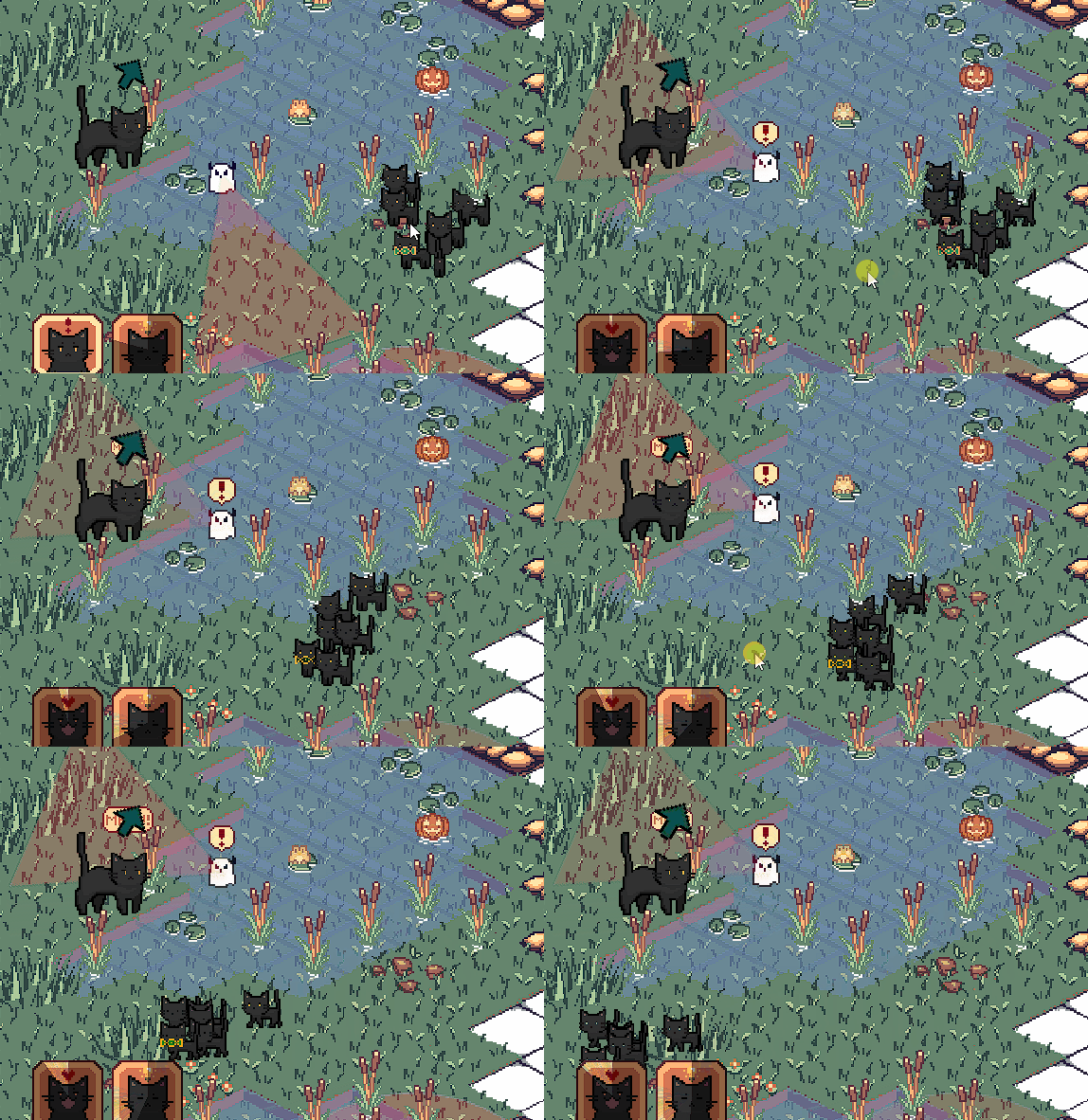
- Candyween: Injecting a seasonal flair, this isometric puzzle game utilized the "tiny" theme to emphasize scale. Navigating a cat through a garden filled with dogs and ghosts—all while being small enough to fit under furniture—created a delightful sense of vulnerability and triumph.
Narrative and Incremental Experiences
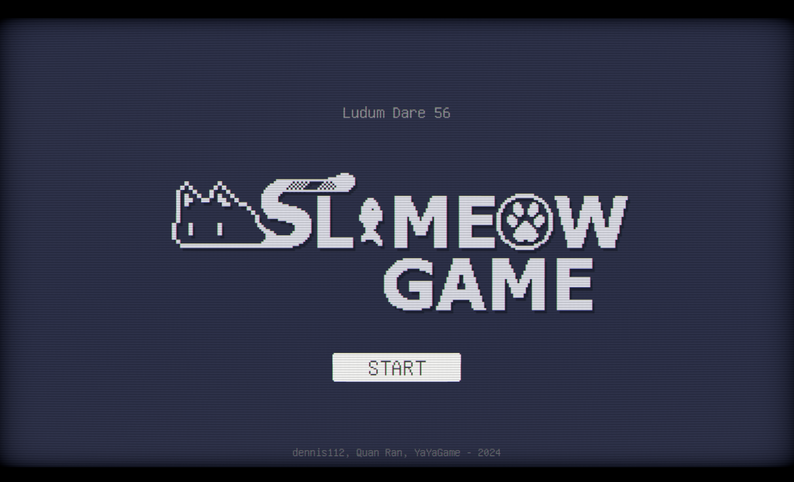
- Slimeow Game: An intriguing fusion of tower defense and incremental (idle) mechanics. The player’s role as an overseer of a tiny ecosystem—managing fish, breeding slime creatures, and defending a pond—captured the essence of "tiny" as a manageable, yet fragile, resource.
- Would You Still Love Me?: Perhaps the most poignant entry, this narrative adventure asked a philosophical question: If your partner were to shrink into a tiny creature, would the emotional bond remain? It turned the "Tiny Creatures" theme into a metaphor for change and acceptance.
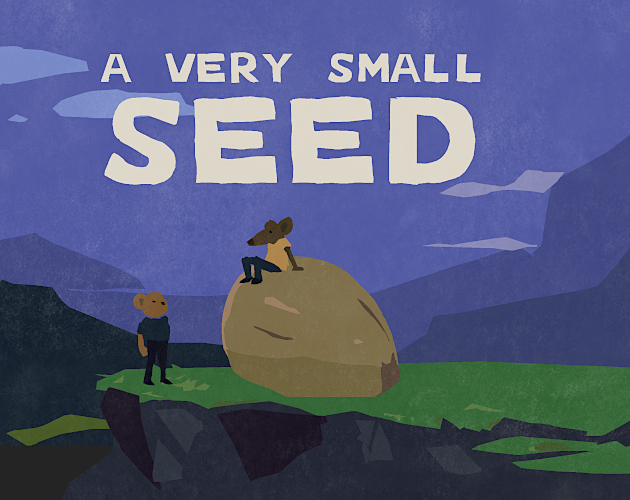
- A very small seed: A hand-drawn gem that focused on the journey rather than the destination, emphasizing the "smallness" of the world through the eyes of two tiny protagonists carrying a single seed.
Supporting Data: The Power of Constraints
Why do game jams like Ludum Dare continue to thrive? The answer lies in the psychological and technical benefits of constraints.

According to post-jam surveys from previous years, over 85% of participants cite "learning a new workflow" or "improving rapid prototyping skills" as their primary motivation for joining. In Ludum Dare 56, the "Tiny Creatures" theme acted as a design boundary. When a developer is told to make a game about tiny creatures, they are subconsciously prompted to avoid "feature creep."
The data from the itch.io tag #ludum-dare-56 shows a heavy leaning toward browser-playable games (HTML5/WebGL). This is not an accident; the ability for a player to click a link and play instantly, without downloading a hefty executable, is a massive factor in the viral success of jam games. The "Tiny" theme fits this perfectly—small games often lead to faster load times and more immediate gratification for the player.
Official Perspectives and Community Sentiment
While Ludum Dare is a community-led event, the ecosystem surrounding it—facilitated by platforms like itch.io—reflects a shift in how the industry views "indie" development.
Representatives from itch.io noted that the quality of submissions has seen a steady increase year-over-year. "The barrier to entry has lowered," one organizer commented, "but the bar for creativity has risen. Developers are no longer just making ‘games’; they are making ‘moments’."
The community response on forums and social media suggests that the "Tiny Creatures" theme was one of the most beloved in recent memory. By removing the need for epic scope, the theme allowed developers to focus on:
- Atmosphere: Using lighting and sound to make the world feel "big."
- Mechanics: Creating high-stakes interactions with low-power characters.
- Humor: Exploring the comedic potential of small beings in a world built for giants.
Implications: The Future of Micro-Games
The success of Ludum Dare 56 carries significant implications for the broader gaming industry. We are witnessing a divergence: on one side, massive, multi-year AAA productions; on the other, the "micro-game" movement.
The "Micro-Game" Movement
The games produced during Ludum Dare 56 demonstrate that players are increasingly hungry for "bite-sized" entertainment. As attention spans fragment in the digital age, a game that can be completed in a 10-minute commute—like Butterjar—offers a level of satisfaction that a 100-hour RPG cannot replicate for a busy player.
Rapid Prototyping as a Professional Skill
For many participants, these jam entries are more than just hobbies; they are portfolios. The ability to iterate, build, and deploy a game in 72 hours is a highly sought-after skill in the professional industry. Studios are increasingly looking at jam entries as "proof of concept" work, with several successful indie titles—such as Superhot or Stardew Valley (inspired by early development cycles)—tracing their lineage back to jam-style development.
Environmental Design and Scale
Finally, the "Tiny Creatures" theme has forced developers to think more critically about level design. When the character is small, every blade of grass becomes a wall, and every pebble becomes a mountain. This shift in perspective is a powerful tool for developers looking to inject fresh life into stagnant genres like the platformer or the top-down shooter.
Conclusion: Looking Ahead
Ludum Dare 56 has concluded, but the digital footprints left behind on itch.io remain. These games serve as a testament to the ingenuity of the indie development community. By shrinking the scope of their projects, these developers have actually expanded the boundaries of what is possible in short-form interactive media.

Whether you are a developer looking for inspiration for your next project or a player seeking a quick, charming distraction, the entries from this past weekend offer a wealth of experiences. As the community moves toward the next event, one thing remains clear: you don’t need a massive budget or a vast development team to make a significant impact. Sometimes, all you need is a tiny idea, a few days of focus, and a bit of digital clay to mold into something truly special.
For those interested in diving deeper, the full list of submissions is still available via the Ludum Dare 56 tag on itch.io. Explore the archives, play the games, and perhaps start preparing your own tools for the next great creative sprint. The world of game design is constantly evolving, and as Ludum Dare 56 has proven, the best ideas are often the smallest ones.