Bridging the Gap: itch.io App v26.20.0 Revolutionizes Cross-Platform Game Management
The landscape of PC gaming has long been defined by fragmentation. Players often find themselves juggling multiple storefronts, launchers, and disparate file directories, each operating within its own silo. Today, itch.io—the premier destination for independent game developers and enthusiasts—is taking a significant step toward unifying this experience. With the release of version 26.20.0, the itch app introduces a suite of features designed to bridge the gap between its DRM-free ecosystem and the dominance of the Steam platform, alongside powerful new tools for local file management.
Main Facts: What’s New in v26.20.0?
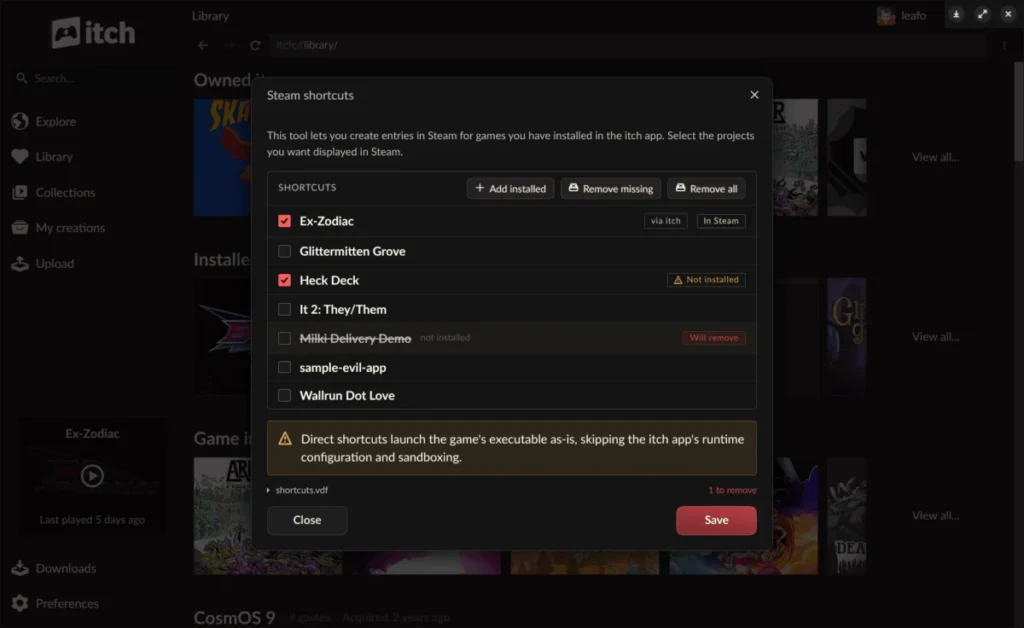
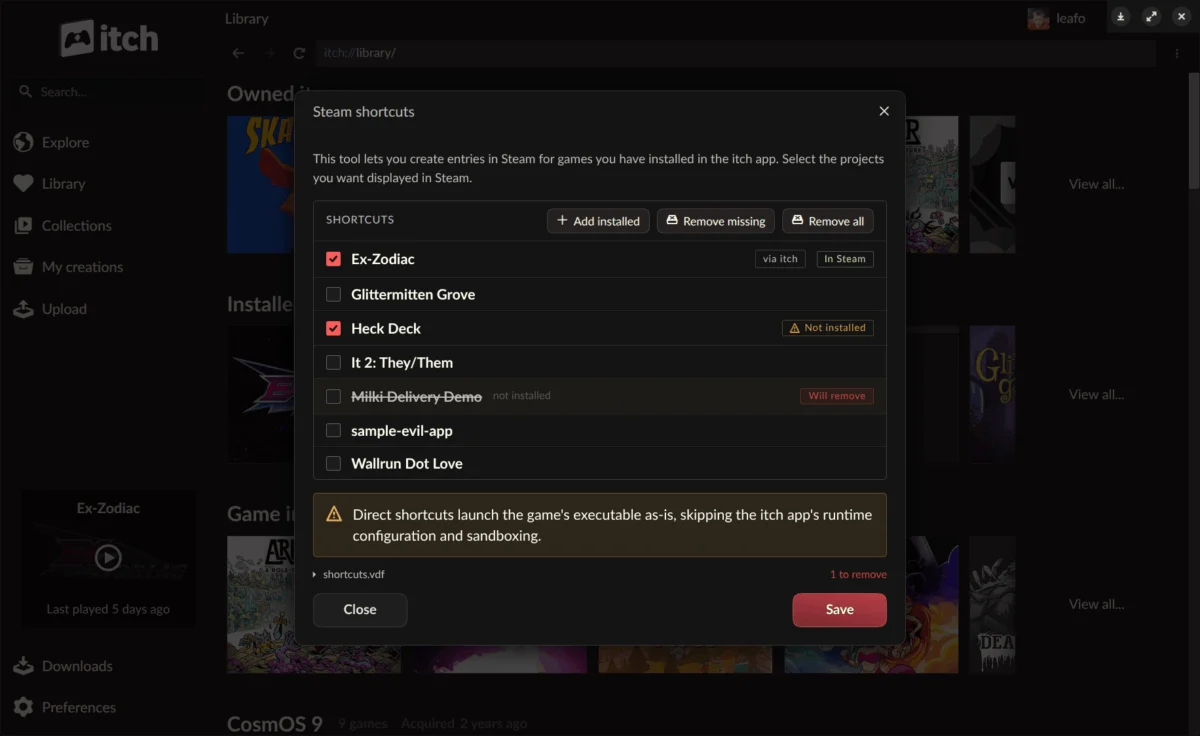
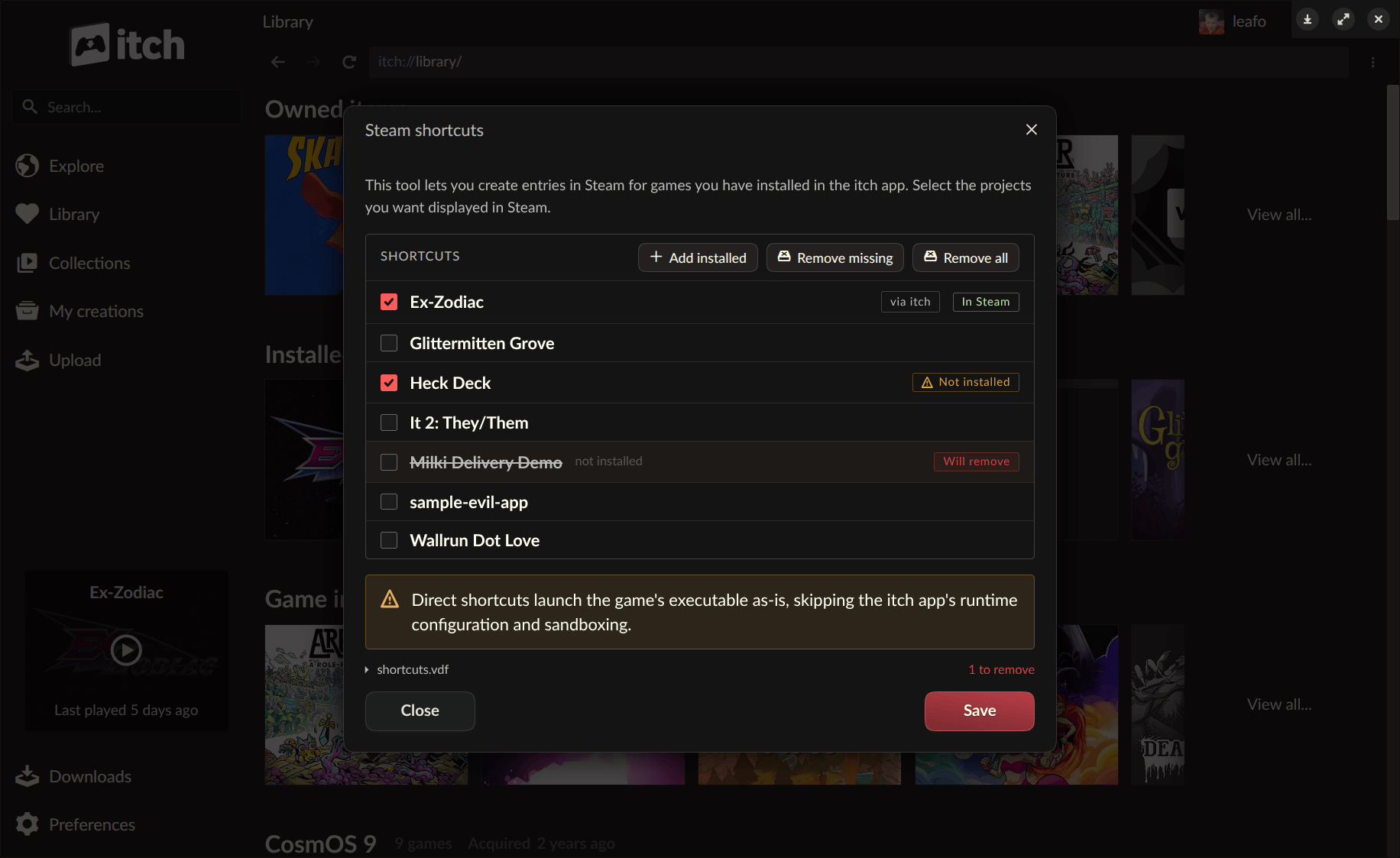
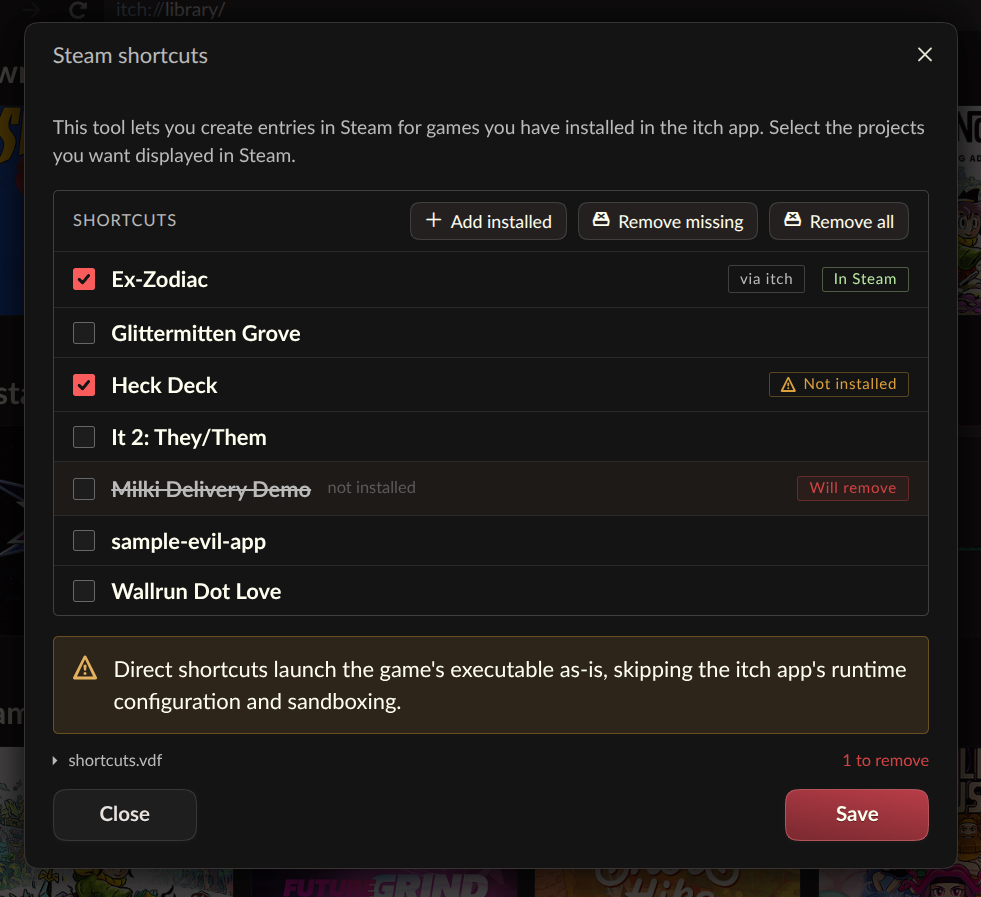
The latest update to the itch app is not merely a bug-fix release; it represents a fundamental change in how users interact with their libraries. The headline feature is the introduction of Steam Shortcuts, a tool that allows users to seamlessly integrate their itch.io titles into their Steam library. By leveraging this feature, players can launch their favorite indie gems directly from the Steam interface—a massive convenience for users operating within Steam’s "Big Picture" mode or those utilizing the Steam Deck.
Complementing this is the introduction of Headless Launching. To make Steam integration possible, the developers have created a way to boot games without requiring the full itch app GUI to be active. This "headless" mode is a versatile command-line utility that allows third-party launchers, custom scripts, and even the Steam client itself to trigger an itch.io game while still respecting all the backend configurations, such as sandboxing, play-time tracking, and prerequisite installations.
Finally, the update introduces a long-requested quality-of-life feature: Folder Linking. Users who have downloaded games manually—outside of the app’s automatic downloader—can now "link" these existing folders to the itch app. This allows the client to recognize and manage these games as if they were natively installed through the launcher, saving users the frustration of redundant, multi-gigabyte downloads.
Chronology: The Evolution of the itch App
The path to v26.20.0 has been one of gradual, user-driven iteration. For years, the itch.io community has vocalized a desire for greater interoperability.
- Early Development: The itch app began as a simple installer/manager focused on ease of access for developers. Its primary goal was to handle the distribution of DRM-free content without the overhead of heavy corporate launchers.
- The "Butler" Foundation: A pivotal moment in the app’s history was the maturation of Butler, the underlying engine that handles the heavy lifting of updates, patching, and file verification. This engine eventually became the backbone for the new headless launching capabilities.
- Community Feedback Loop: Throughout 2023 and early 2024, the itch.io development team utilized their blog and GitHub issue trackers to prioritize features. Discussions surrounding Steam Deck compatibility accelerated the timeline for the current Steam Shortcuts implementation.
- The v26.x Series: The current series of updates has focused on security hardening and platform-specific optimizations, culminating in the current release.
Supporting Data and Technical Architecture
The technical elegance of this update lies in the "headless" launch mode. When a user creates a Steam shortcut, they are essentially calling a specific command: itch-setup --run-game <gameId>.
Under the hood, this utilizes a new butler launch subcommand. Rather than forcing the full Electron-based itch app to open—which consumes memory and CPU cycles—the itch-setup process acts as a lightweight proxy. It locates the game’s local installation data, checks the user’s profile settings, applies any necessary sandboxing, and passes the API key required for the game to function properly.
For developers and power users, the team has released extensive documentation on the Butler integration page. This provides a blueprint for how to interface with the itch app’s core, effectively turning the itch client into a background service rather than a mandatory foreground application.
Official Responses and Community Dialogue
The announcement has sparked a vibrant debate within the community, reflecting the diverse priorities of indie gaming enthusiasts.
The Enthusiastic Reception
The majority of the feedback from the community has been overwhelmingly positive. Users of Linux-based handhelds, particularly the Steam Deck, have hailed the Steam Shortcuts feature as a "game-changer." As one user noted on the official update thread, "Steam integration helps us all; it makes the barrier to entry for indie titles almost non-existent."
The "DRM-Free" Debate
Not all feedback was centered on technical performance. A significant portion of the itch.io user base is attracted to the platform specifically because of its stance against Digital Rights Management (DRM). This led to a nuanced discussion regarding the necessity of using Steam at all.
One prominent community member expressed hesitation, stating, "Steam integration is not for me because I only support DRM-free games." This prompted a healthy dialogue regarding the nature of Steam as a delivery platform versus a DRM provider. Others clarified that many games on Steam are, in fact, DRM-free, and that the Steam client is merely a tool for organization, not a mandatory lock-out mechanism for the games themselves.
Feature Requests
The comment section has also become a staging ground for the next wave of feature requests. Mobile support, specifically for Android-based handheld devices, has emerged as a high-priority request. Additionally, power users have requested more granular control over wine/proton prefixes, allowing them to specify different versions of compatibility layers for individual titles—a request that echoes the complexity of professional gaming environments.
Implications: A More Connected Future
The release of v26.20.0 is more than just a set of new features; it is a strategic shift for itch.io. By lowering the friction between their library and the platforms where players spend the most time, itch.io is positioning itself as a "platform-agnostic" storefront.
1. Increased Discoverability
By appearing in a user’s Steam library, itch.io games gain visibility that was previously restricted to those who had the itch app actively open. This integration effectively turns Steam into a "hub" for a user’s entire collection, regardless of where the purchase was originally made.
2. Empowering the Indie Developer
For developers, the burden of ensuring their game works across every possible launcher has always been high. By providing a stable, open-source integration path, itch.io makes it easier for developers to support their games without needing to build custom launchers or deep-link integrations themselves.
3. Strengthening the "Escape Hatch" Philosophy
The introduction of the "Link existing folder" feature reinforces itch.io’s commitment to user ownership. In an era where digital storefronts occasionally revoke access or change terms of service, the ability to manually link and launch local files ensures that, even if the itch.io service were to change, the user’s library remains physically under their control.
Conclusion: Looking Ahead
As version 26.20.0 rolls out to users worldwide, the itch.io team has signaled that this is just the beginning of a broader effort to make the app more flexible and modular. The focus on security, the refinement of the Butler engine, and the responsiveness to community needs—ranging from Steam integration to manual folder linking—show a platform that is maturing without sacrificing its indie roots.
While debates regarding DRM and the role of third-party launchers will continue to evolve, one thing remains clear: by choosing to build tools that prioritize user convenience and interoperability, itch.io is ensuring its place as an indispensable player in the future of the gaming industry. For the player, the choice is now simpler than ever: support indie developers on their preferred platform, and keep the games where you want them, how you want them.