Cloud Gaming Comes to the Penguin: NVIDIA GeForce NOW Launches Native Linux Client
In the landscape of modern desktop computing, Linux users have long navigated a paradoxical reality: while the operating system serves as the bedrock for the world’s most powerful supercomputers and cloud infrastructure, it remains a contested frontier for high-end consumer gaming. This struggle was recently punctuated by Ubisoft’s controversial decision to rescind Linux and Steam Deck support for For Honor, citing "anti-cheat limitations"—a justification met with skepticism given the game’s existing compatibility history.
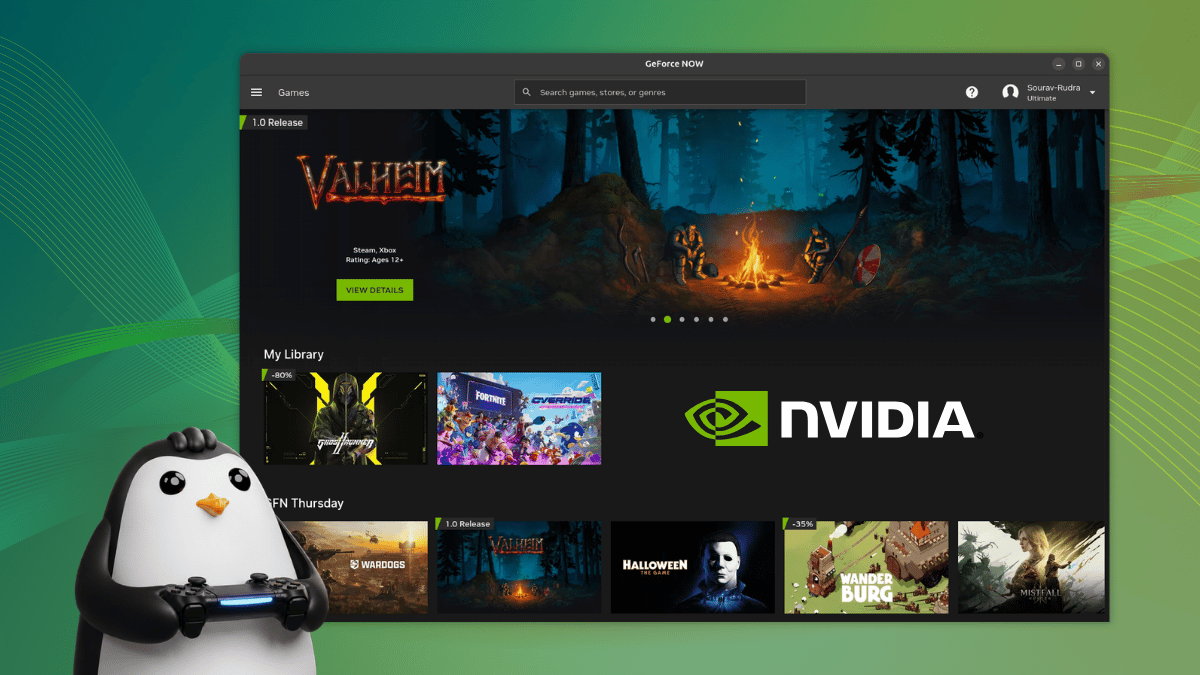
However, as the hardware market grapples with volatile RAM and storage costs, a paradigm shift is underway. Cloud gaming, once dismissed as a niche novelty, is maturing into a viable alternative for enthusiasts unwilling or unable to invest in a top-tier gaming rig. NVIDIA is leading this charge with the official transition of its GeForce NOW Linux client from beta to general availability, officially supporting Ubuntu 26.04 LTS. This development marks a pivotal moment for Linux gaming, offering a gateway to RTX-powered performance regardless of local hardware constraints.

The Evolution of GeForce NOW on Linux
The concept of cloud gaming relies on a simple yet demanding premise: offloading the heavy lifting of graphical rendering to remote data centers equipped with high-end NVIDIA RTX GPUs. Unlike traditional platforms such as Steam or Heroic, which store and execute game data locally, GeForce NOW functions as a streaming portal. Users link their existing accounts—be it Steam, Epic Games Store, GOG, or PC Game Pass—and the service provides a remote instance that handles all updates, installations, and processing.
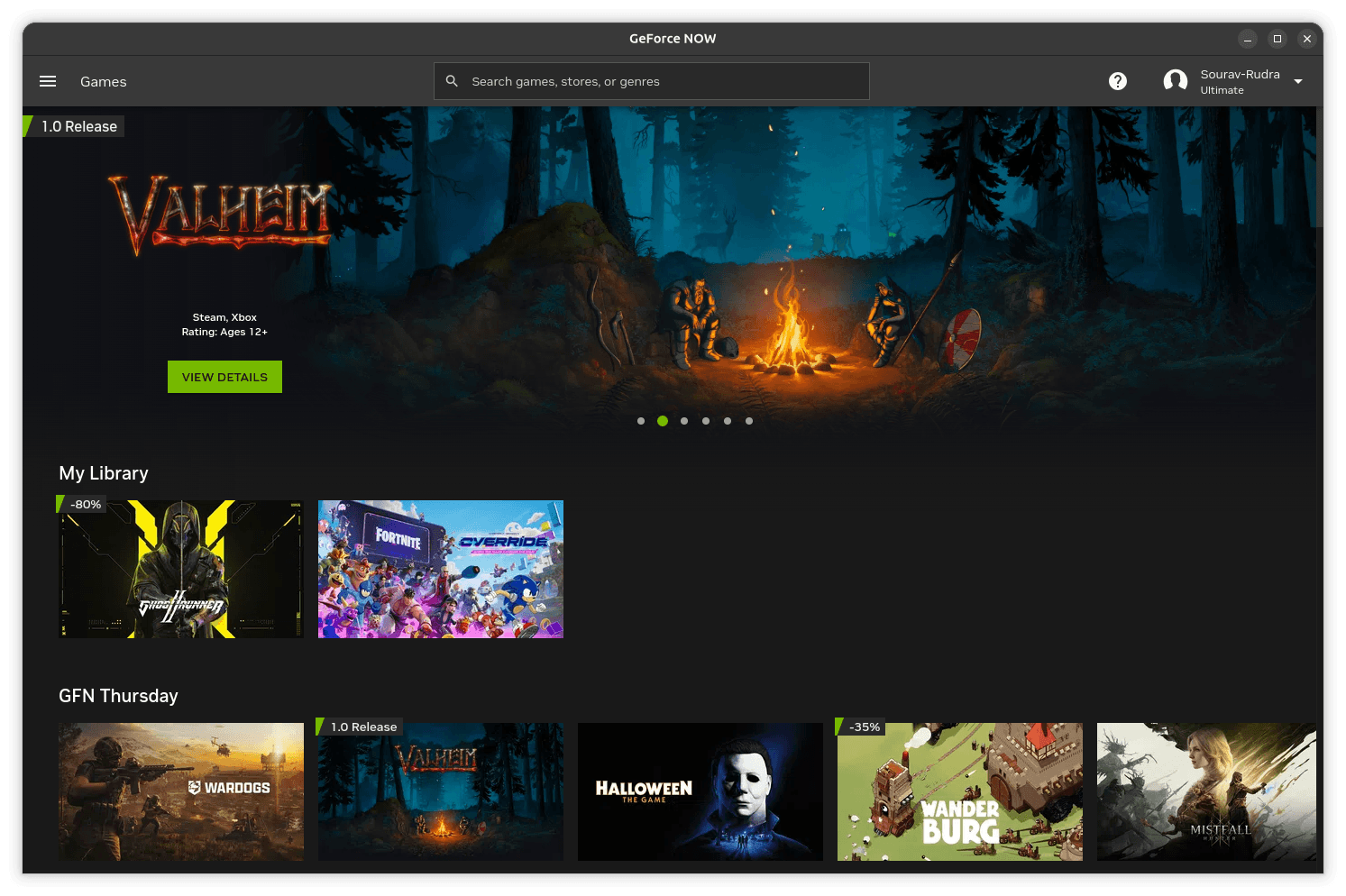
For the Linux community, the release of a native application is a significant upgrade from browser-based workarounds. While the official documentation recommends the Xorg display session for optimal performance, empirical testing indicates that the application functions seamlessly on Wayland, the modern display server protocol increasingly favored by major distributions.
Chronology: From Beta to General Availability
The path to this release has been gradual. NVIDIA first signaled its commitment to the Linux desktop by opening beta access to its streaming client, allowing a subset of users to stress-test the architecture. Throughout the beta phase, the focus remained on refining stream stability, codec efficiency, and compatibility with the proprietary NVIDIA drivers—a necessity for the client’s decoding operations.
With the move to "General Availability," NVIDIA has signaled that the software is stable enough for the broader public. While official support is currently branded for Ubuntu, the modular nature of Linux suggests that the client’s reach will likely extend to other distributions, provided users can manage the dependencies and the underlying driver requirements.
Performance Analysis and Real-World Metrics
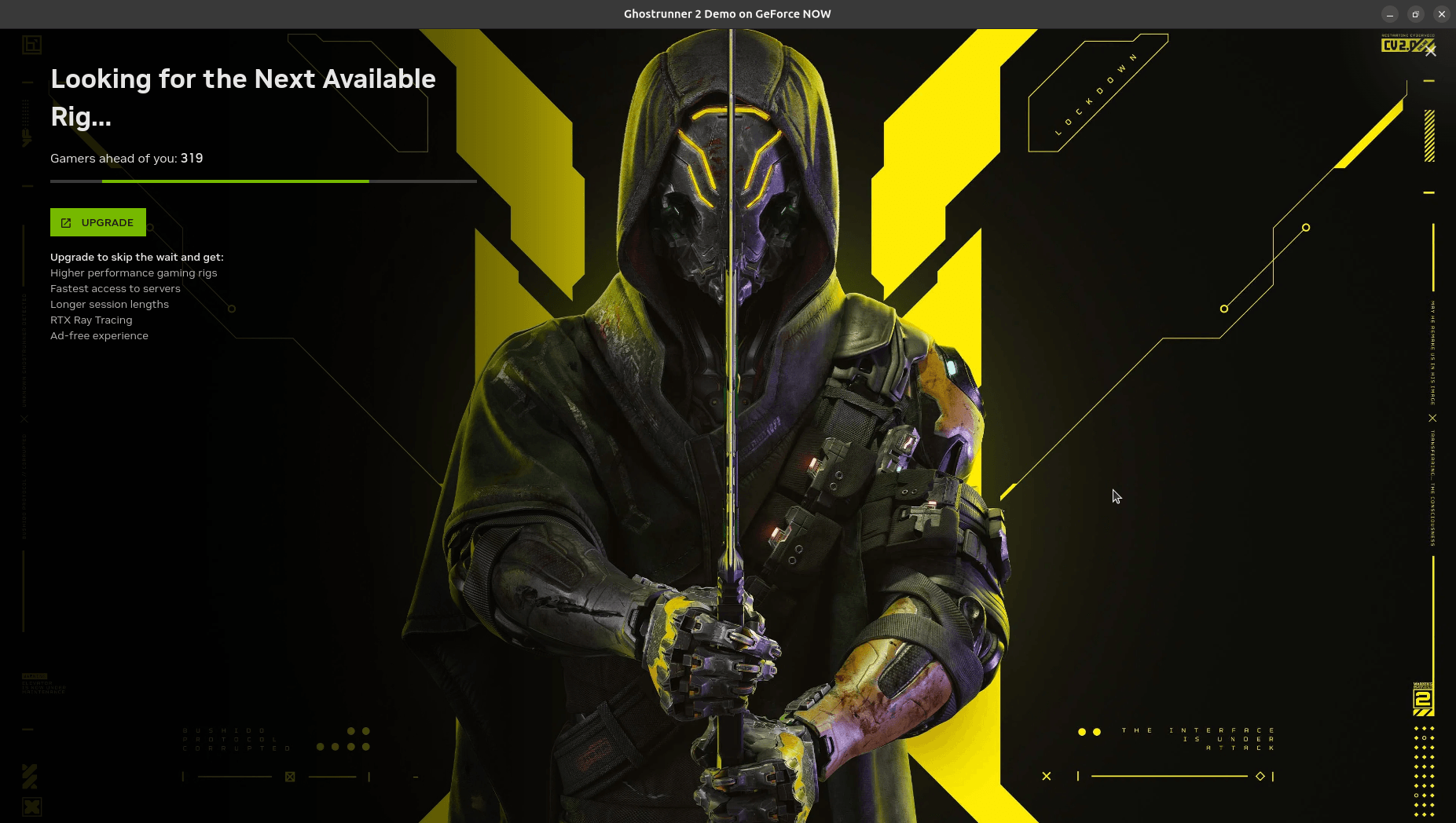
To understand the practical implications of this launch, it is essential to look at how the service behaves under stress. During extensive testing, the difference between the "Free" tier and the "Ultimate" subscription was stark. The Free tier, while a testament to the technology, often resulted in significant wait times—sometimes exceeding 300 users—making it impractical for consistent gaming.
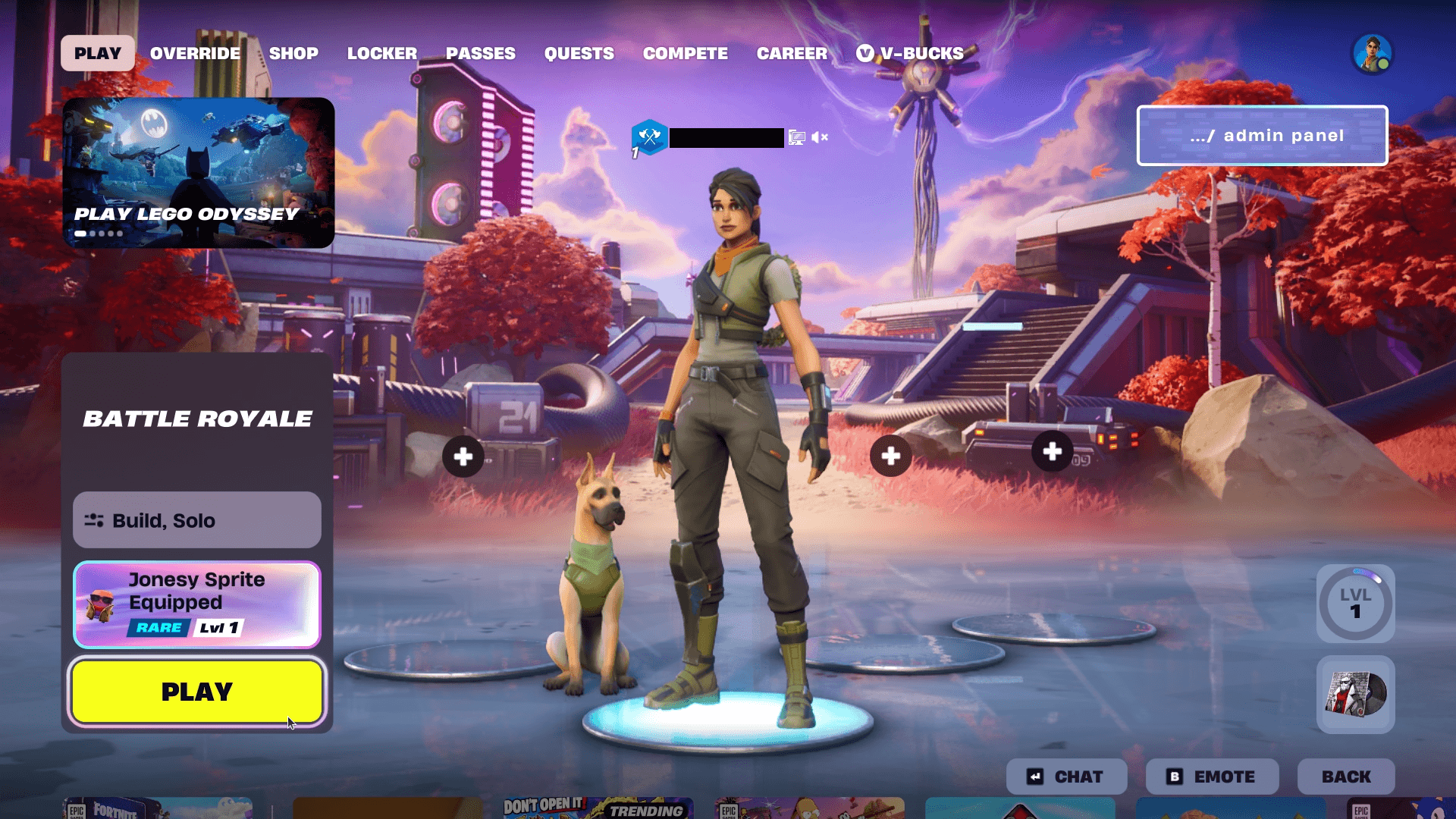
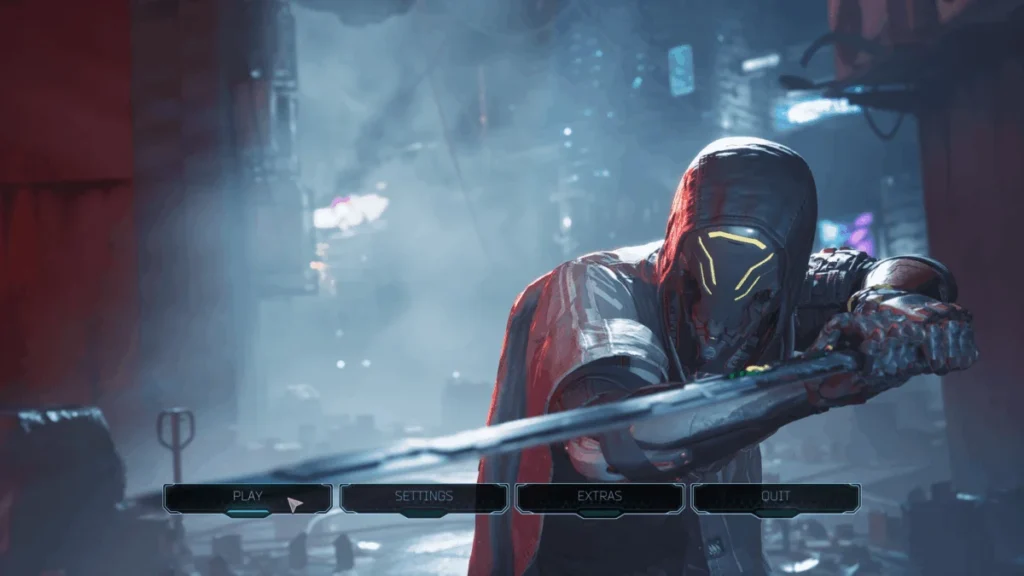
Conversely, the Ultimate tier provided access to servers powered by NVIDIA’s flagship RTX 4080 rigs. In testing environments involving Fortnite and Ghostrunner 2, the performance was nothing short of impressive, provided the network conditions were met.
The Network Bottleneck
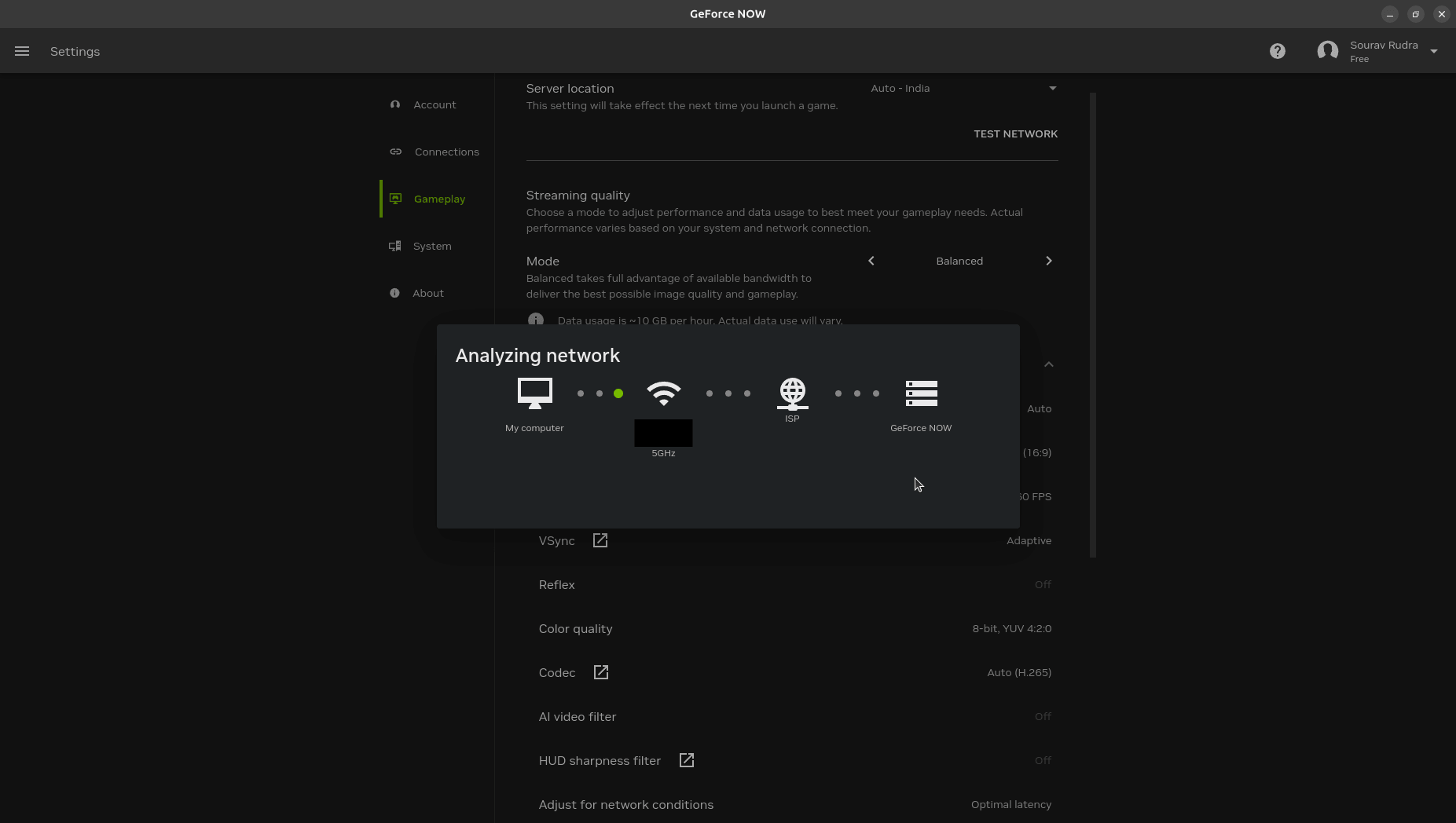
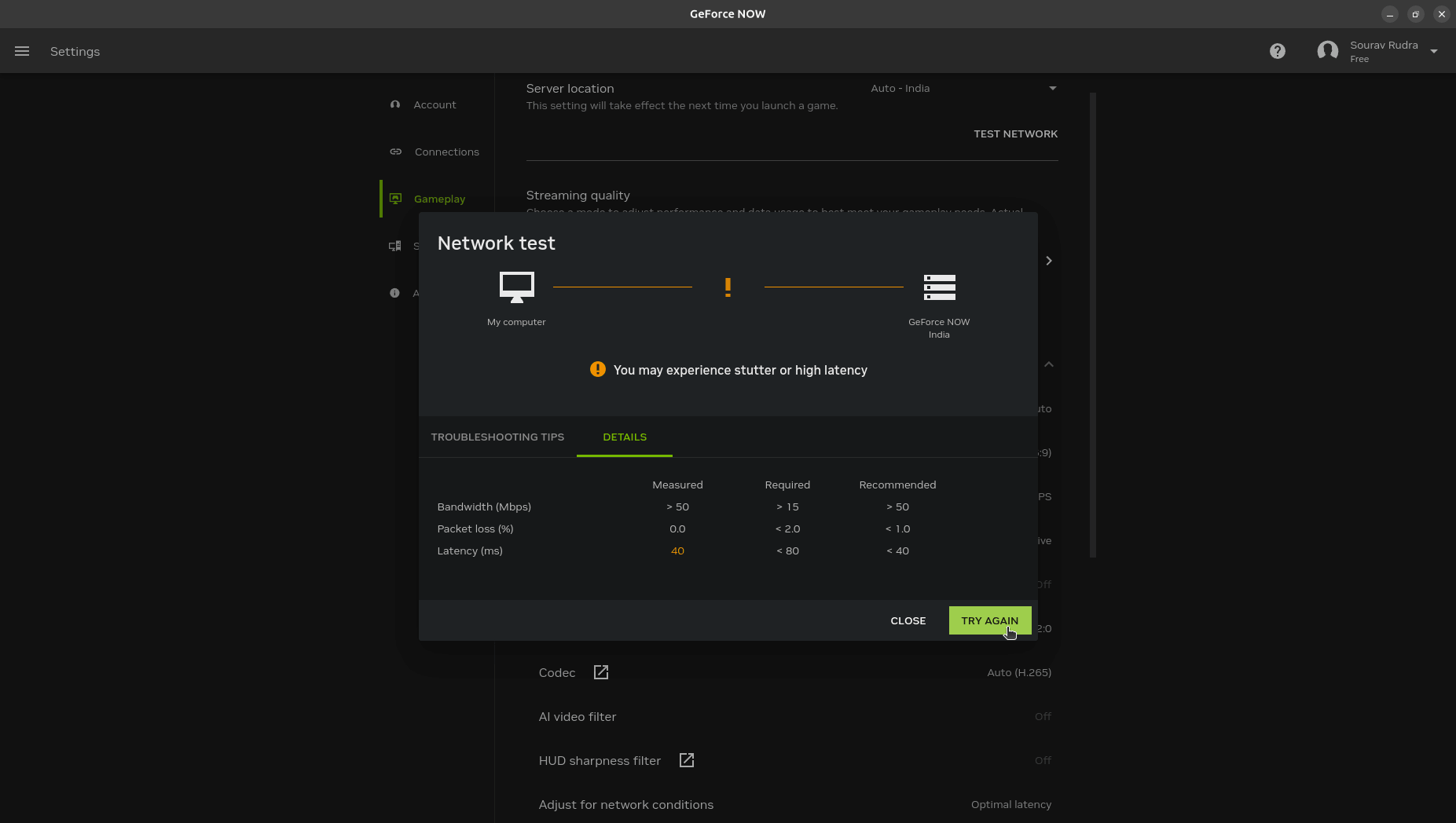
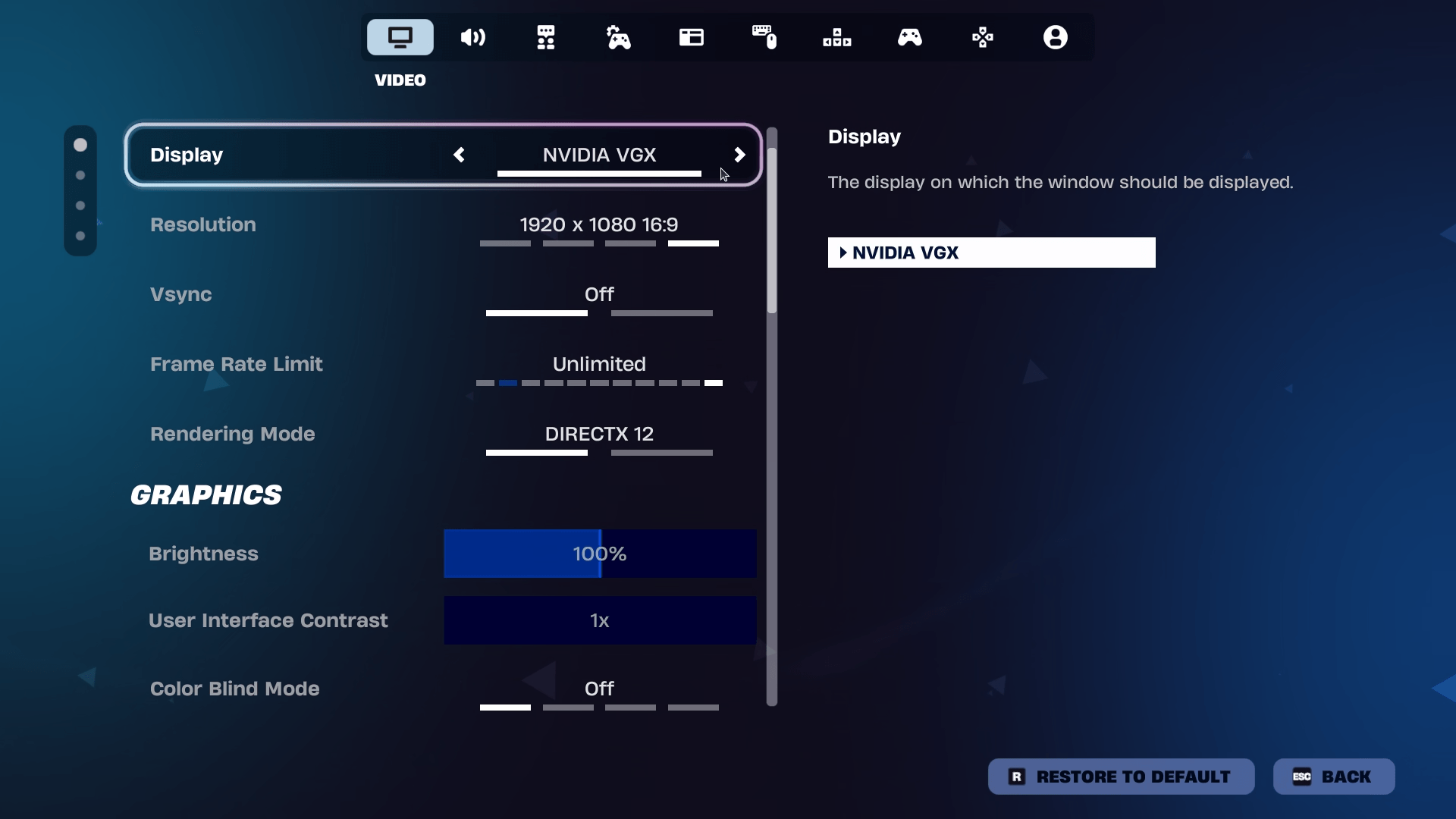
Cloud gaming is fundamentally a function of network health. The GeForce NOW client includes an integrated network test, which serves as a diagnostic tool for latency and packet loss. In tests conducted over a standard wireless connection, the software correctly identified potential for stuttering and high latency.
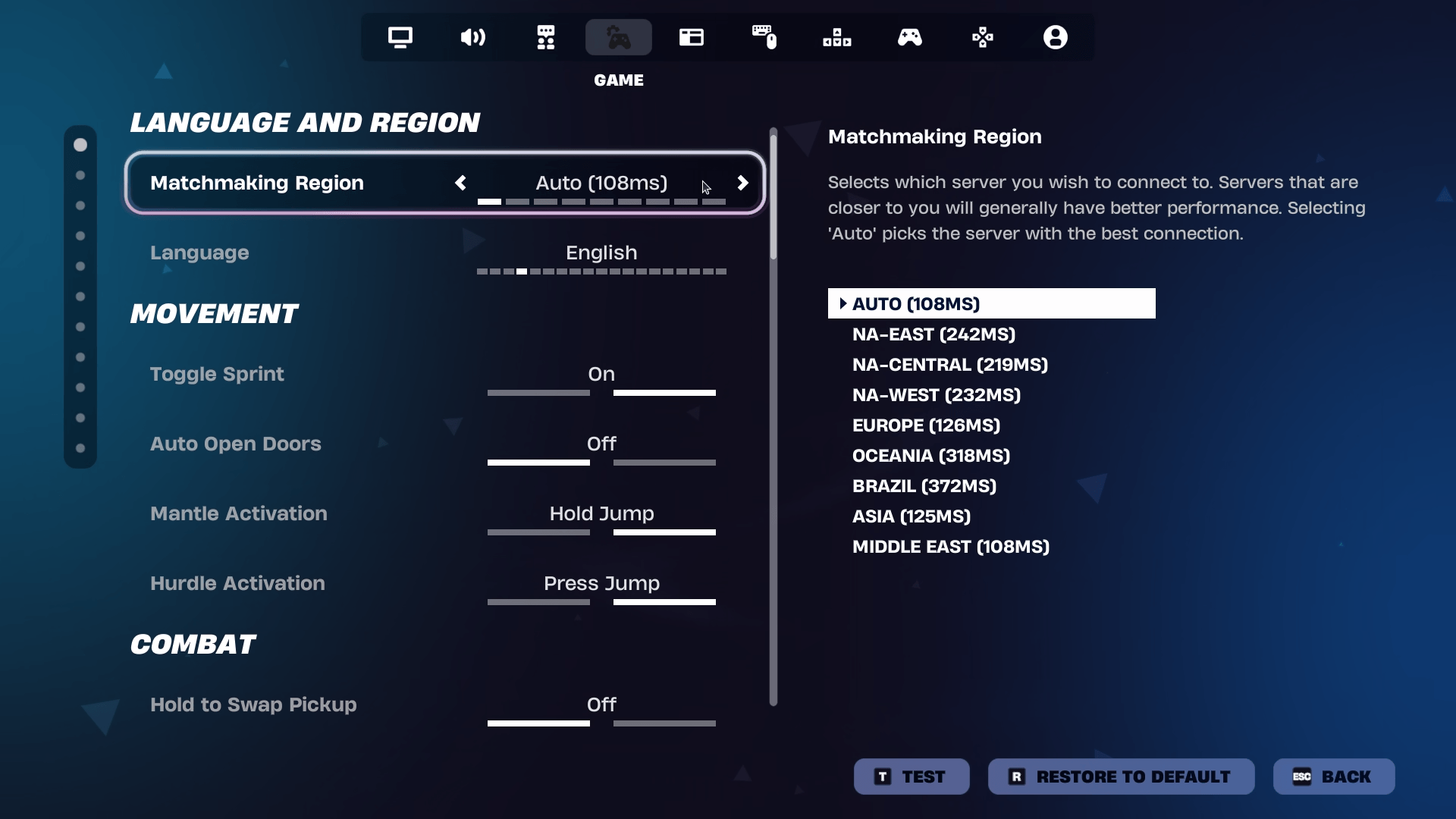
When shifted to a stable, wired Ethernet connection, the experience transformed. In Fortnite, playing on an RTX 4080-powered rig allowed for frame rates hovering around 160 FPS, with the stream itself maintaining a steady 55-60 FPS. The server latency remained impressively low, at approximately 45ms, demonstrating that for most titles, the "cloud" experience is virtually indistinguishable from local hardware.
Singleplayer Responsiveness: Ghostrunner 2
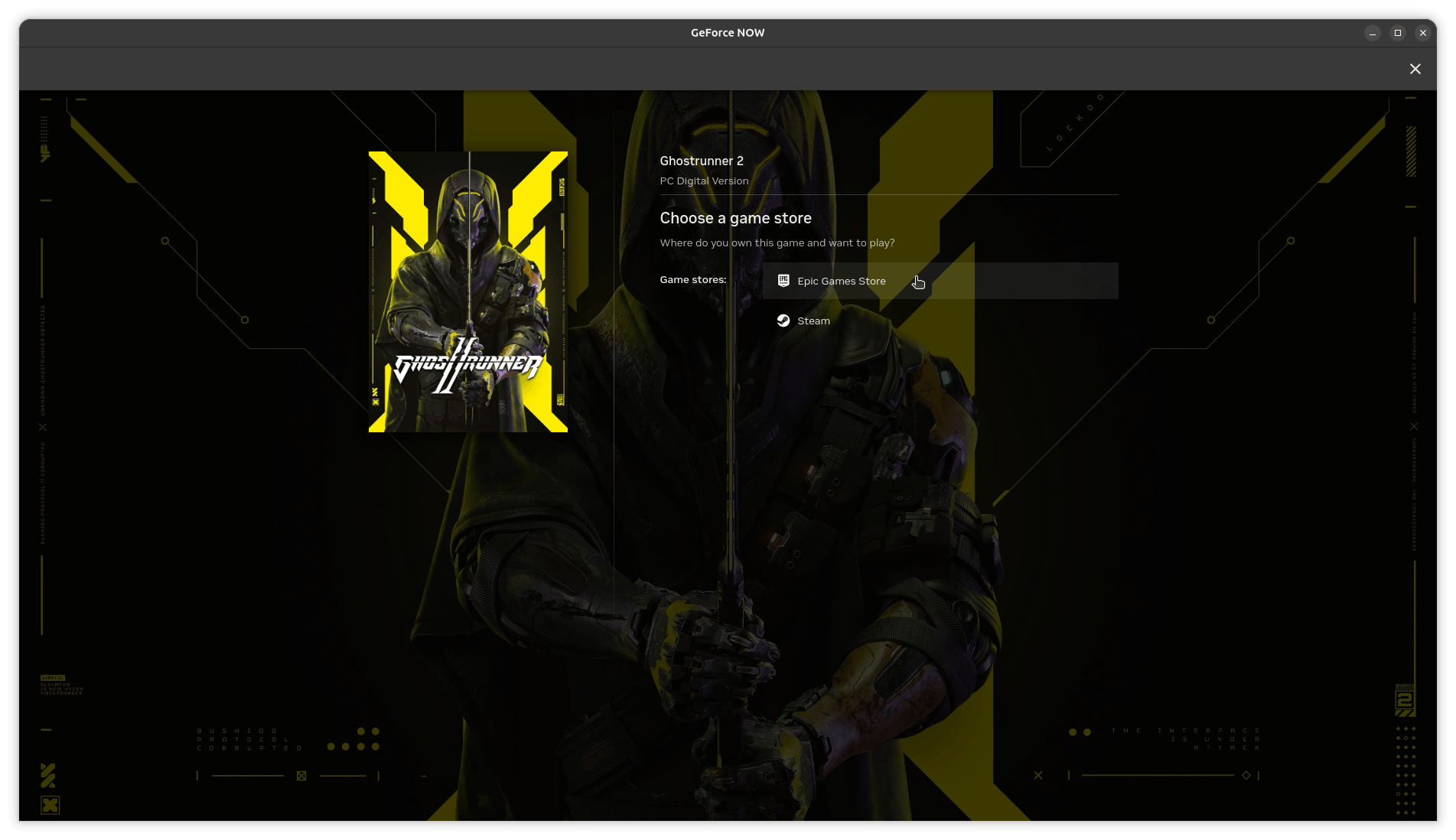
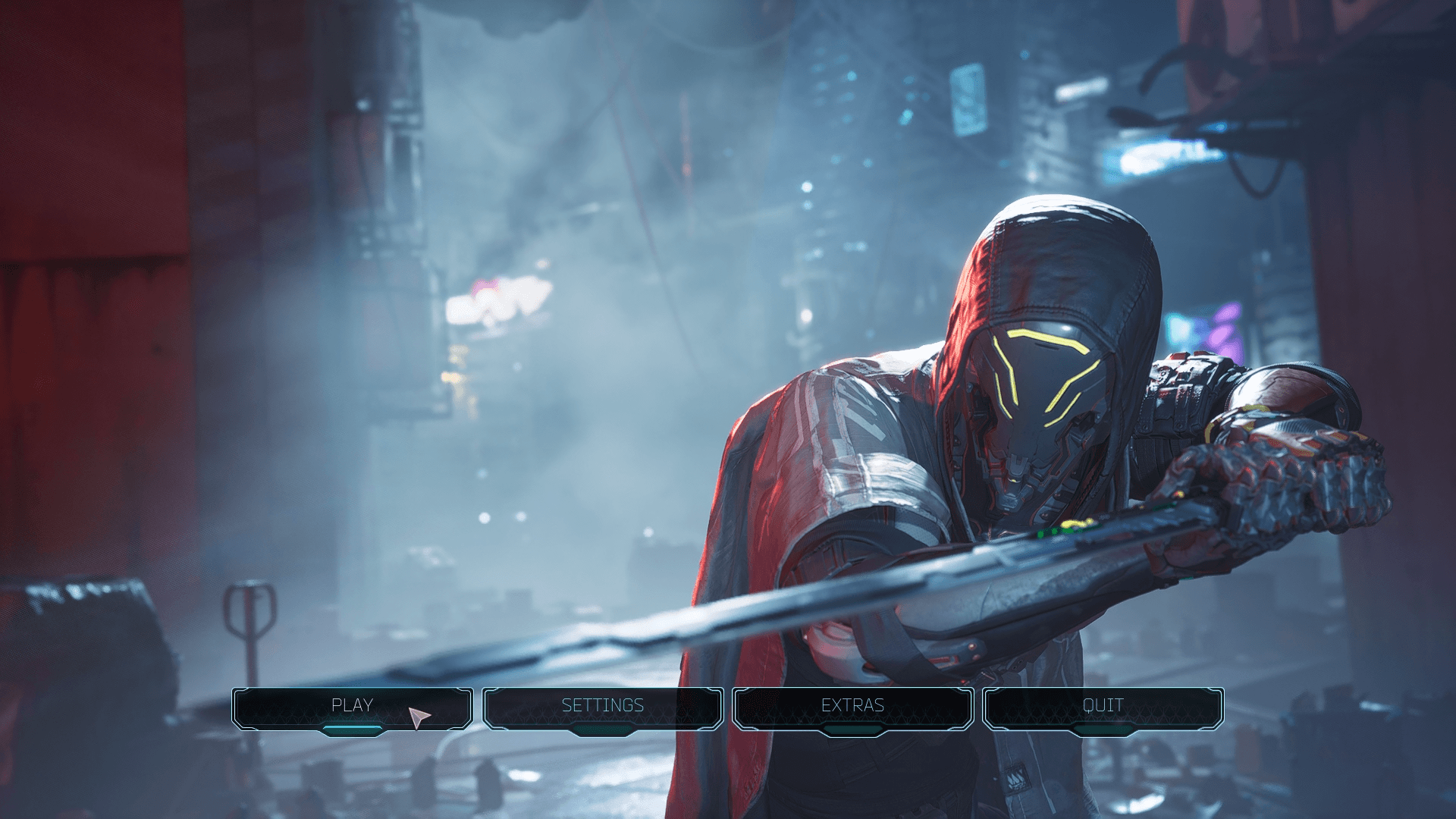
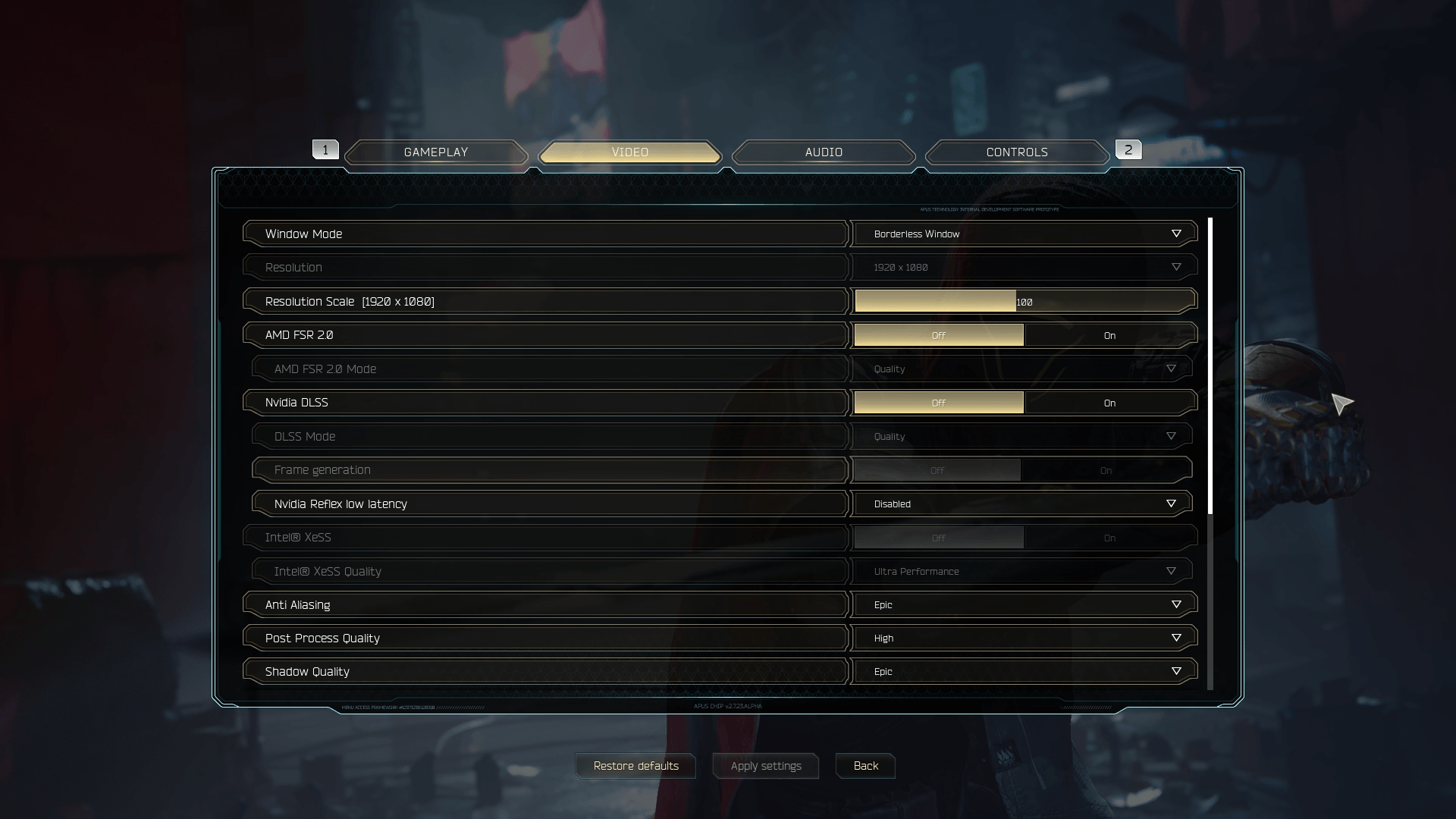
The singleplayer experience with Ghostrunner 2 further validated the utility of the platform. Unlike competitive shooters, where every millisecond of latency is critical, fast-paced action titles benefit from the stability of the cloud rig. Even without upscaling technologies like DLSS or FSR, the visual fidelity remained high, and microstutters were minimal. The ability to pause the session and have the rig remain active is a quality-of-life feature that makes the transition from local to remote gaming feel more integrated.
Implications for the Linux Ecosystem
The arrival of a native GeForce NOW client for Linux carries profound implications for the gaming market. It essentially decouples the gaming experience from the local GPU. A user running a lightweight, budget-friendly Linux laptop can now, through a subscription, access the graphical capabilities of a multi-thousand-dollar desktop.
The FOSS Dilemma
It is important to acknowledge the elephant in the room: GeForce NOW is a closed-source, proprietary service. For the Free and Open Source Software (FOSS) community, this presents a philosophical conflict. Does the convenience of access outweigh the reliance on a proprietary ecosystem? For many, the answer is a pragmatic "yes." By expanding its reach to Linux, NVIDIA is acknowledging that the platform is not merely a developer’s playground, but a legitimate consumer destination.
Addressing the "Niche" Stigma
Critics have long argued that Linux gaming is a shrinking or stagnant market. However, with the rise of the Steam Deck and the increased stability of Linux distros like Ubuntu, the narrative is shifting. NVIDIA’s move to support Linux is a business decision driven by data: there is a growing, vocal user base that refuses to switch to Windows but still desires access to AAA titles. By providing a native path to these games, NVIDIA is effectively lowering the barrier to entry for the "Linux-curious" gamer.
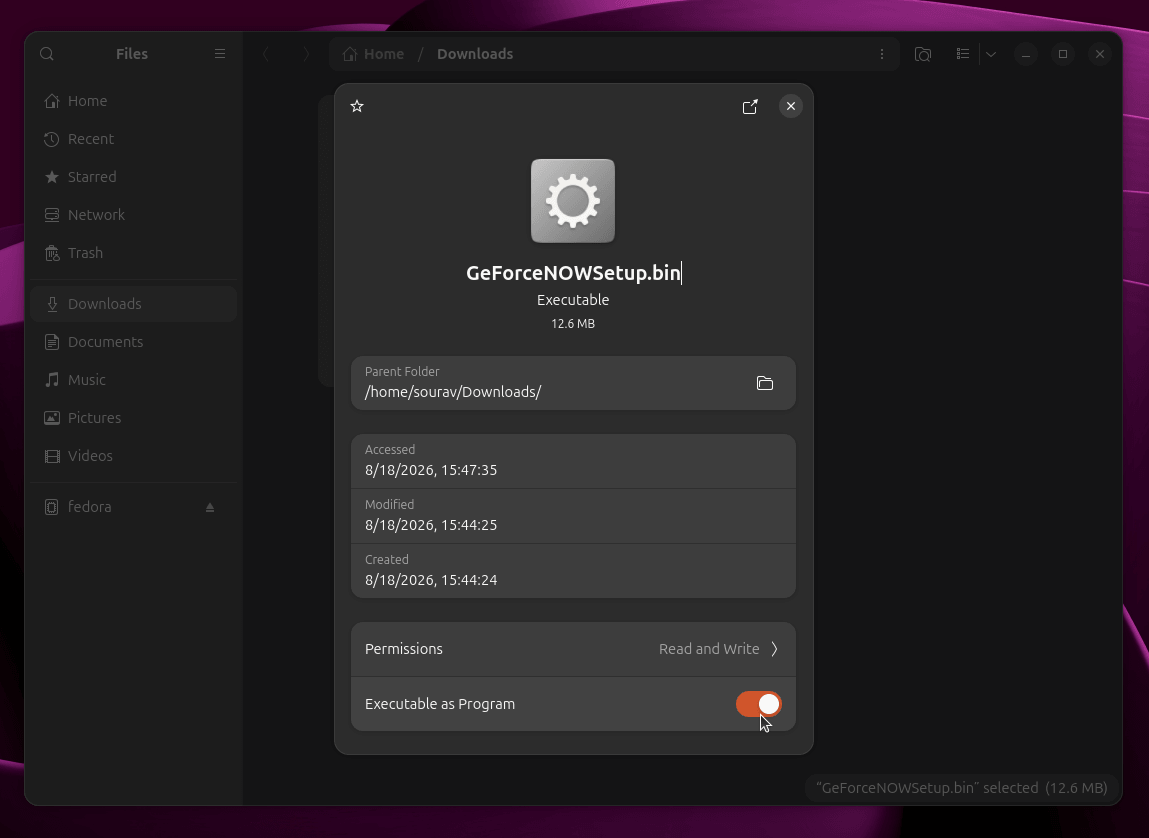
Installation and Setup: A Step-by-Step Guide
For those interested in testing the service, the process is streamlined to be as accessible as possible for the average user.
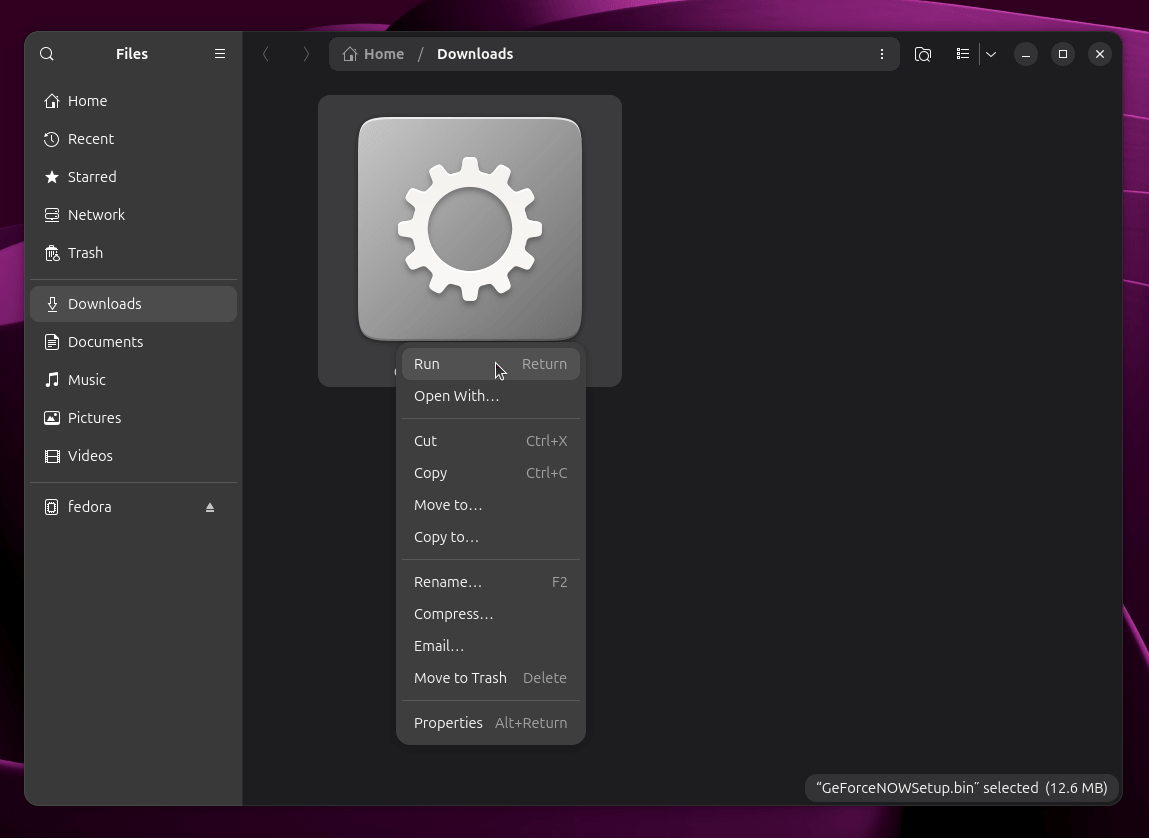
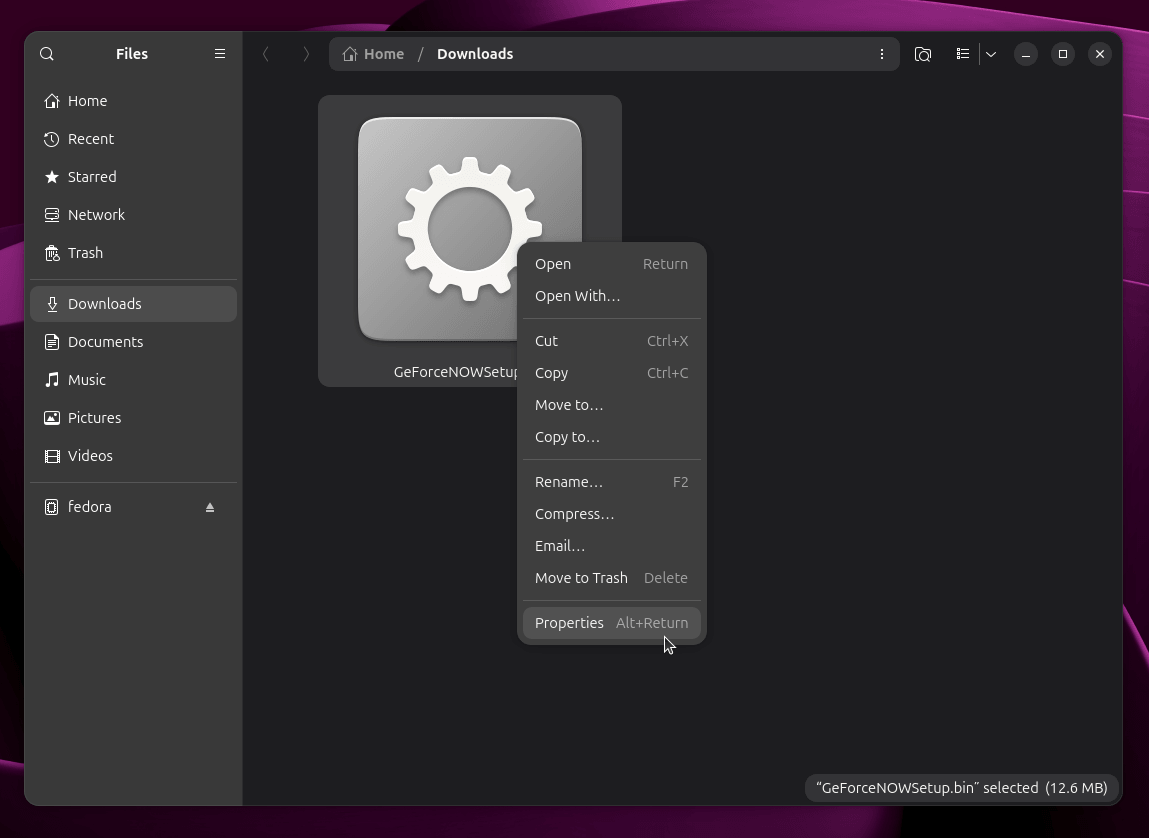
- Download: Navigate to the official NVIDIA GeForce NOW website and retrieve the
.bininstaller designated for Linux. - Permissions: Once downloaded, navigate to the file in your file manager (e.g., GNOME Files/Nautilus). Right-click the file, select Properties, and ensure that the "Executable as Program" checkbox is marked.
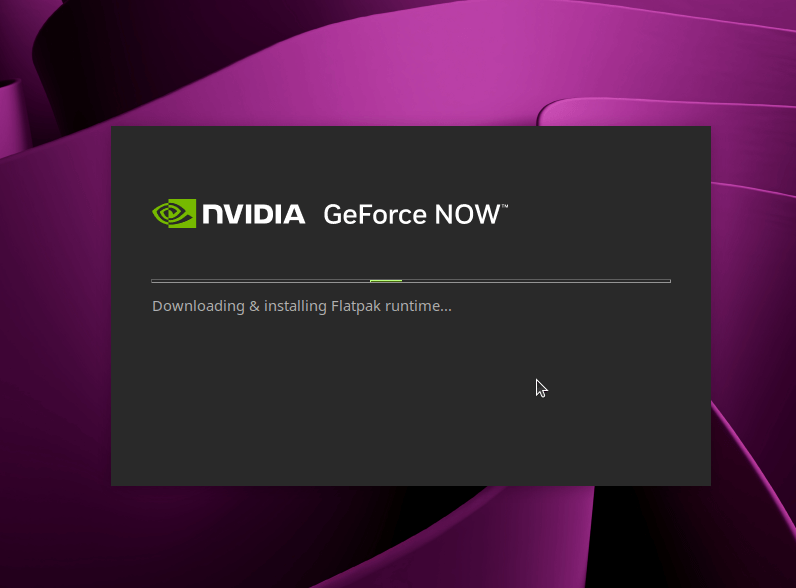
- Execution: Run the file by double-clicking or through the terminal. The installer will handle the necessary background downloads.
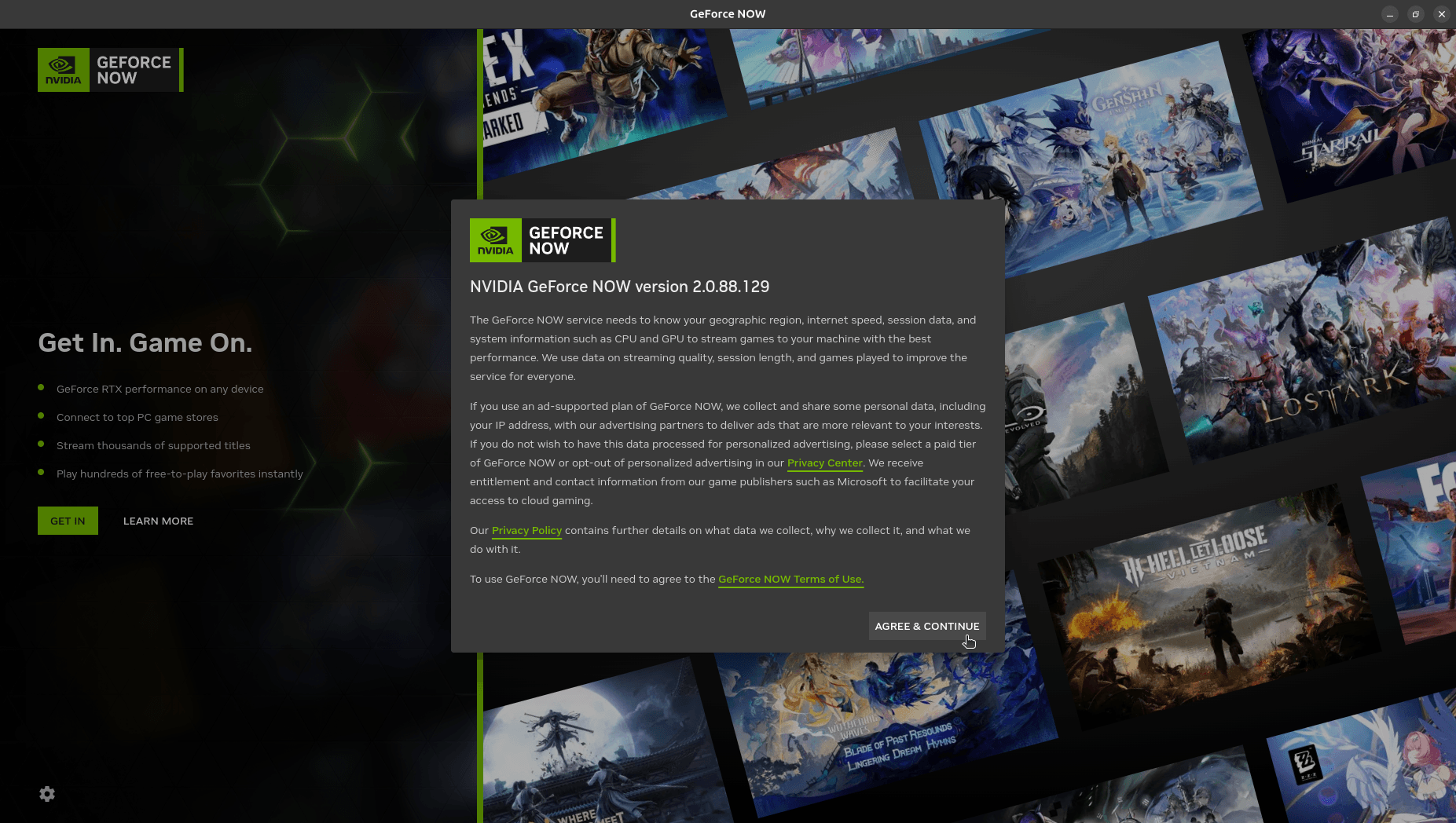
- Compliance: You will be prompted to accept the NVIDIA Privacy Policy and the Terms of Use. It is advised to review these, as they govern your interactions with the cloud infrastructure.
- Authentication: Upon launch, the client will trigger your system’s default browser to handle the secure authentication with your NVIDIA account.
- Optimization: Once logged in, use the settings menu to perform a network check. If you are using a wireless connection, be prepared for potential variability in stream quality.
Looking Ahead: The Future of Cloud Gaming on Linux
As we look toward the future, the primary critique remains the fragmentation of account management. Currently, the requirement to authenticate through multiple third-party stores (Epic, Steam, GOG) can be tedious. A more unified "one-click" authentication system would greatly improve the user experience and help the platform compete more effectively with the seamless nature of console gaming.
Furthermore, there is a clear demand for NVIDIA to extend official support beyond the Ubuntu ecosystem. With a large segment of the enthusiast community utilizing Arch Linux, Fedora, or Pop!_OS, the current limitation to Ubuntu feels like a missed opportunity to fully embrace the diverse Linux landscape.
In conclusion, the launch of the native GeForce NOW client is a watershed moment. It proves that the "second-class citizen" status of Linux gamers is rapidly eroding. While cloud gaming cannot replace the ownership model of physical hardware for everyone, it provides a powerful, high-performance alternative that bridges the gap between the Linux desktop and the world of modern AAA gaming. Whether this will lead to broader industry support remains to be seen, but for now, the path to playing high-end titles on your preferred Linux distribution has never been clearer.