Empowering the Indie Ecosystem: A Deep Dive into the Latest itch.io App Overhaul
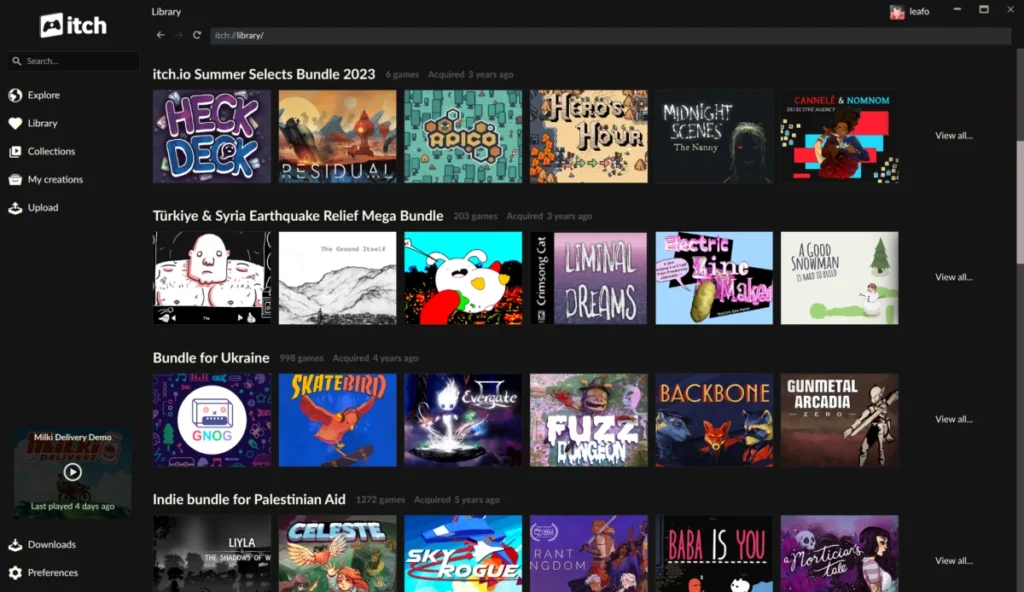
The itch.io app has long served as a vital portal for the independent gaming community, acting as a gateway to the platform’s sprawling library of eclectic, experimental, and groundbreaking titles. With the release of versions v26.15.0 and v26.17.0, the developers have delivered one of the most substantial quality-of-life updates in the application’s history. By addressing long-standing friction points—specifically regarding massive bundle management, granular control over game execution, and platform compatibility—itch.io is signaling a renewed commitment to its power-user base.
Main Facts: A New Era for Library Management
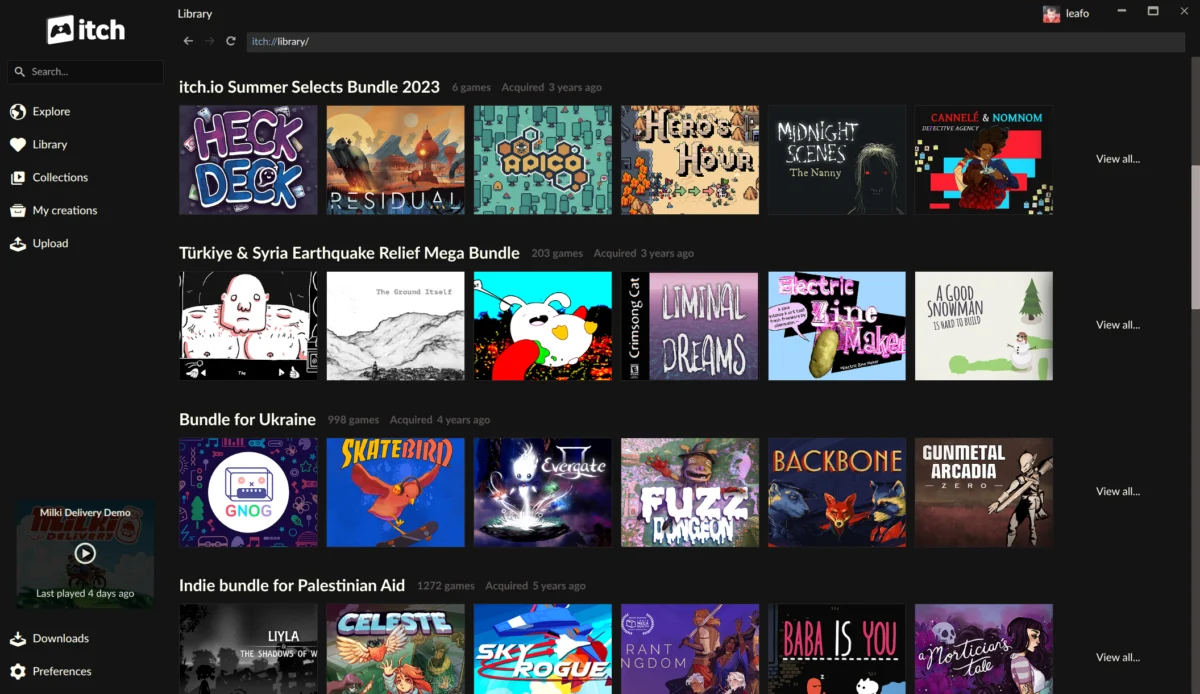
The core philosophy behind these updates is the democratization of content discovery. For years, itch.io users have grappled with the sheer scale of their libraries, particularly those who have supported major charitable initiatives. The new updates fundamentally change how the app handles "bundle ownership."
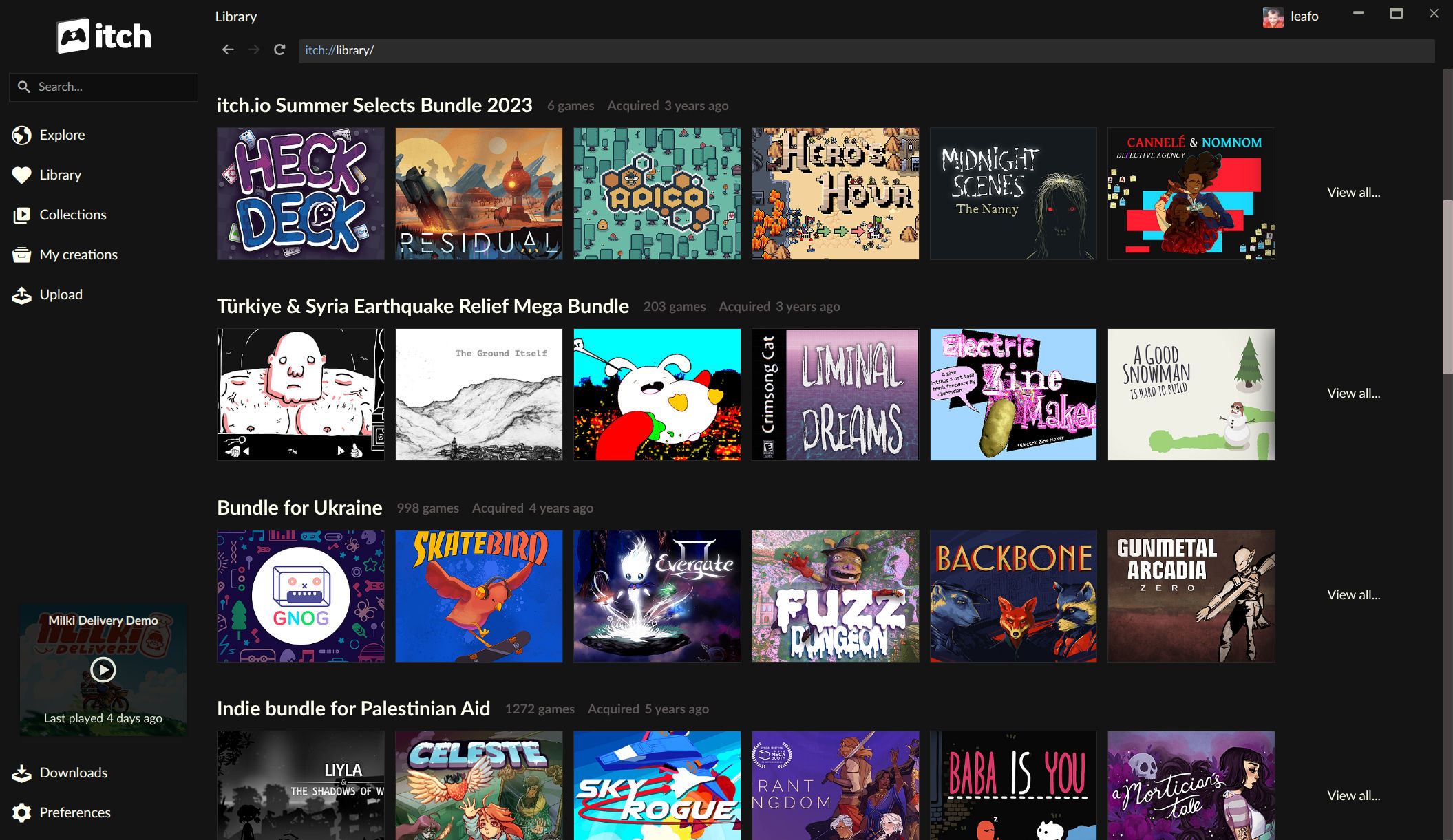
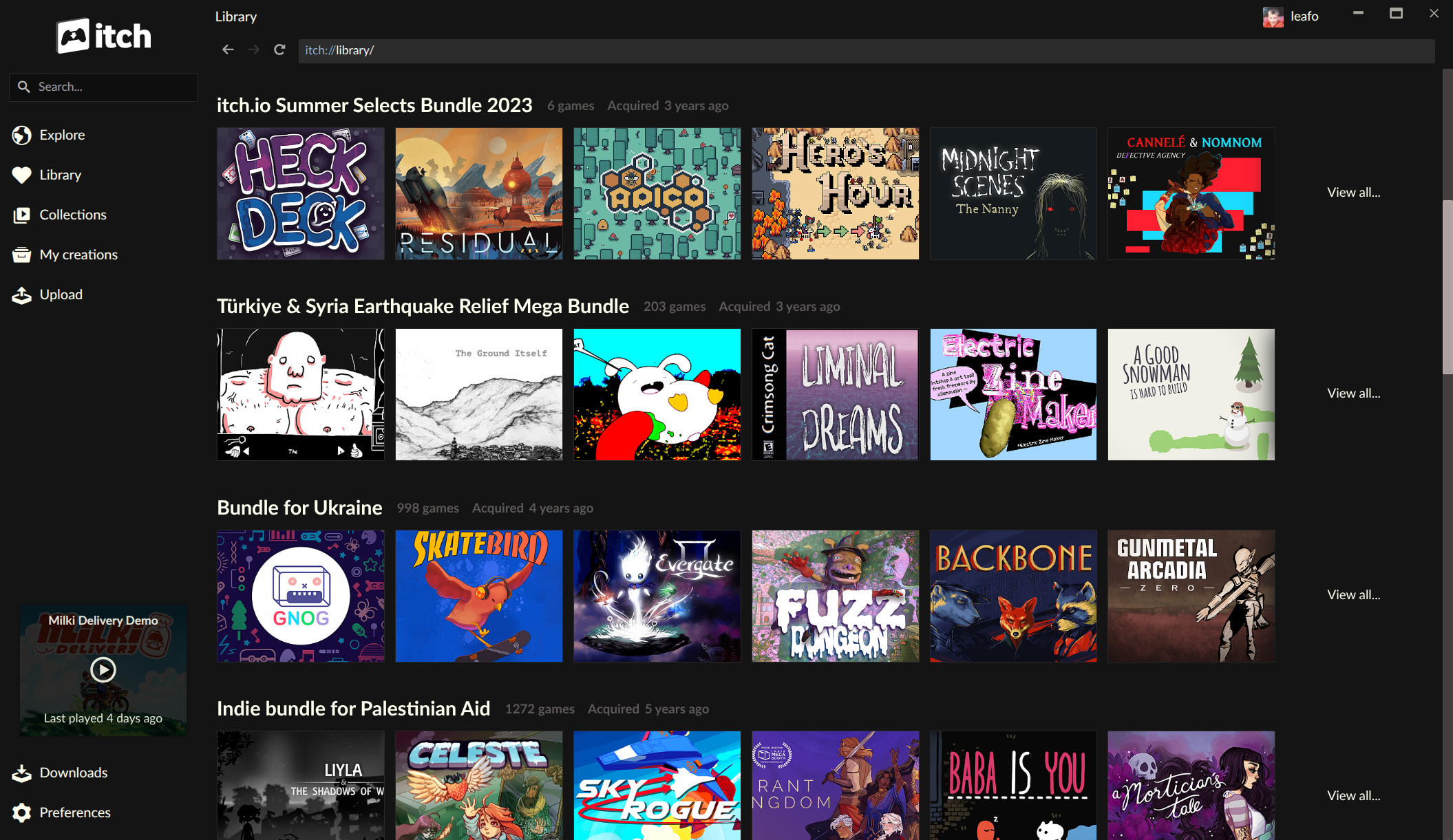
Previously, the app treated individual games within a bundle as separate entities that required manual claiming on the website before they would appear in the local client. This created a disjointed user experience. Now, the application natively recognizes bundle ownership. Users can browse their entire collection of bundles directly within the app, view contents, filter by platform or classification, and initiate downloads without ever leaving the desktop client.
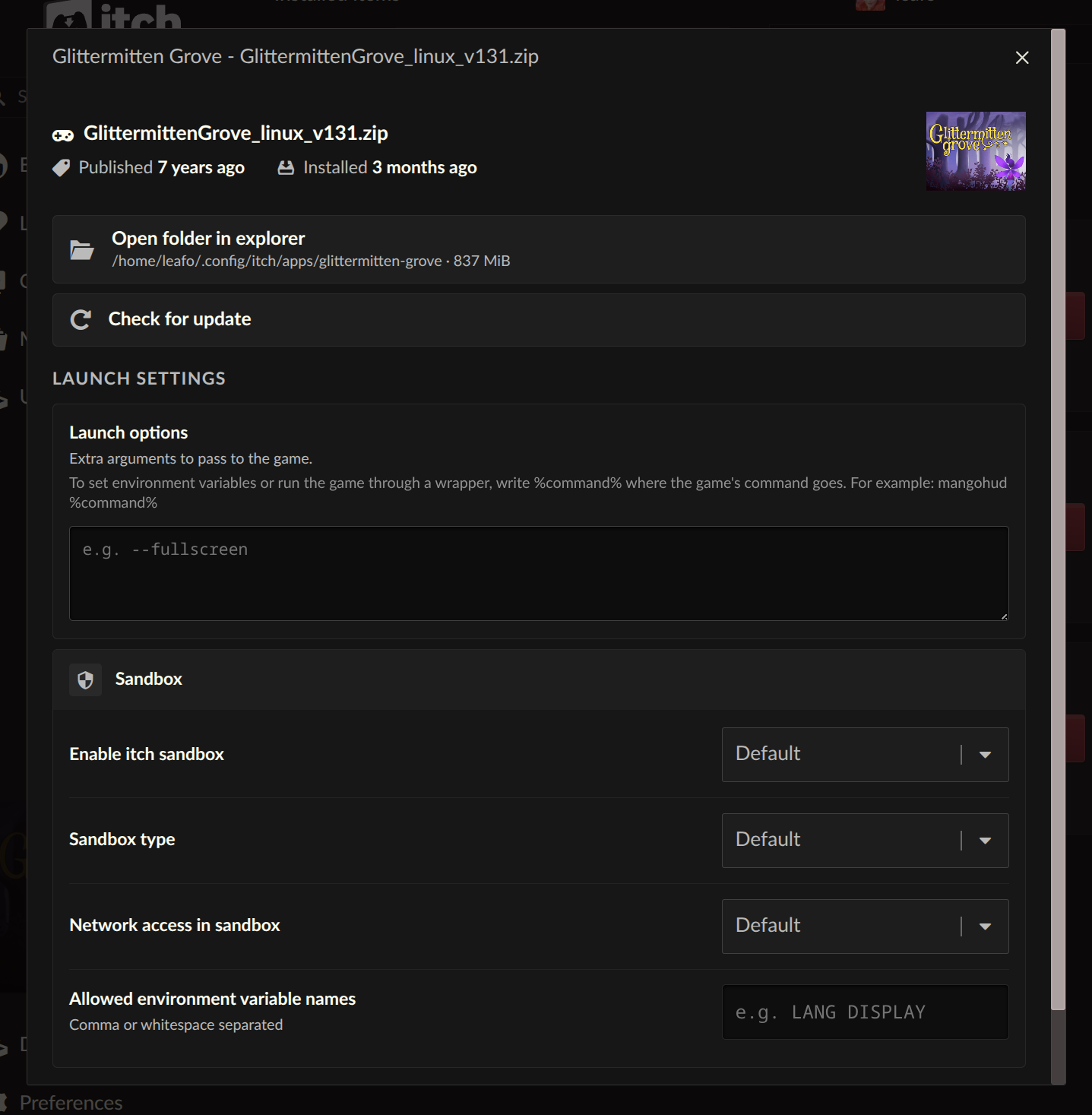
Furthermore, the update introduces "Launch Settings," a significant step forward for users who require custom configurations. By accessing the "Manage" dialog for any installed title, players can now tweak sandbox restrictions, adjust network access, and define environment variables on a per-game basis. This level of control, combined with the new "Command pattern" for launch arguments, allows for complex debugging and the use of external compatibility tools, positioning the itch.io app as a more robust launcher for power users and developers alike.
Chronology of Development and Deployment
The rollout of these features was a two-pronged effort, beginning with the release of v26.15.0, which focused on the foundational infrastructure for bundle support. Shortly thereafter, v26.17.0 was deployed to introduce the requested launch arguments and the revamped search interface.
However, the rapid deployment of new features was not without its technical hurdles. Following the initial release, a subset of macOS users reported critical stability issues, with the application entering a "crash loop" immediately upon launch. The engineering team acted swiftly to address these reports, pushing a hotfix, version v26.18.0, to stabilize the platform for Apple users. In cases where the application’s self-update mechanism was hindered by the crash, users were advised to perform a clean reinstall via the official setup program to restore functionality.
Supporting Data: Managing Massive Collections
To understand why this update was necessary, one must look at the scale of the bundles itch.io has hosted. The platform is famously known for record-breaking charitable initiatives that have redefined what digital distribution can achieve.
- The Bundle for Racial Justice and Equality: This landmark initiative featured 1,741 individual items and saw over 800,000 unique purchasers.
- The Bundle for Ukraine: An equally massive effort, this bundle contained nearly 1,000 items and garnered over 400,000 buyers.
Managing these assets posed a unique database challenge. If the system had generated individual download keys for every single item for every single user, the database would have ballooned by over a billion rows. To circumvent this, itch.io utilized a record-sharing architecture where a single ownership record covered the entire bundle, with individual keys generated only upon request. The recent app updates effectively bridge the gap between this efficient backend architecture and the user’s front-end experience, finally making these massive, multi-item bundles navigable and accessible in one place.
Official Responses and Community Engagement
The developers at itch.io have maintained an active presence in the discourse surrounding these updates, particularly regarding the aforementioned stability issues on macOS. The prompt release of v26.18.0 serves as a testament to the team’s commitment to platform reliability.
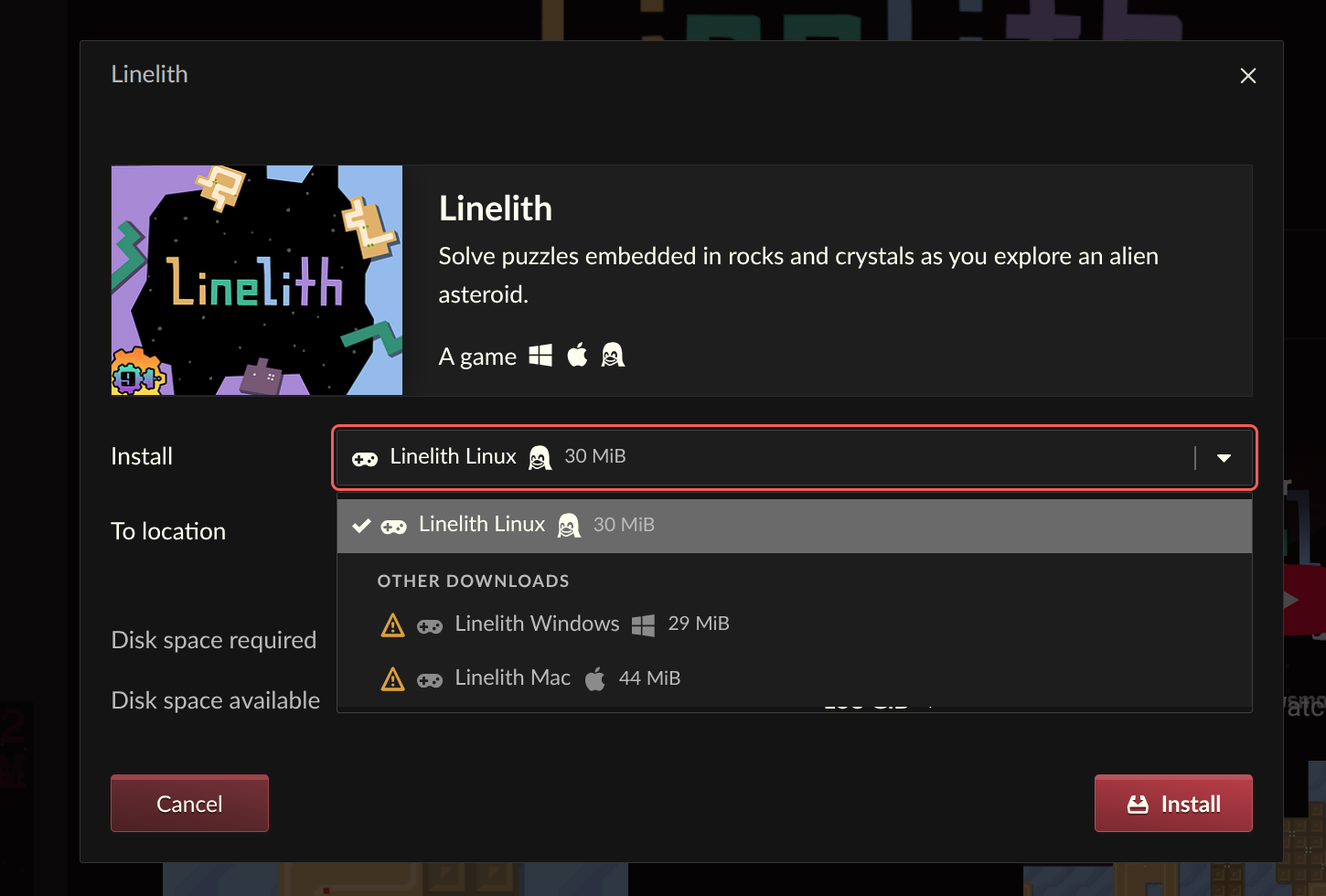
Community feedback has been largely positive, with users praising the ability to download "platform-untagged" games. This feature is particularly crucial for Linux users who utilize compatibility layers like Wine or Proton to run Windows-only executables. By allowing users to bypass the platform-tag filter, itch.io is acknowledging the reality of modern cross-platform gaming, where the line between "supported" and "playable" is often blurred by community-driven software.
In response to community queries—such as whether users can force games to launch in a standard web browser instead of the built-in app browser to utilize extensions—the developers continue to iterate, listening to these feature requests as they plan future patches. The transparency of the GitHub issue tracker remains a key component of this relationship, allowing the community to track development progress in real-time.
Implications: The Future of the itch.io App
The implications of these updates extend beyond simple convenience. By providing granular launch settings and improved library navigation, itch.io is evolving from a simple storefront into a sophisticated game management platform.
Enhanced User Autonomy
The ability to access non-native platform downloads is a major shift. By removing the restrictive tagging system, itch.io empowers the user to troubleshoot and customize their experience. If a developer has neglected to tag a Linux build, or if a user wishes to experiment with a specific build version, they are no longer barred by an arbitrary software gatekeeper.
Professionalization of Indie Distribution
The revamp of the sidebar search and the cleanup of the library page indicate that itch.io is investing in the scalability of its platform. As the library of available games continues to grow into the millions, search efficiency becomes paramount. The transition away from a confusing, API-reliant autocomplete towards a more robust, site-integrated search experience shows that the company understands the value of discoverability.
A Stronger Foundation for Developers
For developers, these changes provide a more reliable way to distribute complex projects. With the "Command pattern" for launch arguments, developers can provide specific instructions to users for running games in windowed mode, debugging mode, or with specific graphical settings enabled by default. This reduces the support burden on individual developers and enhances the perceived professionalism of their titles.
Conclusion: A Platform in Maturity
The recent updates to the itch.io app represent a significant maturation of the platform. By focusing on the needs of the "power user"—those who own thousands of games, those who tinker with command-line arguments, and those who use compatibility layers—itch.io is reinforcing its position as the premier home for independent gaming.
While the initial deployment on macOS faced some instability, the team’s swift response and the overall utility of the new features suggest a bright future for the application. As the platform continues to grow, the ability to manage, organize, and execute games with precision will remain the bedrock of the itch.io experience. Whether you are a casual player looking to finally organize your bundle collection or a dedicated tinkerer looking for more control over your software, these updates provide the tools necessary to make the most of your digital library.
As we look toward future updates, the community can expect continued refinements to the search interface, library organization, and perhaps even more advanced integration features that further blur the lines between the web-based store and the desktop client. For now, the latest version of the itch.io app is a significant leap forward, proving that the platform is more than just a place to buy games—it is a place to play them, manage them, and truly own them.