The Great Deindexing: How Pressure from Payment Processors Reshaped the Future of itch.io

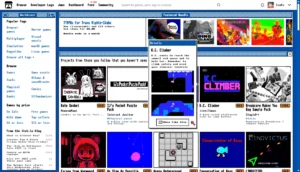
In a move that has sent shockwaves through the independent gaming community, the open-marketplace platform itch.io announced on July 28, 2025, that it has "deindexed" all adult-oriented, NSFW (Not Safe For Work) content from its browse and search discovery tools. This drastic policy shift marks a turning point for one of the internet’s most prominent hubs for independent and experimental game development, highlighting the fragile relationship between digital creative freedom and the rigid compliance standards of global financial institutions.
The Catalyst: A Campaign of Scrutiny
The roots of this sudden policy shift lie in the intersection of advocacy and corporate risk management. The pressure began mounting following a controversy surrounding No Mercy, a title that was briefly hosted on the itch.io marketplace before being banned in April 2025.
Following the removal of the title, the advocacy group Collective Shout launched a coordinated campaign targeting both Valve’s Steam and itch.io. The group directed its efforts toward the payment processors facilitating transactions on these platforms, arguing that the nature of certain user-generated content (UGC) violated the acceptable use policies of major financial services.
For a platform like itch.io, which prides itself on being an open, creator-first environment, this scrutiny proved to be an existential threat. When payment processors—the intermediaries that allow creators to earn a living—begin to flag a platform, the risk is not merely regulatory; it is a total cessation of business operations.
Chronology of the Crisis
The rapid escalation of these events left the itch.io team with little room for maneuver. The timeline of the "deindexing" reflects the urgency of the situation:
- April 2025: The game No Mercy is identified, reviewed, and subsequently banned from the platform.
- July 2025: Collective Shout initiates a public campaign pressuring payment processors (Stripe, PayPal, etc.) to evaluate their relationships with platforms hosting NSFW content.
- July 28, 2025: itch.io officially announces the immediate deindexing of all adult NSFW content from discovery pages. An Addendum FAQ is published simultaneously to address the rising tide of user feedback.
- July 31, 2025: The platform initiates a comprehensive reindexing process, signaling that the platform is moving toward a more curated, compliance-heavy model for adult content.
The Architecture of an "Open" Platform
A central point of confusion for many users has been why itch.io’s response appeared more severe than that of industry giant Valve (Steam). In their official response, the itch.io team provided a detailed breakdown of the structural differences between the two.
The "Closed" vs. "Open" Model
Steam operates as a "closed" storefront. Every single product page undergoes a review process before it is permitted to go live. Because Valve exerts control over the initial publication, they can perform a surgical, case-by-case evaluation of content.
Conversely, itch.io is a "User-Generated Content" (UGC) platform. With over two million product pages, the platform was built on the ethos of minimal barriers to entry. The system was never designed to act as a gatekeeper for every individual asset. When faced with the threat of losing payment processing, itch.io could not rely on existing tags—which are often self-reported by users—to satisfy the demands of banks and processors. A broad, platform-wide audit was deemed the only way to ensure the company’s survival.
The Power Imbalance
Furthermore, the size of the company plays a significant role. Unlike multibillion-dollar entities that can lobby, negotiate, or absorb the cost of changing processors, itch.io is a relatively small team with limited leverage. The threat of being "de-banked" by entities like PayPal or Stripe represents an existential risk not just to the platform, but to the thousands of creators who rely on it for their primary income.
Implications for Creators and Consumers
The immediate fallout of these changes has been a mixture of panic, frustration, and misunderstanding, particularly regarding library access and future payouts.
Library Access and Ownership
A significant concern for users was the potential loss of purchased content. itch.io has been quick to clarify that "deindexing" does not mean "deletion." Content that has been deindexed remains accessible to those who have already purchased it.
However, some pages have been flagged with a "content notice," indicating that the platform can no longer support the business relationship with those specific creators. Even in these cases, the platform maintains that if a user has previously purchased or received a key for a product, the files remain in their library—provided the creator has not opted to remove the files themselves.
For the user base, this has served as a stark reminder of the limitations of digital distribution. The official stance from itch.io is one of personal agency: "I personally recommend you maintain control over the content you own. itch.io is a DRM-free platform from day 1 for this reason. Download and backup your games and don’t let any corporation dictate what you can own."
The Future of Payouts
Regarding the fear that earnings might be seized, itch.io has clarified that their existing policy regarding "infringing accounts" is intended for bad-faith actors—such as those distributing illegal content—rather than legitimate adult content creators. The current situation is viewed as a unique "compliance event," and the company has stated they have no interest in withholding the earnings of creators who are working to comply with the new, stricter guidelines.
A New Era of Compliance
As of the latest updates, itch.io is in the process of auditing its entire library. Moving forward, the platform is introducing new measures that will likely change the landscape of adult content on the site:
- Stricter Age-Gating: Mandatory, verified age-gating will become a prerequisite for viewing or purchasing adult-themed material.
- Compliance Affirmation: Creators will be required to affirmatively confirm that their content adheres to the acceptable use policies of the specific payment processors linked to their accounts.
- Refined Policy Lists: While the platform acknowledges that providing a list of "prohibited themes" is fraught with semantic difficulties, they have published such a list to guide creators. This serves as a warning to developers that the platform is now, by necessity, a "walled garden" regarding financial compliance.
Conclusion: The Fragility of Digital Independence
The situation at itch.io is not an isolated incident but rather a symptom of a larger trend in the digital economy. As payment processors and financial institutions assume a more active role in policing the morality and content standards of the internet, platforms that rely on these processors find themselves forced into roles they were never designed to fill: that of censors and auditors.
For itch.io, the path forward is narrow. The company is actively seeking alternative payment partners who are more amenable to hosting diverse content, but until those partnerships are secured, the platform must walk a tightrope between its mission of creative freedom and the harsh reality of corporate financial requirements.
For the community, the message is clear: the era of unchecked, "open" publishing on major platforms is becoming increasingly constrained by the influence of third-party financial institutions. Whether this leads to a migration to more decentralized, crypto-native, or private distribution methods remains to be seen. In the meantime, itch.io continues to ask for patience as it attempts to navigate a storm that threatens to redefine the very nature of the independent games market.