Empowering the Indie Ecosystem: itch.io Announces Annual Creator Day and Black Friday Extravaganza
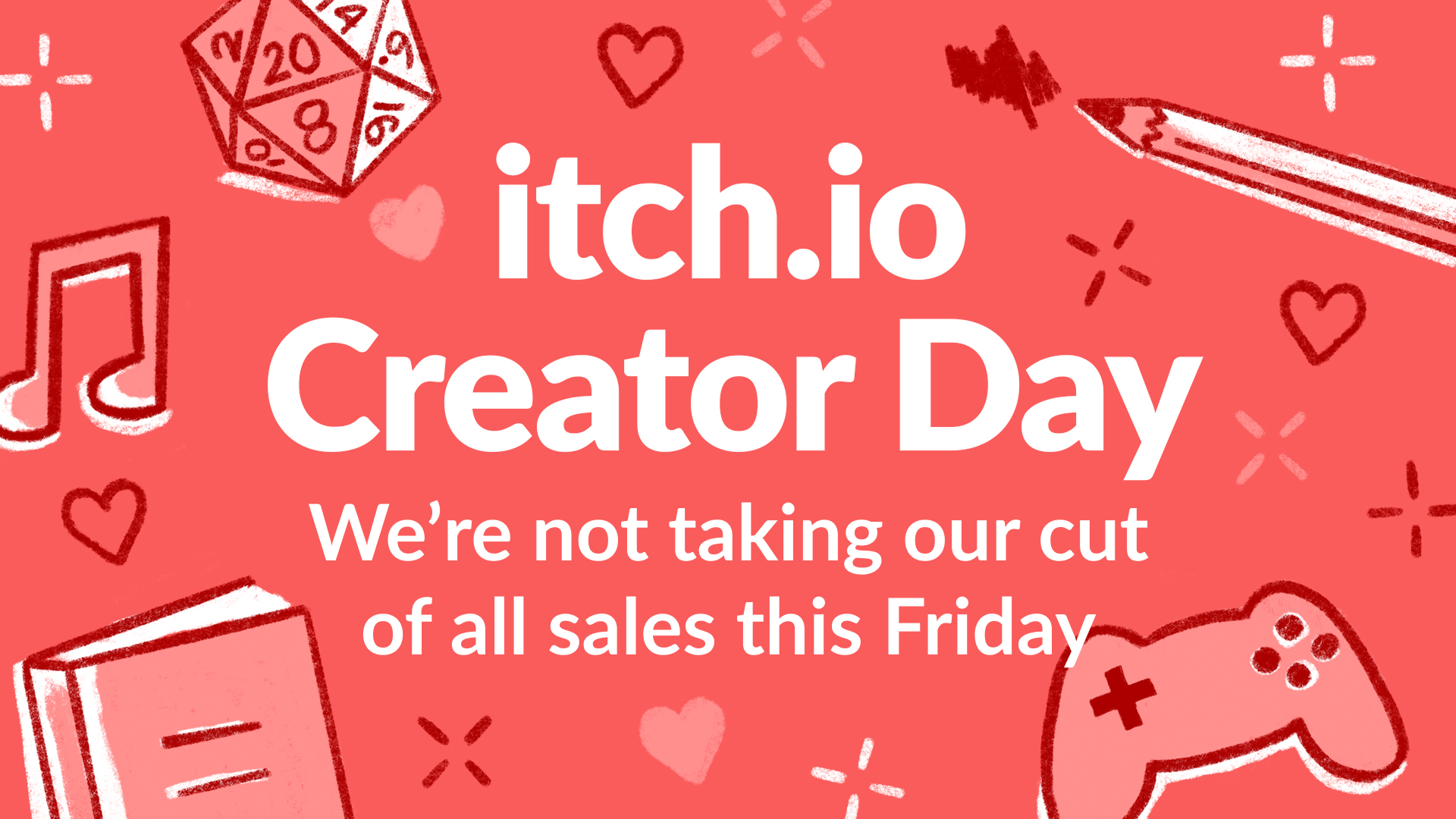
The digital landscape for independent game development is set to shift this Friday, November 28, as itch.io—the premier platform for indie games, assets, and creative software—launches its highly anticipated "Creator Day." In a move designed to maximize direct financial support for developers, the platform will waive its entire commission fee for a 24-hour window. This initiative, now a cornerstone of the itch.io calendar, coincides with the commencement of the platform’s massive 2025 Black Friday sale, creating a unique synergy between consumer discounts and developer profitability.
The Core Objective: Maximizing Developer Revenue
At the heart of the itch.io mission statement lies a commitment to the "open web" philosophy, where creators retain autonomy over their distribution and pricing. On Friday, November 28, from 8:00 AM UTC to 8:00 AM UTC the following day (midnight to midnight Pacific Time), the platform will implement a zero-percent revenue share model.
In standard retail environments, platform holders typically extract a cut—ranging from 12% to 30%—to cover hosting, payment processing, and infrastructure maintenance. During Creator Day, itch.io effectively removes its slice of the pie, ensuring that every dollar spent by a customer goes directly into the pocket of the creator. This represents a significant boost for developers, particularly for those working in the micro-indie and solo-developer sectors, where margins are often razor-thin. By prioritizing the creator’s take-home pay, itch.io is positioning itself not merely as a marketplace, but as a benefactor of the independent art scene.
A Chronology of the Event
The 2025 event follows a carefully structured timeline designed to sustain momentum across the holiday weekend:
- November 28 (08:00 UTC): The official commencement of Creator Day. The platform fee waiver activates globally, and the Black Friday site-wide sales go live.
- November 29 (08:00 UTC): Creator Day concludes. The platform reverts to its standard revenue-share model, though site-wide sales continue.
- November 29 – December 3: The "Extended Sale" period. While the fee waiver expires, thousands of projects remain discounted, allowing users to continue supporting developers at reduced price points.
This tiered approach is a strategic maneuver. By clustering the highest-value transactions within the first 24 hours, itch.io incentivizes its community to make their purchases early, effectively turning the Friday launch into a high-intensity period of support for the indie developer community.
The Scale of the 2025 Black Friday Initiative
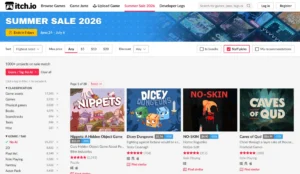
The sheer volume of participation for this year’s sale highlights the health and growth of the itch.io ecosystem. Management has confirmed that over 15,000 individual projects—ranging from full-scale experimental games and narrative adventures to technical assets, music packs, and developer tools—have been registered for the sale.
This figure is indicative of a broader trend: the democratization of game development. Unlike major console storefronts, where visibility is often gated by intensive marketing budgets or corporate curation, itch.io’s sale allows any creator, regardless of their reach, to participate in a global shopping event. For a solo developer who has spent months polishing a prototype or a small team releasing their first commercial asset pack, the exposure provided by a site-wide sale is invaluable.
Industry Implications and Community Sentiment
The announcement has sparked a wide-ranging conversation within the itch.io community, reflecting the complex nature of modern digital platforms.
The Support Perspective
For many, Creator Day is the gold standard of ethical digital distribution. Supporters of the platform frequently cite the "zero-fee" day as a major differentiator between itch.io and monolithic competitors like the Unity Asset Store or Steam. Users have expressed a desire to shift their purchasing habits away from traditional corporate channels and toward independent platforms that show a clear commitment to the creator’s bottom line.
"I’ll always buy my game assets from here instead of larger corporate stores," notes one prominent community member. "The spirit of the event makes you feel like you are actually funding someone’s dream rather than just adding to a corporate quarterly report."
The Critique and The Challenge
However, the platform is not without its detractors. Recent discourse on the site’s forums has surfaced concerns regarding the long-term sustainability of the platform’s business model. Critics point to the challenges of navigating payment provider restrictions, site moderation, and the feeling that, at times, the platform’s technical infrastructure fails to keep pace with its user growth.
The dialogue between users, such as those debating the definition of "based" and the ethics of platform management, highlights a crucial aspect of the itch.io culture: it is a community that is deeply invested in the platform’s success and vocal about its failings. This feedback loop is essential. While the site administration faces pressure to address issues ranging from comment moderation to payment policy, the existence of a day dedicated to financial support serves as a bridge, keeping the community tethered to the platform even during periods of administrative friction.
Why This Matters: The Economics of the Indie Sector
The economic reality for independent developers is harsh. Most projects fail to gain traction in an increasingly saturated market. When a developer sells a game for $10, losing $3 to a platform fee can feel punitive, especially when that money could have gone toward server costs, software licenses, or even basic living expenses.
By waiving these fees, itch.io creates a "support-first" culture. It transforms a standard retail transaction into an act of patronage. For a developer, a surge of sales on Creator Day can mean the difference between abandoning a project and having the runway to continue development for another three to six months. This financial breathing room is the true value proposition of the event.
Looking Toward the Future
As the gaming industry faces widespread layoffs and a contraction in venture capital, the importance of platforms that prioritize direct-to-creator revenue cannot be overstated. The 2025 iteration of Creator Day is not just a sale; it is a stress test of the community’s willingness to support its own.
With 15,000 projects participating, the platform is effectively hosting the largest indie game festival of the year. The success of this event will likely determine the roadmap for itch.io in 2026. If the engagement metrics remain high, it serves as a powerful signal to the industry that the "indie-first" approach is not just a niche preference, but a viable, long-term economic model for the digital age.
Conclusion: A Call to Action
For the average user, November 28 presents a simple opportunity: to buy games and tools at a discount while ensuring that the creators keep every cent of the purchase price. As the holiday season approaches, the choice of where to spend discretionary income carries weight. By choosing to shop on itch.io this Friday, consumers are casting a vote for a more equitable, creator-focused future for the gaming industry.
As the community looks toward the weekend and the subsequent days leading up to December 3, the message is clear: support the developers, explore the thousands of projects on offer, and participate in a movement that puts the artist back at the center of the creative economy. Whether you are a developer looking for assets or a player searching for your next favorite indie gem, this Friday represents the best opportunity of the year to make your support count.