Engineering Elegance: Solving the Motorcycle Fuel Access Dilemma with Custom Fabrication
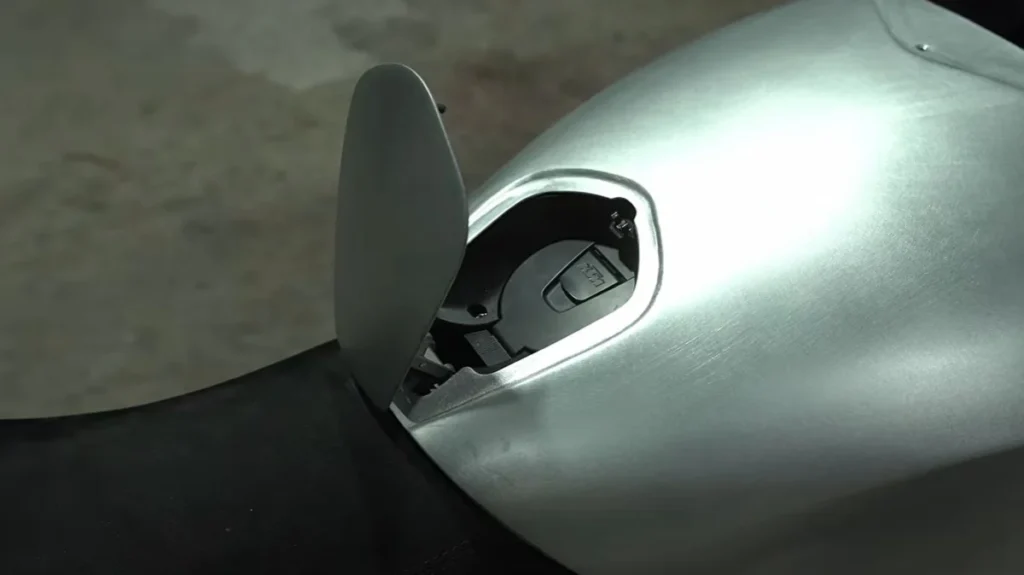
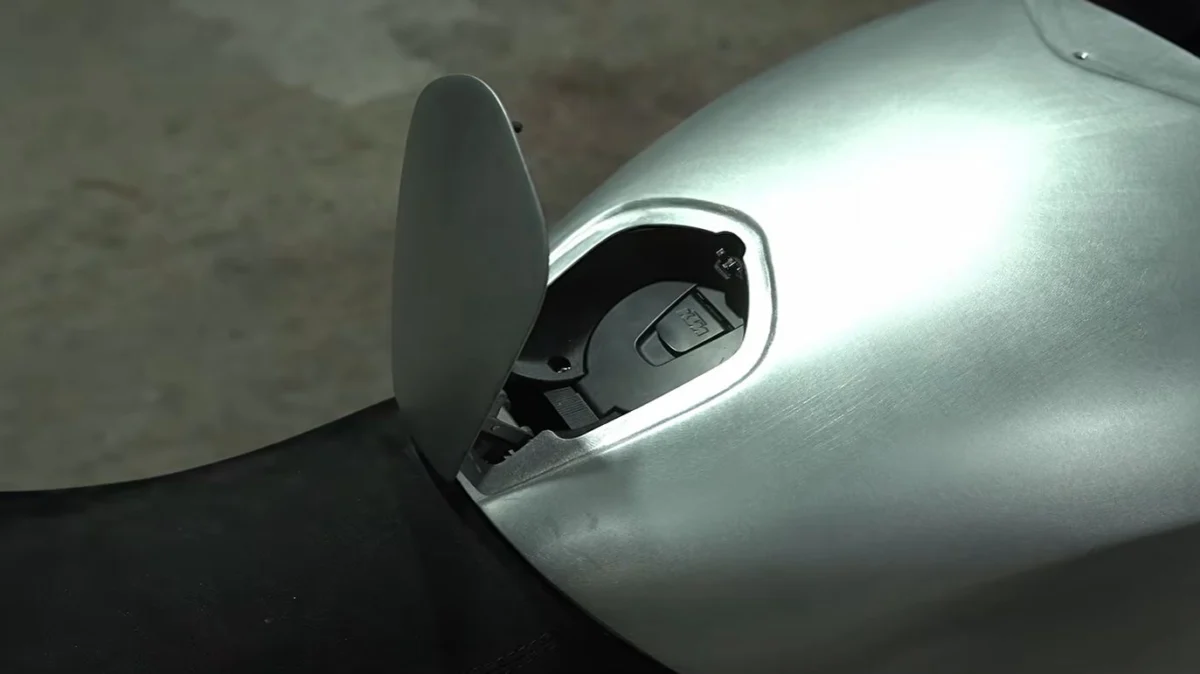
In the world of custom motorcycle building, the pursuit of aesthetic perfection often collides with the harsh realities of mechanical necessity. When a builder chooses to push the boundaries of design, they frequently find themselves navigating complex engineering obstacles that factory engineers never had to consider. For YouTube creator and fabricator [KRTframework], a recent project involving a KTM motorcycle presented exactly this type of challenge: how to maintain a sleek, uninterrupted silhouette while relocating the fuel filler cap beneath newly extended bodywork.
The result of this design quandary is a masterclass in modern fabrication, blending 3D scanning, additive manufacturing, and custom mechanical design to create a seamless, hidden access panel. This project serves as a compelling case study in how the “maker” movement is fundamentally changing the landscape of vehicle customization.
The Genesis of the Problem: Form vs. Function
The core of the issue originated from an ambitious bodywork modification. In an effort to reshape the motorcycle’s profile, KRTframework extended the tank cover forward. While this successfully achieved the desired visual line, it effectively entombed the fuel cap beneath the new fiberglass or carbon fiber assembly.
Standard automotive solutions—such as off-the-shelf fuel doors or aftermarket marine hinges—were discarded early in the planning phase. These solutions, while functional, often impose bulky footprints or require significant interior clearance that simply wasn’t available within the cramped confines of the bike’s tank cavity. The objective was clear: the access panel needed to be invisible when closed, yet provide wide, unobstructed access to the fuel cap when opened. Most importantly, the mechanism had to operate with a smooth, premium feel that matched the high-performance nature of the KTM platform.
Chronology of the Build: From Digital Scan to Physical Prototype
The project’s workflow offers a roadmap for modern vehicle modification, heavily reliant on the "digital twin" philosophy.
Phase 1: Digital Acquisition
The process began with 3D scanning the relevant area of the bike. By utilizing a high-resolution 3D scanner, the builder was able to capture the complex, compound curves of the motorcycle’s frame and tank area. This digital point cloud served as the foundation for the CAD (Computer-Aided Design) phase. Without this data, the builder would have been forced to rely on manual measurements and cardboard templates, a process prone to human error and misalignment.
Phase 2: CAD Development
With the scan data imported into design software, KRTframework began the iterative process of designing the access panel and its accompanying hinge. The primary constraint was "swing clearance." Because the panel had to clear the surrounding bodywork without scraping the paint or binding, the hinge couldn’t be a simple pivot. It required a multi-link or offset pivot point to ensure the panel moved away from the aperture before swinging open.
Phase 3: Additive Manufacturing and Testing
The builder utilized 3D printing to validate the hinge geometry. By printing functional prototypes in high-strength polymers, they could test the motion, identify potential binding points, and refine the tolerances. This stage allowed for rapid experimentation that would have been prohibitively expensive and time-consuming using traditional subtractive machining methods.
Phase 4: Integration
Once the hinge design was finalized, the builder integrated a push-to-open latch mechanism into a 3D-printed housing. This housing was specifically contoured to bridge the gap between the underside of the access panel and the fuel filler neck, ensuring a clean aesthetic while providing structural integrity to the latch point.
Supporting Data: Mechanical Complexity and Material Selection
The hinge mechanism is a testament to the benefits of custom design. Unlike a standard door hinge, this unit is engineered to manage a specific "arc of travel." In technical terms, the hinge functions similarly to a high-end kitchen cabinet soft-close mechanism, though on a much smaller scale.
The Kinematics of the Hinge
The hinge design allows for a significant range of motion. When the user initiates the push-to-open sequence, the panel is pushed outward by the latch spring. As it clears the primary housing, the linkage allows it to swing nearly 90 degrees away from the filler neck. This is critical; if the hinge lacked sufficient travel, the fuel nozzle would strike the edge of the access panel during refueling, risking damage to the paintwork or the hinge itself.

The Role of 3D Printing
The use of 3D printing is not merely a convenience; it is a structural choice. The builder chose materials capable of withstanding the vibrations and thermal cycles associated with a motorcycle’s fuel tank area. The integration of the latch housing into the hinge assembly demonstrates a "part consolidation" strategy, reducing the number of fasteners required and simplifying the final assembly.
Community Reception and Technical Critique
Following the release of the video documentation, the project ignited a spirited debate within the engineering and maker communities. As is common in public fabrication projects, viewers provided a mixture of praise and constructive criticism.
The “Accidental Opening” Concern
A recurring point of contention in the comment sections centered on the push-to-open latch. Several viewers pointed out that if the latch mechanism is too sensitive, road vibration or an accidental bump could cause the panel to spring open during high-speed riding. While the builder has not yet reported any issues with the mechanism during testing, this critique highlights a common failure mode in custom automotive hardware.
Design Integrity
Conversely, many professional fabricators praised the "clean lines" approach. The fact that the panel is virtually undetectable when closed is a major accomplishment. In the world of custom bikes, “hidden” is the gold standard of aesthetic work. The ability to achieve this without compromising the fuel tank’s integrity or the rider’s ability to refuel quickly is widely seen as a success.
Implications for the Future of Vehicle Modification
The KRTframework project is more than just a creative solution for a KTM owner; it is a glimpse into the future of automotive customization.
The Democratization of Custom Fabrication
Ten years ago, a project of this nature would have required a professional machine shop, expensive CNC equipment, and months of labor. Today, the combination of affordable desktop 3D scanners and high-quality resin or filament printers has leveled the playing field. Builders can now conceive, design, and manufacture complex mechanical parts in their own garages.
The Shift Toward Modular Customization
This project also illustrates a shift toward modularity. By creating a custom hinge housing that attaches to the bike, the builder has created a system that can be repaired or replaced independently. If the hinge ever fails, the CAD files remain, allowing for an identical replacement to be printed at any time. This sustainability is a significant advantage over "one-off" hand-fabricated parts that are impossible to replicate.
Professional Standards in Home Fabrication
The level of detail KRTframework has applied to the assembly process—documenting the fitment, the movement, and the aesthetic transition—sets a high bar for content creators. As the maker community continues to produce more professional-grade results, the line between "DIY" and "Professional Custom" continues to blur.
Conclusion
The modification of a fuel access panel may seem like a minor detail in the grand scope of motorcycle building, but it is precisely these details that define the quality of the final machine. By refusing to settle for a visible, clunky solution and instead engineering a bespoke, hidden mechanism, KRTframework has demonstrated that with the right digital tools and a disciplined design process, any obstacle can be overcome.
The project stands as a testament to the power of iterative design. Through the use of 3D scanning and additive manufacturing, the builder was able to solve a complex geometric problem with elegance and precision. While the debate regarding the latch sensitivity continues, the technical achievement remains undeniable. For those looking to push the limits of their own builds, this project serves as a compelling reminder: if you cannot find the perfect part, do not settle—simply design and build it yourself.