The Titans of Mobility: A Comprehensive Analysis of the iPhone 18 Pro Max and Samsung Galaxy S26 Ultra
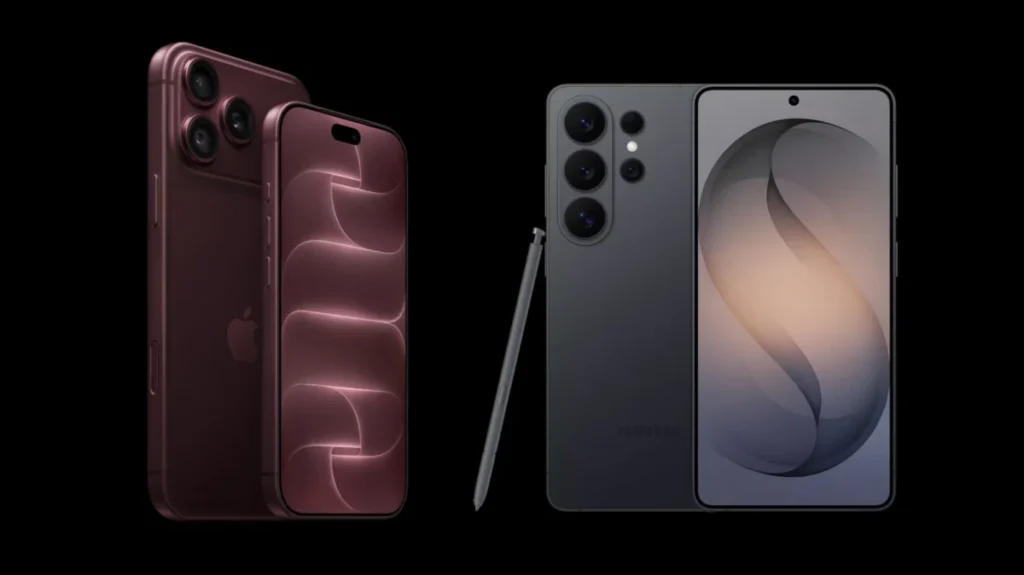
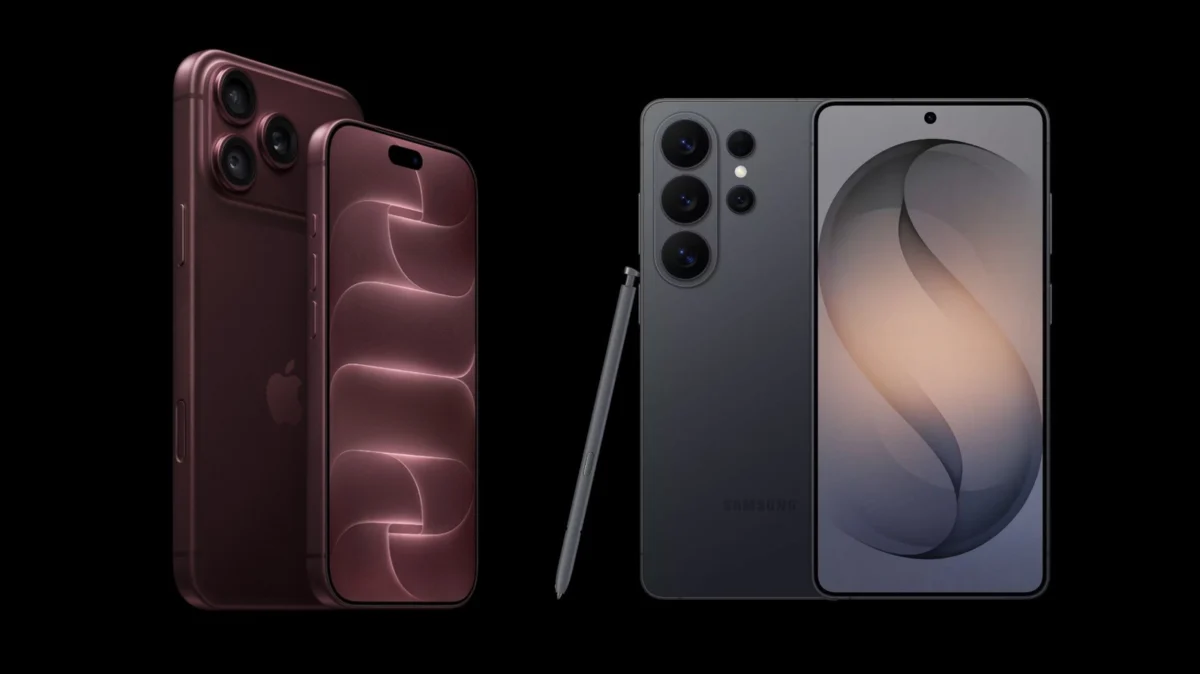
The smartphone industry has reached a plateau of maturity where "better" is no longer defined by radical hardware shifts, but by the refinement of the user experience. With the arrival of the iPhone 18 Pro Max and the Samsung Galaxy S26 Ultra, the flagship market has effectively bifurcated into two distinct philosophies of power. While both devices represent the zenith of their respective ecosystems, they cater to fundamentally different sensibilities. For the power user, the choice between these two handsets is no longer just about specifications; it is about the ecosystem, the workflow, and the specific aesthetic of productivity they demand.
Main Facts: The Battle for the Flagship Crown
Both the iPhone 18 Pro Max and the Samsung Galaxy S26 Ultra occupy the "Ultra-Premium" tier of the market, launching with identical starting price points of $1,299 for the 256GB base models. This parity in pricing is a testament to the competitive pressure both Apple and Samsung exert on one another.
The iPhone 18 Pro Max continues the legacy of Apple’s industrial design, retaining the robust aluminum and glass chassis that has defined the series. It features the new A20 Pro chip, a groundbreaking 2-nanometer processor that promises significant efficiency gains over its predecessor. Conversely, the Galaxy S26 Ultra leans into the versatility of Android, anchored by the Snapdragon 8 Elite Gen 5 chipset and a robust 12GB to 16GB RAM configuration.
While they share a 6.9-inch display footprint, the internal hardware tells two different stories. Apple is betting on the mechanical innovation of a variable aperture camera system, while Samsung is doubling down on raw resolution and optical zoom versatility.
Chronology: The Evolution of the XL Flagship
The evolution of these two devices represents a decade-long arms race.

- Early 2020s: Apple and Samsung began focusing heavily on camera sensors, with the "Ultra" moniker becoming the industry standard for the largest, most feature-rich handsets.
- 2025: The introduction of the iPhone 18 Pro Max marked a departure from incremental upgrades, focusing on internal efficiency through the 2nm fabrication process.
- 2026: Samsung’s launch of the S26 Ultra prioritized integration with AI-driven software, refining the S Pen’s role as a productivity tool rather than just an accessory.
- Present Day: Both manufacturers have converged on 5,000 mAh battery capacities and 60W rapid charging, effectively ending the debate over which device reaches 50% charge faster.
Supporting Data: Hardware and Display Benchmarks
| Feature | iPhone 18 Pro Max | Samsung Galaxy S26 Ultra |
|---|---|---|
| Processor | Apple A20 Pro (2nm) | Snapdragon 8 Elite Gen 5 (3nm) |
| Display | 6.9" OLED, 3000 nits | 6.9" AMOLED, 2600 nits |
| Main Camera | 48MP (Variable Aperture) | 200MP |
| Zoom | 4x Optical | 3x & 5x Optical Telephoto |
| Weight | 249g | 214g |
| Battery | ~5,000 mAh | ~5,000 mAh |
The display metrics highlight a fascinating trade-off. Apple’s 3,000-nit peak brightness provides superior visibility in harsh, direct sunlight, a crucial factor for outdoor content creators. However, Samsung’s AMOLED panel offers a higher pixel density (3,120 x 1,440), which, while indistinguishable to the naked eye at standard viewing distances, technically edges out the iPhone in raw resolution.
The weight discrepancy is perhaps the most tangible hardware difference. At 214 grams, the Galaxy S26 Ultra feels significantly more manageable in the hand than the 249-gram iPhone 18 Pro Max. For users who carry their devices throughout a 12-hour workday, that 35-gram difference is not trivial; it contributes to less fatigue during extended use.
The Camera Conundrum: Artistic Control vs. Optical Reach
The camera systems represent the most significant divergence in engineering philosophy.
Apple’s Mechanical Innovation
The iPhone 18 Pro Max introduces a mechanically adjustable aperture. This is a profound shift for mobile photography. By allowing the physical lens to alter its aperture, Apple is bringing "bokeh" control and depth-of-field management out of the realm of software-simulated "Portrait Mode" and into the realm of optical reality. For professional photographers, this is a game-changer that provides a level of artistic control previously reserved for DSLR and mirrorless cameras.
Samsung’s Versatility
Samsung continues to champion the "do-it-all" approach. The 200-megapixel primary sensor allows for massive digital cropping without sacrificing clarity, and the inclusion of dual telephoto lenses (3x and 5x) gives the S26 Ultra an edge in range. Whether you are at a concert or a sporting event, the S26 Ultra’s ability to pull distant subjects into focus remains the industry benchmark.

Official Perspectives: The Manufacturers’ Intent
Apple’s messaging for the iPhone 18 Pro Max centers on "seamless integration." Their official stance emphasizes that the hardware exists to serve the iOS ecosystem. By keeping the RAM consistent at 12GB across all models, Apple asserts that their software optimization—specifically the new A20 Pro’s ability to manage background tasks—obviates the need for the "spec-chasing" common in the Android space.
Samsung, meanwhile, positions the S26 Ultra as the "ultimate tool for the modern professional." Their focus is on the S Pen and the multitasking capabilities of the Android interface. By offering up to 16GB of RAM, Samsung is courting the "power user" who demands a desktop-like experience in their pocket, capable of running multiple intensive apps simultaneously without a hint of throttling.
Implications: Which Phone Defines the Future?
The implications of this rivalry are clear: the consumer is the ultimate winner, provided they know what they value.
The iPhone 18 Pro Max is the safest, most refined choice. It is for the user who is deeply invested in the Apple ecosystem—those who rely on AirDrop, iCloud, and the seamless handoff between an iPad, Mac, and iPhone. The addition of the variable aperture is a nod to the growing segment of professional content creators who use their phones as their primary camera. It is a device that promises longevity and high resale value.
The Samsung Galaxy S26 Ultra is the choice for the enthusiast. It is for the user who wants the most advanced screen technology, the most versatile camera array, and the freedom to customize their interface. The S Pen is no longer a gimmick; for those who take handwritten notes or sign documents on the go, it is an indispensable productivity feature that Apple, outside of the niche "Duo" devices, simply does not offer.

The Verdict
Neither phone is objectively "better" in a vacuum. If your workflow requires the precision of optical aperture control and you live within the Apple ecosystem, the iPhone 18 Pro Max is the clear winner. If your priority is optical zoom versatility, stylus-driven productivity, and a lighter, thinner chassis, the Galaxy S26 Ultra is the superior instrument.
As we look toward the future, these two devices signify the end of the "jack-of-all-trades" era. We have moved into a period of specialization, where flagship phones are no longer just communication devices, but highly tuned tools designed for specific professional and creative lifestyles. Whether you choose the path of the A20 Pro or the Snapdragon 8 Elite, you are essentially choosing your creative partner for the next two to three years. Both offer a level of performance that was considered science fiction just a decade ago, ensuring that regardless of your preference, your digital experience will be nothing short of exceptional.