Mozilla and Mistral AI Forge a European Alliance for the Future of Browsing
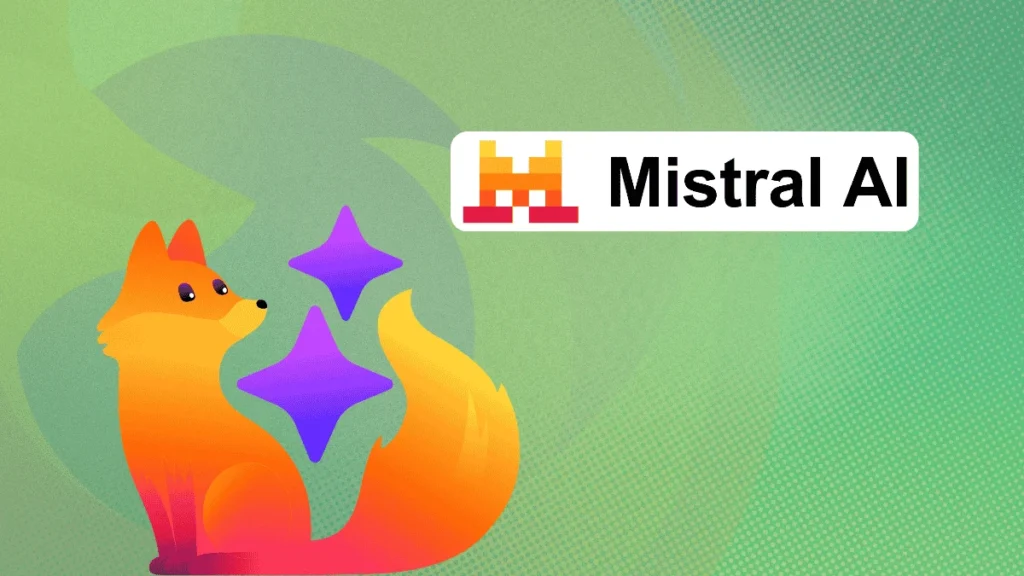
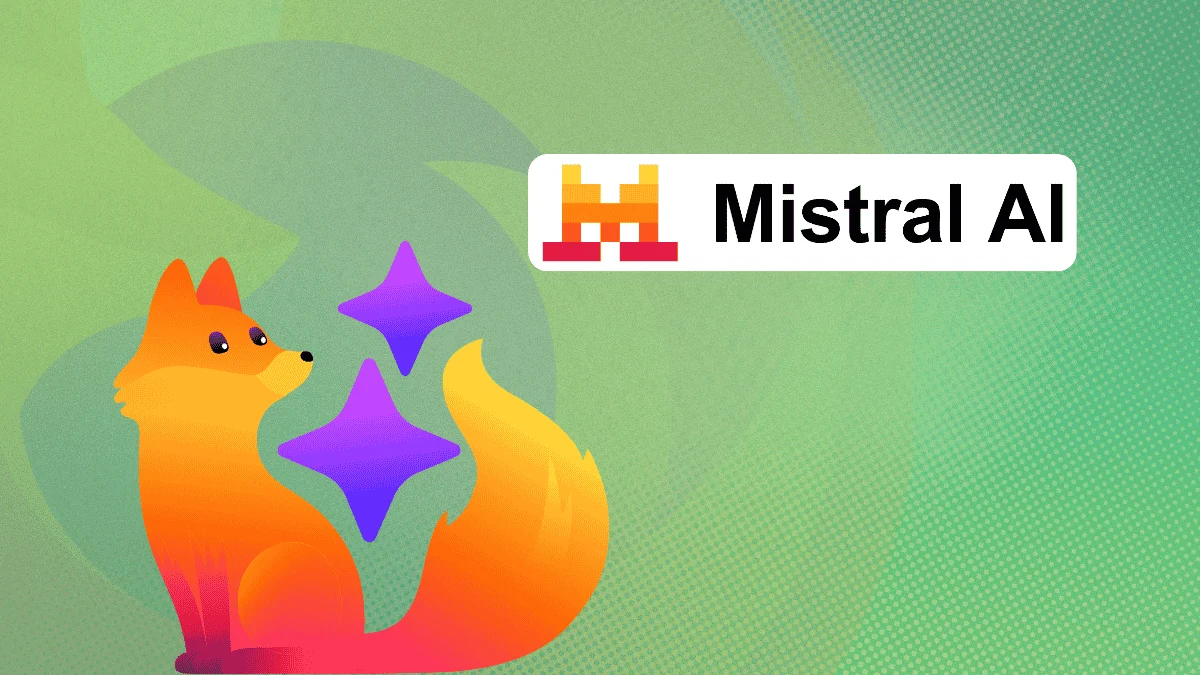
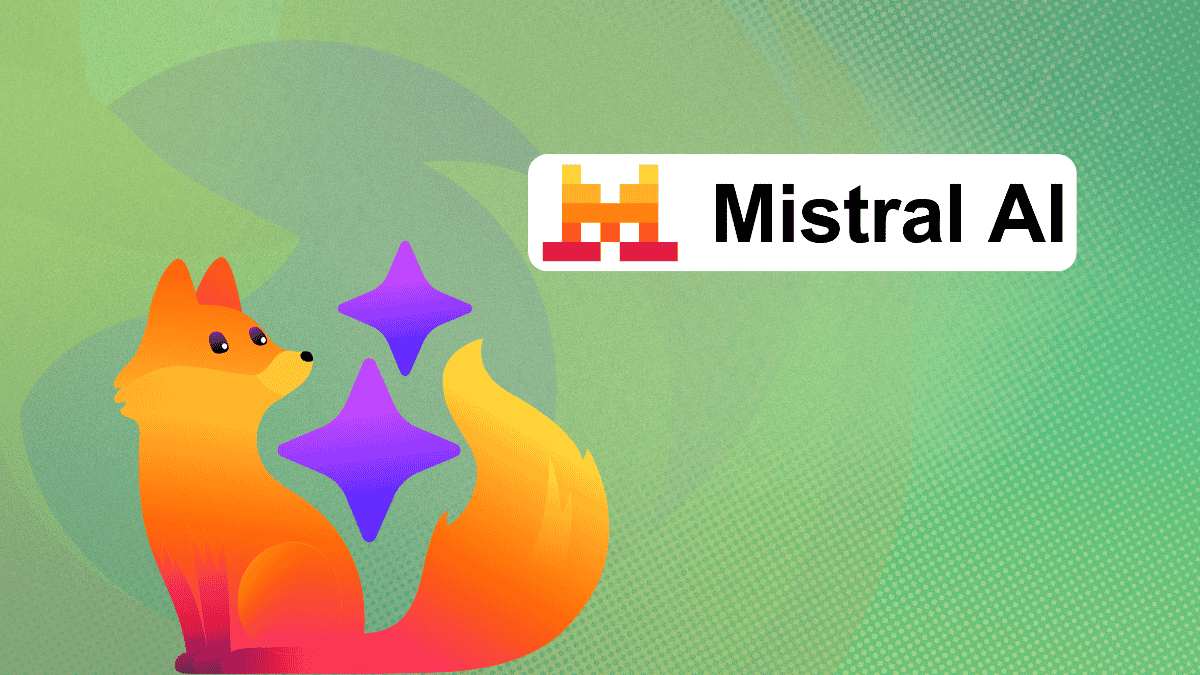
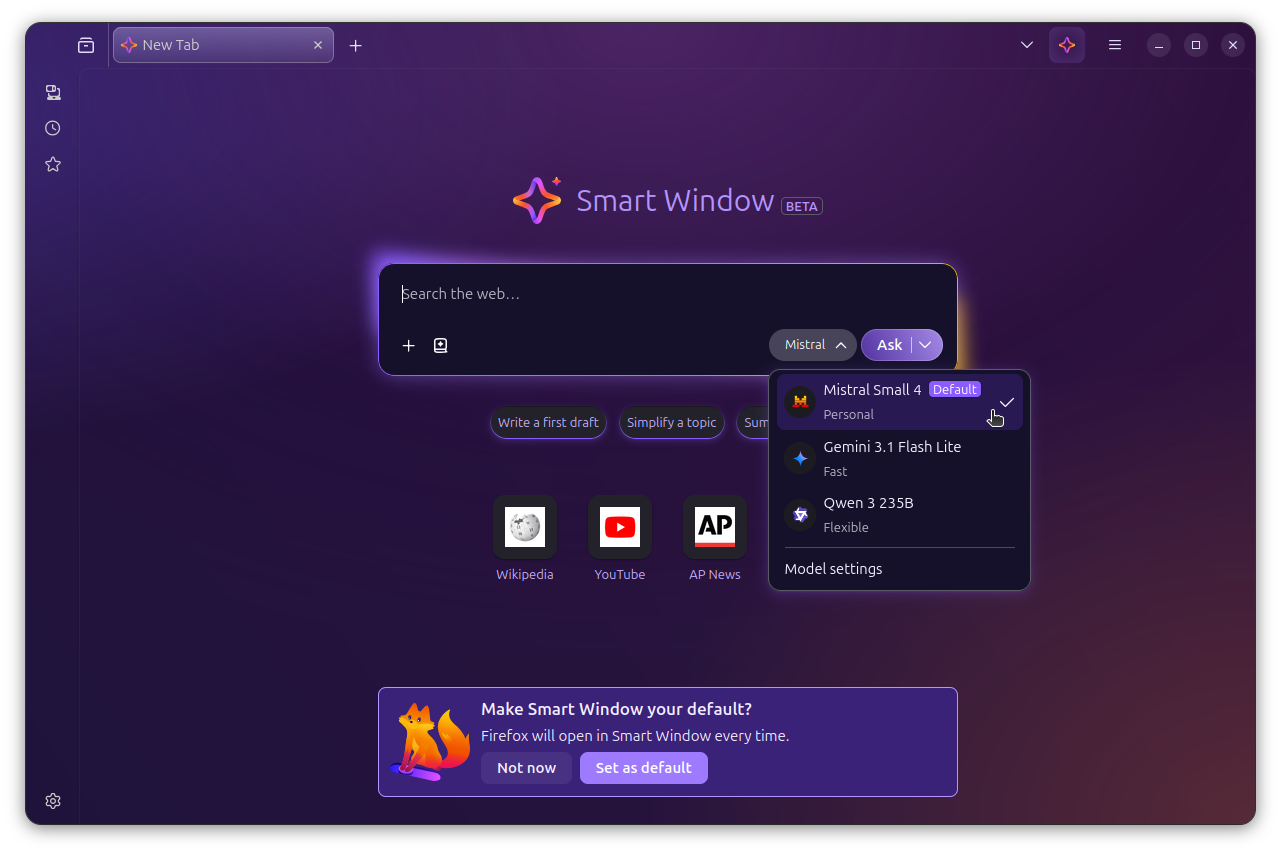
In a move that marks a significant pivot in the browser landscape, Mozilla and the Paris-based artificial intelligence powerhouse Mistral AI have announced a strategic partnership. This collaboration introduces the Mistral Small 4 model into Firefox’s "Smart Window"—a feature designed to serve as an AI-powered companion directly integrated into the user’s web browsing experience.
This partnership is not merely a technical integration; it is a declaration of independence. Both companies have framed this alliance as a necessary pushback against an internet ecosystem increasingly dominated by a handful of American "Big Tech" giants. By bringing a European-developed AI model to the forefront of one of the world’s most recognizable browsers, Mozilla is attempting to carve out a path that balances modern innovation with regional sovereignty.
The Chronology: From Beta to European Expansion
The integration of AI into Firefox has been a deliberate, step-by-step process. To understand the significance of the Mistral partnership, one must look at the recent trajectory of the Firefox Smart Window project.
Phase 1: The Initial Rollout (Firefox 155)
With the launch of Firefox 155, Mozilla officially opened its Smart Window feature to users in France. At the time of its debut, the browser offered a selection of models that were primarily US-centric or global-market dominant: Google’s Gemini, Alibaba’s Qwen, and OpenAI’s gpt-oss-120B. While functional, the lineup highlighted a stark reality: despite Europe’s vibrant tech scene, its users were reliant on non-European models for their AI interactions.
Phase 2: The Shift Toward Sovereignty
Recognizing the need for a more diverse ecosystem, Mozilla began evaluating alternatives. The goal was to find a partner that prioritized high performance in European languages and adhered to different ethical and data-handling standards. Mistral Small 4, a 119-billion-parameter model, emerged as the ideal candidate. Mozilla’s testing concluded that the model’s multilingual capabilities—specifically its nuanced understanding of European dialects—surpassed that of its competitors.
Phase 3: The Current Integration
Today, Mistral Small 4 has officially replaced the OpenAI offering in the "Personalized" category within the Firefox Smart Window settings. This is not a restrictive change; rather, it is an expansion of choice. Users still retain the ability to switch between models, but the inclusion of Mistral signifies a turning point where a major browser vendor is actively endorsing a non-Silicon Valley AI leader.
Supporting Data: Why Mistral?
The decision to integrate Mistral Small 4 was not based on brand recognition alone. Mozilla’s engineering team conducted a rigorous evaluation of the model’s architecture and output quality.
Multilingual Performance
One of the primary critiques of early-generation LLMs (Large Language Models) was their "English-first" architecture. Many models were trained primarily on English data and then "fine-tuned" for other languages, often leading to unnatural phrasing, incorrect idioms, or a lack of cultural context.

Mistral takes a different approach. The model is trained from the ground up with native multilingual handling. For French, German, and other European users, this means the AI is far less likely to hallucinate or utilize "translated" phrasing that feels robotic. By treating multilingualism as a core feature rather than an afterthought, Mistral provides a superior user experience for non-English speakers.
Technical Specifications
The Mistral Small 4 (119B) is a robust model designed to balance speed and accuracy. In the context of a browser, latency is everything. If an AI takes ten seconds to summarize a page, the user experience breaks. Mistral’s architecture is optimized for inference, allowing for quick, snappy responses that make the Smart Window feel like a genuine extension of the browser’s interface rather than a clunky plugin.
Official Responses and Strategic Vision
The partnership has been met with enthusiasm from the leadership of both organizations, as it aligns with their respective missions regarding AI transparency and user agency.
Mozilla: Defending the Open Web
Mozilla has long positioned itself as the guardian of the open web. Their vision for AI in Firefox is one where the user remains in control. A spokesperson for Mozilla noted: "We are at a crossroads where a few companies control the browser, the search engines, and the AI models that feed information to the public. By partnering with an independent, European frontier lab, we are ensuring that the web remains a competitive and diverse space."
Mistral: Sovereign AI for Consumers
For Mistral, this partnership is a realization of their "Sovereign AI" strategy. Mistral has consistently argued that Europe should not rely solely on imported technology for its digital infrastructure. By embedding their model in Firefox, they are bringing high-end AI directly to millions of European households, effectively bypassing the walled gardens created by American tech giants.
The Implications: Why This Matters to You
The average user might ask, "Does this really change anything for me?" The answer is a resounding yes, for three distinct reasons.
1. Breaking the Big Tech Monopoly
When you use a browser where the search engine is owned by the same company as the AI, you are trapped in a feedback loop. Your browsing habits inform your search results, which inform the AI’s answers, which in turn nudge your future browsing. This ecosystem creates an echo chamber. By introducing a third-party, independent AI model into a browser that is not tied to an advertising giant, you gain a more neutral, balanced tool for research and information synthesis.
2. Privacy and Localized Standards
Europe’s regulatory environment, particularly regarding the GDPR and the EU AI Act, is significantly more stringent than that of the United States. Mistral, being a French company, is natively built to operate within these regulatory frameworks. For users who are concerned about data privacy and how their queries are processed, using a model developed by a company subject to the same legal standards as the end-user provides a layer of legal and ethical security.

3. A Better Research Companion
The Smart Window feature is, at its core, a productivity tool. Whether you are summarizing long-form journalism, debugging code, or cross-referencing information across multiple tabs, having a model that understands the nuances of your native language is a game-changer. The transition to Mistral represents a significant upgrade in the quality of these interactions, making the AI more of a partner and less of a simple text generator.
What Lies Ahead: A Expanding Map
Mozilla has confirmed that the rollout is only beginning. While France is currently the primary focus for this new phase, the company has announced that support for more European nations will follow in the coming months.
Industry insiders and recent statements from Mistral suggest that Germany and the United Kingdom are next on the list. This expansion is critical. For the model to be truly effective, it must be localized for the specific nuances of these markets, and the deployment of Mistral Small 4 in these regions will likely involve further fine-tuning to ensure regional accuracy.
Furthermore, this partnership serves as a proof-of-concept. If Mozilla and Mistral can demonstrate that a browser-AI integration can be both privacy-respecting and highly performant, it could set a new industry standard. We may soon see other privacy-focused browsers or software suites seeking similar partnerships, effectively ending the era of "one-size-fits-all" AI.
Conclusion: Should You Make the Switch?
If you are a Firefox user, the arrival of Mistral in your Smart Window is an invitation to explore a different kind of AI experience. You no longer need to be a power user to access cutting-edge AI tools; it is now integrated into your daily workflow.
If you have felt uncomfortable with the "Big Tech" consolidation of the internet, this partnership is a tangible reason to support the ecosystem Mozilla is trying to preserve. It is rare to see a major tech entity take a stand for regional diversity and user choice in the way Mozilla has done here.
As we move deeper into the age of AI-integrated browsing, the question is no longer whether you should use AI, but which AI you should trust. With Mistral, Mozilla has provided a European-made, independent, and high-performance option that deserves a place in your digital toolkit.
If you haven’t yet, head over to the official Firefox website and ensure your browser is updated to the latest version to take advantage of these new features. In an era where choice is becoming a luxury, Mozilla is proving that it is still a necessity.