Samsung’s Galaxy Z Flip 8: Refinement Meets AI in a Slimmer Foldable Package
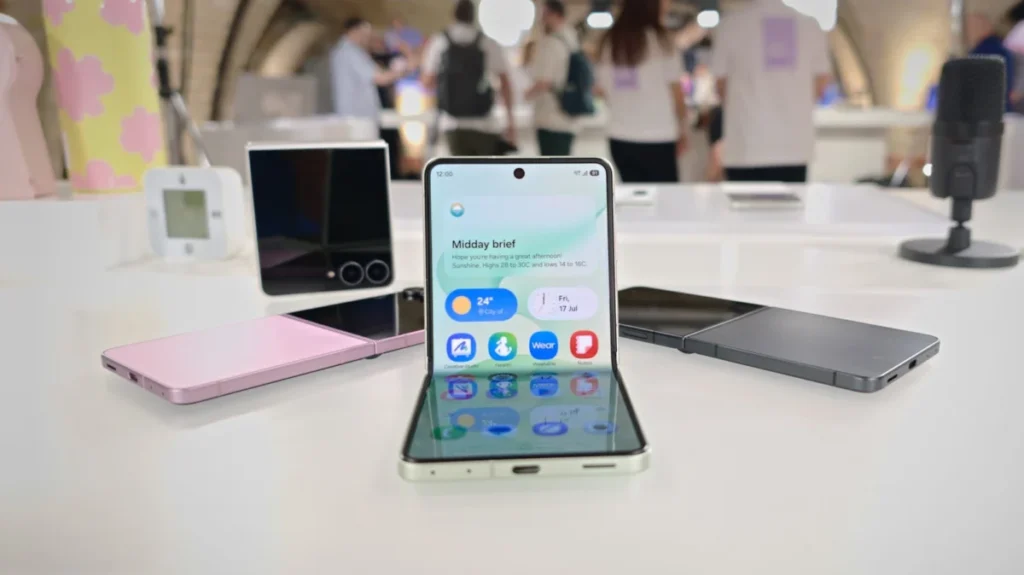
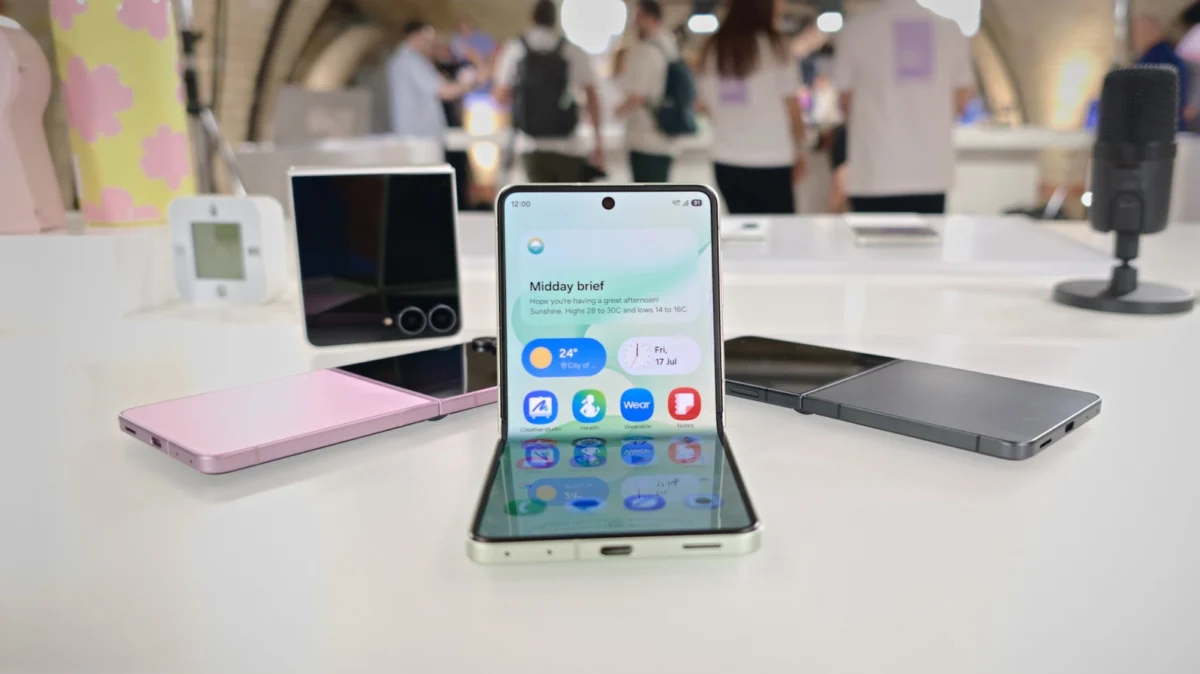
At the highly anticipated Galaxy Unpacked 2026 event, Samsung Electronics reaffirmed its dominance in the foldable smartphone market by unveiling its latest flagship trio: the Galaxy Z Fold 8, the Z Fold 8 Ultra, and the device that continues to be the industry’s poster child for pocketable innovation, the Galaxy Z Flip 8. While the device maintains the aesthetic DNA of its predecessor, the Z Flip 8 arrives with a slimmer profile, enhanced AI integration, and a significantly more capable cover display, signaling Samsung’s pivot from hardware revolution to software-led refinement.
However, the launch has sparked immediate discourse among tech enthusiasts and industry analysts alike. With a price hike to $1,200—a $100 increase over the previous generation—and a camera array that remains largely unchanged, the Z Flip 8 presents a complex value proposition for current owners and prospective buyers.
Main Facts: The Evolution of the Pocket Foldable
The Samsung Galaxy Z Flip 8 is defined by its pursuit of "perfected portability." Measuring just 85.7 x 75.4 x 13.1 mm when folded and weighing a mere 180 grams, it stands as the most ergonomic device in the company’s current lineup. When unfolded, it transforms into a standard-sized smartphone with a 6.9-inch Dynamic AMOLED 2X display, boasting a resolution of 1,080 x 2,520 pixels and an adaptive 120Hz refresh rate enhanced by Samsung’s signature Vision Booster technology.
The hallmark of the Z Flip series—the "Flex Window"—remains a 4.1-inch AMOLED panel. While the hardware specifications of the screen mirror the Z Flip 7, the functional software layer has undergone a radical transformation. Samsung has clearly listened to user feedback regarding the utility of the cover screen, shifting it from a simple notification hub to a full-fledged interactive dashboard.
Under the hood, the device is powered by the Qualcomm Snapdragon 8 Elite Gen 5 for Galaxy. This chipset represents a significant leap in computational power, specifically designed to handle the heavy lifting required by on-device generative AI. Despite this powerhouse processor, the battery capacity remains locked at 4,300 mAh, supported by 25W wired and 15W wireless charging, leaving some critics questioning the long-term endurance of the device under heavy AI workloads.
Chronology: The Road to the Z Flip 8
The development cycle of the Z Flip 8 highlights Samsung’s iterative approach to the foldable market.
- Q1 2026: Leaks began to circulate regarding the "Slim" project, with rumors suggesting Samsung was prioritizing structural integrity and weight reduction over radical hardware overhauls.
- May 2026: Industry analysts confirmed that Samsung would maintain the dual-camera configuration, a decision based on internal data suggesting that the Z Flip demographic prioritizes form factor over professional-grade zoom capabilities.
- July 2026: The final certification for the Snapdragon 8 Elite Gen 5 was completed, ensuring the device could handle the "Gemini Intelligence" suite seamlessly.
- August 2026: The official unveiling at Galaxy Unpacked in Seoul, where the focus shifted heavily toward AI-driven software experiences.
- August 7, 2026: The commencement of global shipping, marking the entry of the Z Flip 8 into a highly competitive market against emerging rivals from Chinese OEMs.
Supporting Data: Specifications and Performance Metrics
When comparing the Z Flip 8 to its predecessor, the technical sheet tells a story of stability rather than disruption.
| Feature | Galaxy Z Flip 8 | Galaxy Z Flip 7 |
|---|---|---|
| Weight | 180g | 187g |
| Processor | Snapdragon 8 Elite Gen 5 | Snapdragon 8 Gen 3 |
| Main Camera | 50MP f/1.8 | 50MP f/1.8 |
| Battery | 4,300 mAh | 4,300 mAh |
| Starting Price | $1,200 | $1,100 |
The data confirms that the primary upgrades are found in the silicon and the chassis design. The integration of the Snapdragon 8 Elite Gen 5 provides a marked improvement in NPU (Neural Processing Unit) performance, which is critical for the new "Now Brief" features and real-time AI translations. Furthermore, the inclusion of a "Horizontal Lock" for video, mimicking the stabilization found in action cameras like the GoPro Hero 13, suggests that Samsung is focusing on software algorithms to compensate for the stagnant camera hardware.
Official Responses and Strategic Vision
During the Unpacked event, Samsung’s head of mobile experience, TM Roh, emphasized that the company’s mission for 2026 is "Integration, not Isolation." Samsung posits that a foldable device should not require the user to constantly unfold it to perform meaningful tasks.
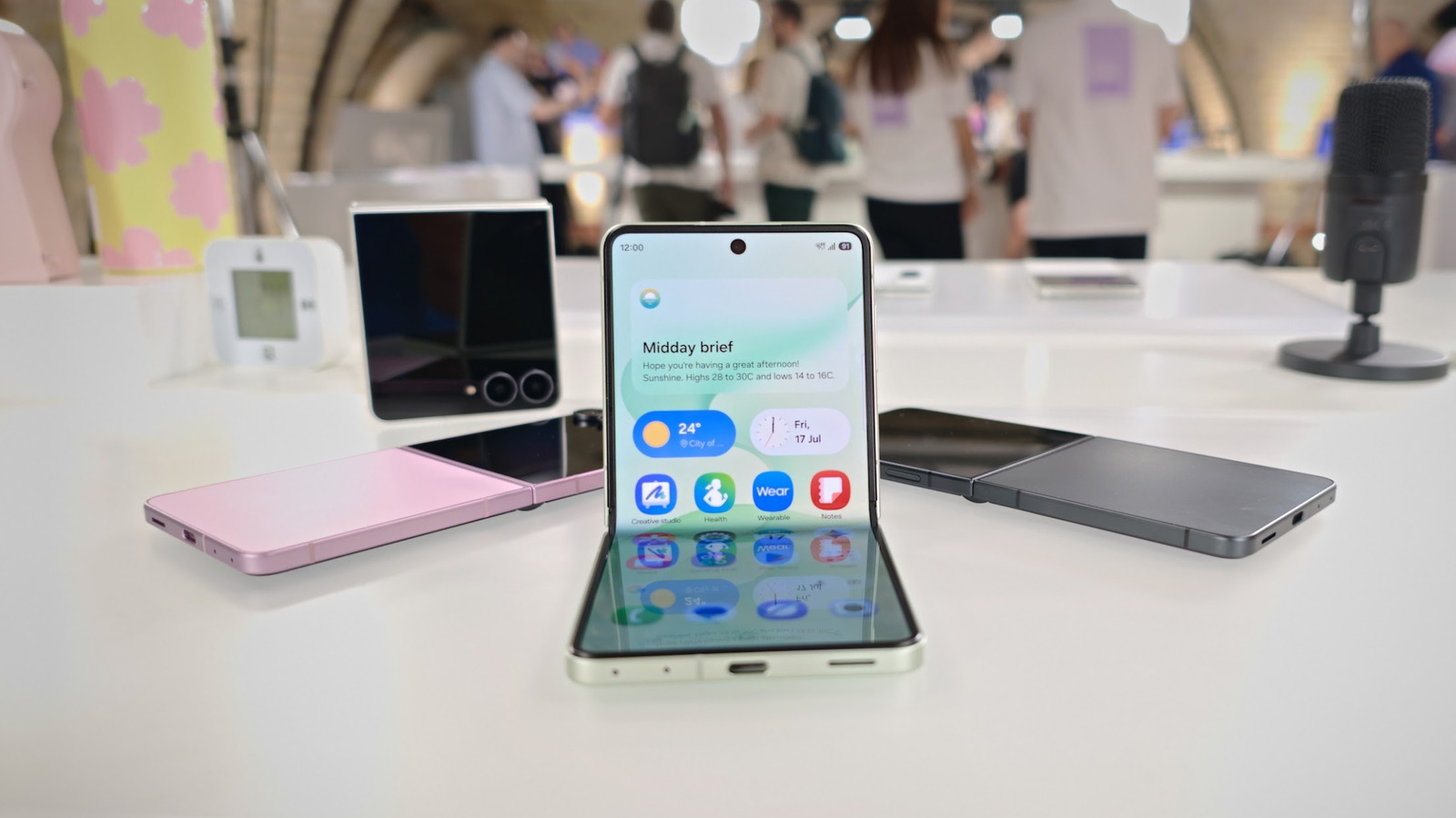
"The Flex Window on the Z Flip 8 is no longer a peripheral screen; it is the primary interface for your digital life," stated a Samsung spokesperson during a post-launch briefing. By enabling Gemini Intelligence to trigger via simple voice commands or side-key shortcuts, Samsung is positioning the Z Flip 8 as an "AI-first" device.
When questioned about the decision to retain the previous generation’s camera sensors, the company noted that they have invested significantly in the image signal processing (ISP) capabilities of the new processor. According to Samsung, the combination of the new chipset and refined AI post-processing yields images that are sharper and better balanced than those of the Z Flip 7, despite the physical hardware remaining identical.
Implications: The Foldable Market in Flux
The launch of the Galaxy Z Flip 8 carries significant implications for the smartphone industry:
1. The Rise of "Software-Defined" Hardware
Samsung is clearly betting that consumers are reaching a plateau regarding hardware specifications. With cameras and screens having hit a point of diminishing returns, the company is pivoting toward software ecosystems. The Z Flip 8 is designed to keep users within the Samsung-Gemini bubble, making the phone a gateway to an AI-driven service economy rather than just a communication tool.
2. The Premium Tax
The $1,200 starting price is a bold move in an era where consumers are increasingly cost-conscious. By raising the price while maintaining many core specs, Samsung is testing the brand loyalty of its user base. It implies that the company views the foldable category as a luxury tier, separating it from the mainstream S-series phones that are subject to more aggressive price competition.
3. The "Action" Pivot
The addition of the "Horizontal Lock" and "Camcorder Grip" features suggests Samsung is actively trying to capture the creator market. By marketing the Z Flip 8 as a compact, stable, and AI-enabled video creation device, they are attempting to justify the upgrade for social media power users who value portability over professional-grade telephoto lenses.
4. Competitive Pressure
With rivals now producing foldables that boast larger batteries and more aggressive camera hardware, the Z Flip 8’s reliance on "refinement" could be a vulnerability. If the software improvements do not translate into a noticeably better daily experience, Samsung risks losing market share to competitors who are willing to iterate on hardware more rapidly.
Conclusion: A Refined Choice
The Samsung Galaxy Z Flip 8 is a testament to the maturation of the foldable form factor. It is arguably the most polished, reliable, and user-friendly flip phone ever produced. For those who prioritize a lightweight, pocketable, and intelligent device, the Z Flip 8 is an exceptional piece of engineering.
However, it is not a revolutionary leap. The decision to keep the camera hardware and battery specs stagnant while raising the price will undoubtedly be the primary point of contention for consumers. As the device hits retailers on August 7, the market will decide whether the "AI-first" experience and the thinner, lighter design are enough to warrant the premium cost. Samsung has built a masterclass in iteration, but the next generation may require a bolder vision to satisfy a tech-savvy audience that is beginning to demand more from the foldable category.