The Hidden Risks of Outdoor Networking: Why Your Standard Ethernet Cable Isn’t Enough
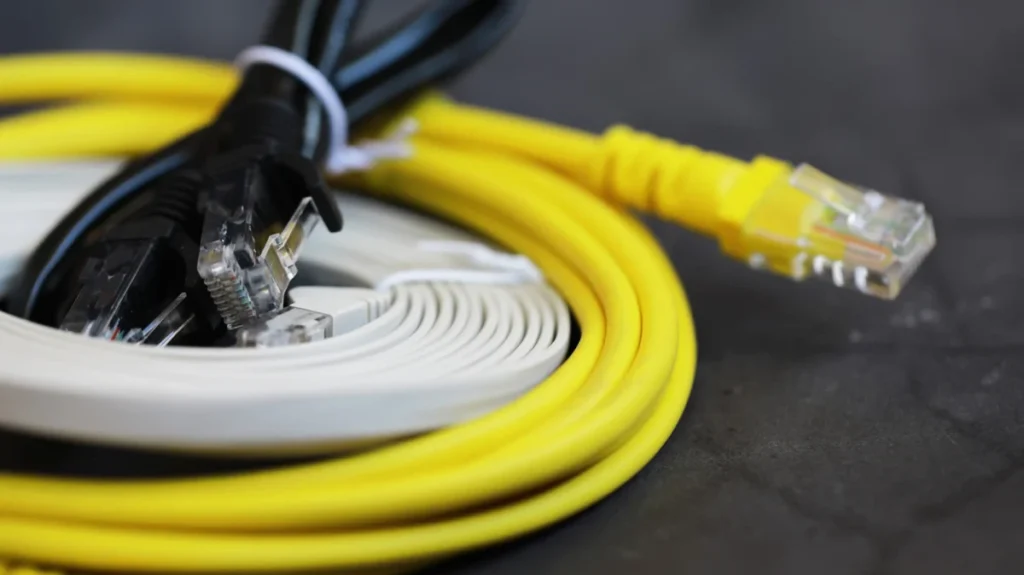
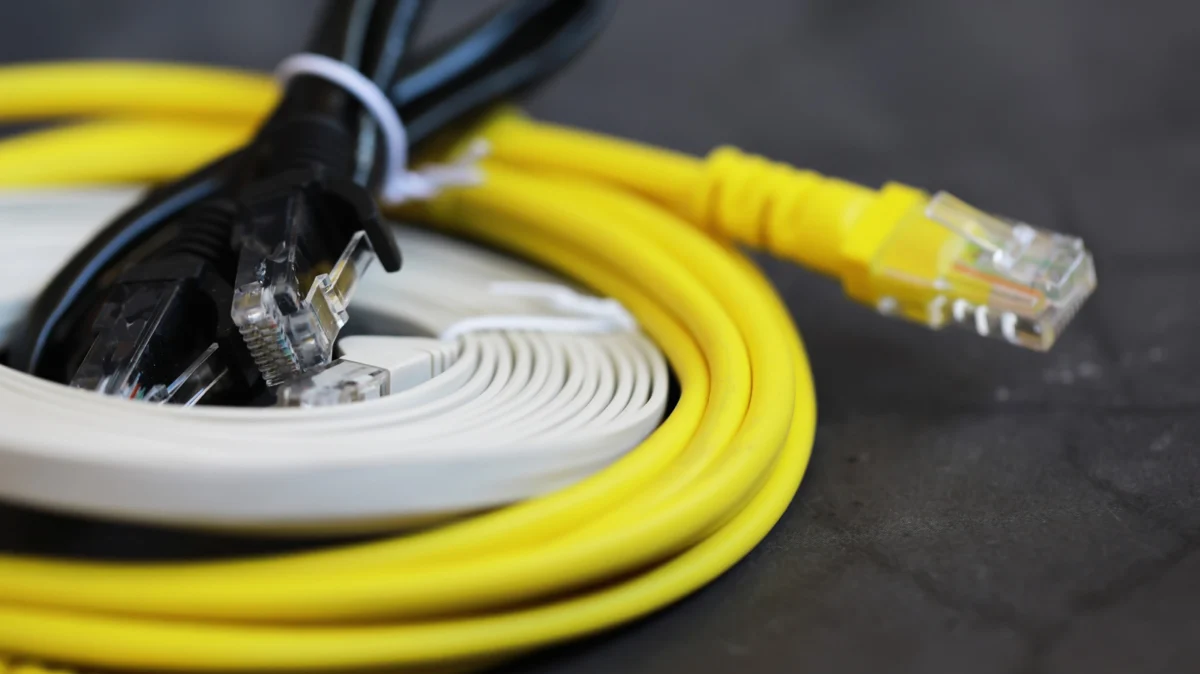
Just because you can do something doesn’t mean you should. This adage applies to everything from extreme sports to home networking. When setting up a backyard security camera, a wireless access point on the porch, or a long-distance connection to a detached garage, the temptation to use a spare Cat6 cable from your junk drawer is high. However, using standard indoor Ethernet cabling for outdoor applications is a recipe for long-term failure and potential safety hazards.
Understanding why infrastructure matters is the first step toward building a reliable, professional-grade home network. While a standard cable might work for a few weeks or months, the environment—UV radiation, moisture, and temperature fluctuations—will inevitably compromise its integrity.
The Core Problem: Material Science and Environmental Degradation
To understand why standard Ethernet fails outdoors, one must look at the jacket. Indoor cables are almost exclusively encased in Polyvinyl Chloride (PVC). PVC is cost-effective, flexible, and perfect for the climate-controlled environment of a modern home or office. However, it is not designed to withstand the harsh realities of the exterior world.
UV Radiation and Photodegradation
Sunlight is the primary enemy of standard PVC. Over time, the ultraviolet (UV) radiation from the sun breaks down the chemical bonds in the PVC jacket, a process known as photodegradation. As the jacket loses its plasticizers, it becomes brittle, fades, and eventually cracks. Once these cracks appear, they act as conduits for moisture. Once water infiltrates the jacket, the copper pairs inside begin to corrode, leading to signal loss, increased latency, and eventually a total failure of the connection.
Temperature Fluctuations and Mechanical Stress
Indoor cables are built for stable environments. Outdoors, the cable is subjected to extreme heat in the summer and freezing temperatures in the winter. PVC becomes rigid and prone to shattering in cold weather, while high heat can cause the material to expand and contract, leading to micro-fissures. When you factor in wind, which causes the cable to sway and rub against building edges or trees, the mechanical stress on a standard indoor cable accelerates the degradation process exponentially.
Chronology of a Cable Failure
- Initial Installation: The cable is installed. It looks fine, and the network performance is flawless. The user assumes the job is done correctly.
- Phase 1: UV Exposure (Months 1–6): The exterior jacket begins to lose its original color. The surface becomes dull and starts to lose its suppleness.
- Phase 2: Micro-Cracking (Months 6–18): Through seasonal temperature changes and daily thermal expansion, the first hairline fractures appear. These are often invisible to the naked eye.
- Phase 3: Moisture Infiltration (Months 18–30): Humidity and rain find their way through the cracks. Oxidation begins to coat the copper conductors, leading to intermittent packet loss.
- Phase 4: Total System Failure (Year 3+): The signal is lost entirely. The jacket is now brittle enough that it may snap if touched, and the internal copper may be heavily corroded.
Selecting the Right Equipment: Beyond "Outdoor-Rated"
It is vital to distinguish between "outdoor-rated" and "direct-burial" cables. They are not interchangeable, and using the wrong one for the wrong application can lead to a premature loss of investment.
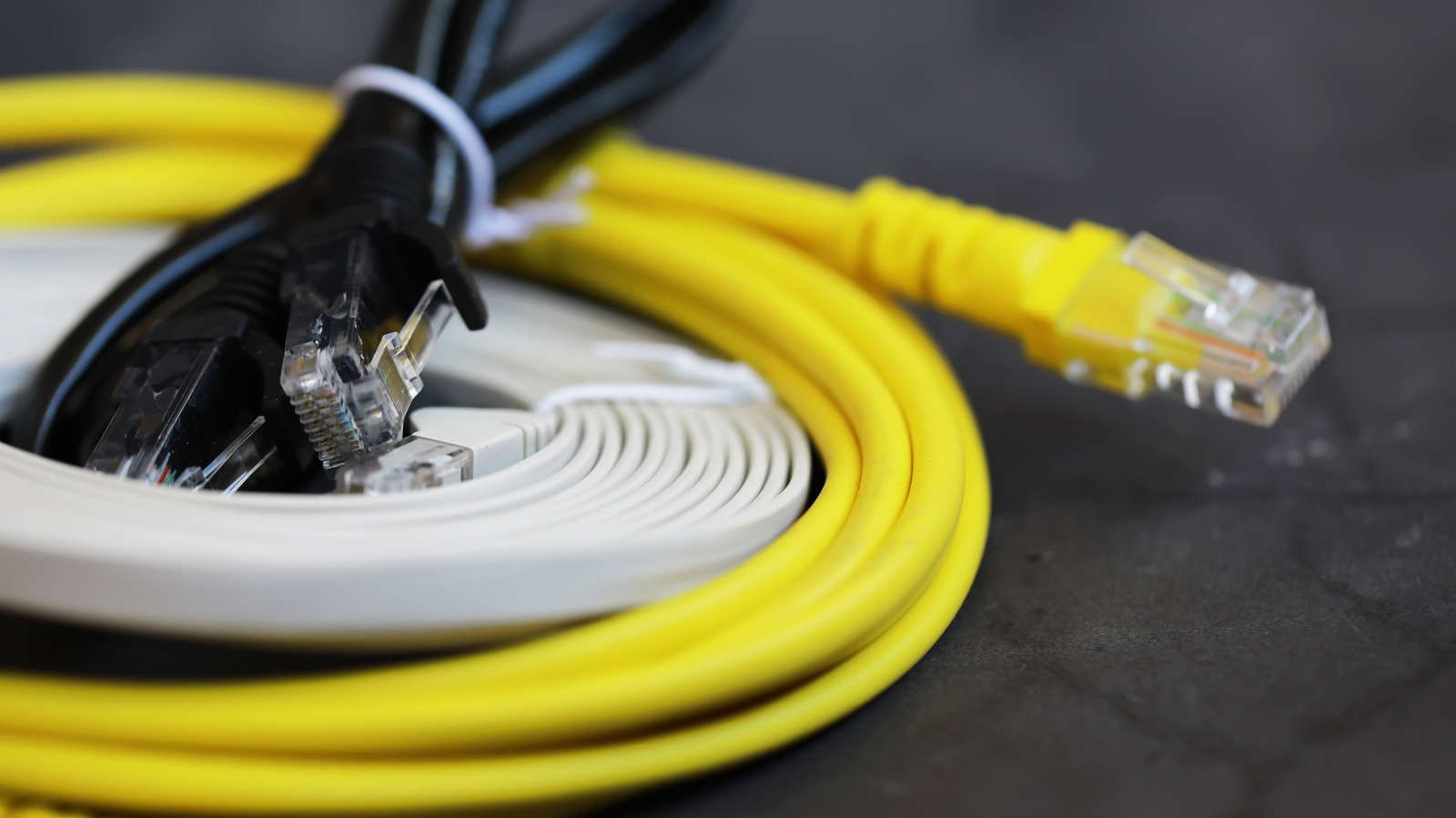
Outdoor-Rated (Above Ground)
These cables are designed for use on building exteriors, pole mounts, or runs protected by conduit. They typically utilize a High-Density Polyethylene (HDPE) or Linear Low-Density Polyethylene (LLDPE) jacket. These materials are inherently resistant to UV rays and are much tougher than standard PVC. They are designed to withstand exposure to the elements but are not necessarily built to survive the crushing pressure or constant dampness of soil.
Direct-Burial Rated (Below Ground)
If you are running a cable across your yard, a standard outdoor cable is insufficient. Direct-burial cables are engineered to be placed directly into a trench. They are often reinforced with thicker jackets and internal moisture-blocking mechanisms—such as water-blocking tape, powder, or gel. These components prevent water from traveling down the length of the cable if the outer jacket is ever punctured by a rock or a shovel during gardening.
Supporting Data: Safety and Legal Implications
The National Electrical Code (NEC) provides strict guidelines for the installation of communications cables. These standards are not merely suggestions; they are safety requirements intended to prevent fire and electrical hazards.
The 50-Foot Rule
A critical, often overlooked aspect of the NEC is the limitation on running outdoor cables inside a building. Because outdoor-rated cables (especially those with PE jackets) are not designed to be fire-resistant in the same way as indoor Plenum- or Riser-rated cables, they can become a significant fire hazard if they are allowed to penetrate deep into a residential or commercial structure.
Most codes dictate that an unlisted outdoor cable should not run more than 50 feet inside a building before transitioning to a listed indoor cable. If a fire were to start, the smoke and fumes from a non-fire-rated PE jacket could be toxic and potentially fatal, which could lead to denied insurance claims in the event of a disaster.
Surge Protection: A Necessary Add-on
Even with the highest quality outdoor cable, copper remains a conductor for electricity. If you live in an area prone to thunderstorms, running a long length of copper between two structures is essentially inviting a lightning surge into your networking equipment.
Industry experts recommend installing gas-discharge surge protectors at both ends of the cable run—where the cable leaves the first building and where it enters the second. While these protectors do not guarantee survival during a direct lightning strike, they significantly mitigate the risk of damage from induced surges.
Professional Best Practices for Installation
To ensure a robust, long-lasting installation, adhere to these professional standards:
- Avoid Sharp Bends: Ethernet cables have specific bend-radius requirements. Bending them at 90-degree angles around sharp corners can damage the internal wire twists, causing crosstalk and interference.
- Use Conduit for Protection: Whenever possible, run your outdoor cables inside PVC or metal conduit. This provides physical protection against weed trimmers, accidental shovel strikes, and rodents.
- Secure with Proper Clips: Use UV-resistant cable clips. Avoid standard zip ties, which degrade in the sun and eventually snap, leaving your cable to sag and chafe against the side of your home.
- Check Local Ordinances: Before digging a trench for a direct-burial run, contact local utility services to mark underground lines. Additionally, check with your local building authority; some jurisdictions require specific depths for burial and may mandate the use of conduit regardless of the cable rating.
The Alternative: Fiber Optics
If you are concerned about lightning, electromagnetic interference (EMI), or the sheer distance of your run, fiber optic cable is the superior choice. Because fiber is made of glass or plastic, it does not conduct electricity. This eliminates the risk of lightning-induced surges damaging your connected equipment.
While the hardware to convert Ethernet to fiber (Media Converters or SFP modules) is more expensive than a simple copper run, the reliability and safety gains are immense. For long runs (over 300 feet), fiber is not just a safer choice; it is the only choice, as copper Ethernet is limited by the physical properties of the wire.
Conclusion
The allure of "getting the job done" quickly is strong, but the cost of negligence in network infrastructure is high. A failed cable that requires digging up a garden or replacing a fried security camera is far more expensive and frustrating than doing it right the first time.
By selecting the correct jacket material (LLDPE for outdoor, direct-burial rated for underground), observing NEC safety guidelines, and implementing proper surge protection, you can build an outdoor network that stands the test of time. When it comes to your home’s infrastructure, patience and adherence to industry standards are the only ways to ensure that your "connected" home stays that way, regardless of what Mother Nature throws its way.