Streamlining the Indie Experience: itch.io Unveils Steam Integration and Headless Launching in v26.20.0
The digital landscape for independent gaming has long been defined by a tension between platform convenience and developer autonomy. While global storefronts offer massive visibility and streamlined library management, indie-focused platforms like itch.io have remained the heartbeat of creative experimentation. Today, that divide becomes significantly thinner. With the release of version v26.20.0, the itch.io desktop app introduces a suite of features—most notably native Steam shortcut integration—that promises to revolutionize how players organize and access their indie collections.
The Core Update: Bridging the Gap Between itch.io and Steam
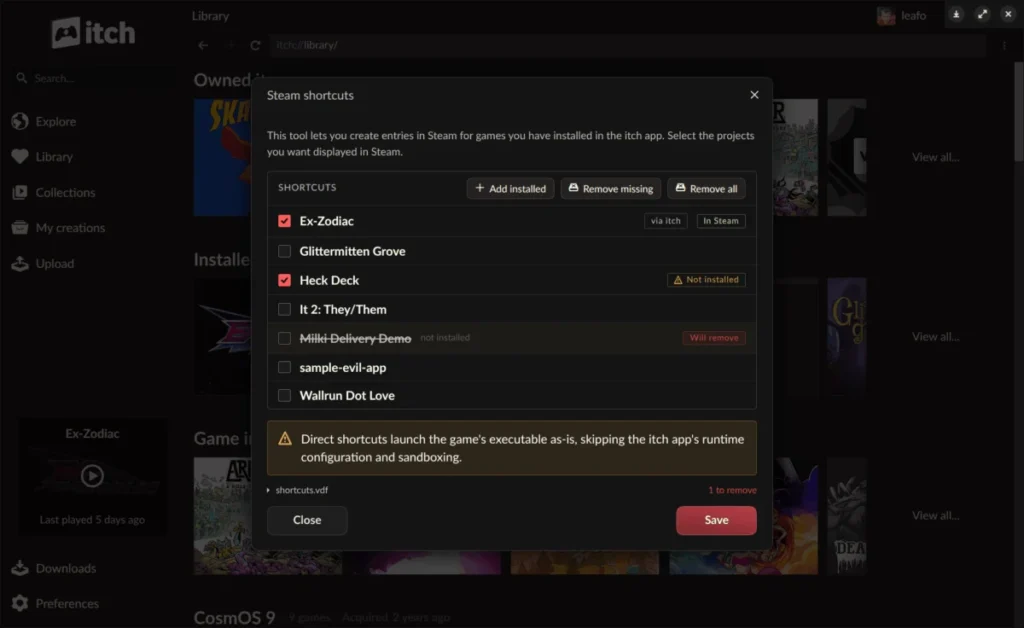
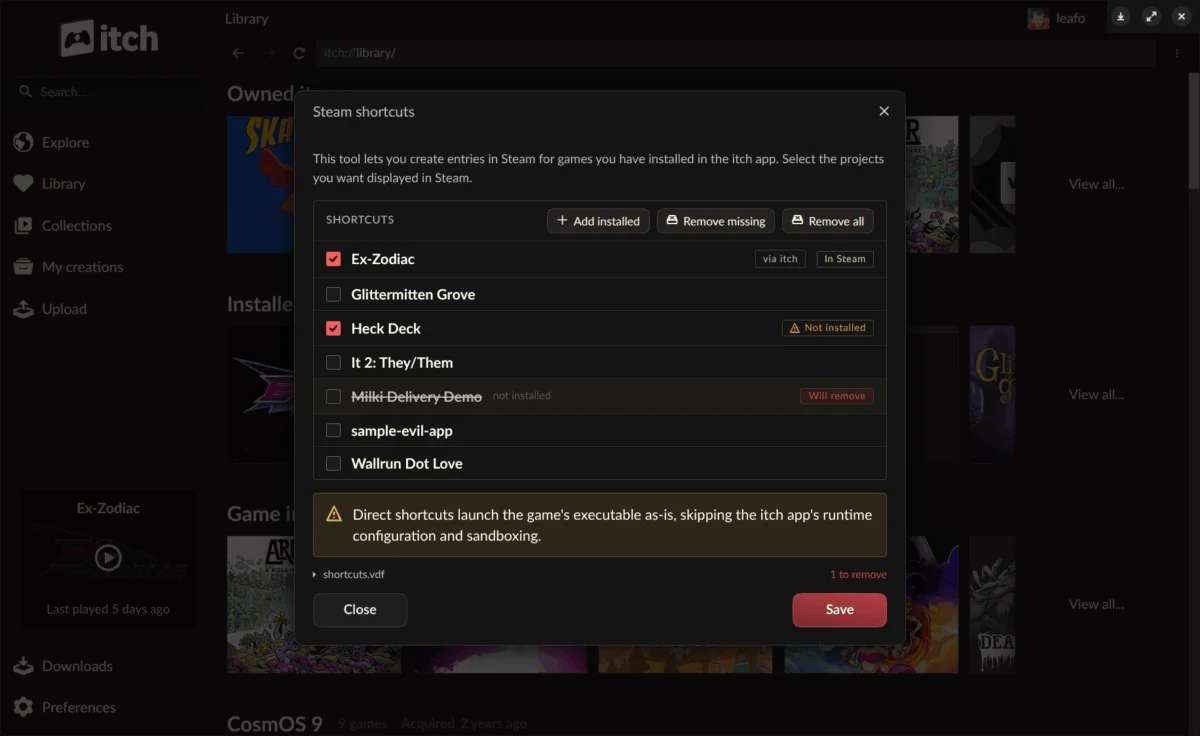
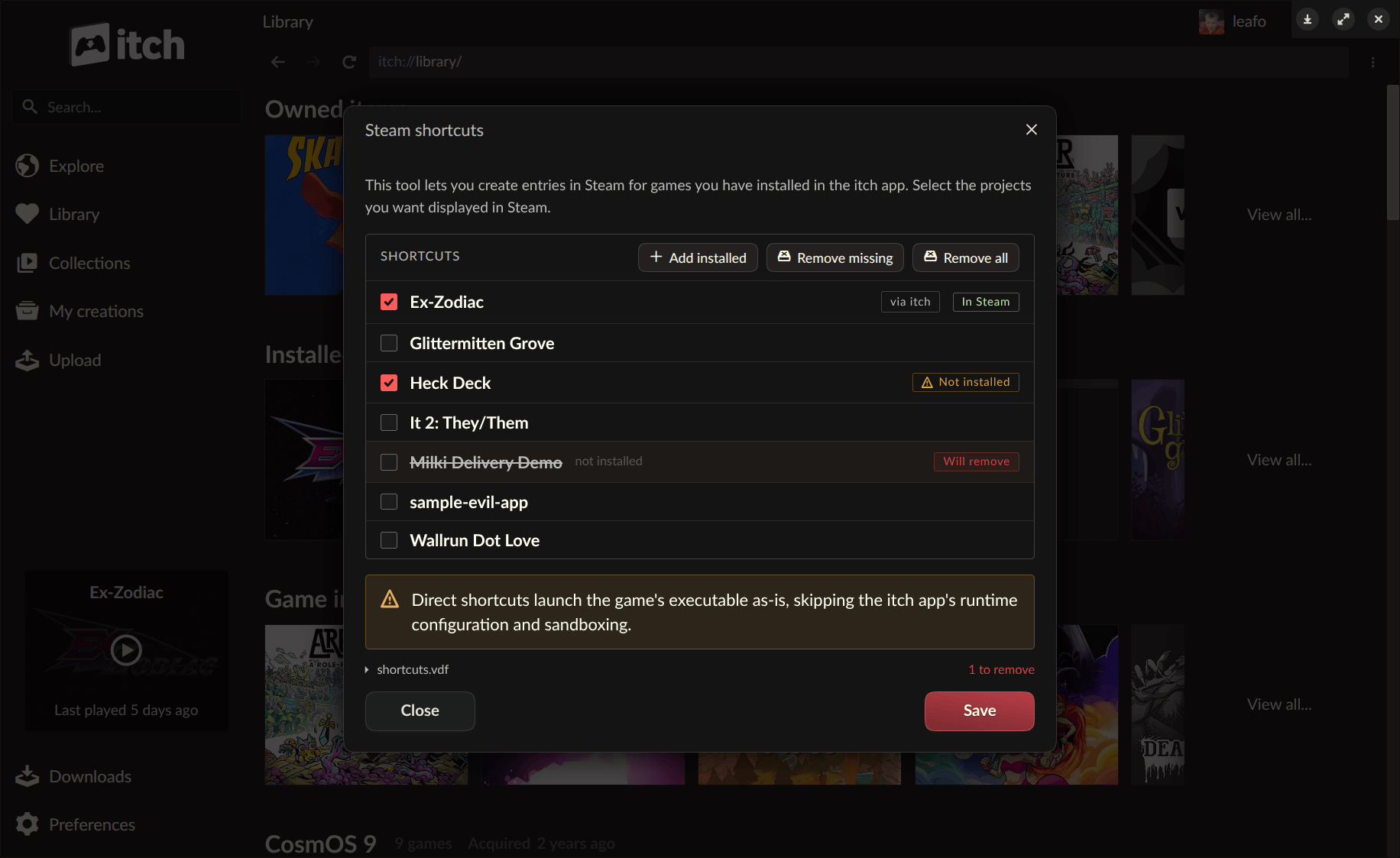
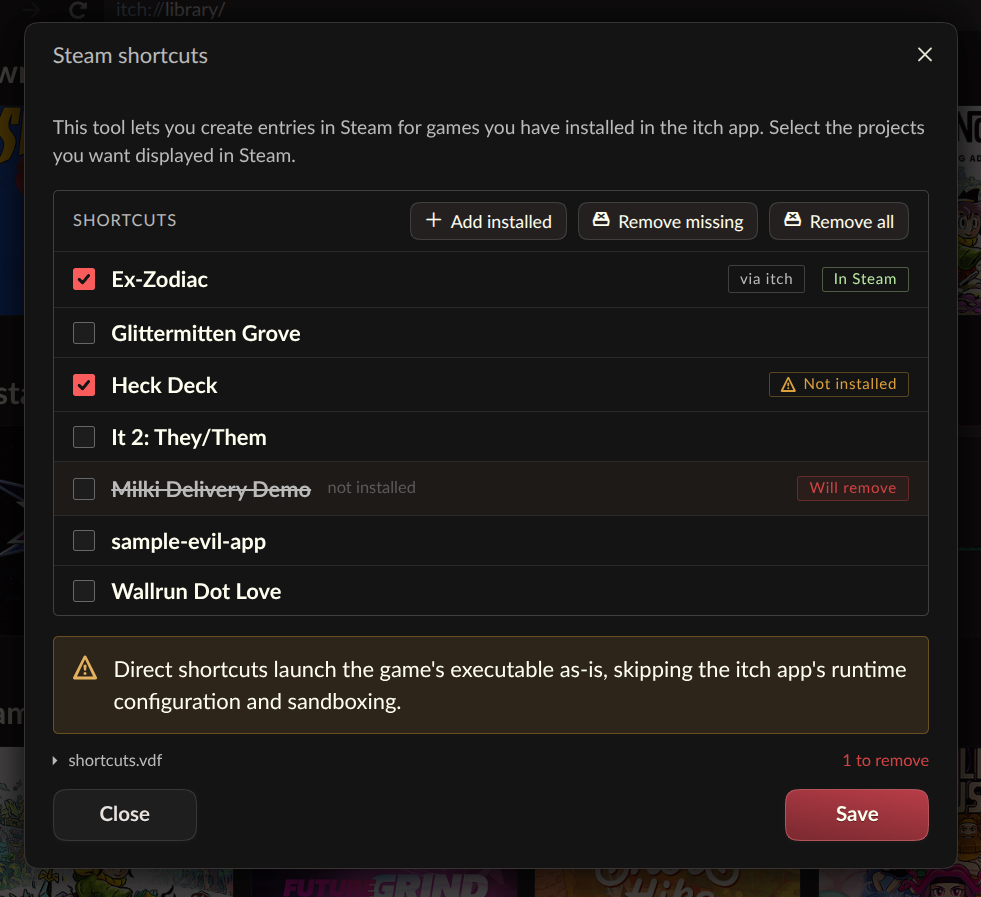
The centerpiece of this update is the ability to export games installed via the itch.io app directly into the Steam library. For users heavily invested in the "Steam ecosystem"—particularly those utilizing the Steam Deck or the platform’s Big Picture mode—this change is transformative. Previously, managing an itch.io library alongside a Steam library required toggling between disparate interfaces. Now, titles from itch.io can appear alongside AAA mainstays, effectively treating the itch.io app as a backend manager while leveraging Steam’s robust UI and controller-mapping capabilities as the primary interface.
The integration is designed to be seamless. Once a user enables the feature via the preferences menu or a simple right-click on an installed game, the itch.io app automatically generates a shortcut. To maintain organizational clarity, all synchronized titles are neatly filed into a dedicated "itch.io" collection within the Steam client, ensuring that the user’s library does not become cluttered with non-Steam imports.
Technical Foundations: The Advent of Headless Launching
To facilitate this integration without requiring the full itch.io desktop client to be active in the background, developers have introduced a "headless runner" mode. This allows the Steam shortcut to trigger a game without launching the entire itch.io application window, significantly reducing resource overhead.
This "headless" functionality is not merely a convenience for Steam users; it represents a major architectural shift. By utilizing the command itch-setup --run-game <gameId>, users can now invoke games via third-party launchers, custom scripts, or external management tools. Crucially, this does not bypass the platform’s security and management features. The headless mode still respects the application’s sandboxing protocols, prerequisite checks, per-game launch settings, and time-tracking telemetry. It effectively functions as a bridge that keeps the "itch.io magic" intact while allowing the game to feel as though it were a native application.
Chronology of Development and Community Feedback
The itch.io app has seen a steady evolution over the past eighteen months, moving from a simple downloader to a comprehensive library manager. The decision to pursue Steam integration was not a sudden pivot but a response to years of community requests.
- Early 2023: Initial discussions regarding "Library Fragmentation" began to surface in community forums, with users highlighting the difficulty of managing itch.io collections on portable hardware like the Steam Deck.
- Late 2023: Iterations v26.15 and v26.17 laid the groundwork for better performance and file management, preparing the infrastructure for deeper system integration.
- Mid-2024: The development team focused on the "butler" command-line tool, refining the launch machinery to support the headless execution required for the current update.
- Current Release (v26.20.0): The public rollout of Steam integration, alongside the ability to manually link existing folders—a "safety valve" feature for users with pre-existing local installations.
Empowerment Through Flexibility: Linking Existing Folders
While the Steam integration is the flashiest addition, the "Link existing folder" feature addresses a long-standing pain point for power users. Historically, if a user downloaded a game outside of the itch.io app (perhaps via a web browser or a direct file transfer), the app would not recognize the installation, often forcing a time-consuming re-download.
With the new update, users can navigate to the game’s install dialog and select "Link existing folder." The app will then adopt that directory into its management system. While the team notes that this is an "escape hatch" and does not include file-verification checks (placing the onus of file integrity on the user), it offers a much-needed bridge for users who maintain DRM-free archives or use specialized external downloaders.
Official Perspectives and Technical Implications
In the documentation accompanying the release, the itch.io team emphasizes that this is an experimental phase. They have actively encouraged users to report bugs via their GitHub repository, acknowledging that the nuances of various operating systems—especially Linux distributions—can lead to edge cases.
From a technical standpoint, the implementation of butler launch as a subcommand is a masterclass in modular software design. By decoupling the "launch machinery" from the GUI, the developers have essentially future-proofed the platform. If a new launcher or operating system paradigm emerges in the coming years, the itch.io app is already equipped to interface with it without requiring a full rewrite of its core engine.
Implications for the Indie Ecosystem
The implications of this update are profound for both developers and consumers:
For the Consumer
The "fragmentation" of PC gaming is a common criticism, with players forced to navigate Steam, Epic, GOG, and itch.io separately. By allowing Steam to act as a unified dashboard, itch.io is effectively "piggybacking" on the industry-standard UI without sacrificing its unique, indie-first ethos. Users who prefer to support indie developers through itch.io—where creators often receive a larger percentage of revenue—no longer have to choose between their principles and the convenience of the Steam Deck’s interface.
For the Developer
Developers can now rest easier knowing their titles have a higher chance of being played by users who live on Steam. When a game is easily accessible and playable within a user’s primary library, it sees higher engagement rates. By facilitating this, itch.io is ensuring that its platform remains a viable and attractive storefront even for developers who might otherwise feel pressured to launch exclusively on larger, more "integrated" platforms.
The DRM-Free Debate
The integration has sparked a lively debate within the community regarding the nature of DRM (Digital Rights Management). Some users have expressed hesitation, fearing that by linking to Steam, they are implicitly supporting a platform that they otherwise avoid. However, prominent community members have pointed out that Steam itself is merely a delivery mechanism; many games sold there are technically DRM-free if the executable is launched independently. This update allows players to keep the "itch.io philosophy" of ownership while enjoying the polish of the Steam experience.
Looking Ahead
The response from the user base has been overwhelmingly positive, with early adopters praising the ease of setup on handheld devices. However, the itch.io team remains vigilant. As one developer noted in the release notes, the goal is not to trap users in a specific ecosystem, but to make the content they purchase on itch.io more accessible regardless of their hardware preference.
As the industry moves toward a future of increasingly portable and modular gaming hardware, tools like the updated itch.io app will be essential. By prioritizing interoperability and user agency, itch.io is not just keeping pace with the industry giants—it is providing a blueprint for a more connected, less restrictive gaming future.
With v26.20.0, the "itch" is no longer just a place to buy games; it is becoming a robust, platform-agnostic library manager that respects the user’s right to choose how, where, and through which interface they enjoy their collection. Whether you are a Linux-based tinkerer or a casual player on the Steam Deck, this update serves as a reminder that the best gaming platforms are the ones that work for the user, not the other way around.