Supporting the Indie Ecosystem: itch.io Announces Creator Day for November 24th
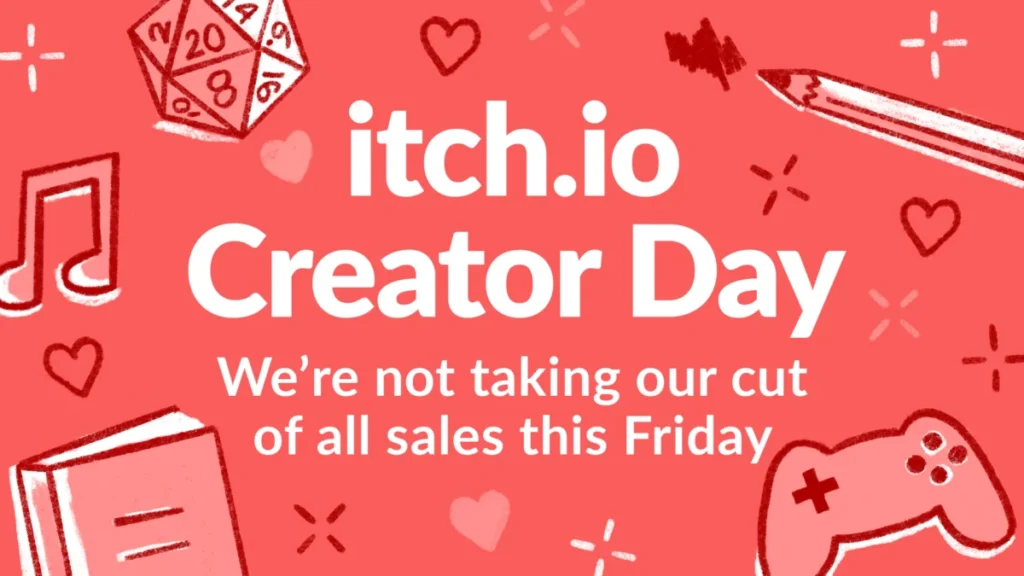
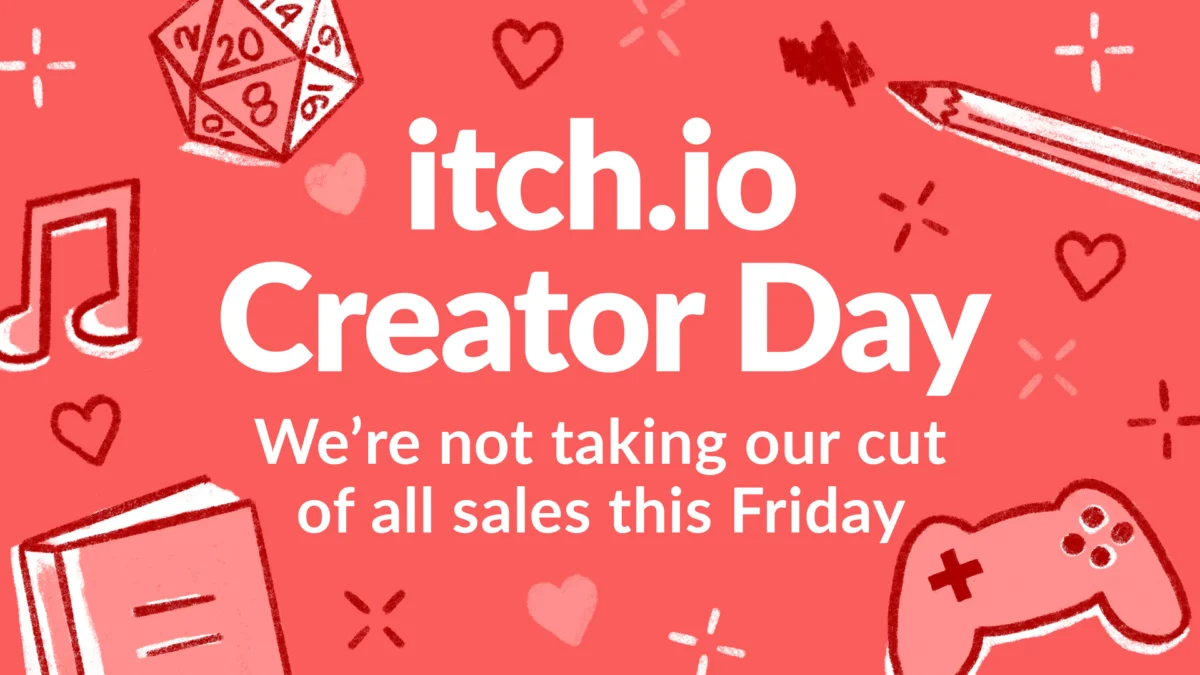
In an era where the digital marketplace is increasingly dominated by corporate giants and algorithmic storefronts, itch.io continues to stand as a bastion for independent creativity. Today, the platform has officially confirmed that its next "Creator Day" will take place this coming Friday, November 24th. This recurring initiative, which has become a staple of the indie gaming calendar, serves as a vital financial lifeline for developers, designers, and artists who rely on the platform to reach their audience. By waiving their revenue share for a full 24-hour cycle, itch.io is once again putting its money where its mission is: directly into the pockets of the creators.
Main Facts: A Commitment to the Creator Economy
The mechanics of itch.io Creator Day are elegantly simple yet profoundly impactful. During the 24-hour window of Friday, November 24th—stretching from 12:00 AM to 11:59 PM Pacific Time—itch.io will relinquish its entire commission on all sales processed through the platform.
For the average consumer, this might seem like a standard Black Friday promotion. However, for the independent developer, it represents a significant shift in the economic power dynamic. Typically, platforms such as Steam, the Epic Games Store, or mobile app stores take a percentage of every transaction, often ranging from 12% to 30%. On Creator Day, that percentage—which usually goes to operational costs and corporate profit—is redirected entirely to the developer.
This event is not limited to video games. The itch.io ecosystem is incredibly diverse, encompassing tabletop role-playing games (TTRPGs), digital art assets, soundscapes, source code, and educational books. As the platform noted in its official announcement, the day is designed to encourage users to "gobble up some deals" while ensuring that the creators behind those works receive the maximum possible return for their labor.
Chronology: From Concept to Community Tradition
The history of Creator Day is rooted in the platform’s early response to the COVID-19 pandemic and the subsequent economic instability that gripped the independent development scene.
- The Inception (2020): During the initial lockdowns, itch.io launched the "Bundle for Racial Justice and Equality" and subsequent creator-focused initiatives. These proved that the community was willing to mobilize behind meaningful financial support.
- The Formalization (2021-2022): Seeing the success of these ad-hoc efforts, itch.io formalized the "Creator Day" concept. It was designed to coincide with major shopping holidays, providing an ethical, creator-first alternative to the rampant consumerism of Black Friday.
- The Current Cycle (2023): This year’s event arrives at a critical juncture for the industry. With widespread layoffs affecting major studios and a tightening of venture capital for indie teams, the direct support of the player base has never been more essential.
The event schedule is split into two distinct tiers:
- The Creator Day Window: November 24th (Midnight to Midnight PT). This is when the revenue-share waiver is active.
- The Extended Sale Period: While Creator Day concludes on Friday, the associated site-wide discounts will remain active until Tuesday, November 28th. This ensures that the promotional momentum of the weekend continues, even after the platform’s revenue waiver period ends.
Supporting Data: Why Direct Revenue Matters
To understand the importance of this event, one must look at the economics of the "Indie Long Tail." Unlike AAA titles that rely on massive marketing budgets and retail distribution, indie games on itch.io often exist in a fragile state of profitability.
Data from the indie sector suggests that for small-scale developers, a single "high-impact" day of sales can often account for 10% to 15% of their annual revenue. When a platform waives its fee, it effectively provides an immediate "raise" for the developer. If a developer sells a game for $10, normally they might see $8.50 to $9.00 after platform fees and processing costs. On Creator Day, they see the full $10.00. While a few dollars per unit might seem trivial, across hundreds or thousands of units, this creates a liquidity cushion that allows developers to pay for server costs, software licenses, or even basic living expenses during the lean months of development.
Furthermore, the surge in traffic during Black Friday weekend provides a unique "discovery multiplier." Because the platform highlights these deals, games that might have been buried in the vast catalog of itch.io receive a visibility boost. This algorithmic exposure is arguably as valuable as the revenue waiver itself.
Official Responses and Platform Philosophy
The leadership at itch.io has maintained a consistent stance regarding their business model. Unlike competitors that emphasize "exclusivity" or "platform lock-in," itch.io has championed the idea of the "open store."
In a recent communication, a spokesperson for the platform emphasized, "Our goal is not just to host files, but to host a community. We know that the people who make the games are the ones who make the platform worth visiting. When they succeed, we succeed."
This philosophy is reflected in the platform’s design. Users are given the ability to pay more than the asking price for games—a feature often utilized by fans to provide extra support to their favorite creators. During Creator Day, this "pay what you want" feature becomes even more potent, as 100% of the customer’s generosity goes directly to the developer, rather than being diluted by platform overhead.
Implications: The Future of Digital Marketplaces
The success of Creator Day has broader implications for the future of the digital games industry. It challenges the "Standard Storefront" model that has been the status quo for nearly two decades.
1. The Decentralization of Influence
By focusing on Creator Day, itch.io is subtly shifting power away from the "curated storefront" and toward the "community-led marketplace." When users are incentivized to support creators directly, they become more invested in the success of the developers themselves, rather than just the platform that hosts them.
2. Ethical Consumerism in Gaming
There is a growing movement of "ethical gaming," where players consciously choose where they purchase their media based on how the platform treats its workers and its creators. Creator Day serves as a litmus test for this movement. It provides a clear, transparent incentive for users to spend their money in a way that aligns with their values.
3. Sustainability for Micro-Studios
For solo developers and two-person teams, the stability offered by these events is crucial for long-term project viability. The ability to generate a "burst" of revenue allows these creators to commit to multi-year development cycles without the immediate pressure of finding outside investment.
How to Participate
For those looking to engage with the event, the instructions are straightforward:
- Explore: Visit the itch.io homepage on Friday, November 24th. The site will feature a dedicated section highlighting participating creators and discounted titles.
- Support: If you find a game or asset you enjoy, consider purchasing it during the 24-hour window. Your contribution will have the maximum possible impact on the developer during this time.
- Share: The discoverability of indie games is often driven by word-of-mouth. Sharing your favorite finds on social media using the #itchio tag helps bring more eyes to the hard-working creators who make the platform what it is.
Conclusion
As the industry heads into the final stretch of 2023, the itch.io Creator Day stands as a refreshing reminder that gaming is, at its heart, a medium driven by individual human expression. While the broader tech industry focuses on quarterly growth and shareholder value, itch.io continues to focus on the person behind the screen—the coder, the artist, and the writer.
This Friday, the platform invites everyone to participate in a cycle of mutual support. By purchasing a game, an asset, or a TTRPG module, you are not merely buying a digital file; you are validating the work of an independent creator and ensuring that they have the resources to continue their craft. In an ecosystem that can often feel cold and automated, this is a vital human connection that keeps the indie spirit alive.