The "Ameyega" Aftermath: A Retrospective on itch.io’s Retro-Inspired April Fools’ Experiment
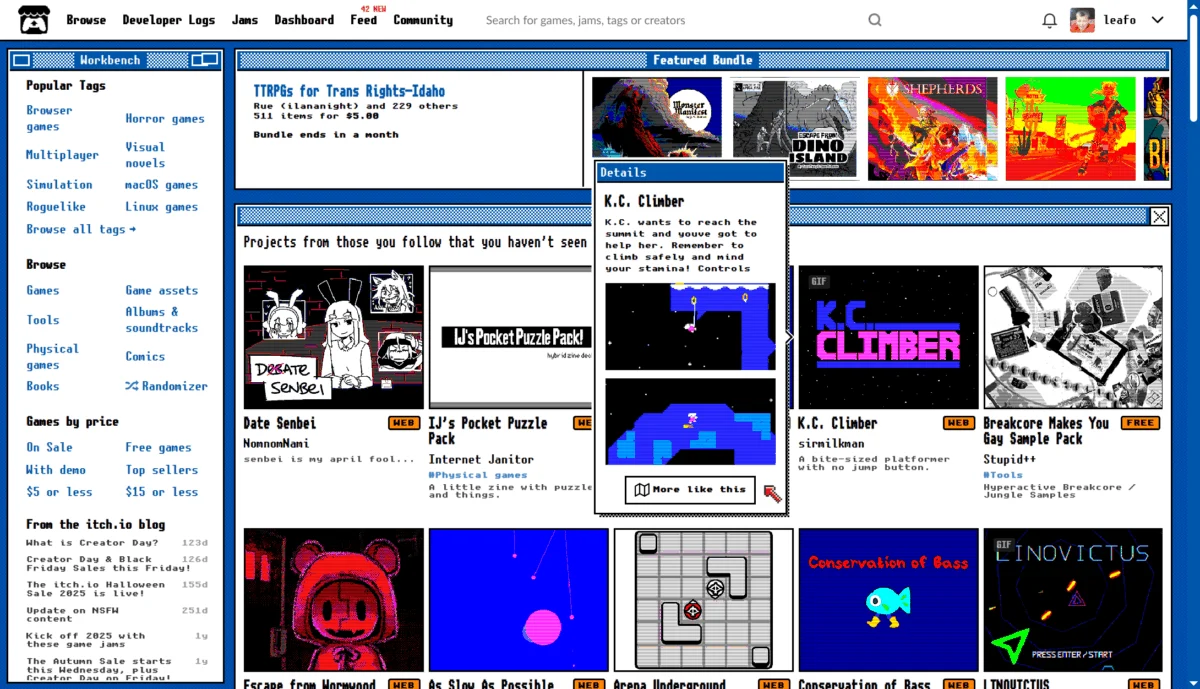
For the independent gaming community, the arrival of April 1st is often met with a mixture of excitement and trepidation. Platforms across the digital landscape use the day to debut whimsical, often jarring, site-wide aesthetic shifts. This year, itch.io—the leading destination for indie developers and enthusiasts—decided to lean into the spirit of early computing history. By transforming its modern, clean interface into a monochrome, ASCII-art-infused homage to retro aesthetics dubbed "Ameyega mode," the platform sparked a complex conversation regarding UI design, accessibility, and the delicate balance between corporate playfulness and functional utility.
The Genesis of Ameyega: A Nostalgic Overhaul
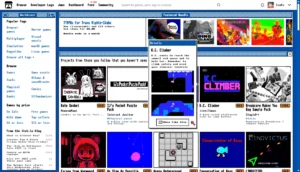
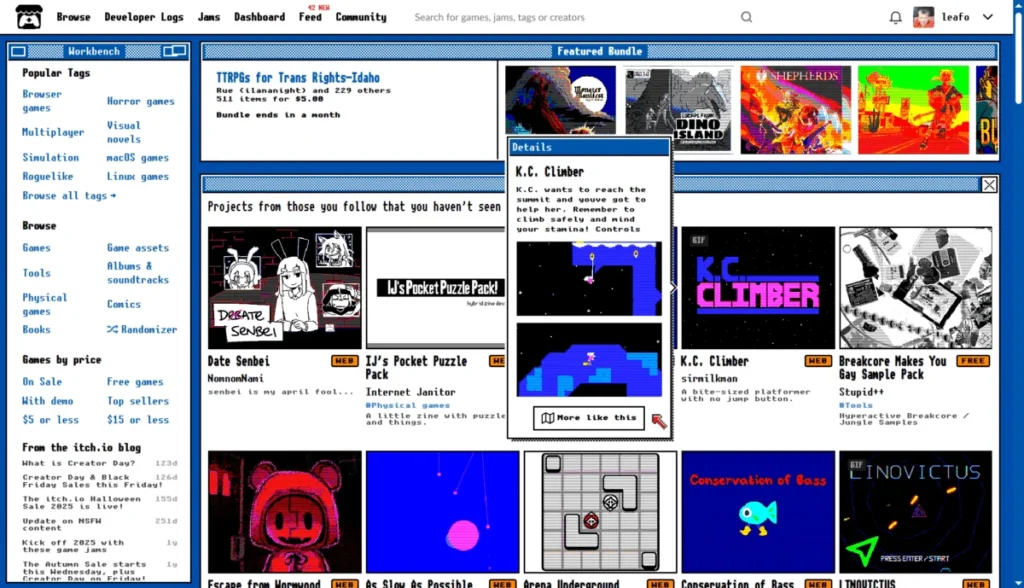
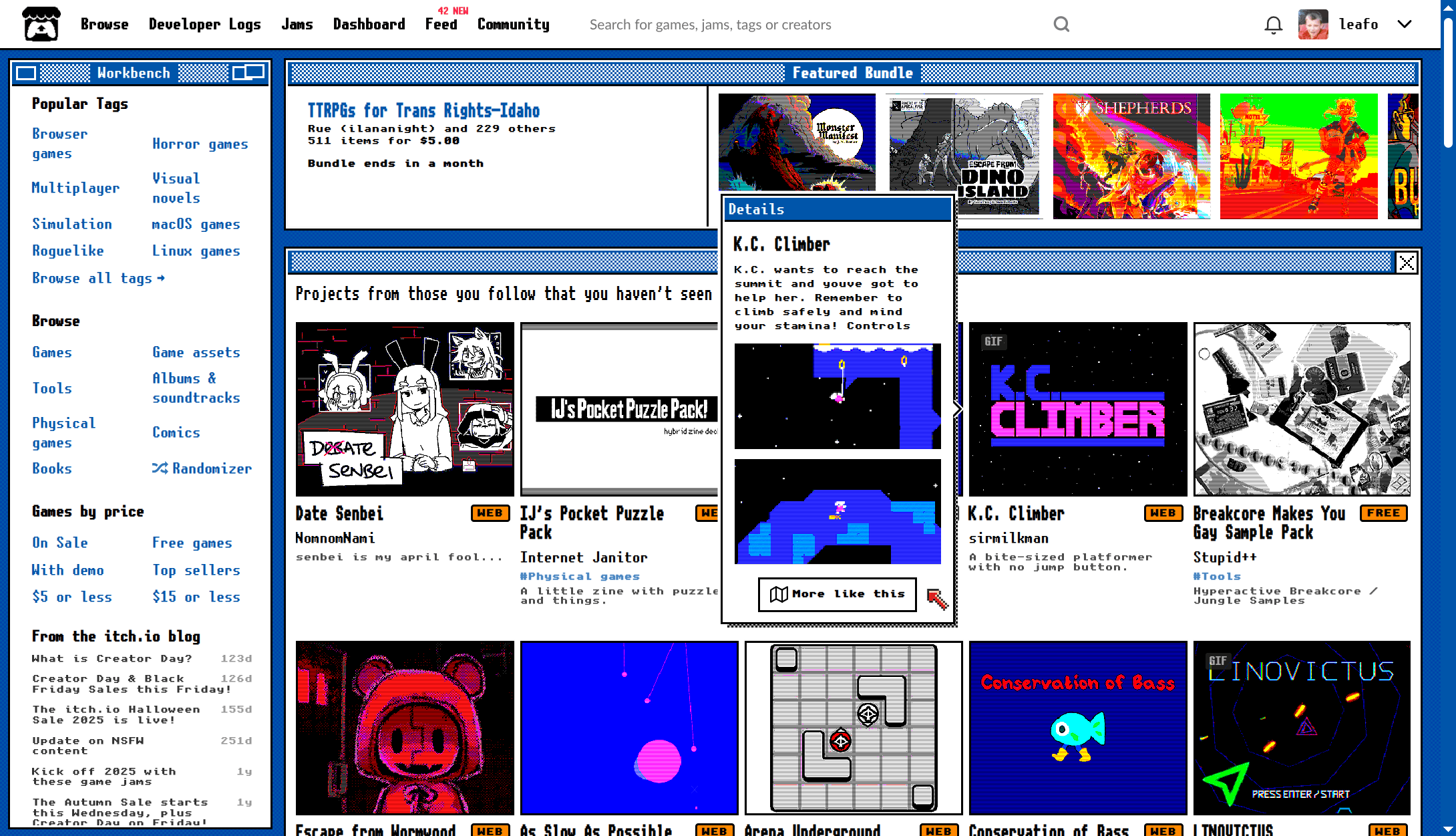
The transformation was abrupt. On April 1st, visitors to the itch.io homepage were greeted not by the familiar sleek layout of trending games and developer updates, but by a blocky, low-resolution aesthetic reminiscent of the 8-bit era. Utilizing the "unscii" font—a project known for its dedication to bitmap typography—the developers completely stripped the homepage of its modern CSS polish in favor of a monochromatic, grid-based layout.
The project, titled "Ameyega mode," was an unannounced shift that served as both a prank and a love letter to the early days of the internet and home computing. According to site administrators, the implementation was intentionally delayed, leading to a decision to keep the theme active for several days beyond the traditional 24-hour April Fools’ window. This extended duration was the primary catalyst for the diverse range of user feedback that followed.
Chronology of the Event
The timeline of the Ameyega implementation provides a clear window into how digital platforms navigate community sentiment in real-time:
- April 1st: The switch goes live. Users report confusion and delight in equal measure. The lack of prior announcement catches the community off guard.
- April 2nd–3rd: Discussion boards on the platform become highly active. The divide between those who find the aesthetic "charming" and those who find it "unusable" grows sharper.
- April 4th: Reports of technical glitches begin to circulate. Specifically, users note that the Ameyega theme interfered with the platform’s native "Dark Mode," causing significant readability issues for those with visual impairments or specific preferences.
- April 5th: The itch.io team issues a formal update acknowledging the conclusion of the mode. They provide a specific URL (https://itch.io/?ameyega) for users who wish to toggle the view manually, effectively moving the prank from a forced default to an opt-in experience.
- April 6th onwards: Maintenance continues as the team works to restore full functionality to the site’s native UI, specifically addressing the broken CSS that plagued the Dark Mode transition during the event.
Community Sentiment: A Divided Userbase
The reaction to Ameyega mode was a microcosm of the broader challenges inherent in managing a global, diverse user platform. The comment sections of the update post became a battleground of conflicting priorities.
The Pro-Nostalgia Camp
For many users, the ASCII interface was a welcome break from the monotony of modern web design. Comments lauded the aesthetic as "delightful" and "nostalgic." Some users expressed a genuine desire for the team to retain the interface as an optional theme, arguing that its simplicity made for a cleaner, less cluttered browsing experience compared to the standard modern layout. For these users, the value of the prank lay in its subversion of corporate norms.
The Accessibility and Utility Critique
Conversely, a significant portion of the userbase found the change detrimental to their ability to engage with the site. The most vocal criticisms centered on accessibility. Users with visual impairments reported that the font choice and color contrast made navigation difficult, if not impossible. Others pointed out that the experimental theme broke core site functionalities, such as the ability to view updates from followed creators or navigate to specific game pages.
One user noted, "I am disabled and I can’t watch this! How do you get this crap off?" This highlights a critical lesson for platform developers: what is perceived as a "fun" temporary change by the design team can be perceived as an accessibility barrier by the user.
Implications for Platform Design and Governance
The Ameyega incident serves as a case study in the risks of modifying a platform’s primary interface without an immediate opt-out mechanism. While the itch.io team’s intent was clearly benign, the backlash underscores several key implications for future site updates.
The Priority of Accessibility
The foremost takeaway is that accessibility cannot be an afterthought. Even during lighthearted events, core site features—including high-contrast modes, screen-reader compatibility, and navigation menus—must remain functional. When the Ameyega theme inadvertently broke the platform’s Dark Mode, it alienated users who relied on that setting for health or comfort reasons, turning a "fun" experience into a source of physical discomfort.
The "Default vs. Opt-in" Dilemma
For future experiments, the community response suggests that the "opt-in" model is vastly superior to the "forced" model. While the "shock value" of a forced UI change creates buzz, it also creates friction. The subsequent implementation of a direct URL toggle was a prudent move by the developers, but the initial period of forced engagement resulted in a disproportionate amount of negative sentiment that could have been avoided with a simple "Try the new theme" button.
Maintaining Trust
The community’s frustration was compounded by existing grievances, such as reports of users being unable to post on game pages. When a platform changes its UI while simultaneously failing to address persistent community-reported bugs, users may perceive the UI change as a sign of misplaced priorities. For an indie-focused site like itch.io, where the community is the product, maintaining trust is essential. The developers’ willingness to engage with comments and address the technical fallout indicates a level of responsiveness, but the incident serves as a reminder that the community is highly sensitive to changes that impact their ability to connect with creators.
Official Response and Future Outlook
In their closing statement regarding the event, the itch.io team maintained a transparent and apologetic tone, acknowledging that the mode stayed up longer than intended due to a late release. By providing a link to revisit the aesthetic, they effectively validated those who enjoyed the design while acknowledging that it was not a sustainable long-term solution.
The incident highlights a broader trend in the tech industry: the increasing tension between "brand personality" and "user experience." itch.io has long cultivated a brand identity that is quirky, developer-friendly, and slightly rebellious. The Ameyega mode was a natural extension of that identity. However, as the platform scales, the margin for error narrows.
As the site continues to evolve, the lessons from the Ameyega experiment are clear: creativity is welcomed, but consistency and inclusivity are the bedrocks of a successful digital community. The experiment was a success in terms of engagement and nostalgia, but a cautionary tale in terms of user-centric design. Whether or not itch.io will attempt similar experiments in the future remains to be seen, but it is certain that the community will be watching with a more critical eye—and perhaps, a renewed appreciation for the standard, accessible interface that powers the indie gaming world.
Conclusion
The Ameyega mode experiment was more than just a fleeting April Fools’ joke; it was a high-profile test of the relationship between a platform and its users. It demonstrated that while aesthetic experimentation can foster a sense of shared culture, it must never come at the expense of usability or accessibility. As itch.io moves forward, the team will likely carry these lessons into future updates, balancing their signature creative flair with the practical, functional needs of a global user base that values clarity, performance, and—above all—the ability to interact with the games they love without unnecessary friction.