The Battle for Your Wrist (and Finger): Oura Ring 5 vs. Apple Watch Series 12
The landscape of personal health technology has undergone a seismic shift over the last decade. What began as a niche interest for marathon runners and data-obsessed biohackers has blossomed into a multi-billion-dollar industry that touches the lives of millions. From the humble beginnings of simple step-counting wristbands to the sophisticated, multi-sensor arrays strapped to our bodies today, the goal remains the same: to provide actionable insights that help us live longer, healthier lives.
As the market matures, we find ourselves at a fascinating crossroads. Two distinct philosophies are currently dominating the conversation: the comprehensive, screen-based utility of the Apple Watch Series 12 and the discreet, "always-on" biometric monitoring of the Oura Ring 5. Choosing between them is no longer just about tracking steps; it is about deciding what role technology should play in your daily existence.
Main Facts: Comparing the Contenders
At their core, both the Oura Ring 5 and the Apple Watch Series 12 function as sophisticated biometric data collection points. They both monitor heart rate, heart rate variability (HRV), blood oxygen levels, sleep stages, and activity levels. Both devices offer "Readiness" scores designed to help users understand whether they should push their physical limits or prioritize recovery.
The Apple Watch Series 12
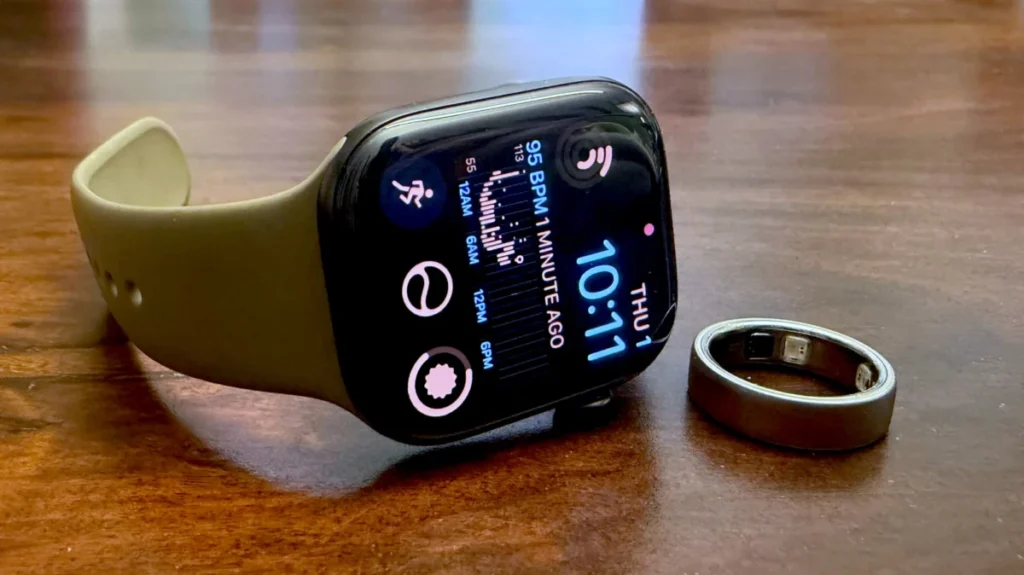
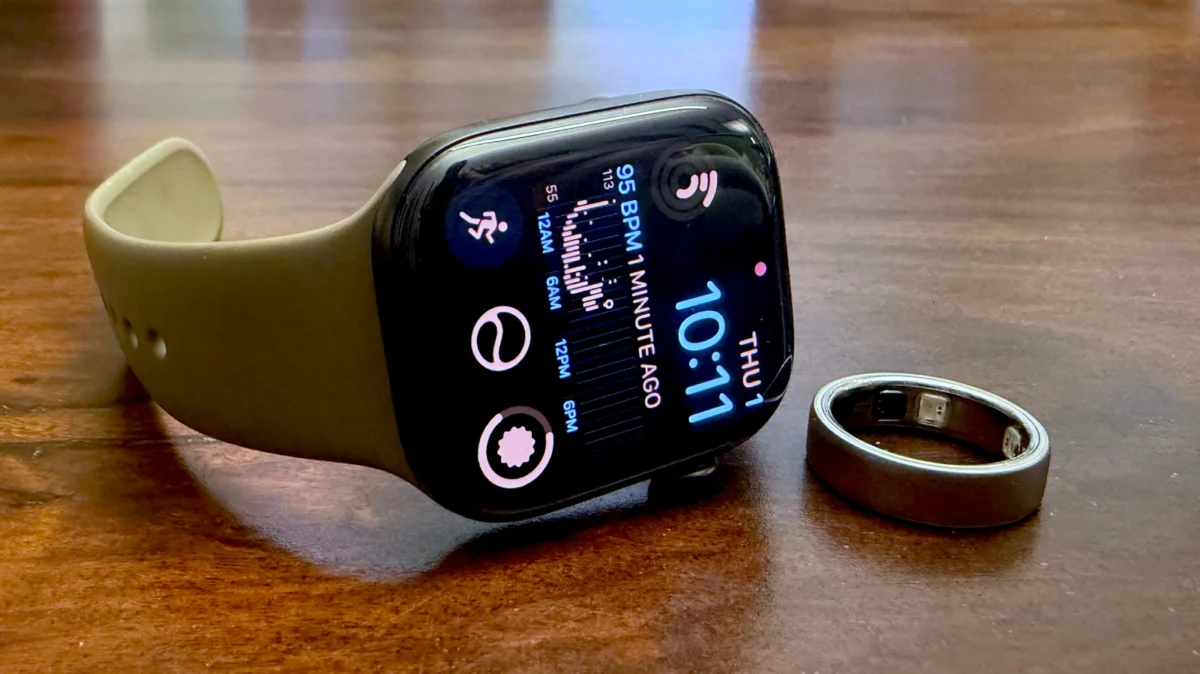
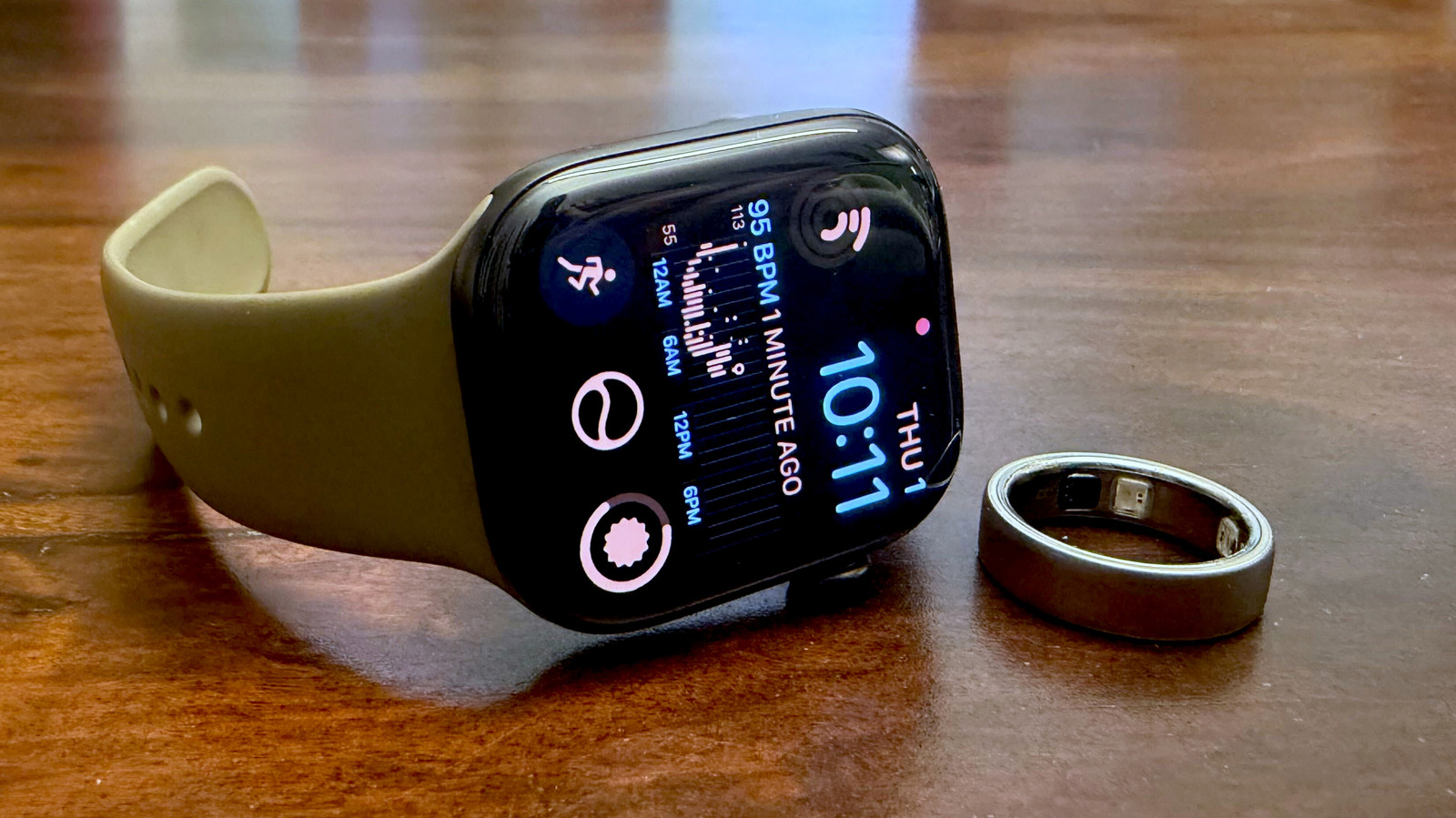
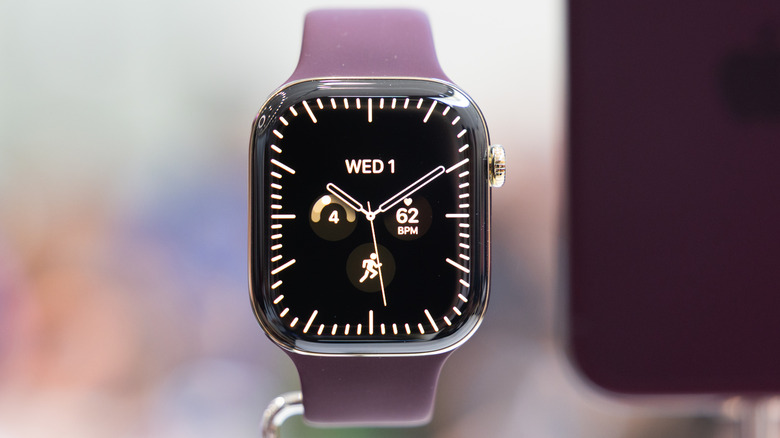
The Series 12 is, first and foremost, a powerful, wrist-worn computer. Powered by the S11 processor and boasting 64GB of storage, it is designed to be an extension of the iPhone. It features a vibrant, high-resolution touchscreen that allows for real-time data visualization, GPS navigation, cellular connectivity, and a vast ecosystem of third-party apps. It is a device that demands your attention, offering notifications, Apple Pay, and interactive workout coaching.
The Oura Ring 5
The Oura Ring 5 represents the opposite approach. It lacks a screen, haptic alerts, and a standalone interface. It is designed to be "invisible"—a piece of jewelry that collects data silently while you sleep, work, or exercise. Its strength lies in its form factor and battery life. While an Apple Watch requires daily charging, the Oura can easily last for a week or more on a single charge, providing a continuous, uninterrupted stream of health data that is arguably more accurate due to the vascular-rich nature of the finger compared to the wrist.
A Chronological Perspective: The Evolution of Tracking
To understand the current rivalry, one must look at the evolution of these products.
- 2010s (The Era of the Band): Early pioneers like Fitbit introduced the world to activity tracking. These devices were rudimentary, focusing on step counts and basic calorie estimation.
- 2015 (The Apple Revolution): The launch of the original Apple Watch transformed the category from "fitness tracker" to "smart wearable." It integrated health monitoring with communication, shifting the narrative toward lifestyle integration.
- 2017–2020 (The Rise of the Ring): As users began to suffer from "screen fatigue," companies like Oura gained traction by promising a "set it and forget it" experience. This period marked the professionalization of sleep tracking as a primary pillar of wellness.
- 2024–2025 (The Current Maturity): The Apple Watch Series 12 has perfected the "do-everything" wearable, while the Oura Ring 5 has refined the "minimalist-biometric" approach. We are now in a phase where the hardware has become so efficient that the deciding factor is no longer technical capability, but user experience and ecosystem philosophy.
Supporting Data: By the Numbers
When we look at the specifications, the divide becomes clear.
| Feature | Oura Ring 5 | Apple Watch Series 12 |
|---|---|---|
| Battery Life | 6–9 Days | 18–36 Hours |
| Interface | App-only (Mobile) | Touchscreen + Siri |
| Workout Utility | Passive tracking | Real-time stats + GPS |
| Ecosystem | iOS & Android | iOS only |
| Subscription | Optional (required for full features) | None (Standard features) |
The disparity in battery life is the most frequently cited reason for choosing Oura. By removing the screen and the high-power processor, Oura has created a device that doesn’t need to be part of your daily "charging ritual." Conversely, the Apple Watch’s reliance on the S11 chip allows for real-time GPS tracking and advanced fall detection, features that simply cannot be replicated by a ring without a power source.
The Subscription Conundrum: A Strategic Pivot
Perhaps the most significant differentiator is the business model.
The Apple Watch operates on a hardware-sales model. Apple incentivizes you to buy the watch and keep your iPhone, with the data integration acting as a "sticky" layer that keeps you in their ecosystem.
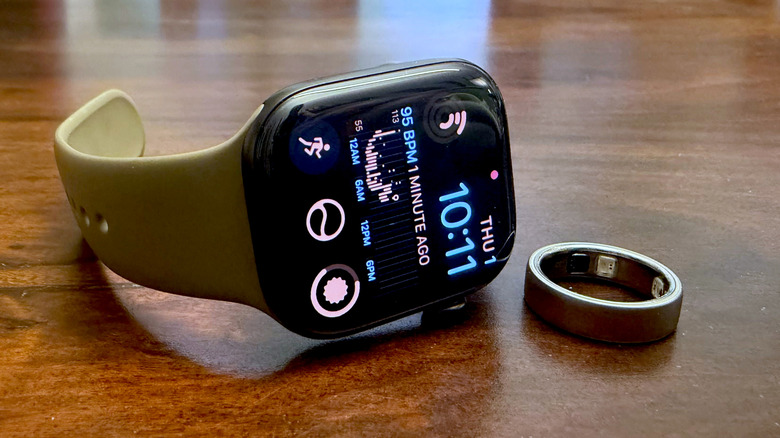
Oura, however, has leaned heavily into a subscription-based model. While the ring works as a basic sensor out of the box, the "Oura Membership" is where the value resides. Without the $6/month subscription, users lose access to deep-dive analytics, personalized health insights, and third-party app integrations like Strava. For a power user, the subscription is essential, turning the $400 purchase into a recurring cost.
Critics argue that charging for features that were once included is a risky strategy. However, Oura maintains that the subscription funds ongoing R&D, allowing them to push firmware updates that enhance sleep staging algorithms and pregnancy tracking capabilities—features that are often updated faster than Apple’s annual hardware cycles.
Official Responses and Industry Outlook
When asked about the future of wearables, industry analysts point to the concept of "Contextual Intelligence."
"We are moving past the era where data is the end goal," says Dr. Elena Rossi, a wearable tech researcher. "Users don’t want more numbers; they want fewer, better decisions. The Apple Watch is moving toward ‘active’ intelligence—it tells you to stand up or take a breath. Oura is moving toward ‘passive’ intelligence—it tells you that your recovery is low so you should avoid that high-intensity workout tomorrow."
Oura’s leadership has consistently argued that their focus on sleep is a competitive advantage. By tracking from the finger, Oura claims to have a cleaner signal for heart rate variability (HRV), which is the gold standard for measuring autonomic nervous system health. Apple, meanwhile, is focusing on the "clinical" potential of their watch, pushing for features like sleep apnea detection and blood pressure monitoring, attempting to turn the watch into a legitimate medical device.
Implications: Which One is Right for You?
The Case for the Apple Watch Series 12
If you are an iPhone user who wants a multipurpose tool, the Apple Watch is the definitive choice. It is a communication device, a navigation tool, a workout partner, and a health monitor all in one. If you are a serious athlete who needs to see heart rate zones while running or requires precise GPS tracking without carrying a phone, the Series 12 is superior. It is an active participant in your life.
The Case for the Oura Ring 5
If you feel overwhelmed by the constant pinging of notifications and the pressure to close "rings" every day, the Oura Ring 5 is a breath of fresh air. It is for the person who wants to be healthy without being obsessed. It excels in the background, providing high-quality data that you can review at your leisure. For Android users, it is arguably the best premium wearable on the market, as it provides a level of build quality and algorithmic sophistication that Android-compatible smartwatches have struggled to replicate consistently.
The "Hybrid" Reality
Interestingly, a growing segment of the market is adopting both. Many dedicated fitness enthusiasts wear an Apple Watch during the day for its functionality and swap to the Oura Ring at night for a more comfortable sleep-tracking experience. While this is an expensive solution, it highlights that these two devices are not necessarily competing for the same "slot"—they are competing for the "attention" of the user.
Final Thoughts
The choice between the Oura Ring 5 and the Apple Watch Series 12 is, ultimately, a choice between two different ways of living. The Apple Watch is for the person who wants to be connected and informed, viewing their health data as an active dashboard to be managed. The Oura Ring is for the person who wants to optimize their wellness quietly, preferring a device that integrates into their style rather than dominating their wrist.
As these devices continue to evolve, the line between "tech" and "health" will only continue to blur. Whether you choose the glowing, interactive face of an Apple Watch or the silent, elegant band of an Oura Ring, the most important takeaway is that both tools have democratized health data in ways that were unimaginable just a decade ago. The best wearable isn’t the one with the most sensors or the highest price tag—it’s the one that you will actually wear consistently enough to make a difference in your life.