The Crease Conundrum: Why Apple’s Nano-Texture iPhone Duo Isn’t Out of the Woods Yet
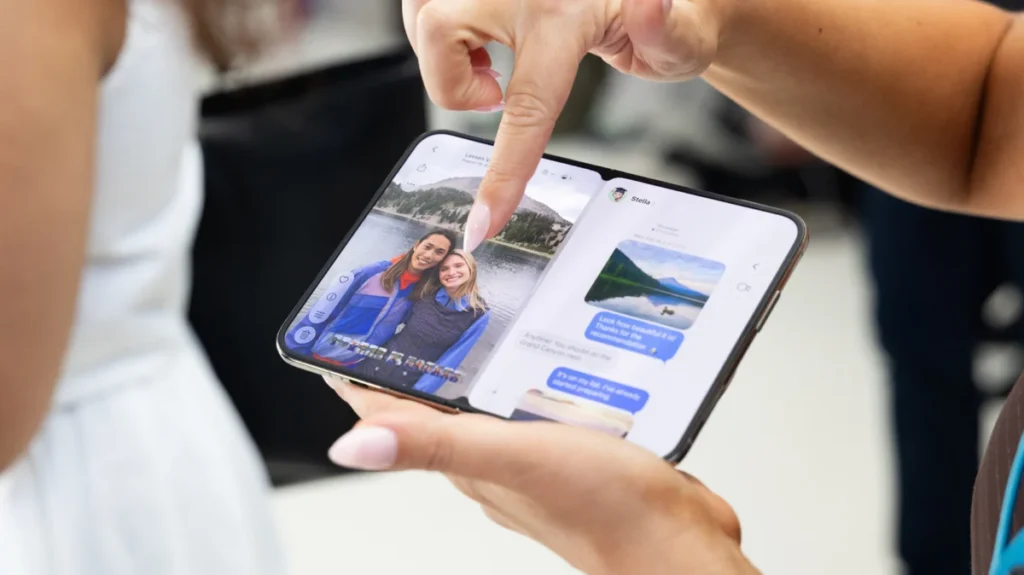
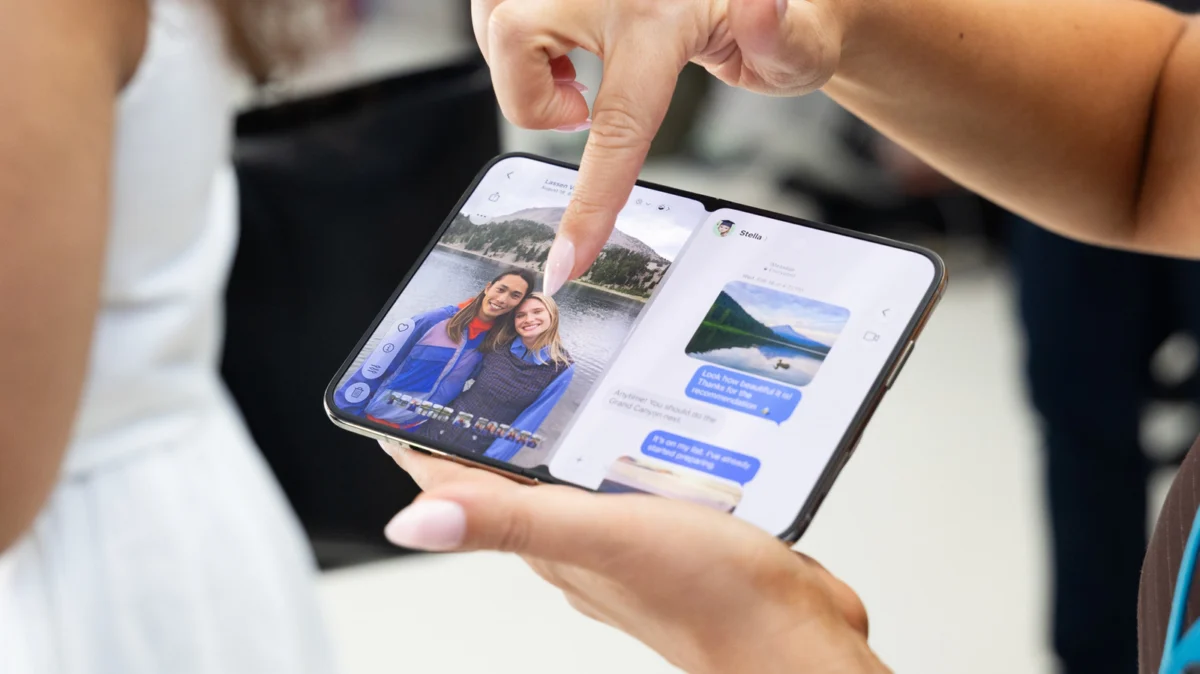
The mobile industry is currently holding its collective breath as the launch of the Apple iPhone Duo approaches. For years, the foldable smartphone market has been dominated by manufacturers like Samsung and Google, all of whom have wrestled with a singular, stubborn physical limitation: the crease. Apple, notoriously late to the foldable game, has finally thrown its hat into the ring with a promise to change the narrative. By utilizing a proprietary nano-texture display coating, the company claims it has mitigated the visual impact of the fold. However, as the device prepares for its retail debut next month, tech analysts and early adopters are raising a critical question: is this a genuine engineering breakthrough, or merely a temporary aesthetic fix?
The Core Conflict: Physics vs. Aesthetics
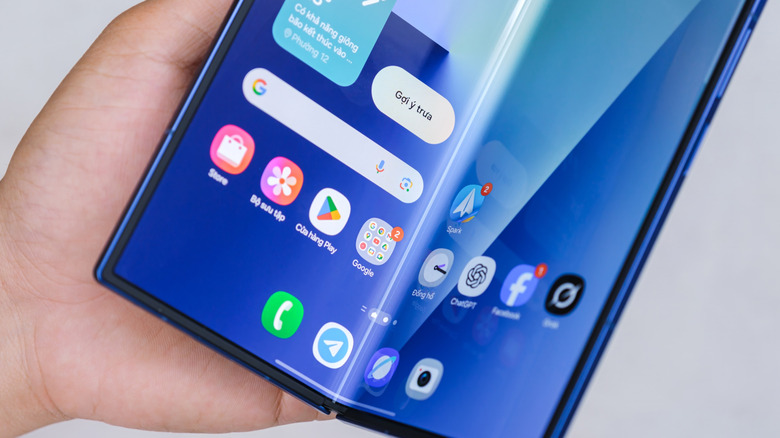
The crease in a foldable display is not a defect; it is a mathematical inevitability. To create a device that folds in half, manufacturers must employ a flexible OLED panel layered beneath a protective polymer or thin-glass substrate. When that screen is bent, the material must stretch and compress. Over thousands of cycles, the physical stress creates a permanent indentation at the fulcrum—the "crease."
While competitors have made massive strides in hinge engineering and display durability, the crease remains the "Achilles’ heel" of the form factor. Samsung’s Galaxy Z Fold series, for instance, has successfully minimized the depth of the valley, but it remains visible under harsh lighting and tactilely detectable to the user. Apple’s approach with the iPhone Duo is to attack the problem from the surface down. By applying a specialized nano-texture—a matte, light-diffusing finish—Apple intends to scatter ambient light, effectively "blurring" the visual prominence of the crease.
A Chronology of the Foldable Evolution
The trajectory of foldable technology has been one of iterative improvement, often marked by public failures and quiet refinements:
- 2019: The "First Wave" Struggles. The initial attempt at a mass-market foldable, the original Galaxy Fold, was marred by display failures and a glaringly obvious crease. It served as a proof-of-concept that highlighted how fragile the hinge and screen interface truly was.
- 2020–2022: Refinement of the Hinge. Manufacturers transitioned from U-shaped hinges to "waterdrop" or "teardrop" hinges. This allowed the display to fold into a wider radius, significantly reducing the sharpness of the crease.
- 2023: The Rise of Durability. Focus shifted toward Ultra-Thin Glass (UTG) and reinforced layers that could withstand hundreds of thousands of folds without fracturing.
- 2024: The Apple Entry. With the announcement of the iPhone Duo, Apple has introduced a new variable. By focusing on the display coating rather than just the hinge, they are shifting the goalposts toward visual perception.
The Illusion of Perfection: Why Hands-On Reports Are Only the Beginning
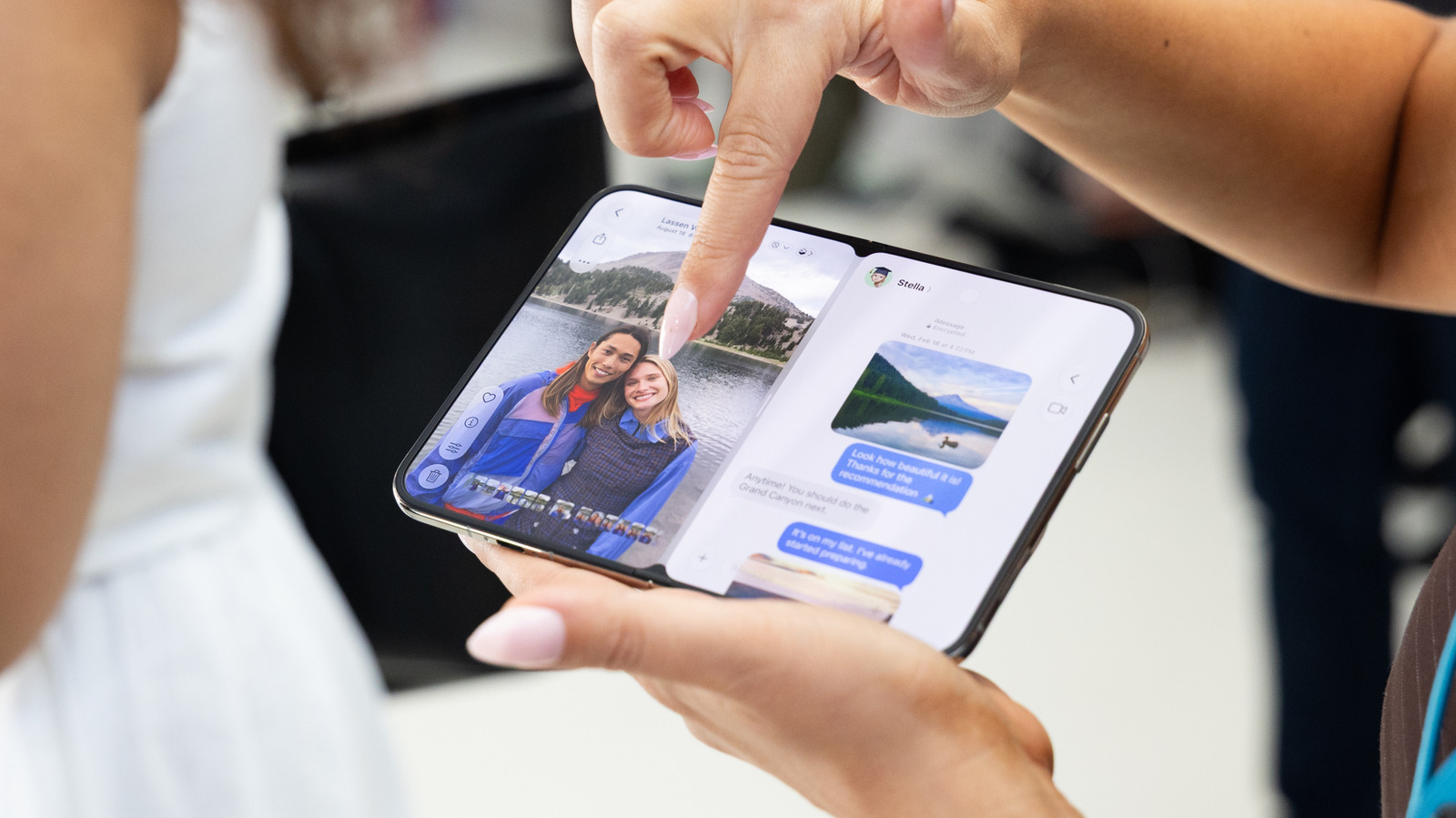
During the recent Apple unveiling, the consensus among those granted early access was largely positive. The nano-texture display, when observed in controlled, event-hall lighting, effectively masked the crease. As noted in our own hands-on impressions, the crease on the iPhone Duo is "easier to feel with your finger than observe with your eyes."
However, professional skepticism remains high. A brand-new device, fresh from the factory, has not yet been subjected to the rigors of daily life. The real test of the iPhone Duo’s display will occur at the six-month, one-year, and two-year marks.
The phenomenon of "cumulative fatigue" is the primary concern. As the polymer layers of the display undergo repeated thermal expansion and contraction, combined with the physical stress of opening and closing, the materials inevitably degrade. Reddit communities and tech forums are filled with reports from long-term owners of other foldable devices, documenting how the crease becomes more pronounced as the internal display layers lose their structural integrity. For the iPhone Duo to be considered a true success, the nano-texture must not only mask the crease on day one but continue to do so after 50,000 folds.
Official Responses and Engineering Pride
Apple executives have been notably bullish regarding the durability of the iPhone Duo. In recent interviews, members of Apple’s hardware engineering team have emphasized that the device is the culmination of a decade of R&D. They have highlighted the integration of "Ceramic Shield 2" and a proprietary hinge mechanism that is designed to distribute stress more evenly across the display panel.
"When I see someone put a screen protector on their iPhone, it makes my skin crawl," an Apple VP of Hardware Engineering recently remarked, signaling that the company believes their display surface is uniquely engineered to withstand environmental hazards. By building the anti-reflective properties directly into the screen’s nano-texture, Apple is betting that it can provide a superior user experience without the need for after-market, crease-collecting screen protectors.
The Implications: A Market Shift or a Niche Experiment?
The release of the iPhone Duo will serve as a bellwether for the entire smartphone industry. If the nano-texture display maintains its visual clarity over time, it will force competitors to adopt similar surface-treatment technologies. We can expect a "copycat" wave in 2025 where other manufacturers scramble to integrate anti-glare, matte-finish foldable displays into their own product lines.
However, the implications go deeper than just display technology. The iPhone Duo represents a shift in Apple’s philosophy. Historically, Apple avoids entering a new category until it can solve the most glaring pain points of its rivals. If Apple can prove that the crease is no longer a major deterrent, the barrier to entry for mainstream consumers will collapse.
Conversely, if early reports from long-term users begin to show the "degradation cycle" common to other foldables, the marketing narrative surrounding the iPhone Duo could take a significant hit. The tech community is already preparing for the inevitable "durability gauntlet"—a series of extreme-stress tests performed by independent YouTubers and reviewers who will put the Duo through its paces, intentionally folding it in freezing temperatures, dusty environments, and thousands of consecutive cycles.
Looking Ahead: The Future of the Fold
While we wait for the first wave of consumer units to arrive in retail stores, one thing is certain: the conversation has changed. We are no longer asking if a foldable phone can exist; we are asking if it can survive the test of time.
The iPhone Duo is not just a phone; it is a high-stakes experiment in material science. Apple has clearly invested heavily in the belief that the user experience is paramount, and by smoothing out the visual disruption of the crease, they are attempting to make the foldable experience "invisible."
For now, the crease remains, lurking beneath the surface of the nano-texture. Whether it remains a minor, ignorable artifact or becomes a source of frustration for owners remains to be seen. As consumers prepare to open their wallets, they are also preparing to be the unwitting subjects of the largest, most expensive longitudinal study on flexible display durability in history. One thing is certain: the coming months will provide the definitive answer to whether Apple has truly "fixed" the fold, or if they have simply provided a more elegant way to hide an unavoidable reality.