The Evolution of Entry-Level: Canon Unveils the Retro-Inspired EOS R8 II
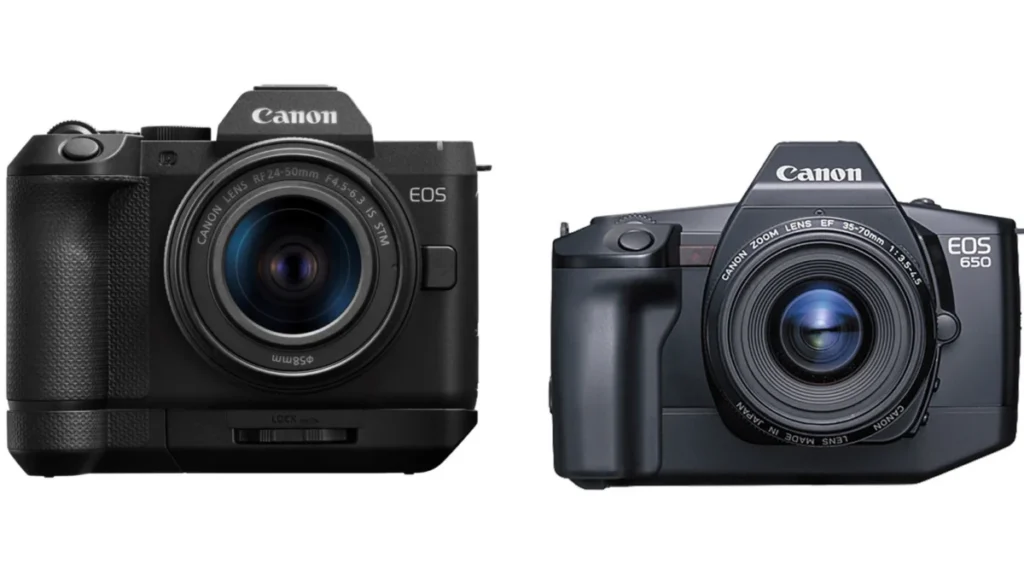
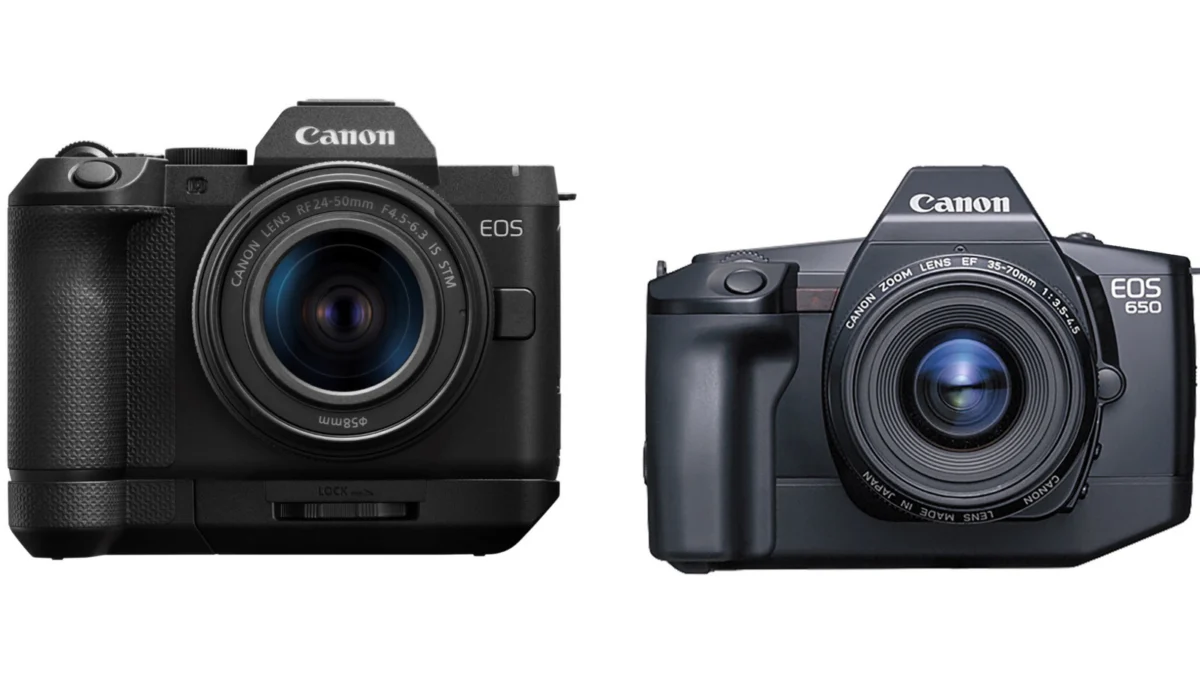
In a bold move that bridges the gap between digital innovation and analog heritage, Canon has officially unveiled the EOS R8 II. While the photography industry has seen a heavy pivot toward the booming creator and vlogging economy, Canon’s latest release serves as a powerful reminder that the company remains deeply committed to the enthusiast photography market.
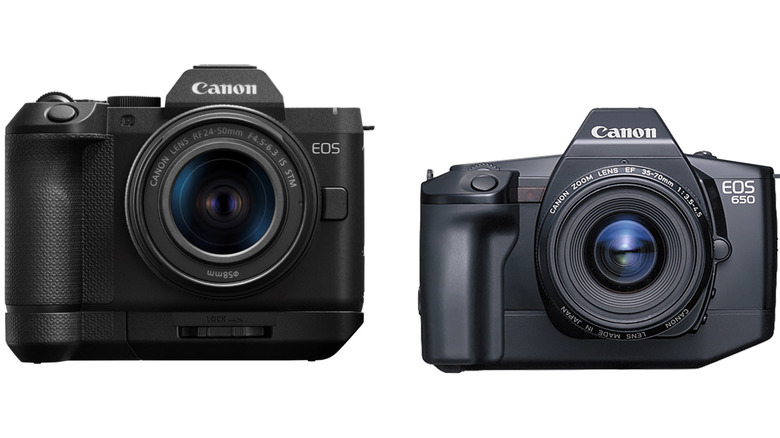
The EOS R8 II is not merely a specification bump; it is a fundamental rethinking of what an "entry-level" full-frame camera should feel like. By marrying the high-performance internals of the modern R-series with a design language inspired by the legendary EOS 650 SLR, Canon has crafted a tool that is as aesthetically striking as it is technically capable.
Main Facts: Redefining the Full-Frame Entry Point
At the heart of the EOS R8 II lies a 24-megapixel full-frame sensor, but the headline feature is its weight and stabilization. Weighing in at just 1.2 pounds (546 grams), the R8 II currently holds the title of the world’s lightest full-frame camera equipped with 5-axis in-body image stabilization (IBIS). This stabilization system is rated to compensate for up to 7.5 stops of shake when paired with compatible RF lenses, a massive upgrade that significantly widens the handheld shooting window for low-light photographers.
Performance-wise, the camera sees a dramatic leap in burst speeds. It is now capable of capturing images at an impressive 40 frames per second (fps) using the electronic shutter, complete with continuous autofocus and auto-exposure tracking. For those who fear missing the "decisive moment," the R8 II introduces pre-continuous shooting, which buffers up to 20 frames (half a second of action) before the shutter button is fully depressed.
A Chronology of Design: From the EOS 650 to the R8 II
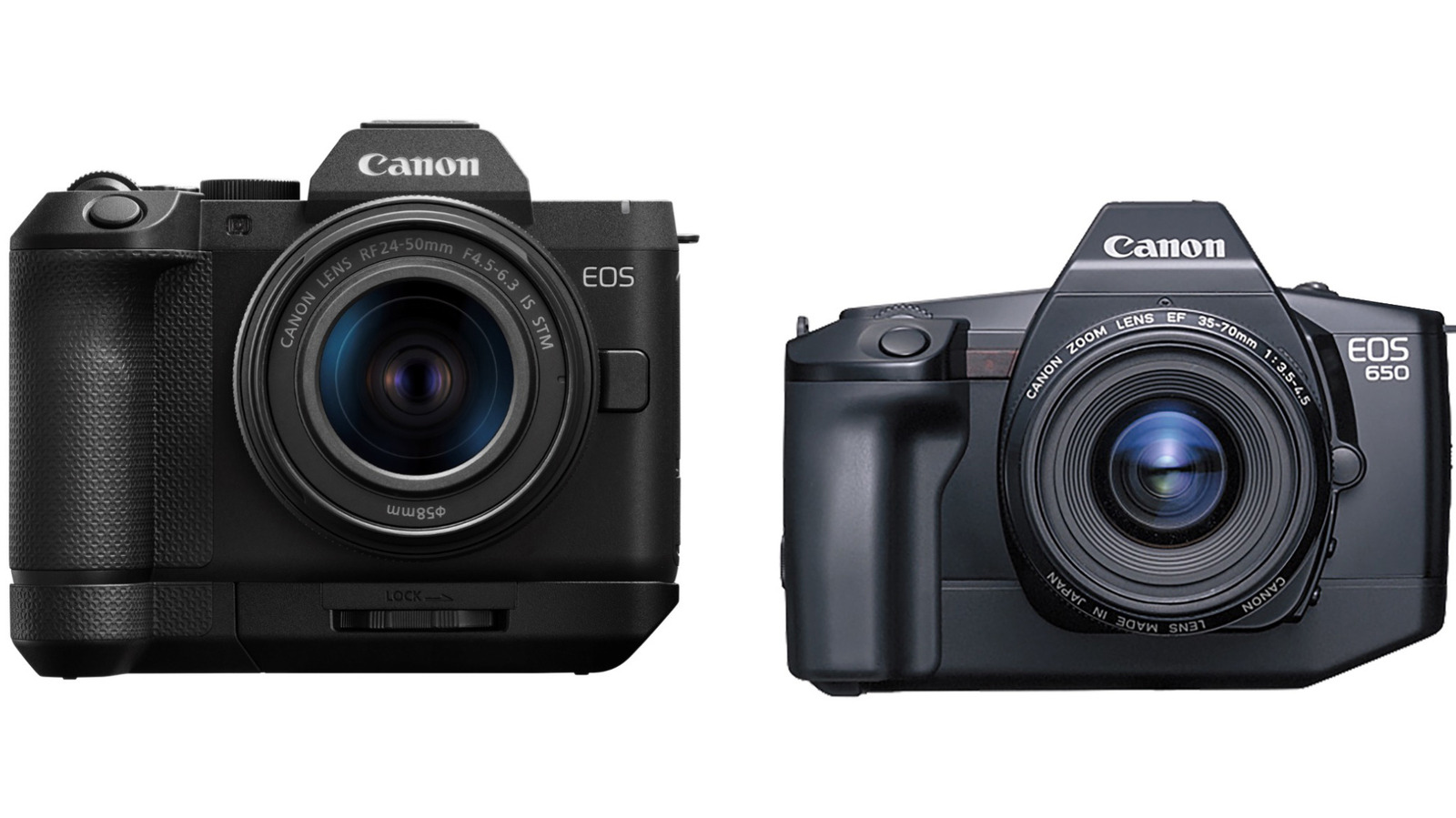
To understand the R8 II, one must look at the lineage of Canon’s design philosophy. The original EOS 650, released in 1987, was a revolutionary piece of hardware that helped transition the world into the autofocus era. It was characterized by a squared-off, ergonomic silhouette and a distinct, angled grip.
For years, Canon’s entry-level mirrorless cameras were criticized for their "rounded" and somewhat utilitarian aesthetic. With the R8 II, the design team has pivoted back to the 650’s DNA.
- 1987: Launch of the Canon EOS 650, establishing the iconic SLR form factor.
- 2023: Release of the initial EOS R8, which prioritized portability but lacked the tactile control enthusiasts desired.
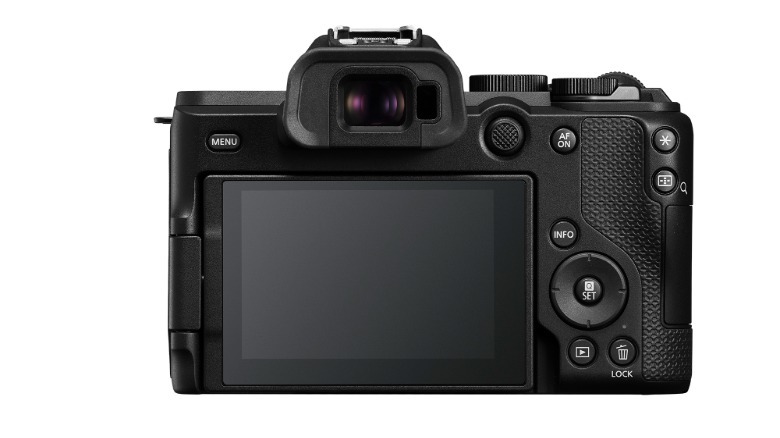
- Late 2024: Announcement of the EOS R8 II, reintroducing the "retro-chic" sharp angles and the addition of a dedicated AF-point joystick—a feature previously absent in the R8 series and highly requested by the professional community.
This evolution marks a shift where Canon is no longer treating entry-level models as "stripped-down" versions of their flagships, but rather as distinct products with their own ergonomic identity.
Supporting Data: Technical Specifications and Performance Metrics
The R8 II’s performance improvements go beyond mere frame rates. Canon has overhauled the buffer capacity, allowing for 58 percent more JPEG captures and 30 percent more RAW images during high-speed bursts compared to its predecessor.
Autofocus Mastery
The Dual Pixel CMOS AF II system has been refined to provide 100 percent frame coverage. Crucially, the tracking algorithm has been made "more tenacious," according to Canon, particularly when dealing with unpredictable subjects. The inclusion of subject tracking for people, animals, and vehicles is standard, but the R8 II introduces a feature borrowed from the high-end EOS R6 III: the ability to register specific individuals in the camera’s memory. This ensures that in a crowded scene, the camera locks onto your intended subject rather than the nearest person.
Video Capabilities
While the R8 was already a competent video tool, the R8 II maintains the power of oversampled 4K 60p footage derived from the full 6K sensor width. For high-speed cinematography, the camera supports uncropped 1080p at 180 fps. Professional workflows are supported through 10-bit 4:2:2 capture using Canon Log3 in either HEVC or AVC codecs, with bit rates reaching up to 250 Mbps.
Official Responses and Strategic Positioning
In discussions surrounding the launch, Canon representatives emphasized that the R8 II was a direct response to feedback from the user community. "We heard the photographers," noted a Canon spokesperson, referring to the inclusion of the joystick and the implementation of IBIS—two of the most common requests from R8 users.
The pricing strategy, however, reflects a complex global market. At $1,899 for the body only, the "entry-level" label is being tested by current economic realities. Canon points to inflation and the rising cost of semiconductor components and logistical tariffs as the primary drivers. Despite the price, the company believes the value proposition—specifically the combination of weight, stabilization, and professional-grade AF—justifies the investment for serious enthusiasts looking to move away from cropped-sensor cameras.
Implications for the Photography Market
The release of the EOS R8 II carries several implications for the future of the mirrorless market:
- The Death of the "Cheap" Full-Frame: The $1,899 price point suggests that the era of $1,000 full-frame cameras may be fading. Manufacturers are moving toward "premium entry-level" models that offer professional features rather than basic, entry-level products that compromise on build quality.
- The Rise of Retro Aesthetics: Canon is clearly following a trend popularized by brands like Fujifilm and Nikon, where the camera is treated as a fashion accessory as much as a tool. The visual appeal of the R8 II is likely to attract a younger, style-conscious demographic.
- The Stabilization Standard: By bringing 7.5 stops of IBIS to the lightest full-frame body on the market, Canon has effectively set a new baseline for what consumers should expect from portable photography kits. Future competitors will be forced to match this ratio of performance to portability.
Final Thoughts
The Canon EOS R8 II is a testament to the fact that the camera market is maturing. By integrating the nostalgia of the 1980s with the computational power of the 2020s, Canon has produced a camera that feels both familiar and futuristic. While the price may be a hurdle for some, the sheer volume of features—from the 40 fps burst rate to the refined autofocus tracking—suggests that for many, this will be the last camera they need to buy for a long time.
Pre-orders are currently open, with the units slated to reach consumers in late October. Whether paired with the versatile RF24-50mm kit lens or utilized with Canon’s extensive lineup of professional glass, the R8 II is poised to be a defining camera for the 2024-2025 season.