The Ghost in the Machine: Decoding the ‘Mikey’ Chip in the iPod Classic
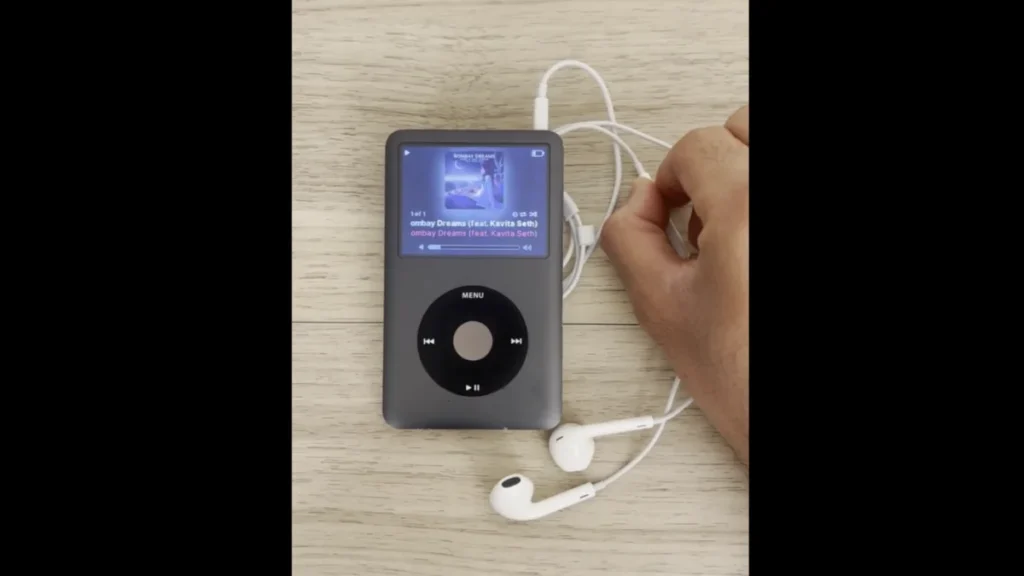
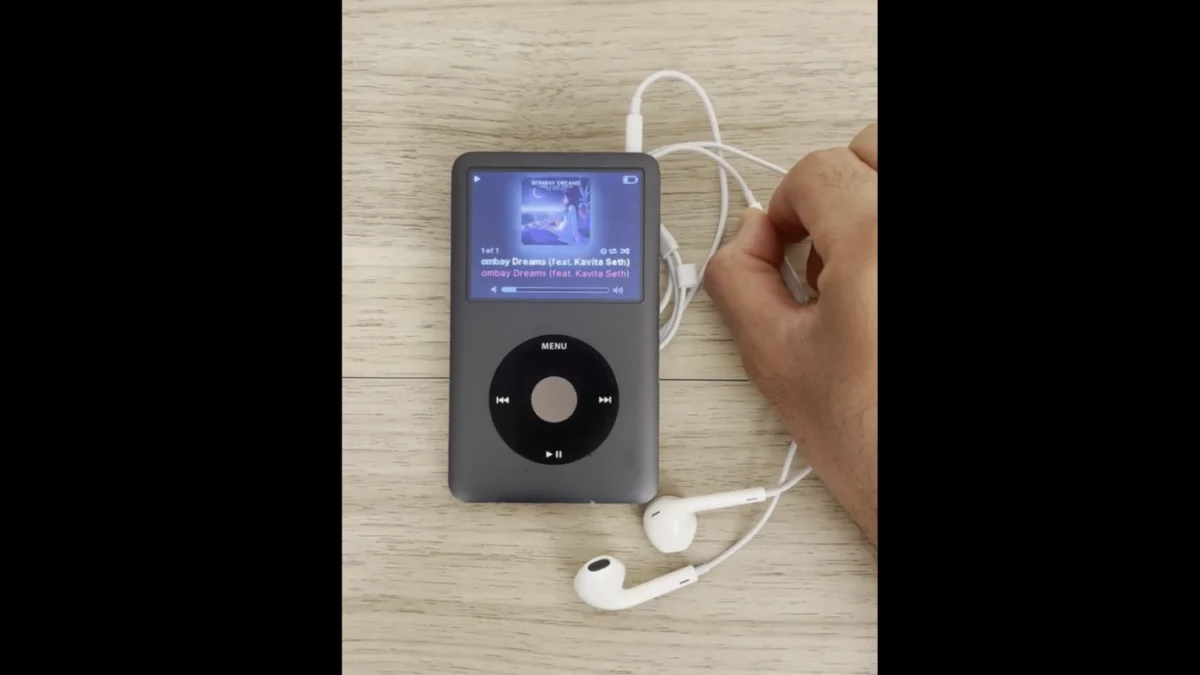
For nearly two decades, the iPod Classic has stood as a monolith of early 21st-century industrial design. While Apple’s legacy portable media player has long been discontinued, it remains a beloved relic among audiophiles, hardware modders, and enthusiasts of “dead media.” Yet, despite millions of hours of collective use and exhaustive reverse-engineering by the open-source community, one tiny piece of hardware remained shrouded in mystery: a component known colloquially as the “Mikey” chip.
Hidden within the headphone output architecture of the iPod Classic, the Mikey chip was designed for a singular, narrow purpose: to bridge the gap between the player and Apple’s proprietary wired headset. Now, thanks to the persistent efforts of researcher Hemant, the protocol governing this chip has finally been unlocked, bringing modern functionality to devices that predate the widespread adoption of the smartphone.
The Main Facts: What is Mikey?
The Mikey chip is an undocumented, application-specific integrated circuit (ASIC) embedded deep within the hardware of various iPod Classic models. Its primary existence was to facilitate two specific features: providing bias power for the microphone in Apple’s wired headsets and interpreting signals from the three-button remote control integrated into those cables.
For years, the open-source community—most notably the developers behind the Rockbox project, an alternative, open-source firmware for digital audio players—attempted to interact with this chip. However, without documentation from Apple, the communication protocol remained a “black box.”
The chip operates on an I2C bus, a common communication protocol for integrated circuits. When a user presses a button on their wired Apple headphones, the hardware creates a specific resistive load. This load causes a predictable voltage drop on the signal line, which the Mikey chip monitors. The breakthrough, however, was not just in reading the voltage drops, but in deciphering the “chirp”—a specialized digital handshake that must occur between the iPod and the headset before the device acknowledges the remote’s inputs.
Chronology of an Investigation: From 2008 to Today
The mystery of the Mikey chip is a testament to the longevity of hardware archaeology.
The Origin (2008)
Shortly after the introduction of the microphone-equipped headset for the iPod, curiosity emerged regarding how the device processed these inputs. A single, now-archived blog post from 2008 provided the first faint breadcrumbs. The author suggested that the chip was not merely a passive switch, but an active participant in the signal chain. For 16 years, that post served as the only technical reference point, yet it lacked the code or the logic to implement a driver.
The Dark Ages (2009–2023)
During this period, the iPod Classic saw its peak use, followed by its gradual decline as the iPhone and streaming services took over. While the Rockbox community successfully ported their firmware to the iPod, headphone remote support remained conspicuously absent. Many developers attempted to sniff the I2C bus traffic, but the “chirp” handshake—the initialization sequence required to wake the Mikey chip—proved elusive.
The Breakthrough (2024)
Hemant, a developer and hardware tinkerer, approached the problem with a fresh perspective. Rather than guessing the protocol, he utilized a custom debugger built directly into a Rockbox firmware build. By monitoring the communication between the original Apple firmware and the Mikey chip, he was able to capture the handshake sequence. This allowed him to reverse-engineer the digital "password" required to activate the chip.
Supporting Data: Understanding the Physics of the Click
The brilliance of the Mikey chip lies in its elegant simplicity. To understand how it works, one must look at the electrical engineering of a wired remote:
- The Resistive Ladder: Apple’s three-button remote utilizes a resistive ladder. When a button is pressed, it connects a specific resistor in parallel with the microphone circuit.
- Voltage Sensing: The Mikey chip constantly monitors the voltage on the microphone line. Because each button has a unique resistance value, each button creates a distinct voltage drop.
- The Handshake (The Chirp): The chip does not simply "wait" for a button press. It requires an initialization signal from the host (the iPod). If the iPod fails to send the correct “chirp” sequence, the Mikey chip remains in a low-power, dormant state, effectively ignoring any button presses from the headset.
Hemant’s discovery confirmed that the chip is essentially a translator. It takes the analog voltage drops from the buttons, converts them into digital I2C commands, and sends them to the iPod’s main processor. By implementing this protocol into Rockbox, Hemant has effectively turned the iPod Classic into a modern device capable of full playback control (play, pause, volume up, volume down, and track skipping) via wired remotes.
Official Responses and the Rockbox Integration
The open-source community’s response to this breakthrough has been one of collective triumph. The Rockbox project has historically prioritized stability and feature parity; however, the Mikey protocol was considered a "holy grail" of missing functionality.
Following his discovery, Hemant submitted his code to the official Rockbox repository. While the integration process involves rigorous code review to ensure the new driver doesn’t interfere with battery management or audio quality, the inclusion is expected to be finalized in upcoming official builds. This is a rare instance of a "feature update" for a device that has been out of production for nearly a decade, highlighting the unique nature of the iPod as an enduring piece of hardware.
Apple, predictably, has offered no comment on the discovery. Given that the company has long since abandoned the 30-pin connector and the proprietary audio protocols of that era, the Mikey chip remains a footnote in their engineering history.
Implications: The Future of "Vintage" Tech
The unlocking of the Mikey chip has profound implications for the hardware preservation community.
1. The Preservation of Functionality
As we move further away from the era of wired audio, the devices that defined it—like the iPod Classic—are at risk of becoming "digital paperweights." By reverse-engineering proprietary chips, the open-source community ensures that these devices remain fully functional for future generations.
2. The Modding Renaissance
The iPod Classic community is currently in a state of a second "golden age." With the advent of Flash-modding (replacing mechanical hard drives with SD cards) and modern battery replacements, many users are opting to return to the iPod for its distraction-free listening experience. Adding remote control support via the Mikey chip makes the device significantly more practical for daily use, particularly for commuters.
3. Ethical Hardware Hacking
This project stands as a gold standard for ethical reverse engineering. It was performed without malicious intent, solely to enhance user experience on hardware the owner already possesses. It demonstrates that when companies abandon support for their devices, the community can step in to maintain, improve, and extend their lifespan.
4. A Lesson in Complexity
The Mikey chip is a reminder of how "simple" consumer electronics were once architected. Today, most peripherals are managed by complex, multi-layered protocols. The Mikey chip’s reliance on simple voltage drops and a singular handshake reflects an era of engineering where hardware was designed to be lean, efficient, and deeply integrated.
Conclusion
The story of the Mikey chip is more than just a technical curiosity; it is a narrative about human persistence. It asks why we continue to care about these devices, and the answer lies in the tactile joy of the click wheel and the intentionality of offline music listening.
Thanks to Hemant’s work, the "ghost in the machine" has been exorcised. The Mikey chip is no longer a silent, mysterious barrier; it is a functional component of a revitalized ecosystem. As Rockbox continues to integrate these findings, the iPod Classic finds itself in a strange, liminal space—technically obsolete, yet functionally more capable than it was the day it left the factory floor. For the thousands of users who still keep their iPods in their pockets, the silence of the Mikey chip has finally been broken.