The Miniature Frontier: Exploring the Creative Marvels of Ludum Dare 56
The world of game development is often associated with massive teams, triple-A budgets, and years of iterative design. However, the true heartbeat of the industry often resides in the constraints of game jams—events where developers are forced to distill their vision into a raw, playable state within a matter of hours. On October 7th, 2024, the curtains closed on Ludum Dare 56, one of the most prolific and respected game jams in the global developer community.
With the theme "Tiny Creatures," developers were tasked with crafting complete, engaging, and functional games in either 48 or 72 hours. The result was an explosion of creativity, with over 800 entries uploaded to itch.io, demonstrating that even the smallest digital beings can leave a massive impact on players. This report highlights the standout titles from this jam, examining how these miniature projects push the boundaries of design, mechanics, and narrative.
The Chronology of a Jam: From Conception to Completion
The Ludum Dare experience is a high-pressure, high-reward cycle. For the 56th iteration, the event kicked off with the highly anticipated theme announcement: "Tiny Creatures." The theme was met with enthusiasm, as it offered a wide spectrum of interpretation—ranging from microscopic biological entities to gods overseeing burgeoning civilizations.
Participants had a narrow window to brainstorm, prototype, and polish. By the end of the first 24 hours, most developers had finalized their core gameplay loops. The final 24 to 48 hours were dedicated to the grueling process of bug fixing, asset implementation, and final builds. As the deadline approached on October 7th, the itch.io platform saw a surge of traffic as developers rushed to submit their projects, marking the beginning of the "play and rate" period that defines the Ludum Dare ethos.

Supporting Data: A Landscape of Innovation
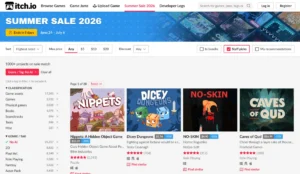
The sheer volume of submissions—over 800 titles—serves as a testament to the thriving indie ecosystem. These games are not merely experiments; they are fully realized concepts that often go on to be expanded into commercial releases. The "Tiny Creatures" theme provided a fertile ground for diverse genres, including simulation, puzzle, strategy, and even horror.
Highlights in Genre-Defying Design
The diversity of the entries this year was striking. Below, we examine some of the most notable projects that captured the imagination of the itch.io community.

1. The Surreal: Creature Packets
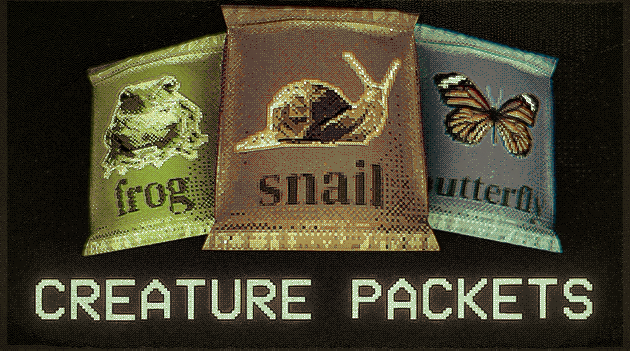
Creature Packets taps into the nostalgic aesthetic of the original PlayStation era. In this game, players act as an experimental chef, using a microwave to animate tiny creatures stored in packets. The inclusion of a blender mechanic to synthesize new substances adds a layer of depth and curiosity to the gameplay, rewarding player experimentation with new creatures to cook. It is a strange, atmospheric experience that proves how powerful art direction can be in small-scale projects.
2. The Grand Scale: Build The Sun
In a fascinating reversal of the "tiny" theme, Build The Sun places the player in the role of a deity. Starting from a single, humble spark, players must settle, explore, and expand to nurture a tiny world until the fire grows into a celestial body. The pixel-art aesthetic serves the scope of the game perfectly, illustrating the journey from a microscopic fire to a cosmic furnace.
3. Strategic Colonization: Maginot and Tiny Colony
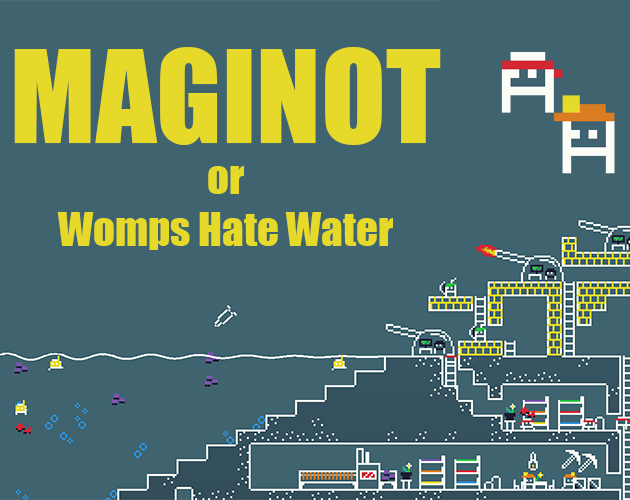
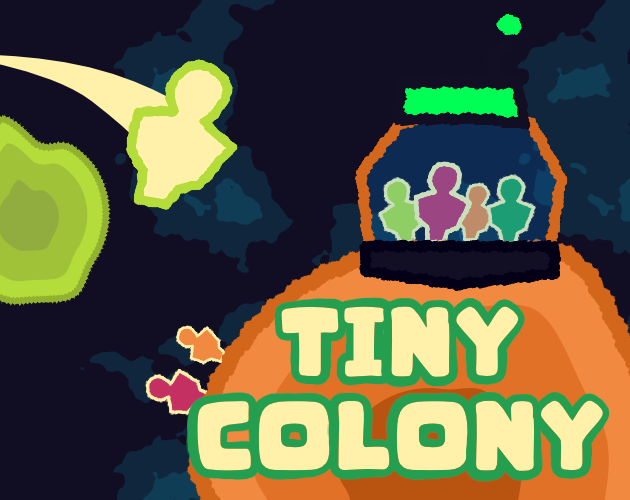
Strategy enthusiasts found plenty to enjoy in these entries. Maginot is an incremental colony builder that tasks players with digging deep into the earth to build a settlement, all while fending off the encroaching sea. It is a masterclass in pacing, balancing the addictive "number-go-up" nature of idle games with active, high-stakes defense. Conversely, Tiny Colony focuses on space-faring logistics, utilizing an interplanetary slingshot system that demands precision as players navigate the physics of gravity and the hazards of the vacuum of space.
4. Narrative and Mystery: Headquarters and Fear of the Ungnome
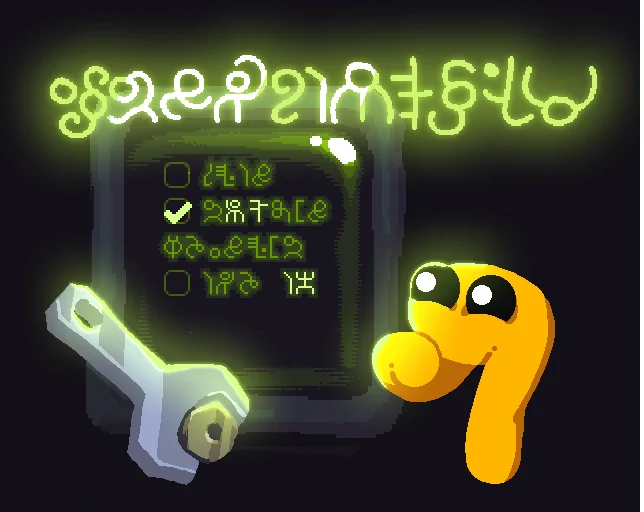
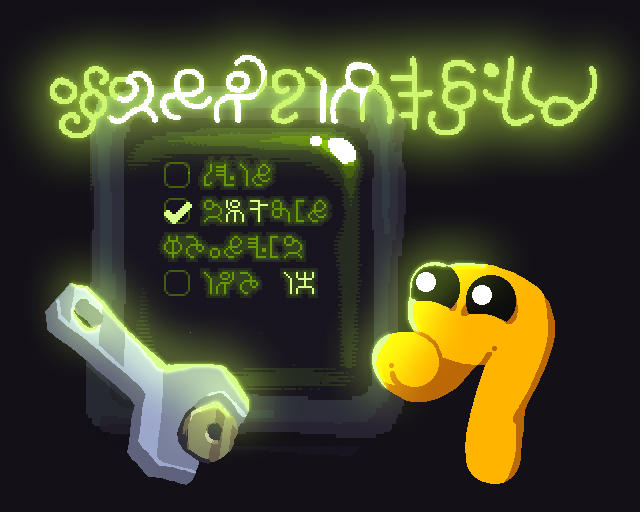
Not all entries focused on action. Headquarters provides a cryptic, point-and-click experience where the primary goal is to decipher a mysterious alphabet. It is a slow-burn experience that respects the player’s intelligence. Meanwhile, Fear of the Ungnome offers a procedural, first-person puzzle quest to track down a lost garden gnome. The procedural generation ensures that each playthrough offers a unique search, keeping the mystery fresh for repeat players.
Official Perspective: The itch.io Ecosystem
itch.io, acting as the primary repository for these submissions, has solidified its role as the premier platform for game jams. By providing a streamlined infrastructure for developers to share, update, and receive feedback on their games, itch.io has effectively democratized game development.
In their official blog post covering the event, the itch.io team noted that the sheer diversity of "Tiny Creatures" interpretations was the highlight of the jam. "With over 800 games tagged Ludum Dare 56, we couldn’t help but put out another collection of our recommendations," the team remarked. This consistent engagement from the platform curators highlights the symbiotic relationship between developers, who provide the content, and the platform, which provides the reach.
Implications for the Future of Indie Gaming
The success of Ludum Dare 56 has profound implications for the future of the industry. First, it demonstrates that "constraints breed creativity." By limiting time and scope, developers are forced to focus on the "fun" of a game rather than getting bogged down in unnecessary features or bloat.
Second, the prevalence of web-based playability in this year’s top submissions—such as Maginot, Headquarters, and Tiny Colony—signals a move toward higher accessibility. As browser technology continues to advance, the barrier to entry for players is lowering. One can simply click a link and experience a fully formed game, a trend that is likely to continue as developers seek to maximize their player base without the friction of large file downloads.
Finally, the trend of "Small-Scale Polish" is noteworthy. Many of these entries, despite being created in under 72 hours, feature coherent art styles, polished user interfaces, and satisfying "game feel." This suggests that the baseline of technical proficiency among indie developers is rising, likely due to better game engines (like Godot, Unity, and custom frameworks) and more accessible educational resources.
Conclusion: A Tiny Revolution
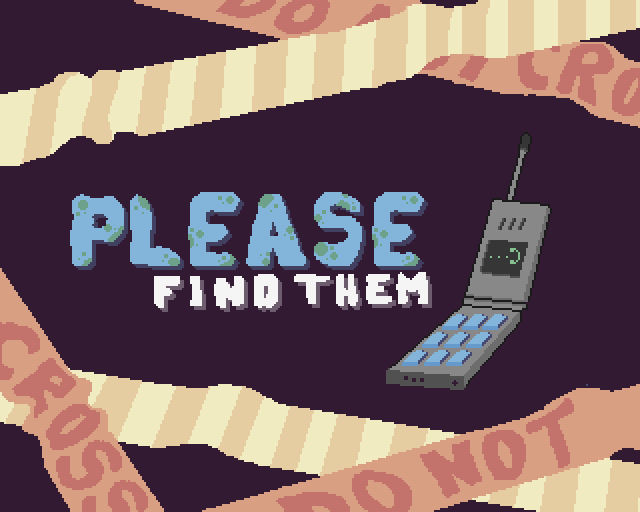
Ludum Dare 56 was more than just a competition; it was a celebration of what is possible when the clock is ticking and the only limit is one’s imagination. Whether it was the tactical brilliance of Vox Regis, where players manipulate factions with their own voices, or the hidden-object satisfaction of Please Find Them, these games prove that "tiny" does not mean insignificant.
As we look toward future jams, the success of these titles suggests that the indie scene will continue to prioritize unique, bite-sized experiences that offer high replayability and distinct artistic vision. For players, this is a golden age of experimentation. Whether you prefer to be a god building a sun or an exterminator hunting for lost creatures, there is a world of tiny experiences waiting to be discovered on the Ludum Dare 56 tag page on itch.io.
The community’s response has been overwhelmingly positive, and as developers begin to iterate on these prototypes for potential full releases, we can expect to see some of these "tiny" games grow into the next generation of indie hits. The lesson of Ludum Dare 56 is clear: sometimes, the most expansive ideas are the ones that start small.