The Unseen Footprint: How AI’s Infrastructure Boom Ignites a "David vs. Goliath" Battle Across America
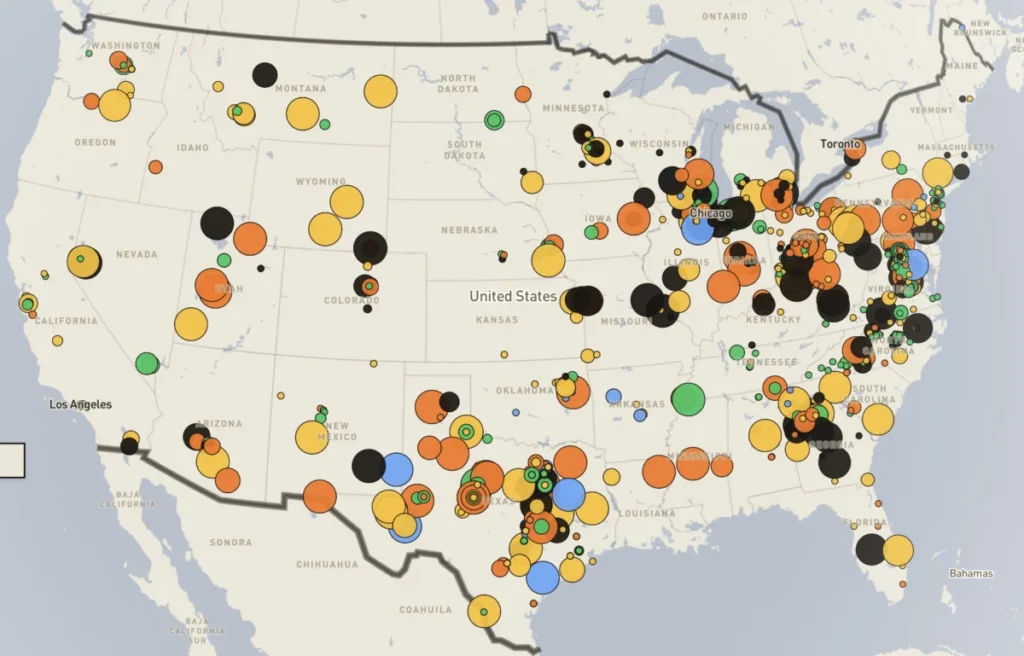
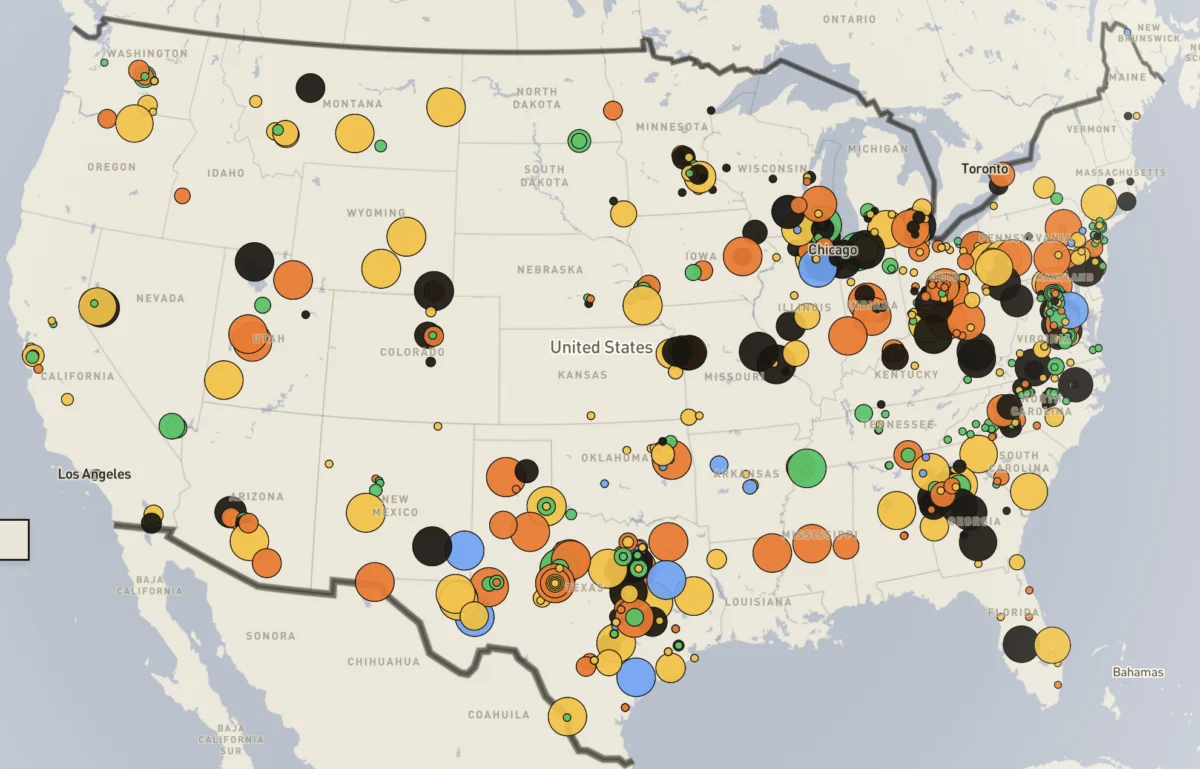
The relentless march of artificial intelligence, heralded as a new dawn of innovation, casts an increasingly vast and complex shadow across the American landscape. Beneath the glowing promise of digital transformation lies a physical infrastructure demanding unprecedented resources: the AI data center. What began as a quiet build-out has escalated into a nationwide "David versus Goliath" struggle, pitting powerful tech conglomerates against bewildered, often unprepared, local communities. As towns grapple with proposals for colossal data facilities, a new mapping initiative, "Powered By Who," is shedding critical light on the true scale of this digital expansion, revealing over 2,100 projects in various stages across the United States.
This burgeoning digital frontier, while essential for powering the internet and the advanced algorithms driving AI, is raising urgent questions about its sustainability. The immense appetite of these facilities for electricity and water, the environmental emissions they generate, and the equitable distribution of their economic benefits are at the heart of a contentious debate. The "Powered By Who" map serves as a stark visual testament to this escalating conflict, highlighting clusters of development that often intersect with regional power generation capacities and political landscapes. It underscores a striking concentration: a staggering 70% of all tracked data center projects are situated in just three states, pointing to a concentrated impact on specific regions and their inhabitants.
The Unprecedented Surge of AI Data Centers
The current proliferation of AI data centers is a direct consequence of the exponential growth in artificial intelligence and machine learning. From generative AI models that create text and images to complex predictive analytics and autonomous systems, the computational demands are astronomical. These operations require vast arrays of specialized processors (GPUs), intricate cooling systems, and reliable, high-bandwidth network connectivity, all housed within secure, climate-controlled environments.
Traditional data centers, while significant consumers of resources, pale in comparison to the requirements of their AI-optimized counterparts. The density of high-performance computing (HPC) equipment in AI data centers means they consume substantially more power per square foot and generate significantly more heat, necessitating more intensive cooling solutions. This escalating demand has triggered a land rush for suitable sites, transforming once-sleepy rural areas or industrial parks into prime targets for development. The narrative often presented to communities is one of economic prosperity, job creation, and technological advancement, yet the reality on the ground frequently involves environmental concerns, infrastructure strain, and a sense of disempowerment among local residents.
A Chronology of Conflict and Development
The journey to the current "data center boom" is rooted in decades of technological evolution, but the current flashpoint is distinctly modern. Initially, data centers were often discreet facilities, primarily serving corporate needs or foundational internet services. Concerns about energy consumption began to surface in the early 2000s as cloud computing started to scale, leading to initiatives for "green data centers" and efficiency improvements. However, these efforts were largely focused on optimization within existing paradigms.
The real inflection point arrived with the widespread adoption of machine learning in the 2010s, followed by the explosion of generative AI in the early 2020s. This period witnessed a dramatic shift in data center design and scale. What were once facilities measured in tens of megawatts are now being planned as "hyperscale" campuses requiring hundreds of megawatts – enough to power small to medium-sized cities.
As these mega-projects began to materialize, so too did local resistance. Early community pushback often focused on visual impact or noise. However, as the true scale of resource demands became apparent, the objections broadened significantly. Environmental groups, local activists, and concerned citizens started to scrutinize proposals more rigorously, demanding transparency on energy sourcing, water usage, and potential emissions. The "Powered By Who" project emerged precisely at this critical juncture, recognizing the need for a consolidated, accessible database to track this rapid, often opaque, development. It provides a vital tool for communities, researchers, and policymakers to understand the scope of the phenomenon and to engage in more informed discussions about its implications. The map essentially offers a chronological snapshot of the industry’s expansion and the escalating awareness of its societal and environmental costs.
Supporting Data and Environmental Footprint
The statistics surrounding AI data centers paint a sobering picture of their environmental and resource demands, challenging the notion of a purely digital, ethereal cloud.
Resource Consumption
- Power: AI data centers are voracious consumers of electricity. A single hyperscale facility can require hundreds of megawatts of power, equivalent to the consumption of tens of thousands to hundreds of thousands of homes. Globally, data centers already account for approximately 1-2% of the world’s electricity demand, a figure projected to surge with AI’s expansion. This immense demand places significant strain on existing electrical grids, often necessitating the construction of new power plants, transmission lines, and substations. While many tech giants pledge to power their operations with renewable energy, the sheer scale often means that these commitments are met through power purchase agreements rather than direct, on-site renewable generation, leading to complex questions about actual grid decarbonization versus accounting practices. The need for new generation capacity, particularly in regions where renewables are not yet dominant, can inadvertently lead to increased reliance on fossil fuels, exacerbating carbon emissions.
- Water: Cooling systems are the Achilles’ heel of energy-dense AI data centers, and water is often the primary medium for heat dissipation. Evaporative cooling towers, a common and efficient method, can consume millions of gallons of water daily, especially in hotter climates. In regions already facing water scarcity or drought conditions, these demands can strain local water supplies, impacting agriculture, ecosystems, and residential use. While closed-loop cooling systems or air-cooled designs exist, they are often less efficient or more expensive, leading developers to favor water-intensive options where available.
- Land Use: The physical footprint of hyperscale data center campuses can be substantial, spanning hundreds of acres for the facilities themselves, along with associated substations, cooling infrastructure, and security perimeters. This often means converting agricultural land, forested areas, or undeveloped parcels, leading to habitat loss, fragmentation, and concerns about preserving rural character.
Environmental Impact
- Emissions: The environmental impact extends beyond electricity generation. Direct emissions can come from diesel generators used for backup power, which, while intended for emergencies, can contribute to local air pollution. More significantly, the indirect emissions from power generation, particularly from fossil fuel sources, contribute to greenhouse gas concentrations. Furthermore, the immense heat generated by these facilities can contribute to the "heat island effect" in surrounding communities, raising ambient temperatures and exacerbating urban heat stress, as highlighted by some researchers.
- Noise Pollution: The constant whir of cooling fans, chillers, and other mechanical equipment within data centers can generate significant noise pollution, particularly for nearby residential areas, disrupting quality of life.
- E-waste: The rapid pace of technological innovation in AI hardware means that components, particularly specialized GPUs, have relatively short lifespans before becoming obsolete. This contributes to a growing problem of electronic waste, which often contains hazardous materials and requires responsible recycling and disposal practices.
Economic Impact
- Job Creation: While data center projects are often promoted with promises of significant job creation, the reality can be more nuanced. The construction phase does generate a substantial number of temporary jobs. However, once operational, data centers are highly automated and require a relatively small, highly specialized workforce (e.g., IT technicians, security personnel). The number of permanent jobs is often far fewer than what is initially advertised, leading to disappointment in communities that sacrifice resources for the promise of sustained employment.
- Tax Revenue: Data centers can generate substantial property tax revenue for local governments, which can be attractive to financially constrained municipalities. However, this benefit is often offset by aggressive tax incentives, abatements, and waivers offered by states and localities eager to attract these developments. These incentives can significantly reduce the net financial gain for communities, while the burden on public infrastructure (roads, utilities) remains.
- Infrastructure Strain: The sheer scale of data centers can strain existing local infrastructure, including roads (during construction), water treatment plants, and the electrical grid. Upgrades are often required, and while developers may contribute, the long-term maintenance and capacity planning often fall to public entities.
Geographical Concentration and Disparity
The "Powered By Who" map reveals a striking geographical imbalance, with 70% of projects concentrated in just three states. This concentration is not accidental. These states often possess a combination of favorable attributes: abundant and relatively cheap land, existing robust electrical infrastructure (or the capacity to expand it), access to water resources, and, crucially, a regulatory and political environment that is highly amenable to data center development, often through generous tax incentives and streamlined permitting processes.
While this concentration might benefit the chosen states in terms of tax revenue and perceived technological leadership, it also creates significant disparities. The environmental burdens (water stress, heat, emissions) are disproportionately borne by these specific regions, while other parts of the country see fewer direct economic benefits from the AI boom. This highlights a critical need for a national strategy that considers equitable distribution of both the benefits and costs of digital infrastructure.
Official Responses and Community Resistance
The growing concerns surrounding AI data centers have elicited varied responses from government entities and corporate giants, while simultaneously galvanizing community resistance across the nation.
Government Stances
- Federal Level: At the federal level, agencies like the Department of Energy and the Environmental Protection Agency are increasingly scrutinizing the energy and environmental footprint of data centers. There’s a nascent recognition of the national security implications related to grid stability and the strategic importance of these facilities. Discussions are beginning around national standards for efficiency, reporting, and responsible site selection, though concrete policy remains largely under development.
- State Level: State governments often find themselves in a complex balancing act. Many actively compete to attract data center investment through tax breaks, grants, and infrastructure support, viewing them as symbols of technological progress and economic diversification. However, a growing number of states are also facing pressure to implement stricter environmental regulations or to empower local communities with more control over development decisions. Some states are beginning to reconsider the generosity of their incentive packages as the costs become clearer.
- Local Level: Local municipalities are on the front lines of this conflict. Town councils, zoning boards, and planning commissions are often overwhelmed by complex proposals from well-resourced developers. Small towns, in particular, may lack the expertise, legal resources, or bargaining power to adequately assess the long-term impacts or negotiate favorable terms. This power imbalance is a core element of the "David vs. Goliath" narrative, as local residents often feel their voices are drowned out by corporate interests and state-level economic development agendas.
Corporate Strategies
Tech giants and data center operators are increasingly aware of the public scrutiny. Their responses often include:
- Renewable Energy Pledges: Many companies commit to powering their operations with 100% renewable energy, often through purchasing Renewable Energy Certificates (RECs) or Power Purchase Agreements (PPAs) that support new renewable projects elsewhere on the grid. While a positive step, critics argue this doesn’t always directly decarbonize the specific grid powering the data center or address the overall demand increase.
- Water Conservation Initiatives: Efforts include using recycled water for cooling, implementing more efficient cooling technologies, or exploring alternative cooling methods. However, the scale of operations means that even marginal improvements can still translate to significant water consumption.
- Public Relations and Community Engagement: Companies often engage in outreach programs, sponsorships, and local hiring initiatives to build goodwill within prospective communities. They emphasize the economic benefits and the necessity of digital infrastructure.
Community Mobilization
Across the country, a burgeoning grassroots movement is challenging data center developments. Communities are mobilizing through:
- Grassroots Organizations: Groups like "Concerned Citizens Against Data Centers" or "Preserve Our Rural Future" are forming to educate residents, organize protests, and advocate before local planning bodies.
- Legal Challenges: Where local approvals are granted, communities are increasingly resorting to legal action, challenging zoning changes, environmental impact assessments, or permitting processes. These battles can be protracted and expensive for both sides.
- Advocacy and Awareness: Activists are working to raise broader public awareness about the hidden costs of the AI boom, connecting local struggles to national and global environmental concerns. They argue for a more balanced approach that prioritizes community well-being and environmental sustainability alongside technological advancement. Their arguments often center on preserving rural character, protecting natural resources, mitigating noise and heat pollution, and ensuring that any economic benefits genuinely outweigh the costs to quality of life.
Broader Implications and The Path Forward
The expansion of AI data centers is not merely a local land-use issue; it represents a fundamental challenge to national infrastructure, environmental policy, and the very concept of sustainable technological progress.
Energy Policy and Infrastructure
The immense power demands necessitate a comprehensive re-evaluation of energy policy. This includes accelerating investment in renewable energy generation and storage, modernizing the aging electrical grid to handle distributed and dynamic loads, and exploring incentives for data centers to locate in areas with abundant clean power. The current model of hyper-concentration in a few states may prove unsustainable, suggesting a need for more strategic, decentralized planning for digital infrastructure. Policymakers must also consider the embedded energy costs in manufacturing the vast quantities of hardware required for these centers.
Technological Innovations and Sustainability
The engineering challenges of cooling AI data centers are pushing the boundaries of innovation. As noted in the original article, solutions range from advanced DC distribution within sites for greater efficiency, to radical proposals like underwater data centers leveraging the cold depths of the ocean, and even conceptual designs for space-based data centers to shed heat more effectively in a vacuum. Further research and development are crucial in:
- Liquid Cooling: Direct-to-chip liquid cooling systems are becoming more prevalent, offering significantly higher efficiency than traditional air cooling for high-density AI racks.
- Waste Heat Reuse: Exploring technologies to capture and repurpose the vast amounts of waste heat generated by data centers, for applications such as district heating, agriculture, or industrial processes.
- AI for Efficiency: Ironically, AI itself can be deployed to optimize data center operations, predicting workloads, managing cooling systems, and scheduling tasks to minimize energy consumption.
- Modular and Sustainable Design: Developing modular data center designs that are quicker to deploy, more flexible, and incorporate sustainable materials and end-of-life recycling strategies.
- Carbon Capture Technologies: Investigating the integration of carbon capture solutions for power generation facilities directly supplying data centers.
These innovations are vital for mitigating the environmental footprint, but they must be scaled rapidly and adopted widely to have a meaningful impact.
The Future of Digital Infrastructure
The "David vs. Goliath" struggle underscores a critical need for a more holistic and ethical approach to building our digital future. Balancing rapid technological innovation with environmental stewardship and social responsibility is paramount. Tools like the "Powered By Who" map are invaluable for fostering public awareness and enabling data-driven discussions.
Moving forward, there needs to be greater transparency from developers, more robust regulatory frameworks at all levels of government, and increased empowerment for local communities to negotiate and shape projects that affect their lives. This includes comprehensive environmental impact assessments that go beyond simple energy consumption, considering cumulative impacts on water, land, air quality, and local ecosystems.
Ultimately, the future of AI and its foundational infrastructure depends on a collective commitment to sustainability. It requires not just technological ingenuity but also ethical foresight, equitable policy-making, and a recognition that the digital world, however abstract, has profound and tangible consequences for the physical world we inhabit. The call for similar trackers in other parts of the globe highlights the universal nature of this challenge, urging international collaboration to set standards and share best practices for responsible data center development worldwide. The promise of AI must not come at the irreparable cost of our planet or the well-being of its communities.